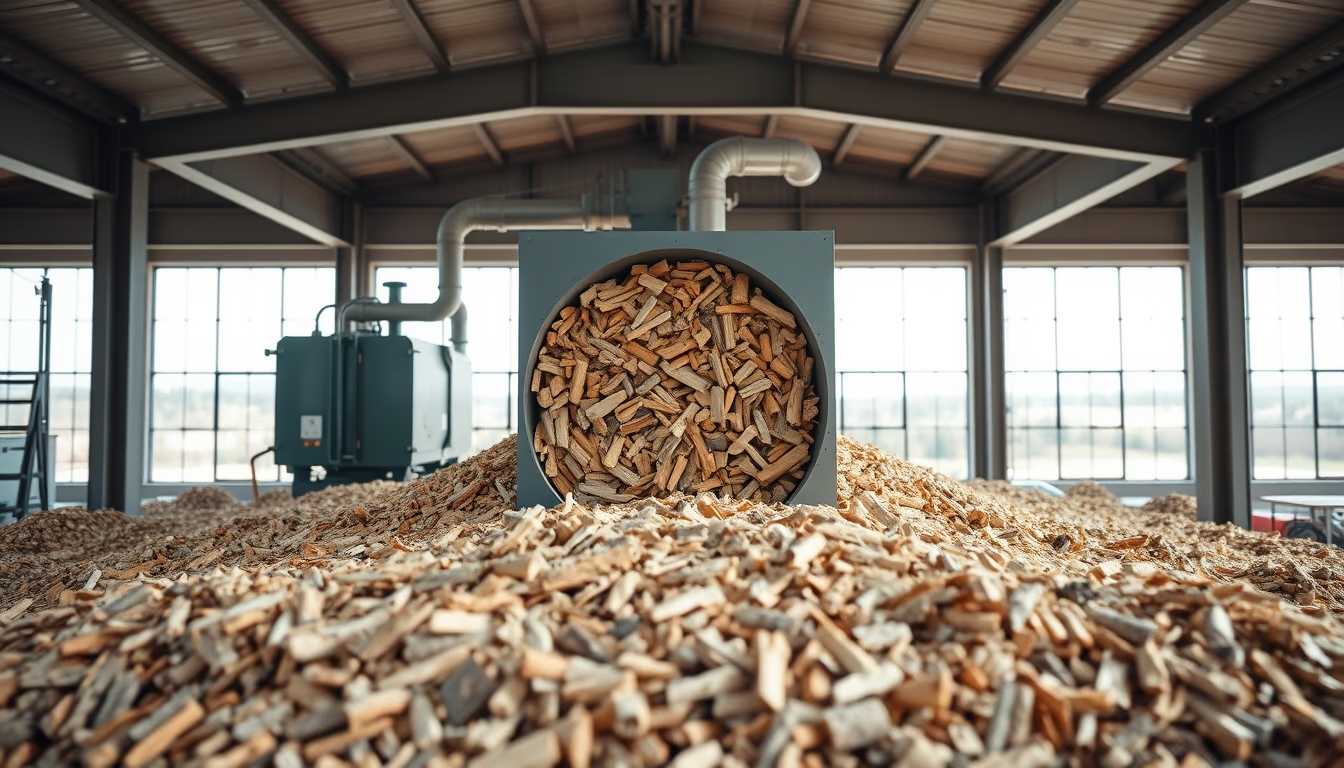
Biomass plant wood chips
1344×768 · AVIF · CC BY 4.0
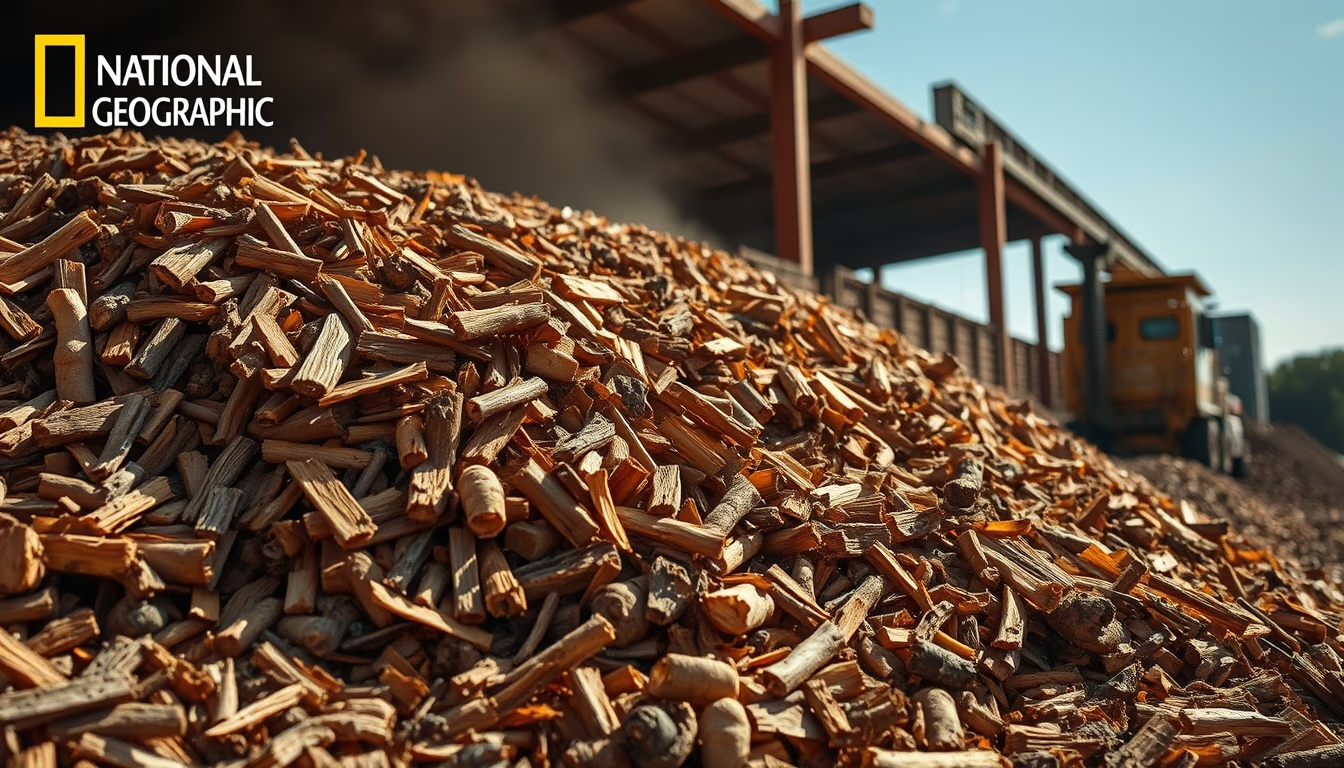
Biomass plants convert wood chips into electricity, utilizing forest residues to generate renewable energy and reduce carbon emissions.
About this subject
Biomass plants are facilities that burn organic matter, such as wood chips, to produce heat and electricity. Wood chips come from forest residues like branches, bark, and sawdust, which would otherwise be discarded or left to decompose. This process harnesses a renewable resource and helps reduce reliance on fossil fuels.
In Brazil, biomass accounts for about 8% of the electricity matrix, according to ANEEL data. Biomass plants are common in regions with strong agricultural and forestry activity, such as the South and Southeast, where there is an abundance of wood residues from eucalyptus and pine plantations. Technologies range from direct combustion to gasification, which converts biomass into combustible gas to generate electricity in turbines.
Beyond energy generation, biomass plants contribute to waste management and reduce methane emissions that would occur if residues decomposed in landfills. However, sustainability depends on proper forest management, using wood from certified plantations avoids deforestation. Burning biomass emits CO2, but this carbon is reabsorbed by growing trees, creating a neutral cycle if managed correctly.
Notably, in countries like Finland and Sweden, biomass is a major renewable energy source, accounting for over 20% of electricity generation. In Brazil, the potential is enormous due to a vast planted forest area exceeding 9 million hectares. With more efficient technologies and supportive policies, biomass plants can become even more critical in the global energy transition.
Frequently Asked Questions
What are wood chips and how are they used in biomass plants?
Wood chips are small fragments of wood from forest residues. In biomass plants, they are burned in boilers to generate heat, which drives turbines and produces electricity.
Are biomass plants truly carbon neutral?
Yes, when managed sustainably. The CO2 emitted during combustion is reabsorbed by newly planted trees, closing the loop. However, this depends on certified forests and proper replanting.
What is the difference between biomass and biofuels?
Biomass refers to solid organic matter used directly for heat/electricity. Biofuels are liquids (ethanol, biodiesel) or gases (biogas) derived from biomass, primarily used for transportation.
Direct URL
https://pub-c7d6a6ea828543ac903a74a341ccb2e1.r2.dev/imagens/biomass-plant-wood-chips-national-geographic-style-p3.avifHow to credit
Include a visible link back to UtilizAí. Copy one of the snippets below:
<a href="https://xn--utiliza-eza.com/en/midia/imagens/biomass-plant-wood-chips-national-geographic-style-p3">Biomass plant wood chips</a> by <a href="https://xn--utiliza-eza.com">UtilizAí</a>, licensed under <a href="https://creativecommons.org/licenses/by/4.0/">CC BY 4.0</a>.
[Biomass plant wood chips](https://xn--utiliza-eza.com/en/midia/imagens/biomass-plant-wood-chips-national-geographic-style-p3) by [UtilizAí](https://xn--utiliza-eza.com), CC BY 4.0
License: CC-BY-4.0