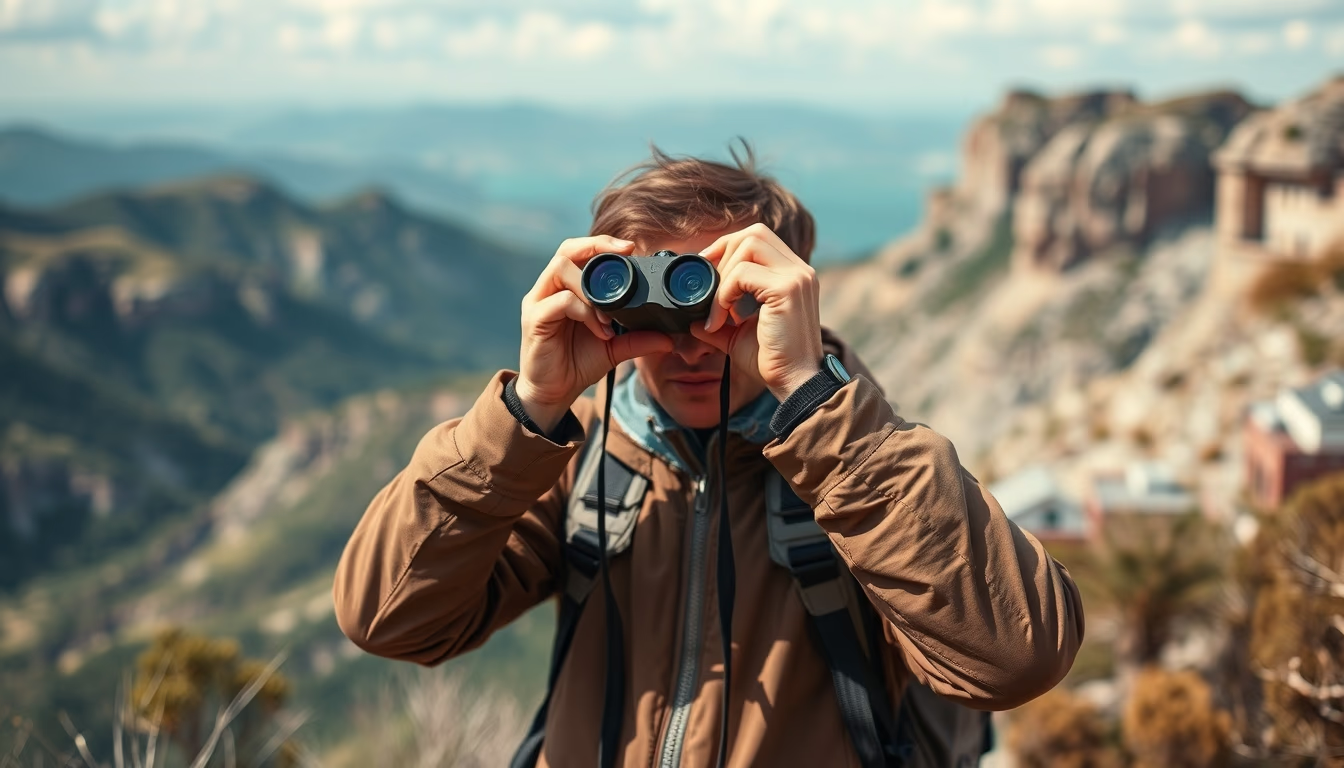
Binoculars wildlife viewing
1344×768 · AVIF · CC BY 4.0
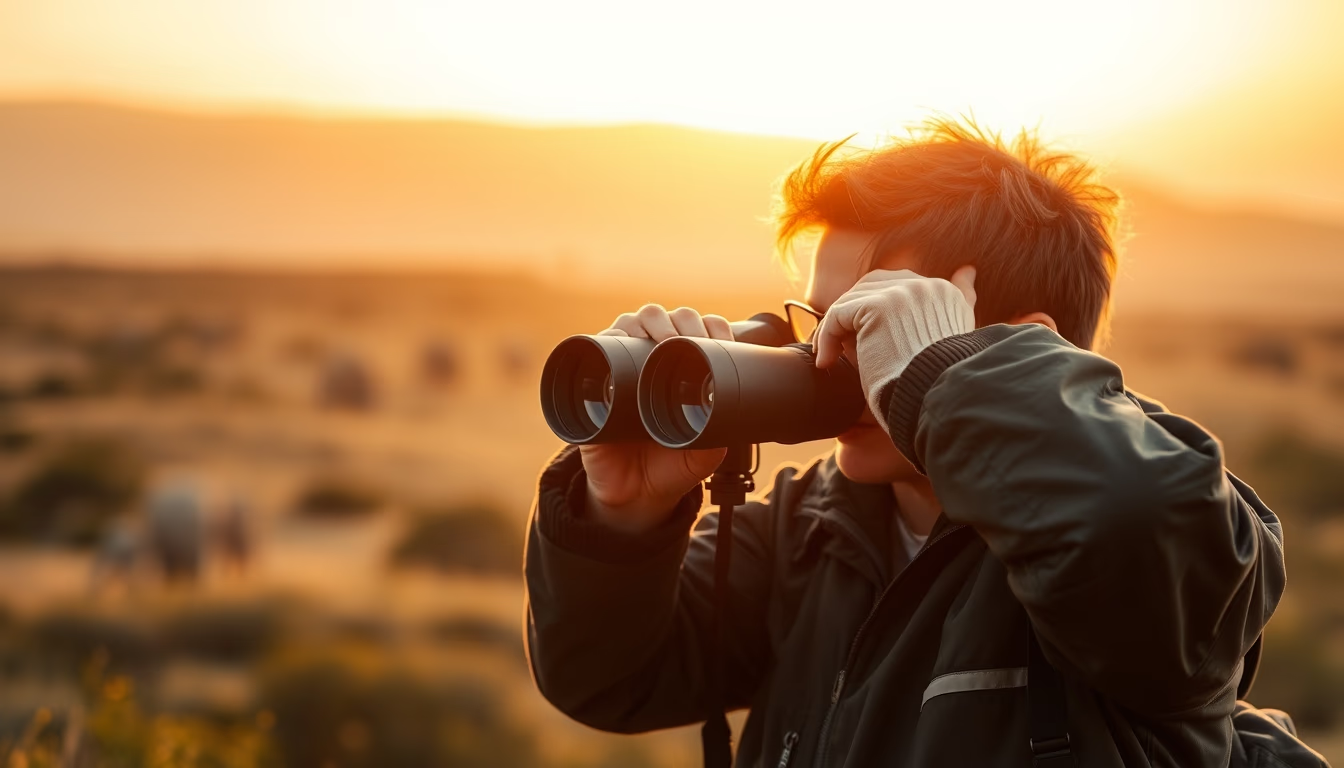
Binoculars for wildlife viewing: how to choose the ideal model, technical features and tips for use in birdwatching and photo safaris.
About this subject
Binoculars are essential tools for wildlife observers, allowing animals to be spotted from a distance without disturbance. For activities like birdwatching or safari, binoculars with magnification between 8x and 10x and objective lenses of 40 to 42 mm (8x42 is a popular standard) are recommended. This combination offers a good balance of field of view, brightness and image stability.
Optical quality is crucial. Lenses with multi-coating reduce reflections and increase light transmission, essential in low-light conditions (dawn and dusk). Roof prism models are more compact and robust, ideal for travel. Porro prism models tend to offer better depth of field but are bulkier.
Beyond magnification, features like waterproofing and fog-proofing (internal nitrogen) are important for outdoor use. Minimum focus distance also varies: for observing butterflies or insects, models with a close focus of 1.5 to 2 meters are advantageous. Brands like Nikon, Swarovski, Zeiss and Vortex dominate the market with various price ranges, catering to beginners and professionals alike.
Curiosity: the term "binocular" comes from Latin "bini" (two) and "oculus" (eye). The first patent for a modern binocular dates to 1894. Today, image-stabilized binoculars (such as those from Canon) reduce shake at magnifications above 10x. For wildlife photography, some models allow adapters for smartphones, expanding recording possibilities.
Frequently Asked Questions
What is the ideal magnification for birdwatching?
8x is the most versatile, balancing field of view and stability. For small or distant birds, 10x can be useful but requires a steady hand or tripod.
What does 8x42 mean?
8x indicates 8 times magnification; 42 mm is the objective lens diameter, which affects brightness. A larger objective allows more light, improving low-light performance.
Are waterproof binoculars necessary?
Yes, especially in humid or rainy environments. Sealing protects against dust and moisture, increasing durability and preventing internal fogging.
Direct URL
https://pub-c7d6a6ea828543ac903a74a341ccb2e1.r2.dev/imagens/binoculars-wildlife-viewing-travel-photography-p2.avifHow to credit
Include a visible link back to UtilizAí. Copy one of the snippets below:
<a href="https://xn--utiliza-eza.com/en/midia/imagens/binoculars-wildlife-viewing-travel-photography-p2">Binoculars wildlife viewing</a> by <a href="https://xn--utiliza-eza.com">UtilizAí</a>, licensed under <a href="https://creativecommons.org/licenses/by/4.0/">CC BY 4.0</a>.
[Binoculars wildlife viewing](https://xn--utiliza-eza.com/en/midia/imagens/binoculars-wildlife-viewing-travel-photography-p2) by [UtilizAí](https://xn--utiliza-eza.com), CC BY 4.0
License: CC-BY-4.0