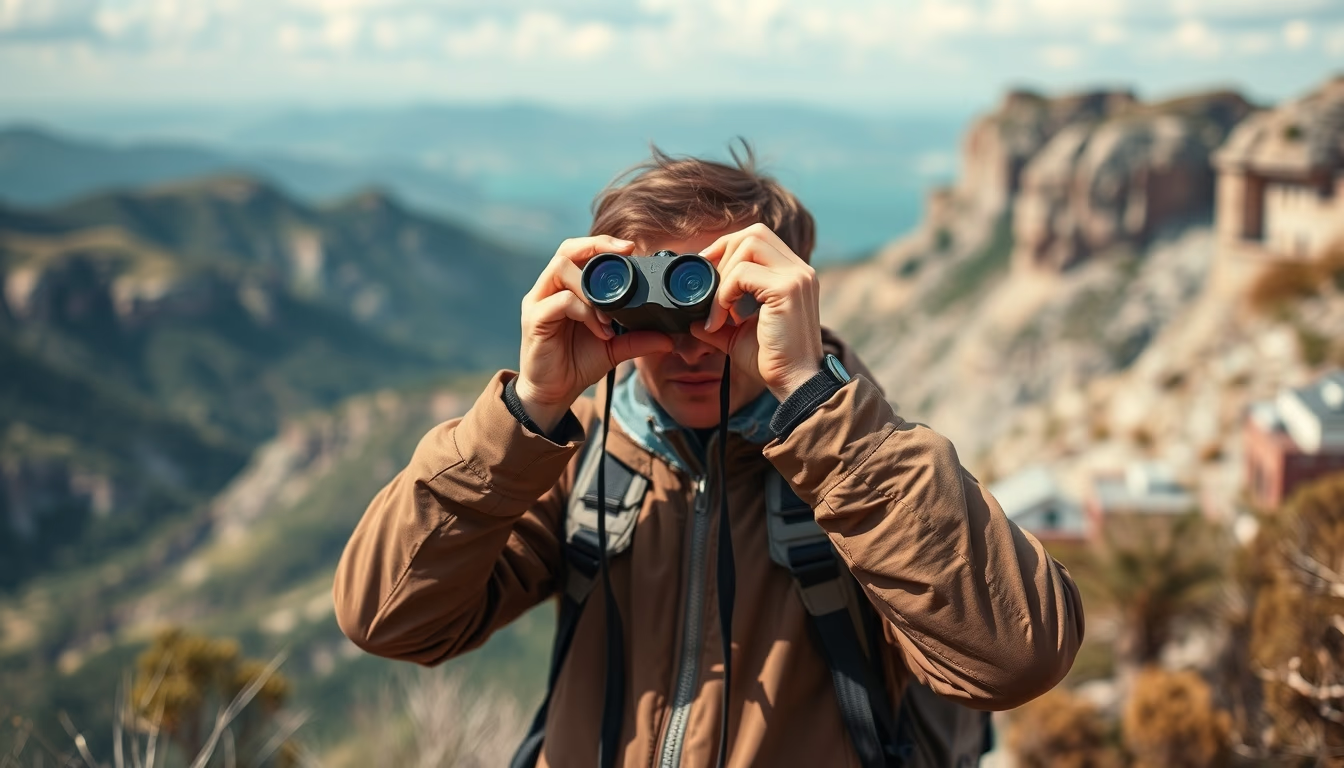
Binoculars wildlife viewing
1344×768 · AVIF · CC BY 4.0
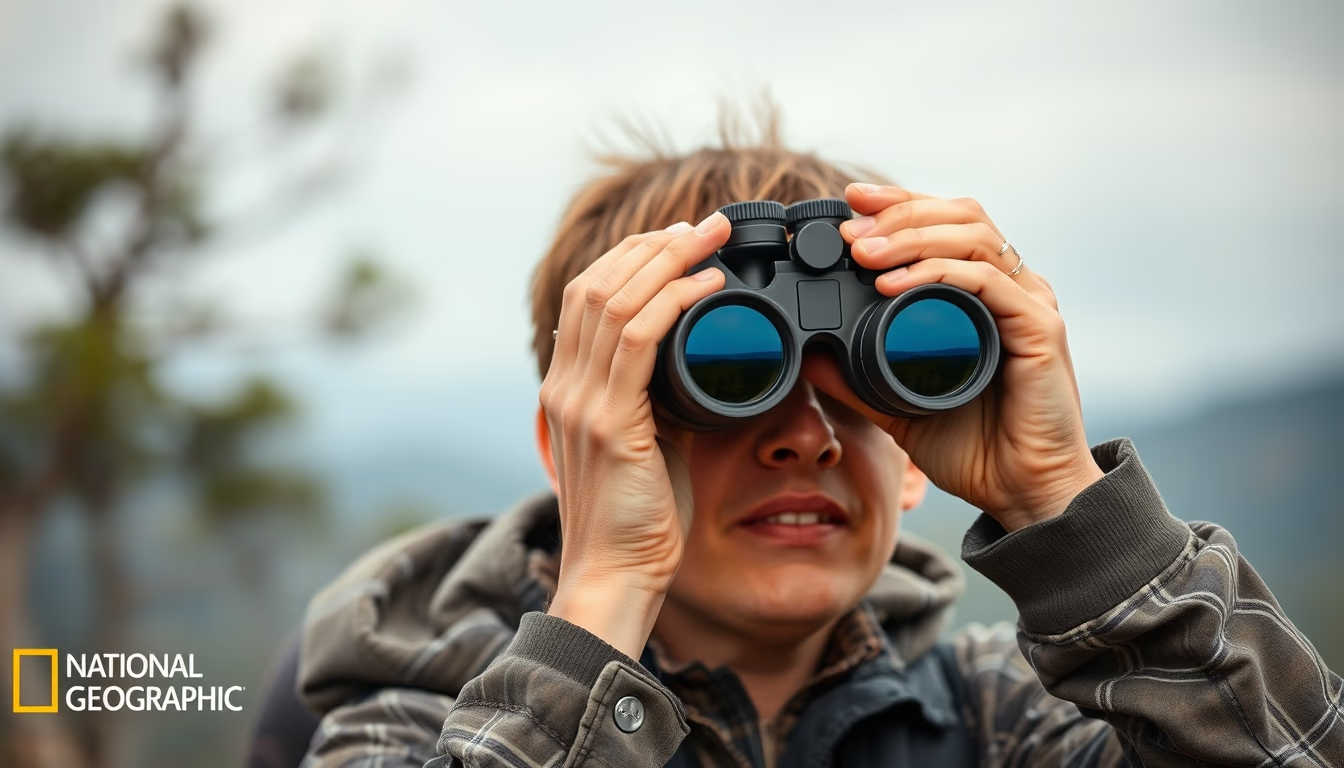
Wildlife viewing with binoculars brings nature closer and reveals details invisible to the naked eye, requiring proper equipment and technique.
About this subject
Wildlife observation is an activity that combines patience, knowledge, and quality equipment. Binoculars are essential tools for naturalists and enthusiasts, allowing animals to be observed from safe distances without disturbing them. There are two main prism types: Porro, which offer greater depth and field of view, and roof, which are more compact and durable. Common magnifications for wildlife viewing are 8x and 10x, with 42 mm objective lenses that balance brightness and portability.
In Brazil, biomes such as the Pantanal and the Amazon are prime destinations for birdwatching and mammal sightings. Species like the hyacinth macaw, giant anteater, and jaguar can be observed with quality binoculars, provided the observer positions downwind and uses morning light. Binoculars with multi-coated lenses reduce glare and improve contrast, crucial in dense shadow environments.
An important tip: when using binoculars, keep elbows braced against your chest or use a tripod to avoid shaking. Focus adjustment should be set for each distance, starting with the diopter to compensate for differences between eyes. Additionally, waterproof binoculars filled with nitrogen prevent fogging in humid forests and protect against dust.
Historically, naturalists like Alfred Russel Wallace and Henry Walter Bates used simple binoculars on their Amazon expeditions in the 19th century. Today, technology offers image-stabilized binoculars and digital displays, but the principle remains: to magnify human vision to understand biodiversity. Investing in a good pair of binoculars is the first step toward an immersive nature experience.
Frequently Asked Questions
What is the best magnification for birdwatching?
For birds, 8x42 binoculars are recommended because they offer a wide field of view and good brightness, making it easier to track birds in motion. Higher magnifications like 10x can be useful for distant birds in flight but require more stability.
Are waterproof binoculars really necessary?
Yes, especially in tropical environments like the Amazon or Pantanal, where humidity is high. Waterproof binoculars filled with nitrogen prevent internal fogging and protect against rain and splashes, ensuring durability.
How should I properly clean binocular lenses?
Use a blower brush to remove dust, then a microfiber cloth with a drop of isopropyl alcohol. Never use paper towels or rough fabrics, as they scratch the coating. Avoid abrasive liquids.
Direct URL
https://pub-c7d6a6ea828543ac903a74a341ccb2e1.r2.dev/imagens/binoculars-wildlife-viewing-national-geographic-style-p3.avifHow to credit
Include a visible link back to UtilizAí. Copy one of the snippets below:
<a href="https://xn--utiliza-eza.com/en/midia/imagens/binoculars-wildlife-viewing-national-geographic-style-p3">Binoculars wildlife viewing</a> by <a href="https://xn--utiliza-eza.com">UtilizAí</a>, licensed under <a href="https://creativecommons.org/licenses/by/4.0/">CC BY 4.0</a>.
[Binoculars wildlife viewing](https://xn--utiliza-eza.com/en/midia/imagens/binoculars-wildlife-viewing-national-geographic-style-p3) by [UtilizAí](https://xn--utiliza-eza.com), CC BY 4.0
License: CC-BY-4.0