Binoculars on map adventure
1344×768 · AVIF · CC BY 4.0
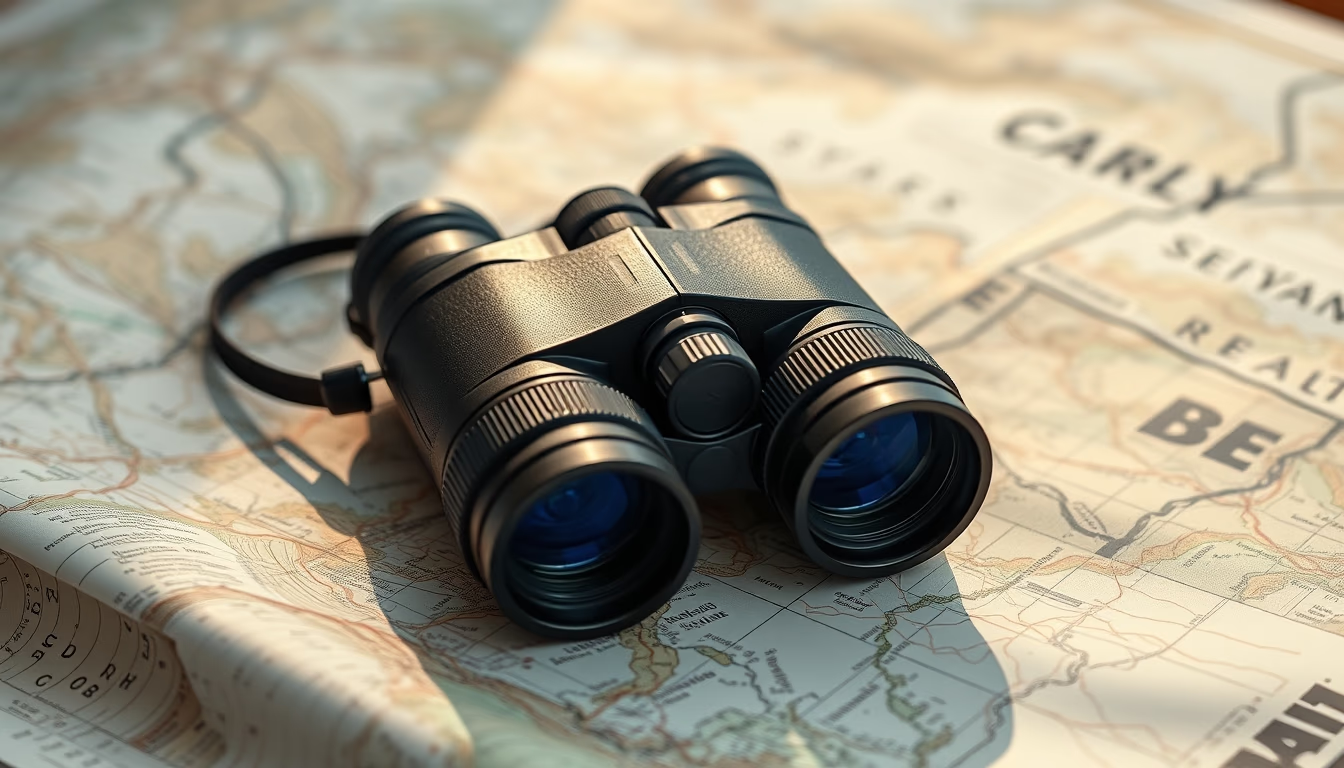
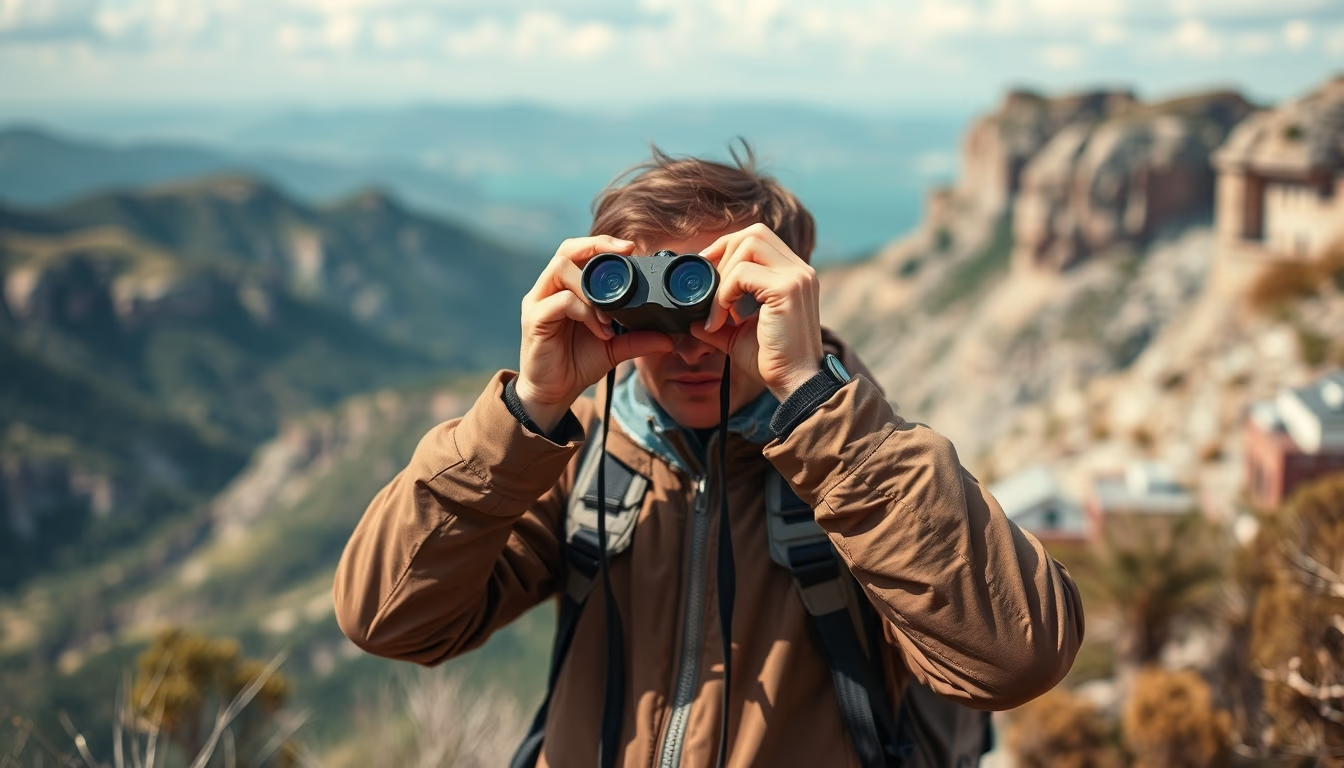
Binoculars and maps are essential tools for explorers, combining magnified vision and accurate navigation in outdoor adventures.
About this subject
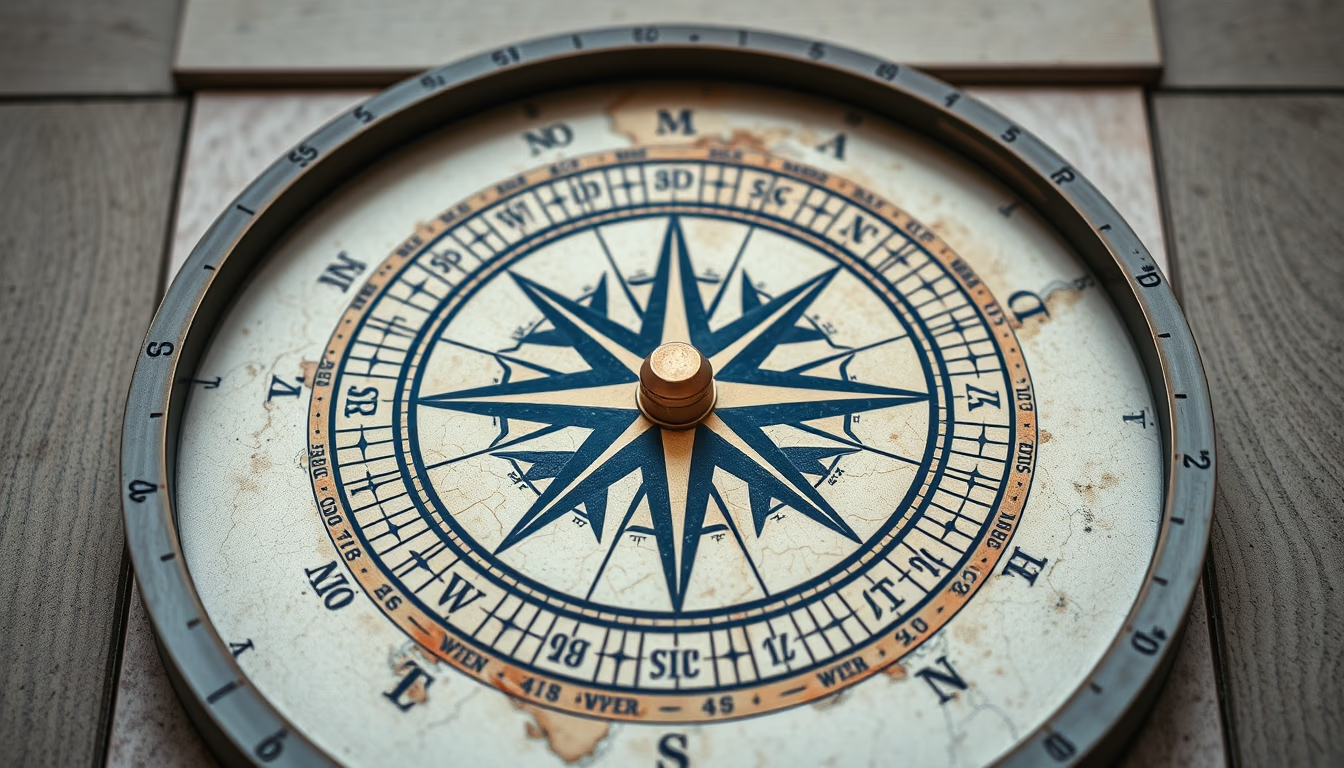
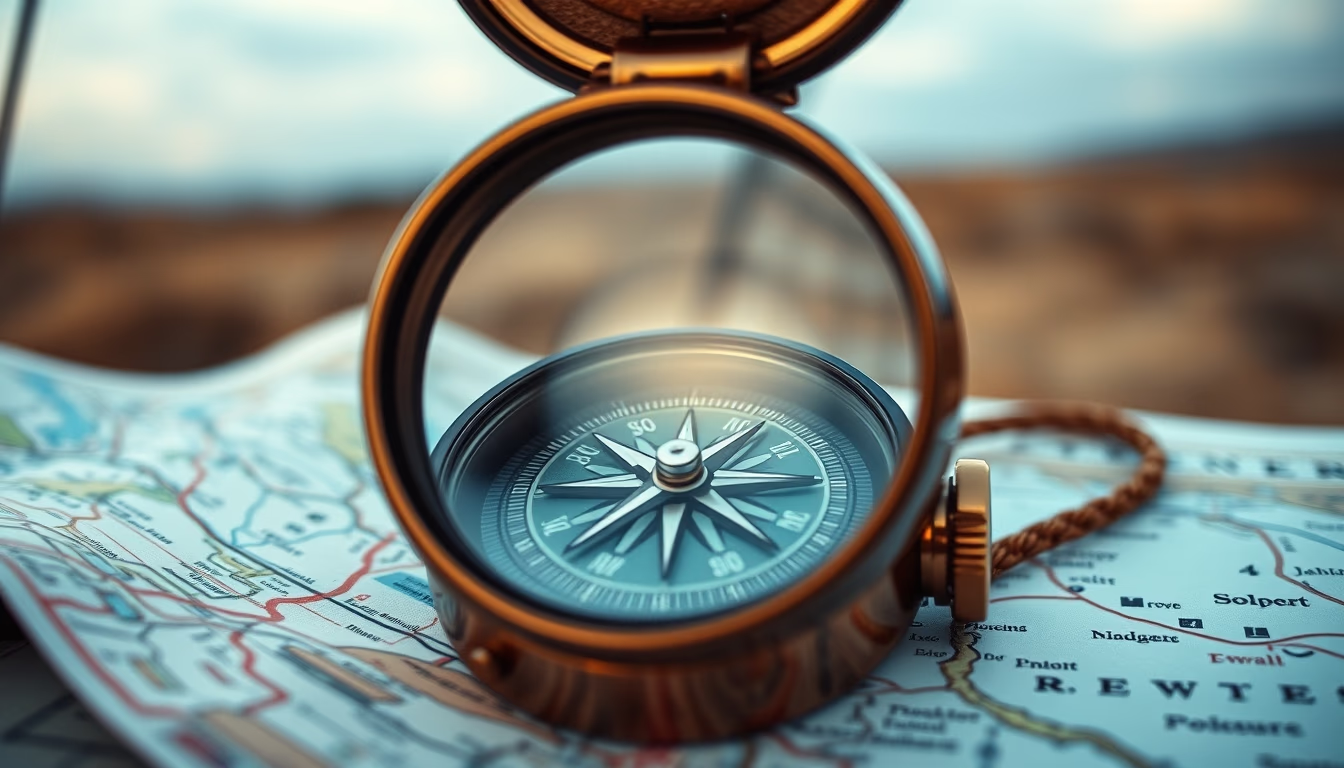
Binoculars and maps form a classic duo for adventurers, whether on forest trails, birdwatching, or mountaineering expeditions. Binoculars, invented in the 17th century, evolved from simple models to devices with multi-coated lenses, porro or roof prisms, and magnifications ranging from 8x to 12x for general use. Topographic maps, with contour lines and scales like 1:50,000, allow precise route planning, avoiding dangerous terrain and identifying landmarks.
The combination of these two tools is common in activities such as geocaching, wildlife photography, and adventure tourism. While the map provides a macro view of the terrain, binoculars offer micro details: a distant viewpoint, a valley stream, or the vegetation on a slope. In practice, the explorer consults the map to set direction and then uses binoculars to confirm visual landmarks, such as peaks or observation towers.
Historically, binoculars were crucial in major expeditions, such as those in the Himalayas and Antarctica, where long-distance vision was key to avoiding avalanches or finding safe routes. Today, compact, waterproof models are preferred by backpackers, and many include built-in compasses, further integrating navigation and observation functions.
For editorial use, an image of binoculars on a map often illustrates travel guides, outdoor magazines, or articles on orienteering techniques. The composition suggests preparation and discovery, elements that resonate with readers seeking inspiration for their own journeys.
Frequently Asked Questions
What is the best binocular magnification for hiking?
For hiking, 8x to 10x magnification is ideal: 8x offers a wider field of view and stability, while 10x provides more detail but requires steady hands. Common choices are 8x42 or 10x42 binoculars.
How to use a topographic map with binoculars?
Identify a landmark on the map (peak, river, tower). Use binoculars to locate it in the terrain and adjust your position. Cross-check with a compass to confirm direction.
Are binoculars with built-in compasses reliable?
Yes, but the compass can be affected by nearby metal objects. Use it as a guide, but always verify with a map and dedicated compass in critical terrain.
Direct URL
https://pub-c7d6a6ea828543ac903a74a341ccb2e1.r2.dev/imagens/binoculars-on-map-adventure-magazine-editorial-p3.avifHow to credit
Include a visible link back to UtilizAí. Copy one of the snippets below:
<a href="https://xn--utiliza-eza.com/en/midia/imagens/binoculars-on-map-adventure-magazine-editorial-p3">Binoculars on map adventure</a> by <a href="https://xn--utiliza-eza.com">UtilizAí</a>, licensed under <a href="https://creativecommons.org/licenses/by/4.0/">CC BY 4.0</a>.
[Binoculars on map adventure](https://xn--utiliza-eza.com/en/midia/imagens/binoculars-on-map-adventure-magazine-editorial-p3) by [UtilizAí](https://xn--utiliza-eza.com), CC BY 4.0
License: CC-BY-4.0