Basalt columnar formations
1344×768 · AVIF · CC BY 4.0

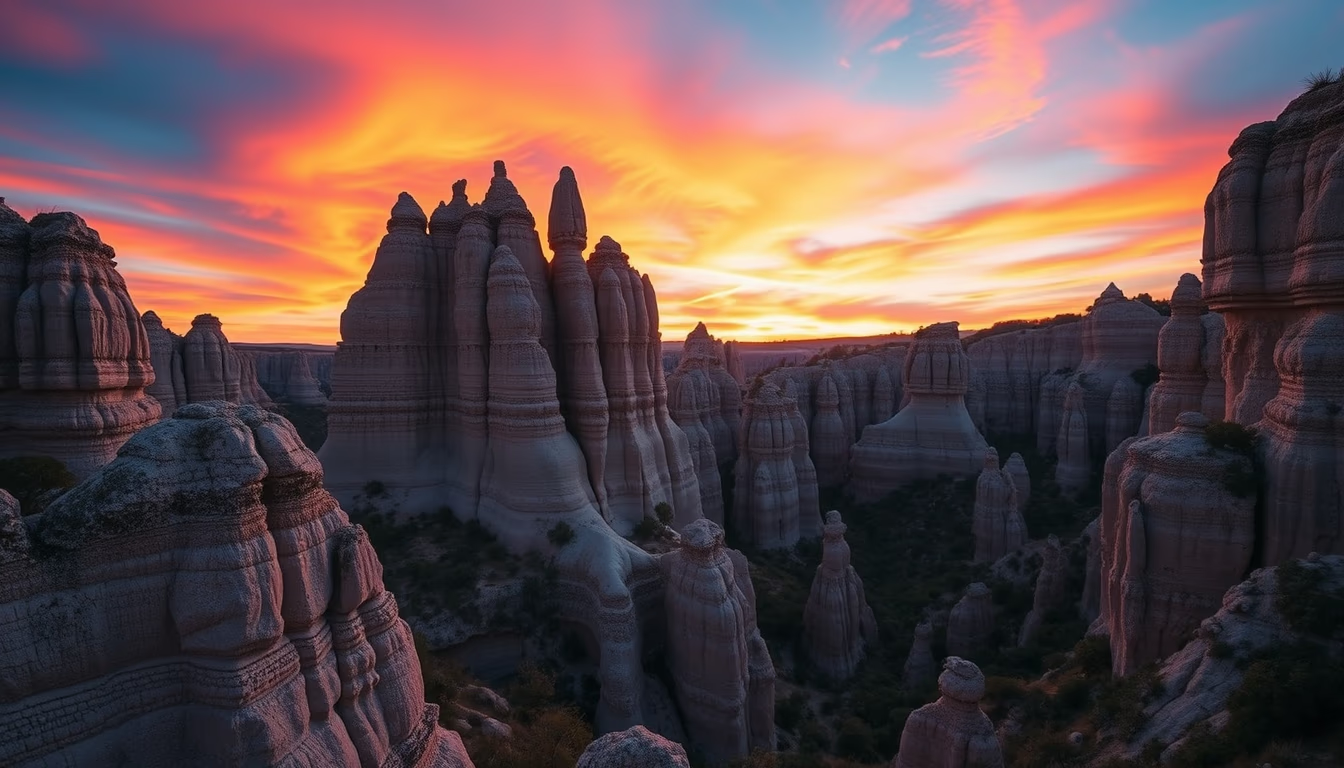
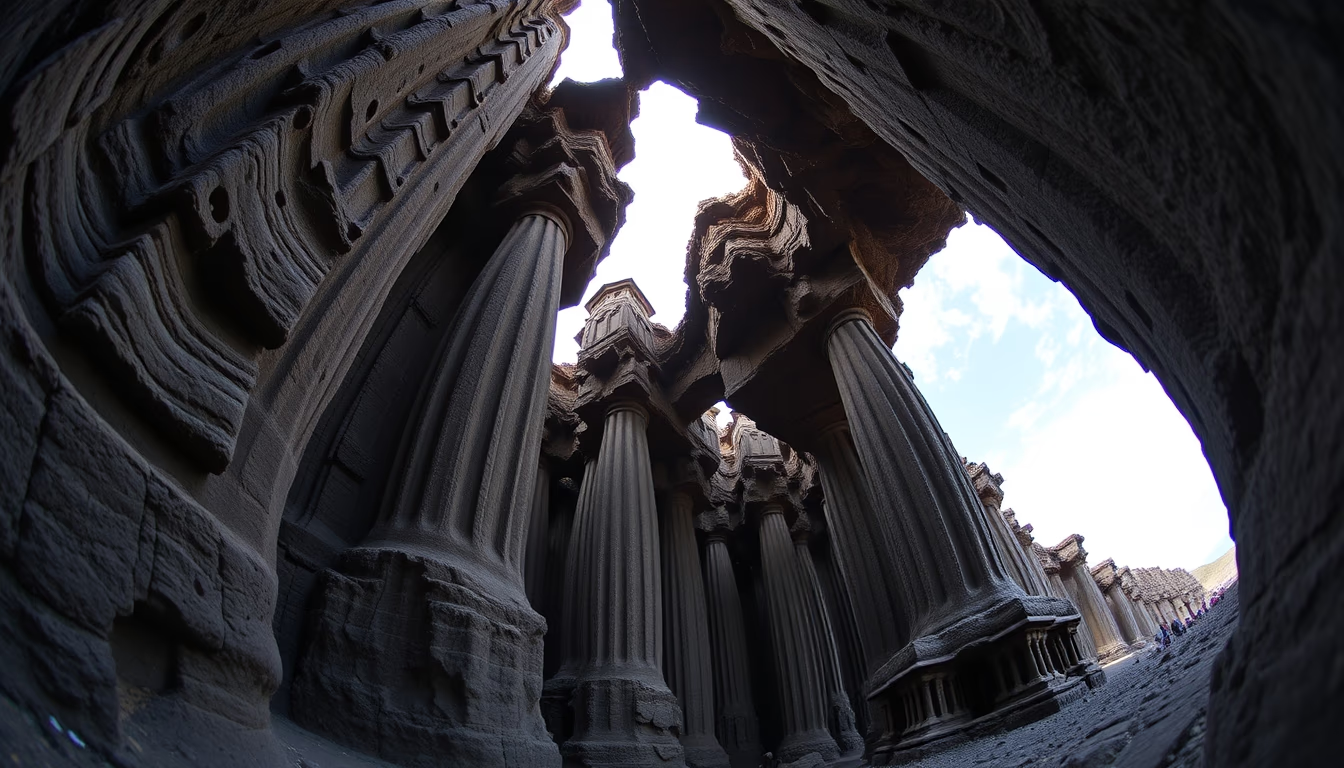
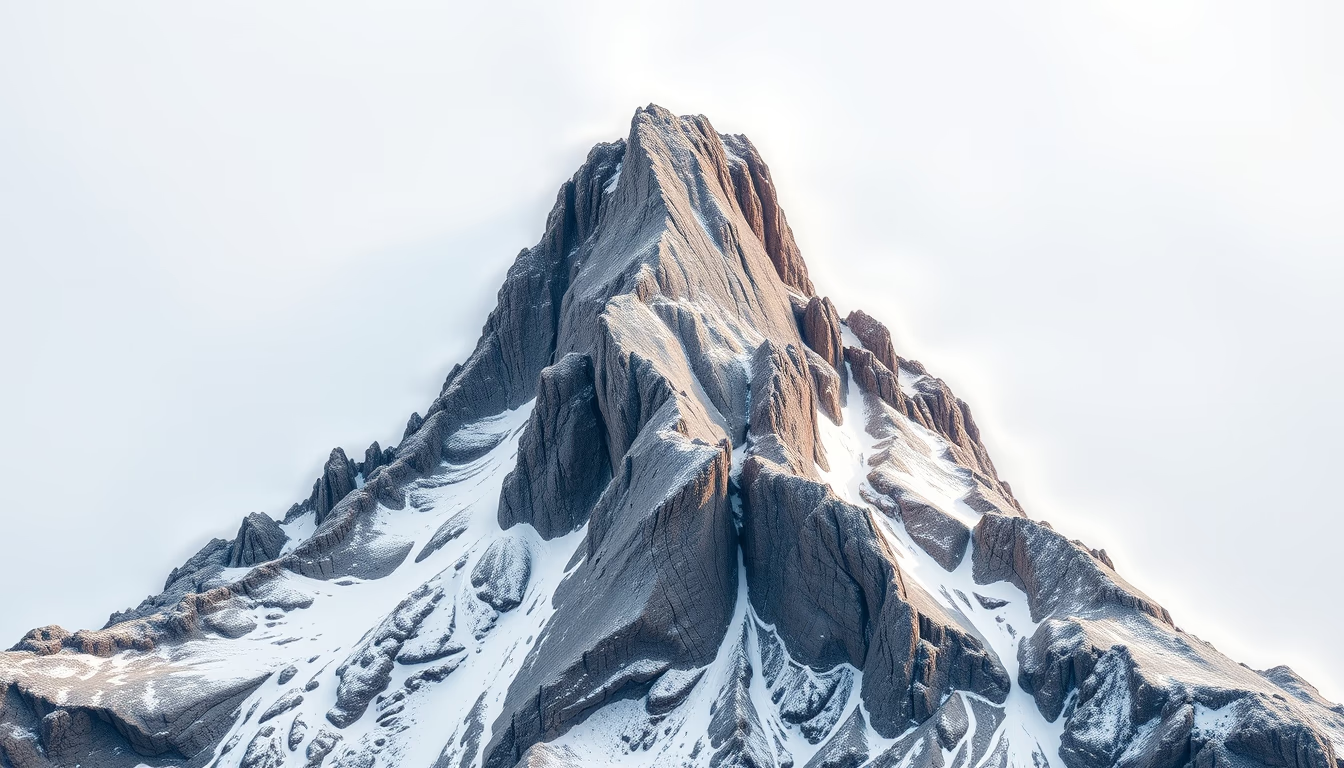
Basalt columnar formations are stunning geological features created by the slow cooling of basaltic lava, displaying unique hexagonal patterns.
About this subject
Basalt columnar formations are natural rock structures that form when basaltic lava cools and contracts, generating fractures that often result in polygonal shapes, especially hexagons. This process occurs in thick lava deposits, such as lava flows or volcanic dikes. Contraction during cooling creates stresses that propagate perpendicular to the cooling surface, giving rise to columns. Column diameters can range from a few centimeters to several meters, and lengths can reach tens of meters.
These formations are found in many locations worldwide, with the Giant's Causeway in Northern Ireland being one of the most famous. Other notable sites include Devils Postpile National Monument in California, Staffa Island in Scotland with Fingal's Cave, and the Yangtze River Gorge in China. In Brazil, occurrences exist in regions like Paraná and Santa Catarina, associated with the volcanism of the Paraná Basin, which generated extensive lava flows about 130 million years ago.
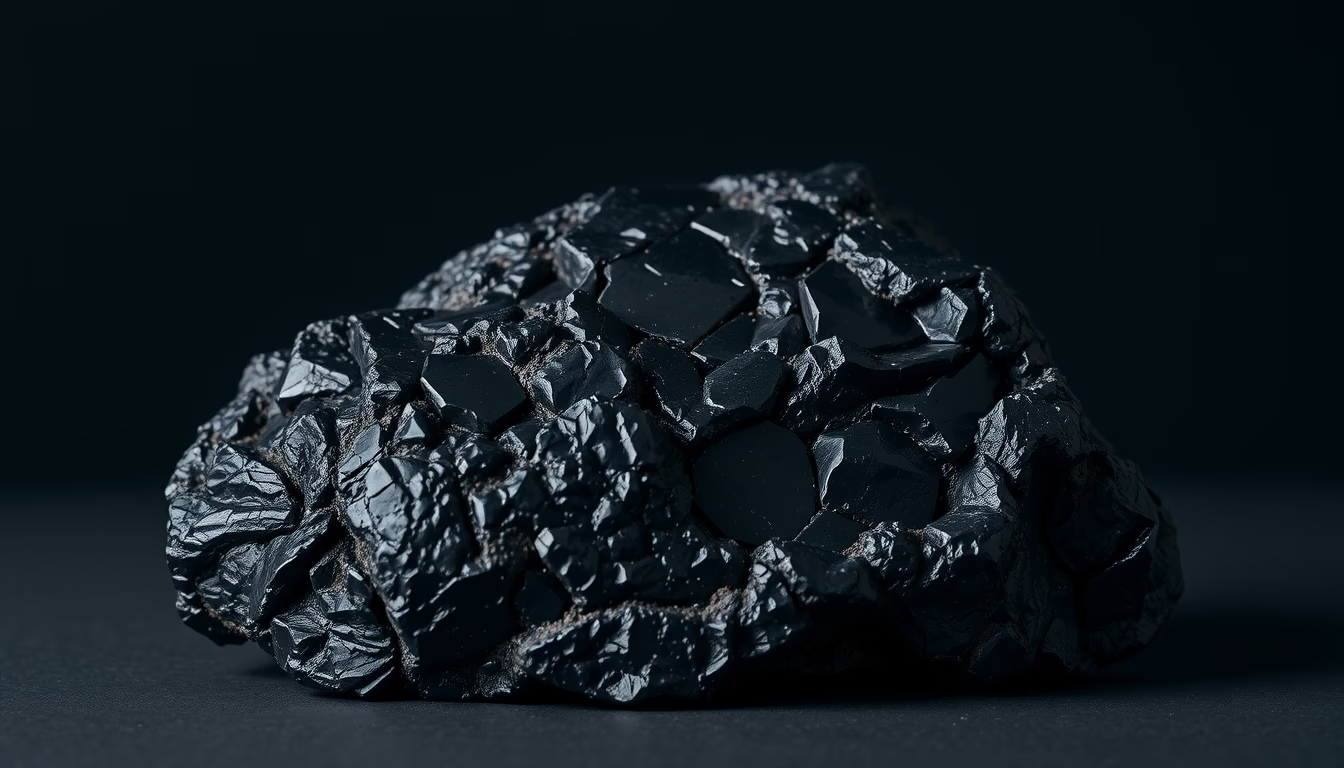
Beyond geological value, basalt columns have cultural and tourist significance. The Giant's Causeway is a UNESCO World Heritage site and inspires local legends, such as the tale of the giant Finn McCool. The natural symmetry of the columns also fascinates scientists and visitors, being the subject of studies on fracturing and cooling processes in igneous rocks. Macro photography of these formations reveals texture details and fracture patterns, highlighting the beauty of natural geometry.
Frequently Asked Questions
How do basalt columns form?
They form when basaltic lava cools slowly and contracts, creating fractures that usually result in hexagonal shapes. The process is similar to cracks forming in drying mud.
Where can I see basalt columns in Brazil?
In Brazil, occurrences are found in the states of Paraná and Santa Catarina, associated with lava flows from the Paraná Basin. Examples include the Guarapuava region and Vila Velha State Park.
Are basalt columns always hexagonal?
No, although hexagons are the most common, they can also be pentagonal, quadrangular, or other polygonal shapes. The geometry depends on cooling conditions and local stress.
Direct URL
https://pub-c7d6a6ea828543ac903a74a341ccb2e1.r2.dev/imagens/basalt-columnar-formations-macro-closeup-fresh5.avifHow to credit
Include a visible link back to UtilizAí. Copy one of the snippets below:
<a href="https://xn--utiliza-eza.com/en/midia/imagens/basalt-columnar-formations-macro-closeup-fresh5">Basalt columnar formations</a> by <a href="https://xn--utiliza-eza.com">UtilizAí</a>, licensed under <a href="https://creativecommons.org/licenses/by/4.0/">CC BY 4.0</a>.
[Basalt columnar formations](https://xn--utiliza-eza.com/en/midia/imagens/basalt-columnar-formations-macro-closeup-fresh5) by [UtilizAí](https://xn--utiliza-eza.com), CC BY 4.0
License: CC-BY-4.0