Basalt columnar formations
1344×768 · AVIF · CC BY 4.0
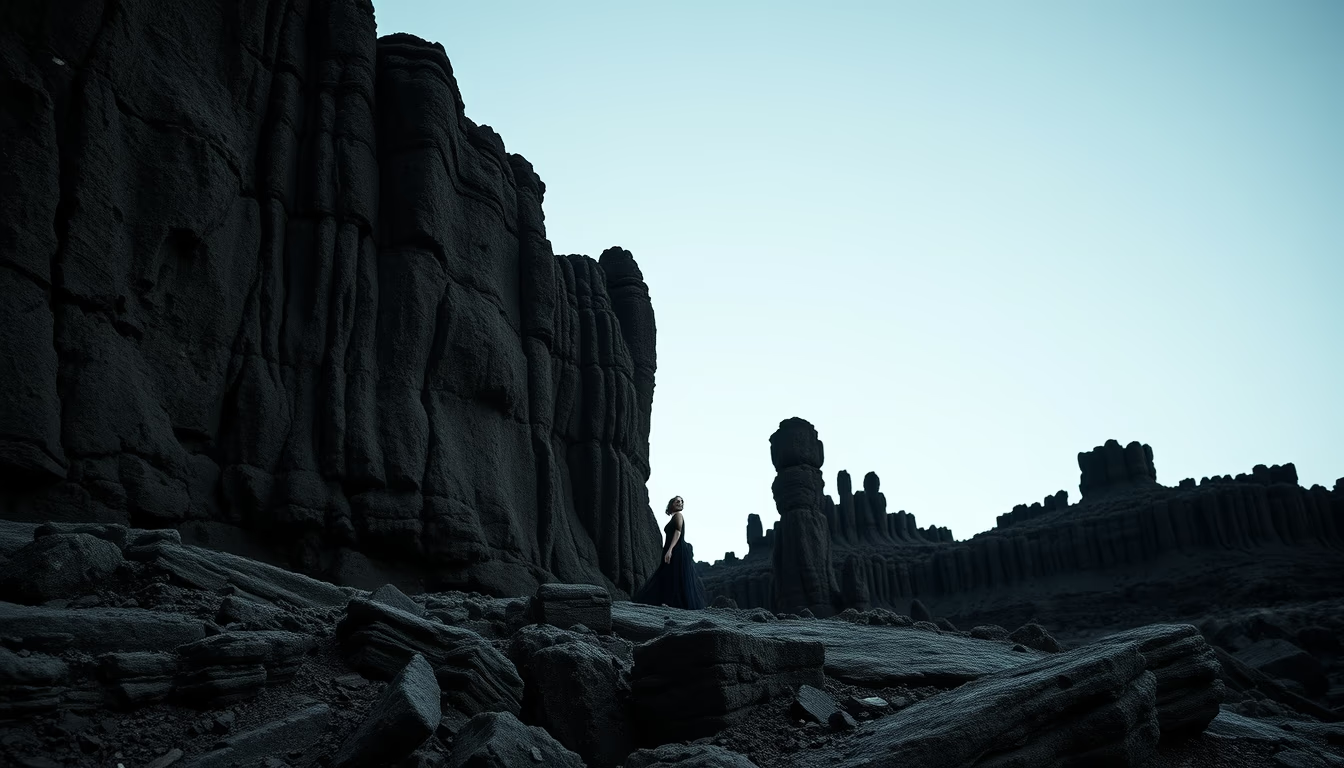
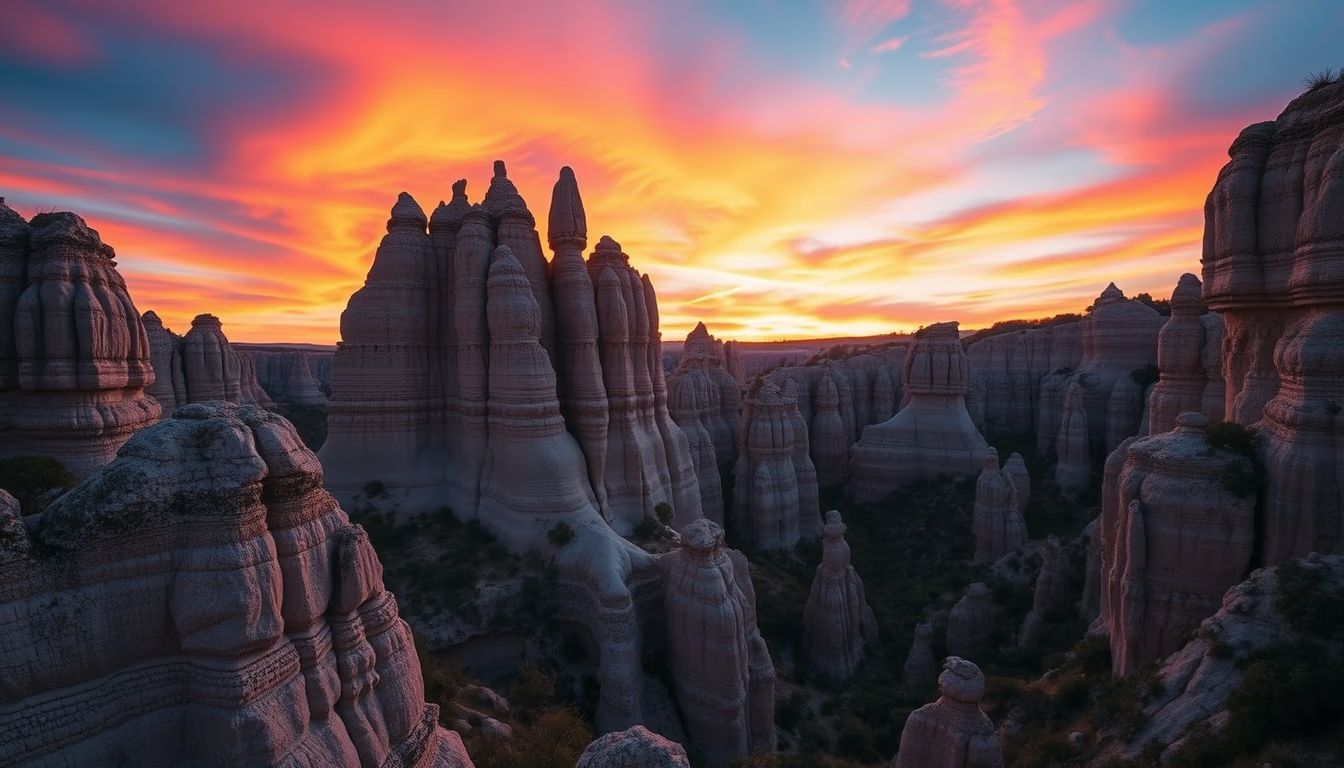
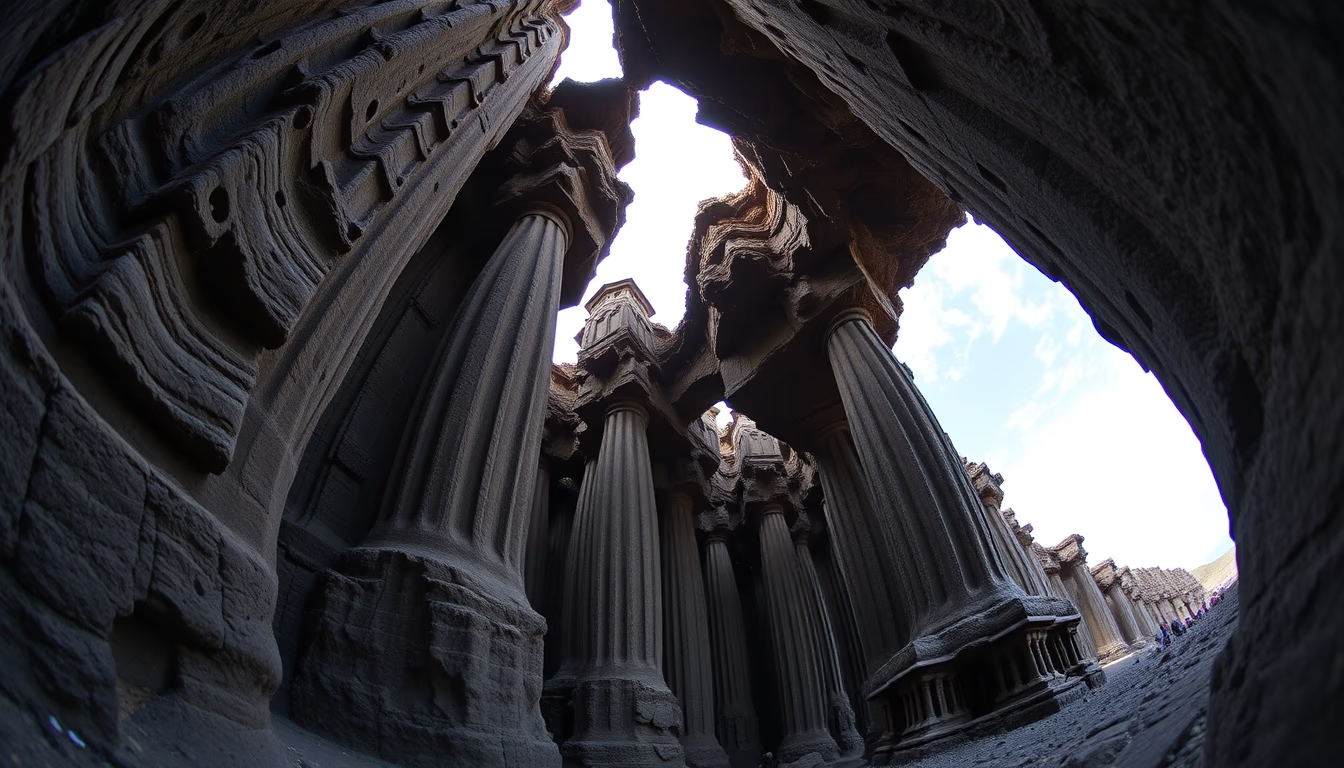
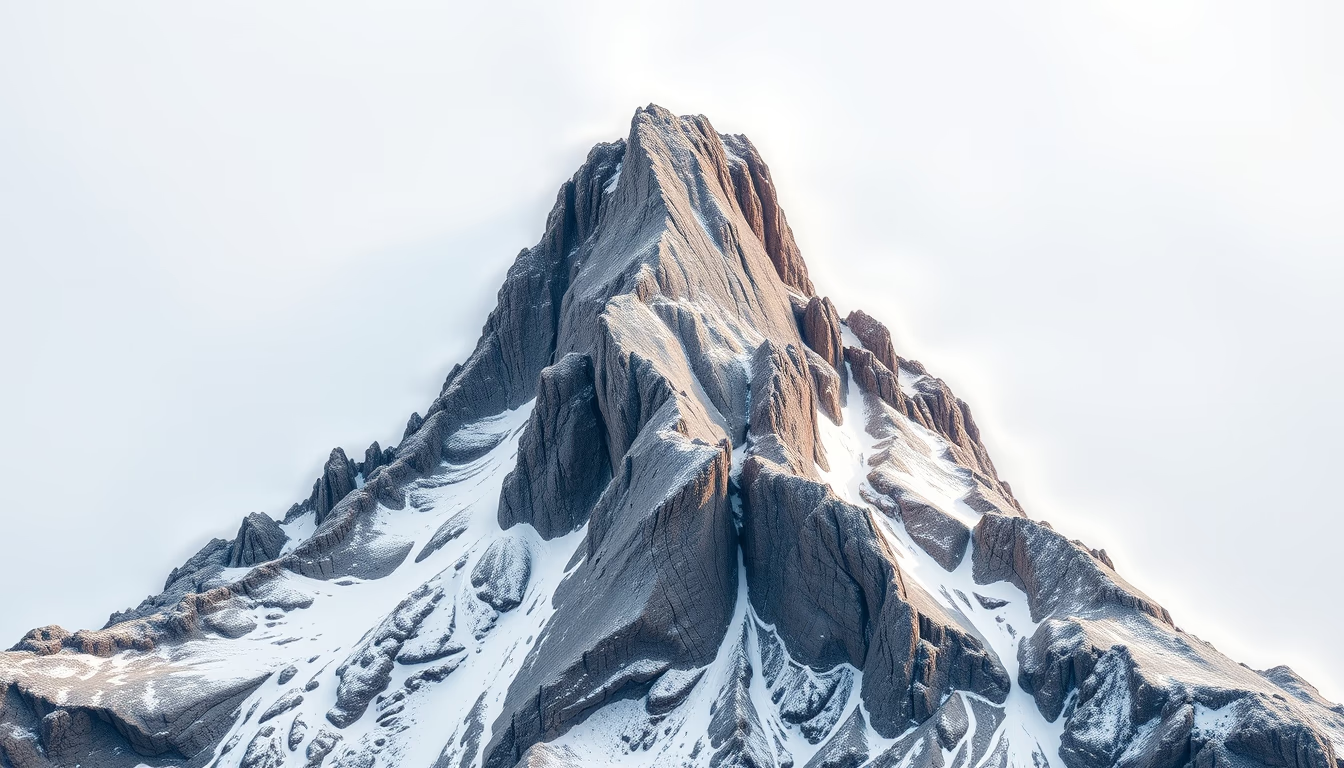
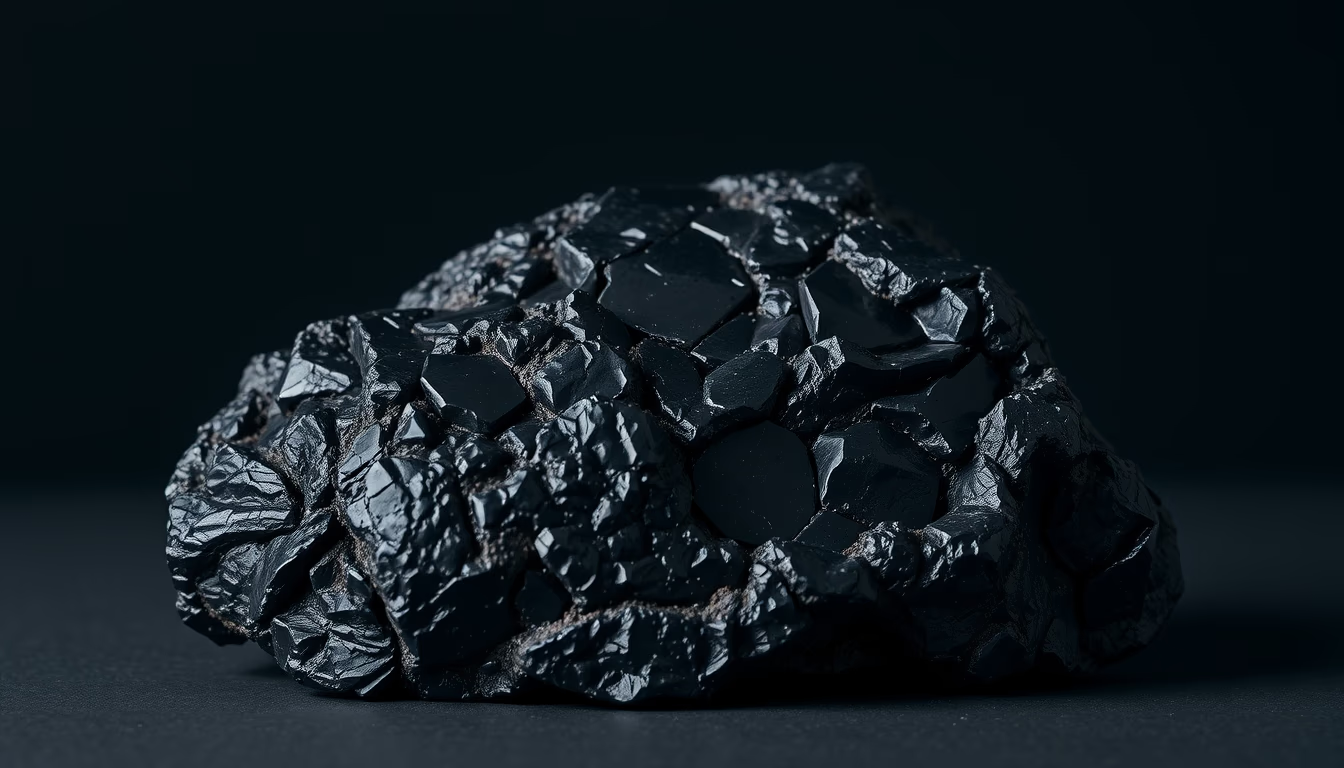
Basalt columnar formations occur when basaltic lava cools and contracts, creating striking hexagonal columns. Famous examples include Giant's Causeway in Ireland.
About this subject
Basalt columnar formations are a spectacular geological phenomenon resulting from the slow, uniform cooling and contraction of thick basaltic lava flows. This thermal contraction creates fractures that produce polygonal columns, primarily hexagonal, which can reach tens of meters in height. The most iconic example worldwide is Giant's Causeway in Northern Ireland, with about 40,000 columns formed 50 to 60 million years ago. Other notable sites include Devil's Tower in the United States, a volcanic monolith 386 meters high, and Fingal's Cave in Scotland, which inspired the overture of Mendelssohn's Hebrides piece.
In Brazil, these formations appear in several regions, especially the Serra Geral Formation, covering vast areas of the South and Southeast. Examples include the columnar basalt walls at Vila Velha State Park (Paraná), Itaimbezinho Canyon (Rio Grande do Sul), and near São Francisco de Paula. These structures are often associated with the volcanism of the Paraná Basin, one of the largest volcanic events on Earth, which occurred about 130 million years ago during the separation of South America from Africa.
Beyond scientific value, columnar basalt formations have strong cultural and touristic appeal. They are the backdrop for legends, such as the Irish tale that Giant's Causeway was built by a giant to cross the sea. They are also used in landscape architecture and as settings for audiovisual productions and fashion editorials, which exploit the dramatic textures and geometric patterns. The durability of columnar basalt makes it useful in construction, but preserving these natural monuments is crucial for geoconservation and sustainable tourism.
Frequently Asked Questions
How are basalt columns formed?
They form when basaltic lava cools slowly and contracts, creating fractures that produce columns, usually hexagonal, perpendicular to the cooling surface.
Where can I find columnar basalt formations in Brazil?
In Brazil, notable examples include the walls at Vila Velha State Park (Paraná), Itaimbezinho Canyon (Rio Grande do Sul), and near São Francisco de Paula, all within the Serra Geral Formation.
What is the most famous example of these formations in the world?
The most famous is Giant's Causeway in Northern Ireland, with about 40,000 basalt columns dating from the Paleocene.
Direct URL
https://pub-c7d6a6ea828543ac903a74a341ccb2e1.r2.dev/imagens/basalt-columnar-formations-high-fashion-editorial-fresh11.avifHow to credit
Include a visible link back to UtilizAí. Copy one of the snippets below:
<a href="https://xn--utiliza-eza.com/en/midia/imagens/basalt-columnar-formations-high-fashion-editorial-fresh11">Basalt columnar formations</a> by <a href="https://xn--utiliza-eza.com">UtilizAí</a>, licensed under <a href="https://creativecommons.org/licenses/by/4.0/">CC BY 4.0</a>.
[Basalt columnar formations](https://xn--utiliza-eza.com/en/midia/imagens/basalt-columnar-formations-high-fashion-editorial-fresh11) by [UtilizAí](https://xn--utiliza-eza.com), CC BY 4.0
License: CC-BY-4.0