Basalt columnar formations
1344×768 · AVIF · CC BY 4.0
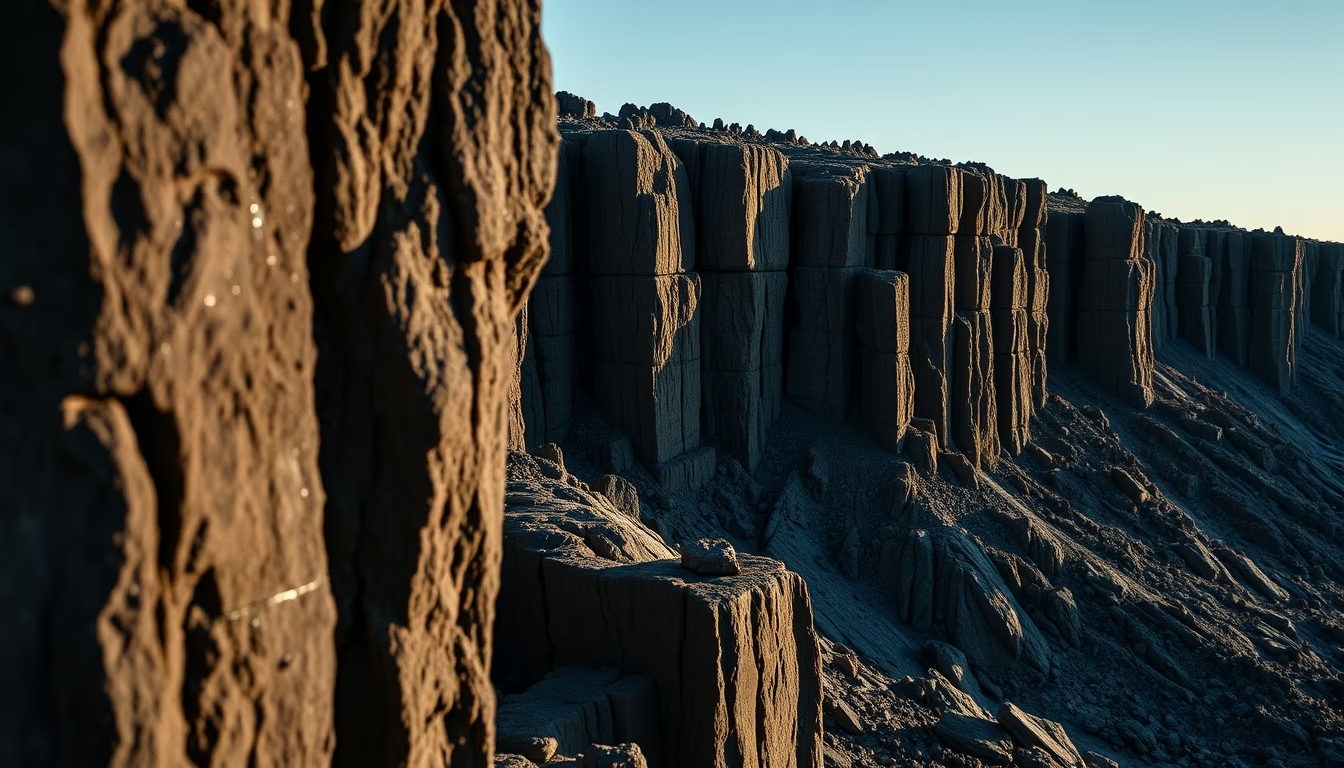
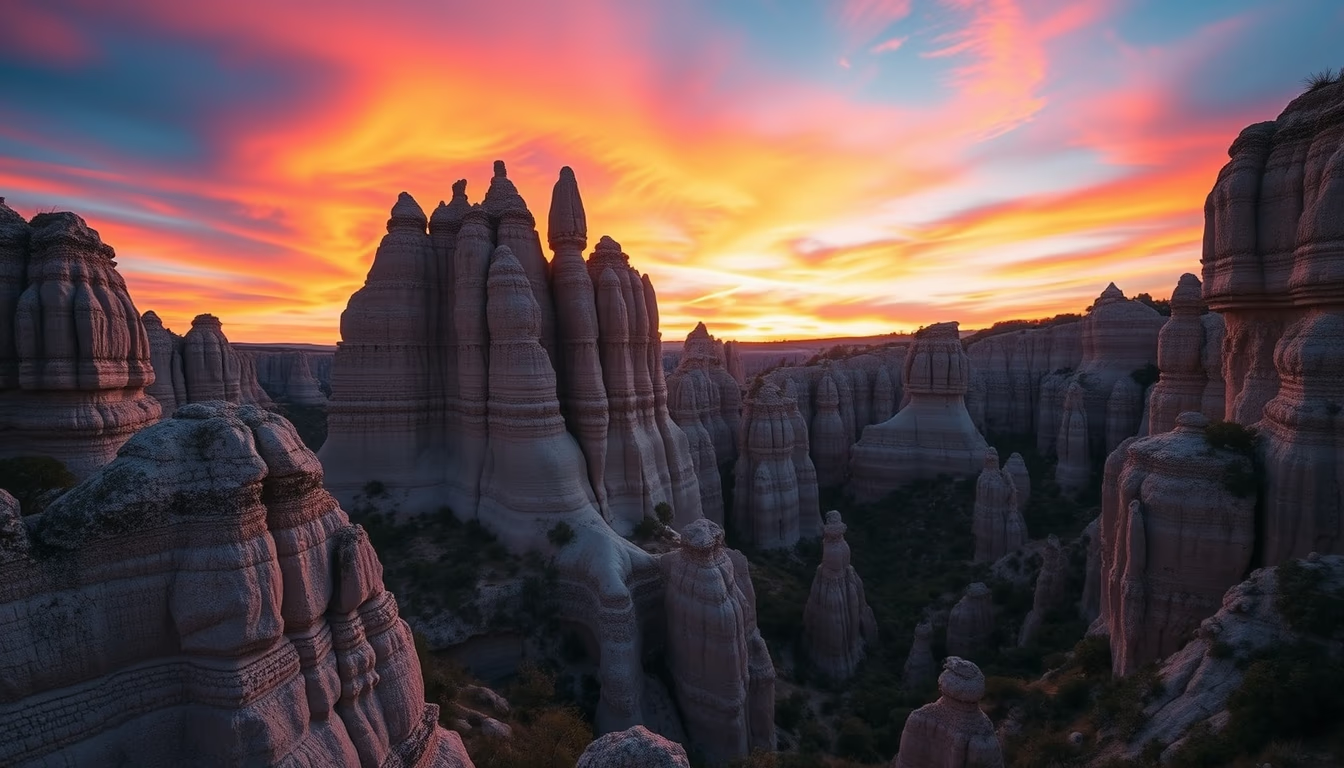
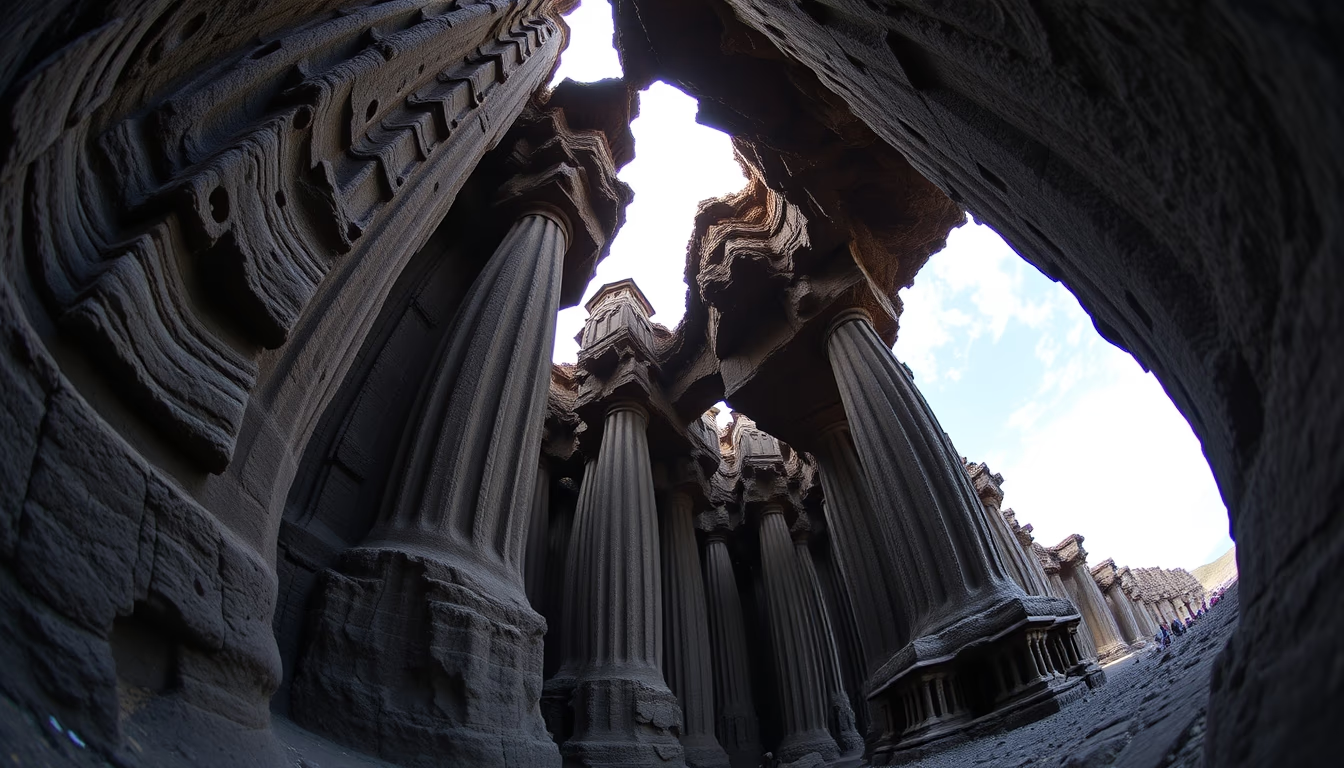
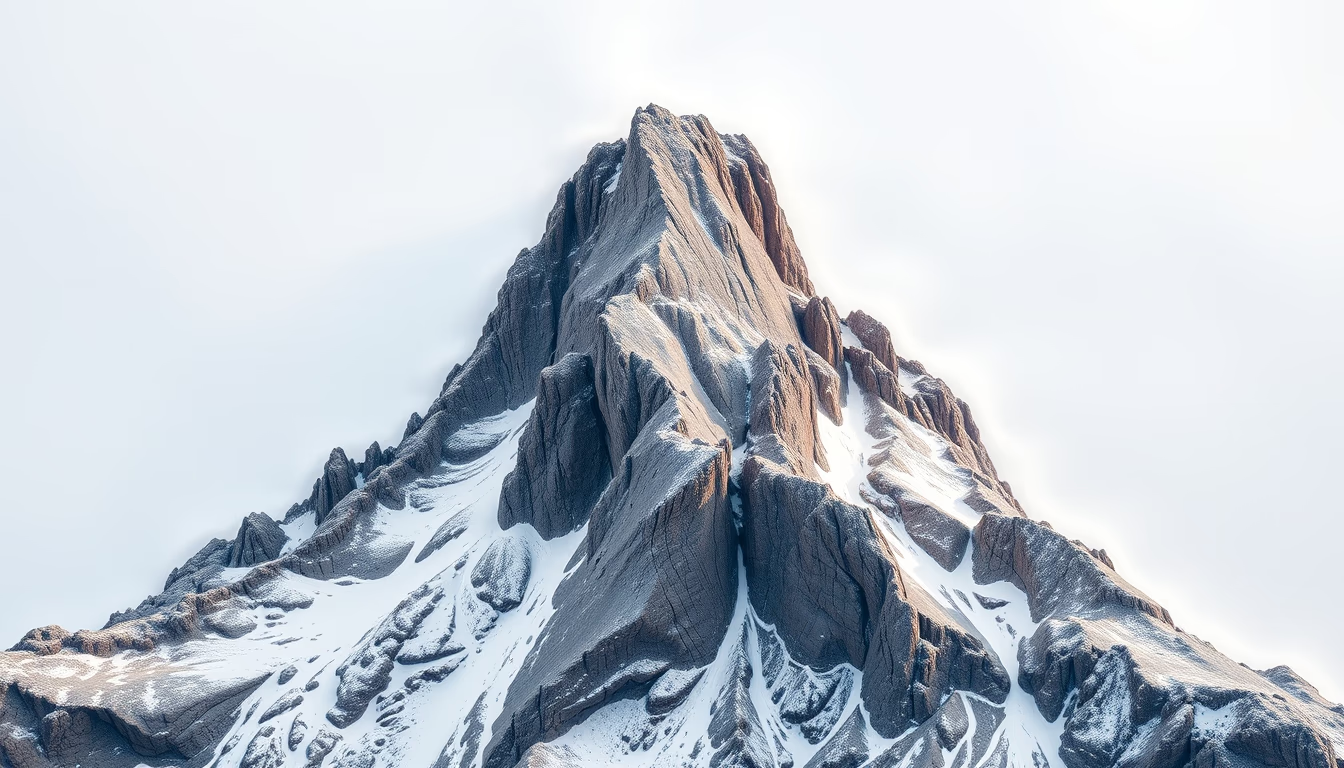
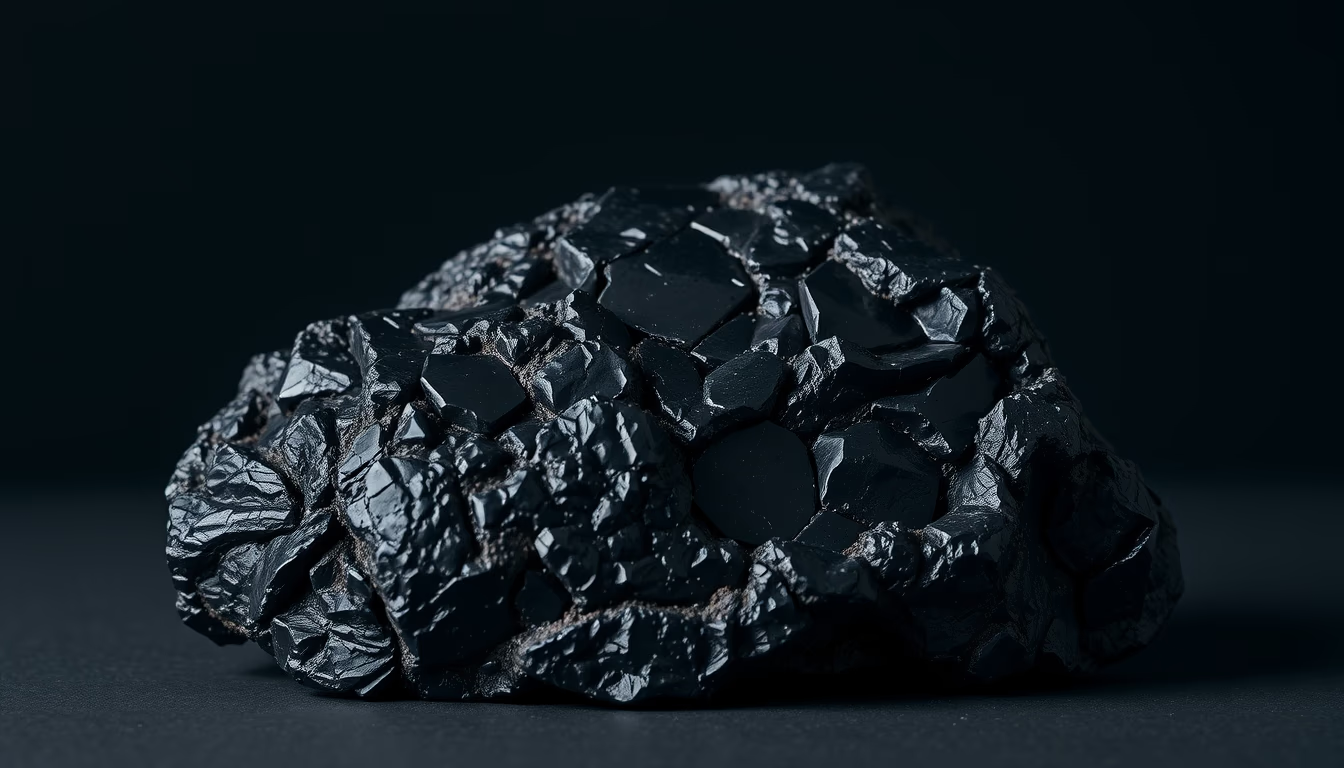
Basalt columnar formations are striking geological structures created by slow cooling of lava, with iconic examples in Ireland and Brazil.
About this subject
Basalt columnar formations result from the cooling and contraction of basaltic lava flows. When thick lava cools slowly, it contracts and fractures into polygons, usually hexagons, forming vertical columns. This process occurs in volcanic regions worldwide, such as the Giant's Causeway in Northern Ireland, a UNESCO World Heritage site, and the Iguazu Falls in Brazil, where basalt columns frame the landscape.
The height and diameter of columns vary depending on cooling rate and lava composition. Taller columns indicate more uniform cooling. In Brazil, the Paraná Basin hosts one of the largest basaltic provinces on Earth, with thicknesses up to 1,800 meters. These formations are often linked to aquifers and fertile soils, influencing regional agriculture.
Interestingly, basalt columns inspired local legends. In Ireland, the Giant's Causeway is attributed to a giant named Finn McCool. Scientifically, studies of these formations help understand Earth's volcanic history and planetary crust formation processes on other celestial bodies, such as Mars.
These structures also have practical uses: columnar basalts are quarried for construction, such as cobblestones and cladding. However, extraction must be careful to preserve geosites of scientific and touristic value.
Frequently Asked Questions
Where can I find basalt columnar formations in Brazil?
In Brazil, notable examples are at Iguazu Falls in Paraná, and in the Serra Geral region of Santa Catarina and Rio Grande do Sul. The Paraná Basin contains extensive basalt flows with columns exposed in canyons and escarpments.
Why do basalt columns have hexagonal shapes?
The hexagonal shape results from energy efficiency during cooling contraction. Fractures tend to form 120-degree angles, creating regular polygons, though pentagonal and heptagonal shapes also occur.
What is the difference between columnar basalt and other igneous rocks?
Columnar basalt is an extrusive volcanic rock formed by rapid cooling at the surface, while plutonic rocks like granite cool slowly underground. Columns are unique to thick basaltic lava flows.
Direct URL
https://pub-c7d6a6ea828543ac903a74a341ccb2e1.r2.dev/imagens/basalt-columnar-formations-fine-art-photography-fresh7.avifHow to credit
Include a visible link back to UtilizAí. Copy one of the snippets below:
<a href="https://xn--utiliza-eza.com/en/midia/imagens/basalt-columnar-formations-fine-art-photography-fresh7">Basalt columnar formations</a> by <a href="https://xn--utiliza-eza.com">UtilizAí</a>, licensed under <a href="https://creativecommons.org/licenses/by/4.0/">CC BY 4.0</a>.
[Basalt columnar formations](https://xn--utiliza-eza.com/en/midia/imagens/basalt-columnar-formations-fine-art-photography-fresh7) by [UtilizAí](https://xn--utiliza-eza.com), CC BY 4.0
License: CC-BY-4.0