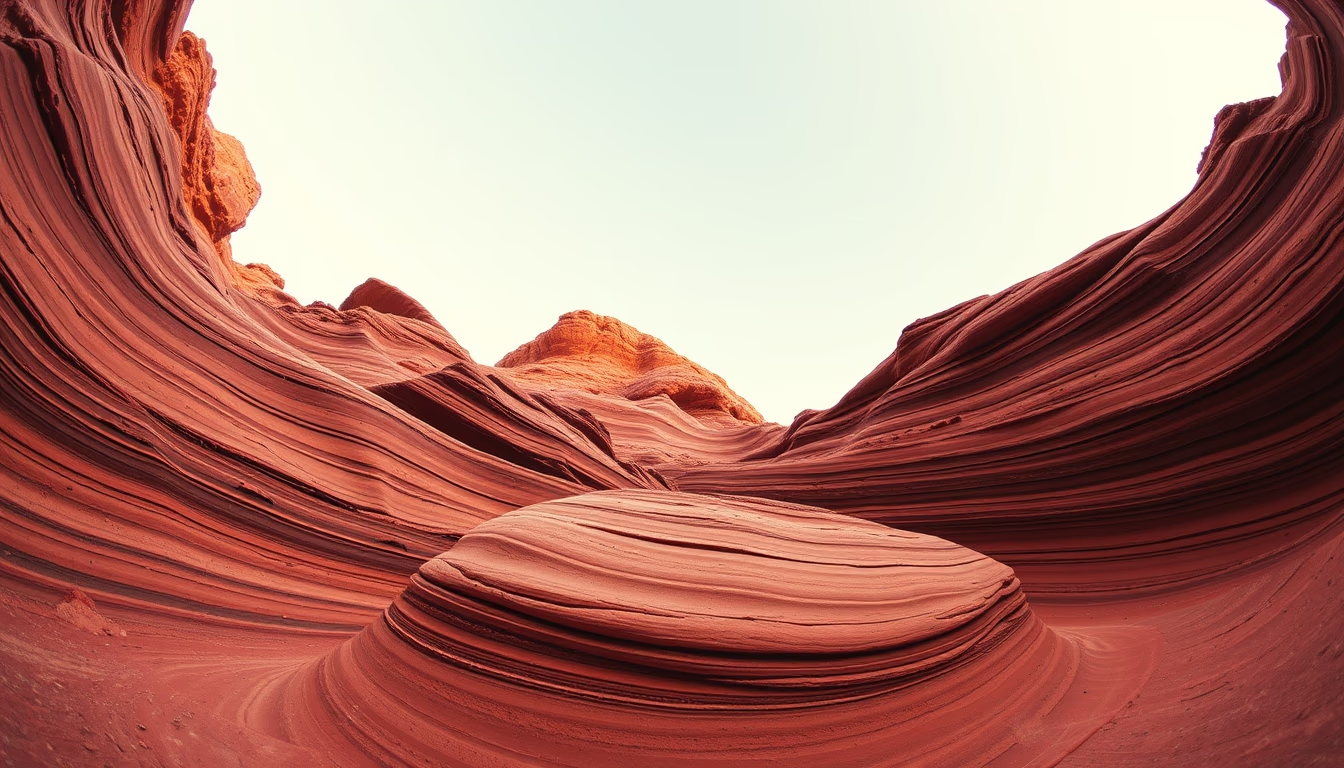
Basalt columnar formations
1344×768 · AVIF · CC BY 4.0
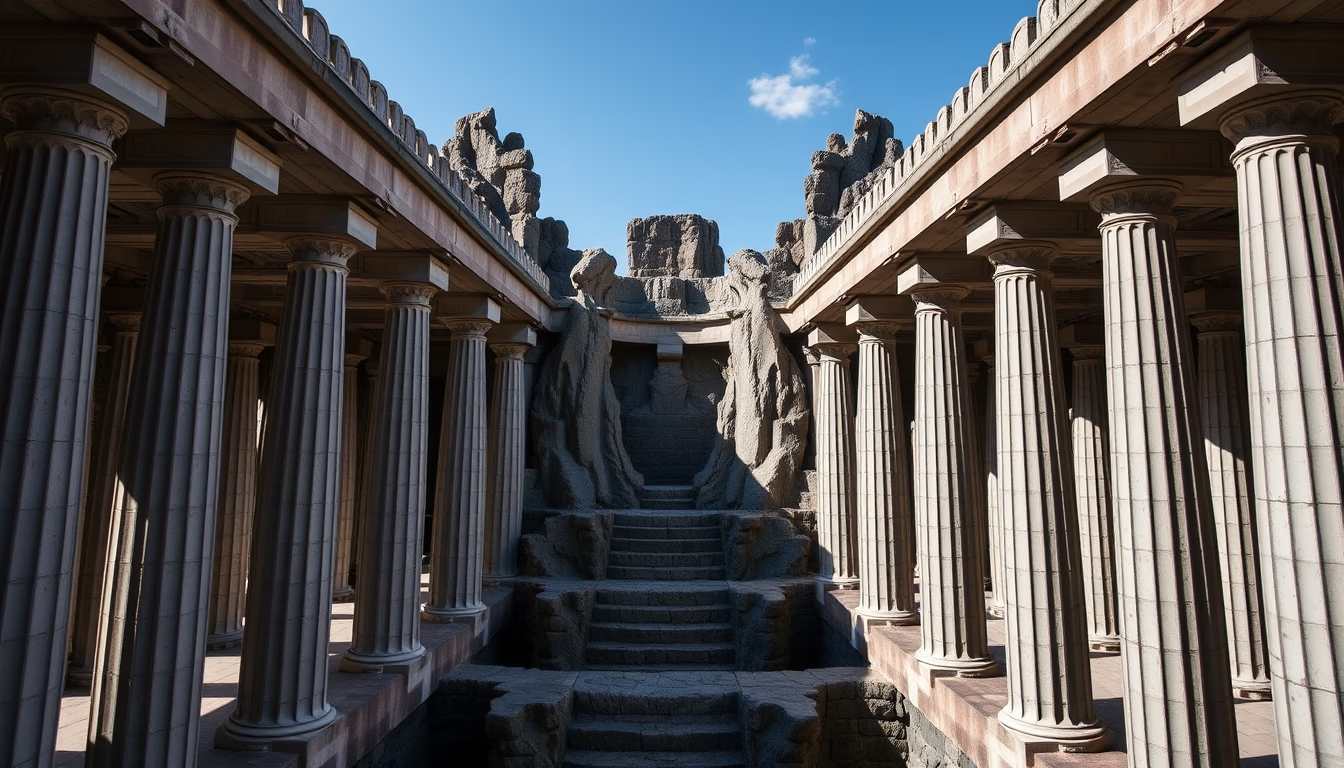
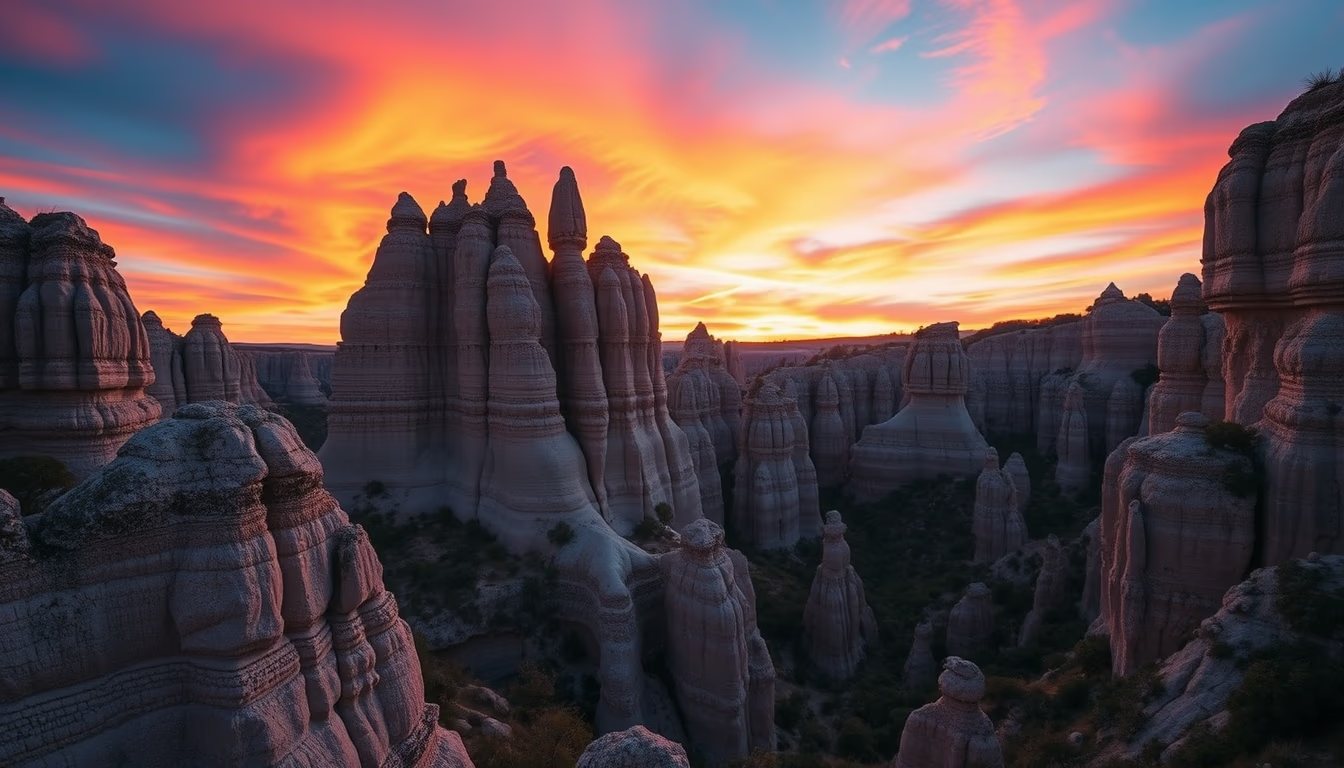
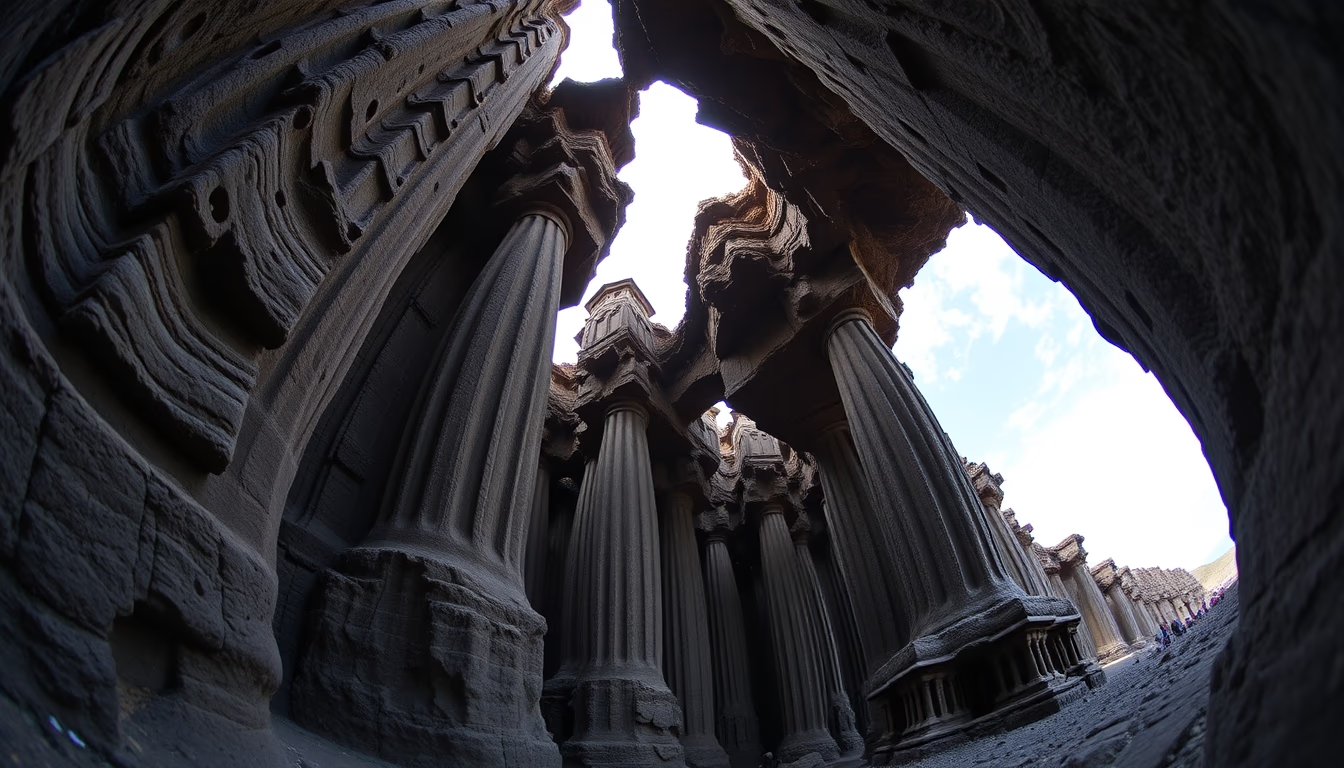
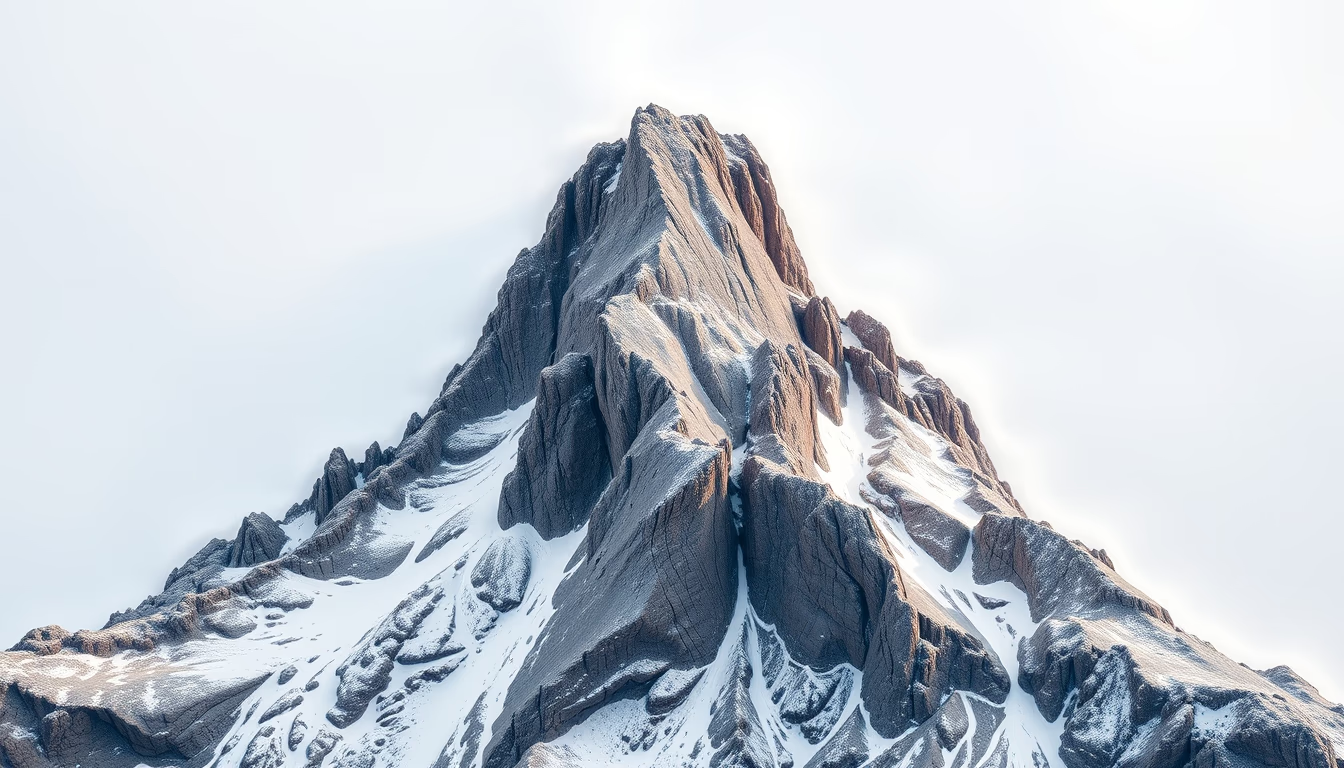
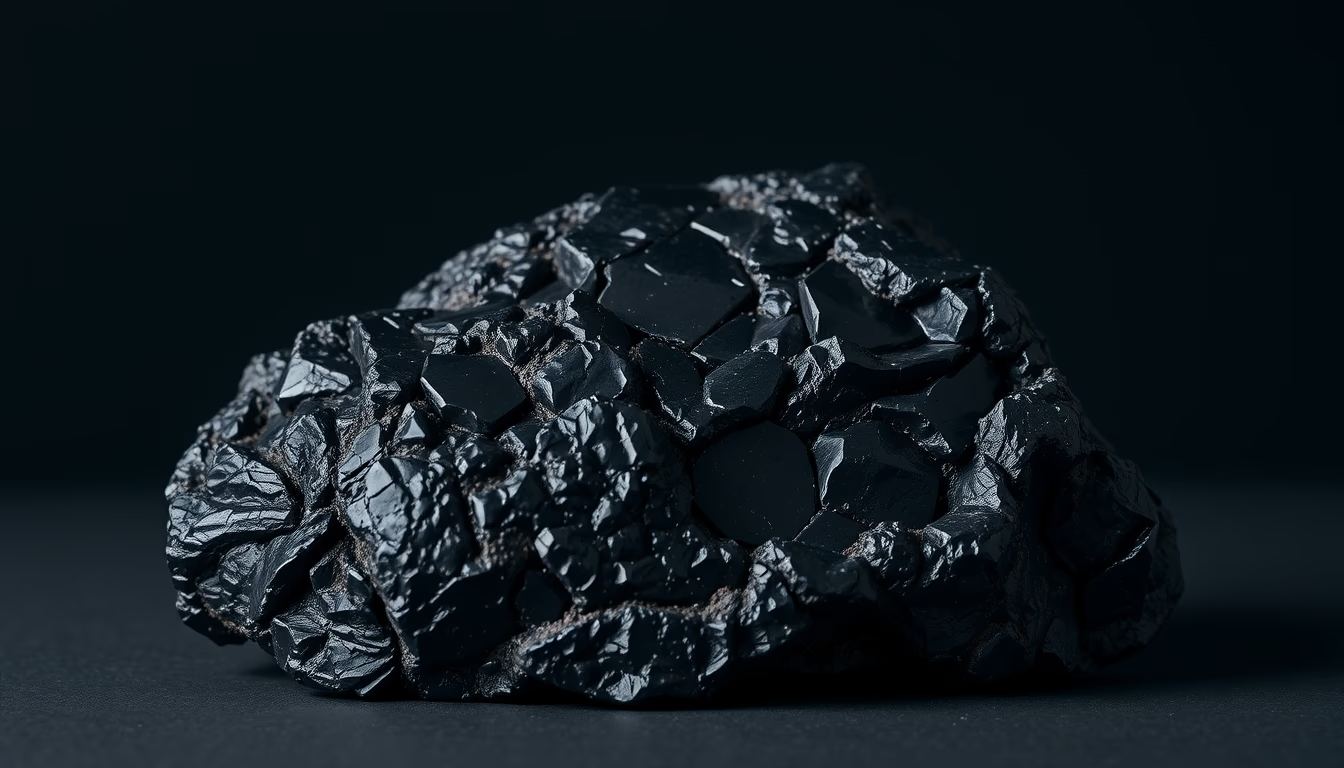
Basalt columnar formations are striking geological structures created by slow cooling of lava, producing hexagonal columns like those at Giant's Causeway.
About this subject
Basalt columnar formations result from the slow cooling of thick basaltic lava, which contracts and fractures into mostly hexagonal columns. This process, known as columnar jointing, occurs in lava flows worldwide. The cooling rate influences column size: slower cooling creates wider columns, while faster cooling yields narrower ones. The natural pattern resembles honeycombs or stone pillars.
Iconic locations showcase these formations. Giant's Causeway in Northern Ireland features about 40,000 columns extending into the sea, with a legend attributing them to the giant Finn McCool. Another famous site is Fingal's Cave on the Scottish island of Staffa, which inspired Mendelssohn's Hebrides Overture. In the United States, Devils Tower National Monument is a massive rock rising 386 meters with vertical basalt columns. Iceland's Lake Mývatn and Vik beach boast impressive examples. In Brazil, columnar basalts appear in the Paraná Basin lava flows, particularly in Santa Catarina and Rio Grande do Sul, though less promoted for tourism.
These columns are not only geological attractions; they are also used as ornamental stone in architecture, paving, and decoration. Photographers and climbers appreciate the natural symmetry and climbing challenges they offer. Furthermore, the formations provide clues about the region's volcanic history and help scientists understand magma cooling patterns.
Frequently Asked Questions
How are basalt columns formed?
They form through the slow cooling and contraction of thick basaltic lava. As the lava cools, it shrinks and cracks, creating contraction joints that produce mostly hexagonal columns.
Where are the most famous basalt columnar formations in the world?
The most well-known include Giant's Causeway (Northern Ireland), Fingal's Cave (Scotland), Devils Tower (USA), Lake Mývatn (Iceland), and Jeju Island (South Korea). In Brazil, they can be found in Santa Catarina and Rio Grande do Sul.
What is the maximum height these columns can reach?
Columns can range from a few centimeters to tens of meters. At Devils Tower, individual columns reach up to 80 meters in vertical length.
Direct URL
https://pub-c7d6a6ea828543ac903a74a341ccb2e1.r2.dev/imagens/basalt-columnar-formations-architectural-photography-fresh12.avifHow to credit
Include a visible link back to UtilizAí. Copy one of the snippets below:
<a href="https://xn--utiliza-eza.com/en/midia/imagens/basalt-columnar-formations-architectural-photography-fresh12">Basalt columnar formations</a> by <a href="https://xn--utiliza-eza.com">UtilizAí</a>, licensed under <a href="https://creativecommons.org/licenses/by/4.0/">CC BY 4.0</a>.
[Basalt columnar formations](https://xn--utiliza-eza.com/en/midia/imagens/basalt-columnar-formations-architectural-photography-fresh12) by [UtilizAí](https://xn--utiliza-eza.com), CC BY 4.0
License: CC-BY-4.0