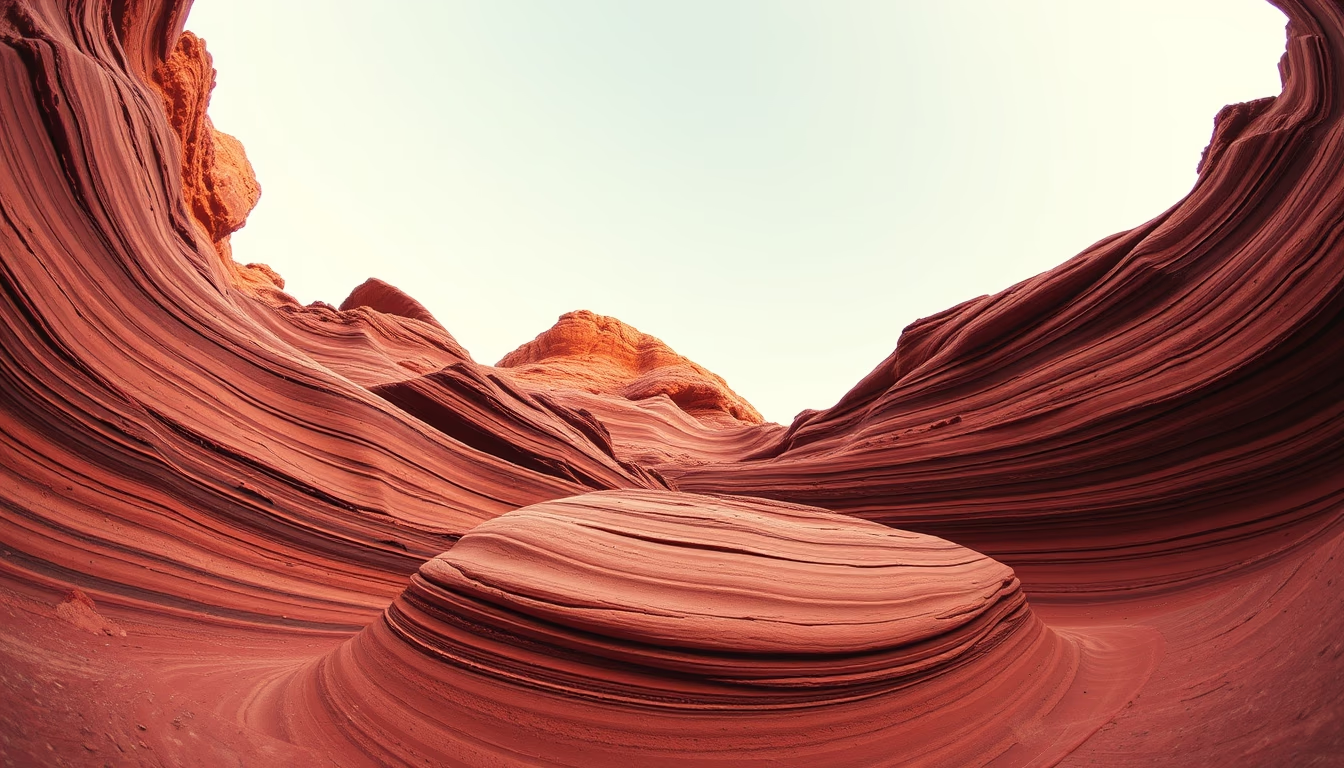
Basalt columnar formations
1344×768 · AVIF · CC BY 4.0
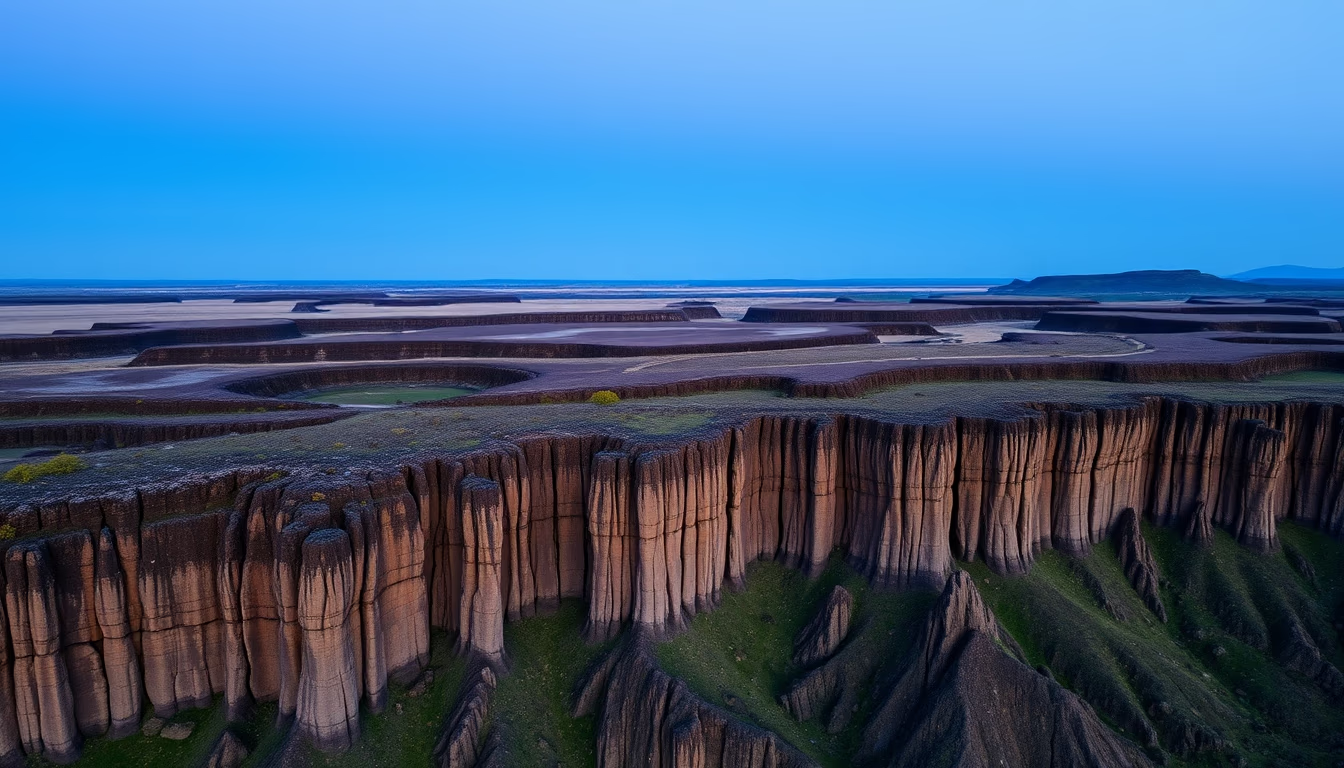
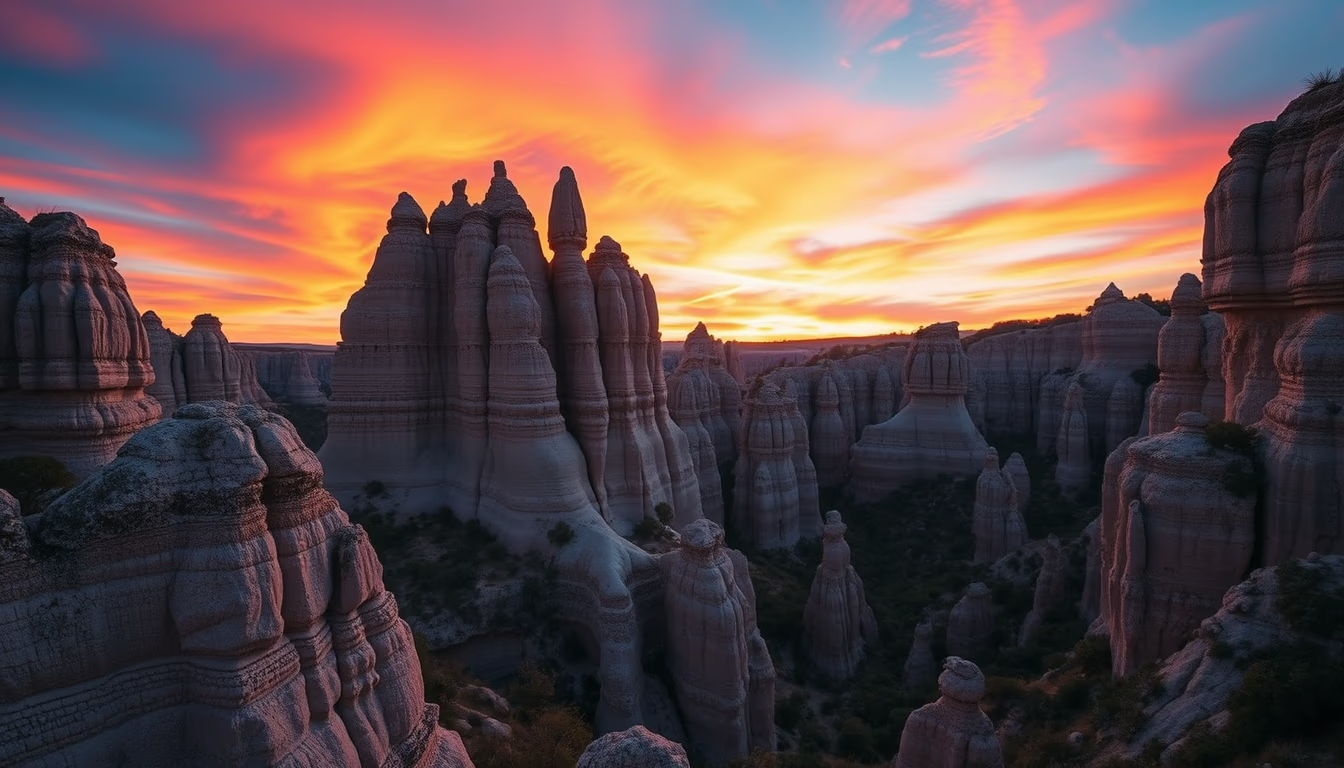
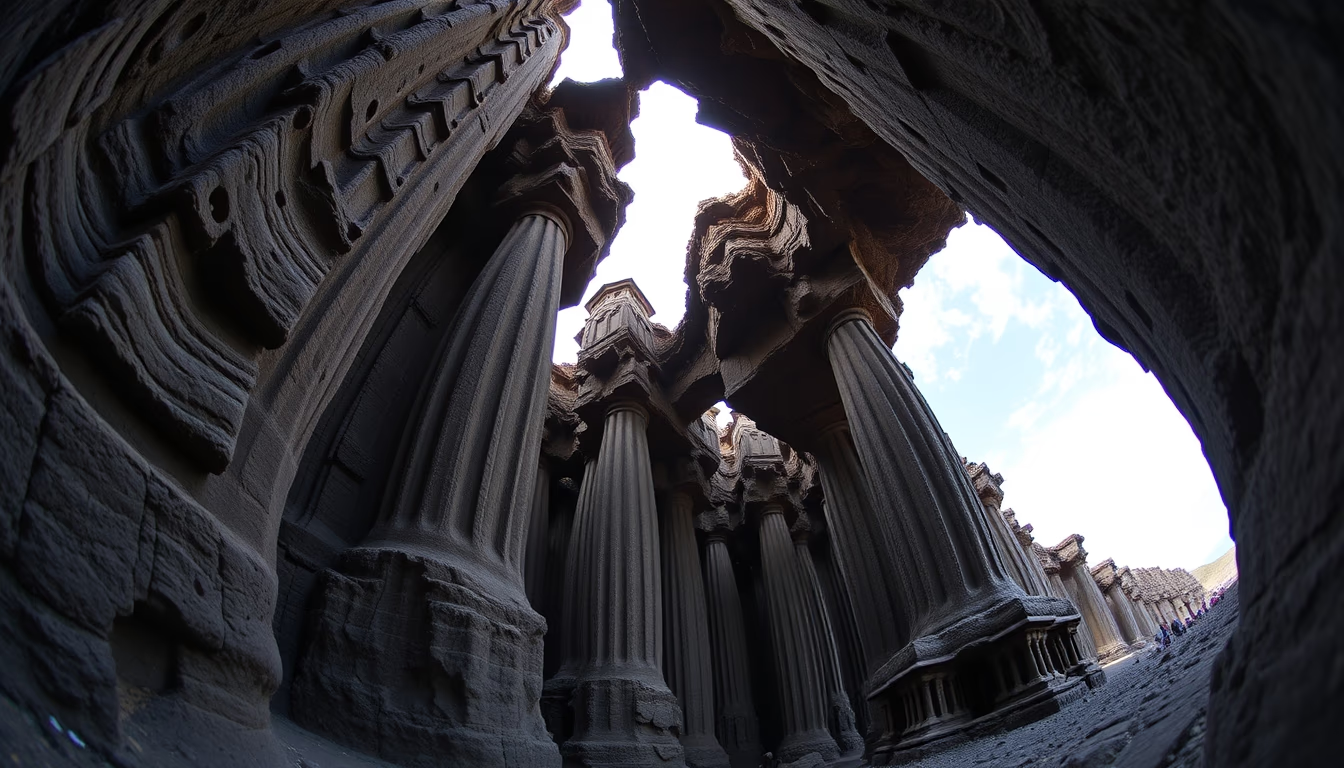
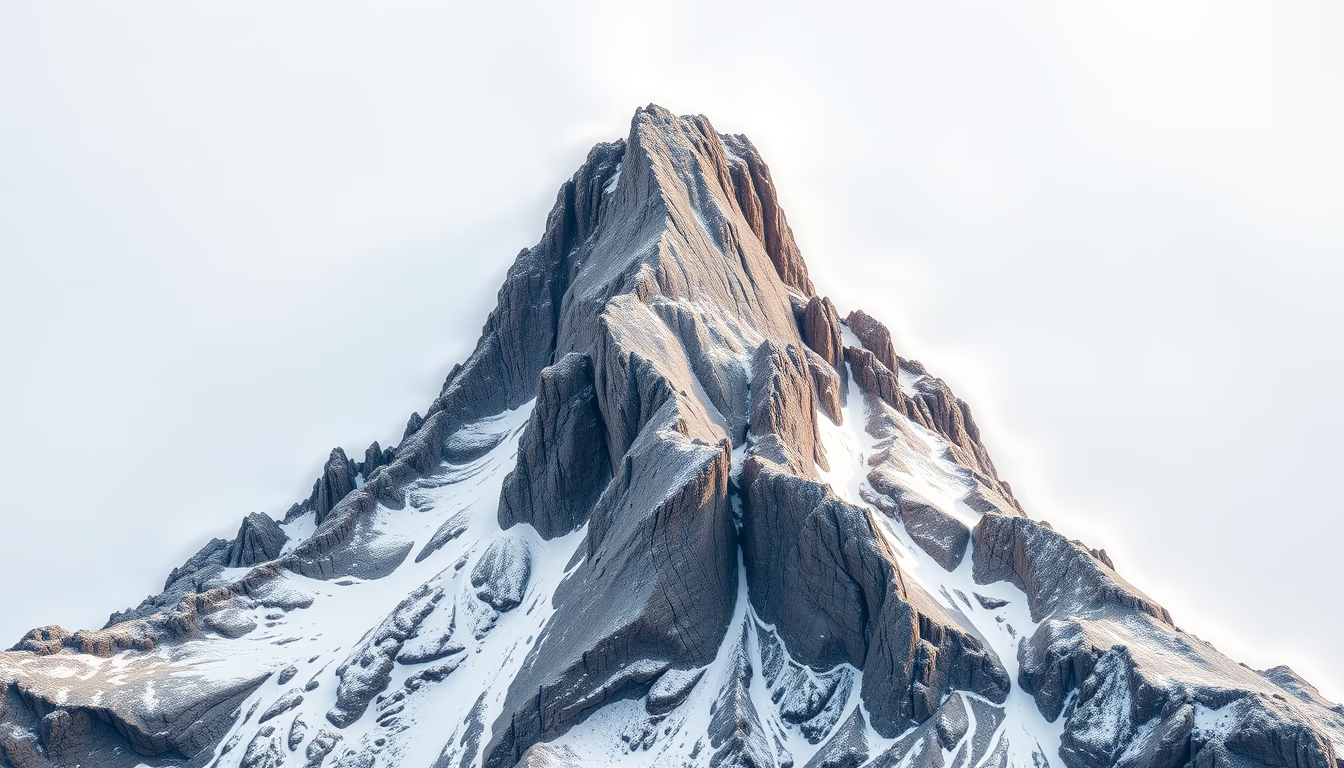
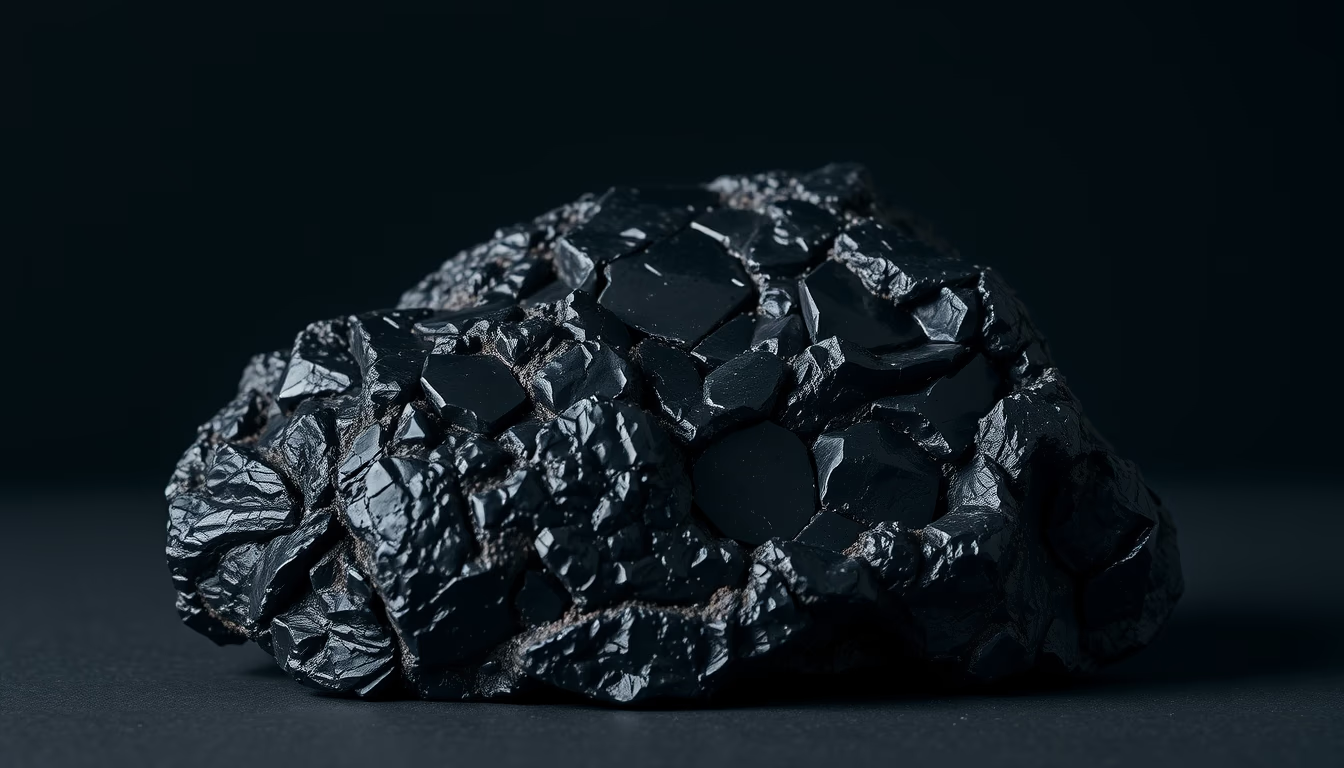
Basalt columnar formations are striking geological structures, formed by the slow cooling of lava, creating unique hexagonal patterns.
About this subject
Basalt columnar formations are rock structures resulting from the cooling and contraction of basaltic lava flows. As lava cools, it contracts and fractures into polygonal shapes, predominantly hexagonal, but also pentagonal or heptagonal. This phenomenon, known as columnar jointing, occurs in various parts of the world, with notable examples including the Giant's Causeway in Northern Ireland, Devil's Postpile in California, and Fingal's Cave in Scotland. These structures can reach tens of meters in height and create landscapes of great beauty and scientific interest.
The formation of columns depends on factors such as magma composition, cooling rate, and water presence. Faster cooling at the surface produces smaller, irregular columns, while slow cooling at depth generates taller, more regular columns. Geological studies show that fracturing occurs when lava reaches temperatures between 900°C and 1,000°C, with joints propagating perpendicular to the cooling surface.
Beyond geological importance, basalt columns hold cultural and touristic significance. The Giant's Causeway is a UNESCO World Heritage site attracting thousands of visitors annually, while Devil's Postpile is a US National Monument. In South America, similar formations exist in Brazil's Serra Geral region and Chile's Lake District. Aerial views of these structures, such as from drone photography, reveal the impressive symmetry and scale of hexagonal patterns, resembling giant honeycombs carved by nature.
Frequently Asked Questions
How do basalt columns form?
They form when basaltic lava cools slowly and contracts, creating polygonal fractures. Uniform cooling and magma composition result in typical hexagonal patterns.
Where can I find basalt columns in the world?
Famous examples include Giant's Causeway (Northern Ireland), Devil's Postpile (USA), Fingal's Cave (Scotland), and Serra Geral (Brazil).
Why are basalt columns usually hexagonal?
The hexagonal shape is the most efficient way to relieve contraction stress during cooling, making it a natural fracturing pattern in homogeneous materials.
Direct URL
https://pub-c7d6a6ea828543ac903a74a341ccb2e1.r2.dev/imagens/basalt-columnar-formations-aerial-drone-shot-fresh4.avifHow to credit
Include a visible link back to UtilizAí. Copy one of the snippets below:
<a href="https://xn--utiliza-eza.com/en/midia/imagens/basalt-columnar-formations-aerial-drone-shot-fresh4">Basalt columnar formations</a> by <a href="https://xn--utiliza-eza.com">UtilizAí</a>, licensed under <a href="https://creativecommons.org/licenses/by/4.0/">CC BY 4.0</a>.
[Basalt columnar formations](https://xn--utiliza-eza.com/en/midia/imagens/basalt-columnar-formations-aerial-drone-shot-fresh4) by [UtilizAí](https://xn--utiliza-eza.com), CC BY 4.0
License: CC-BY-4.0