Baobab tree madagascar
1344×768 · AVIF · CC BY 4.0
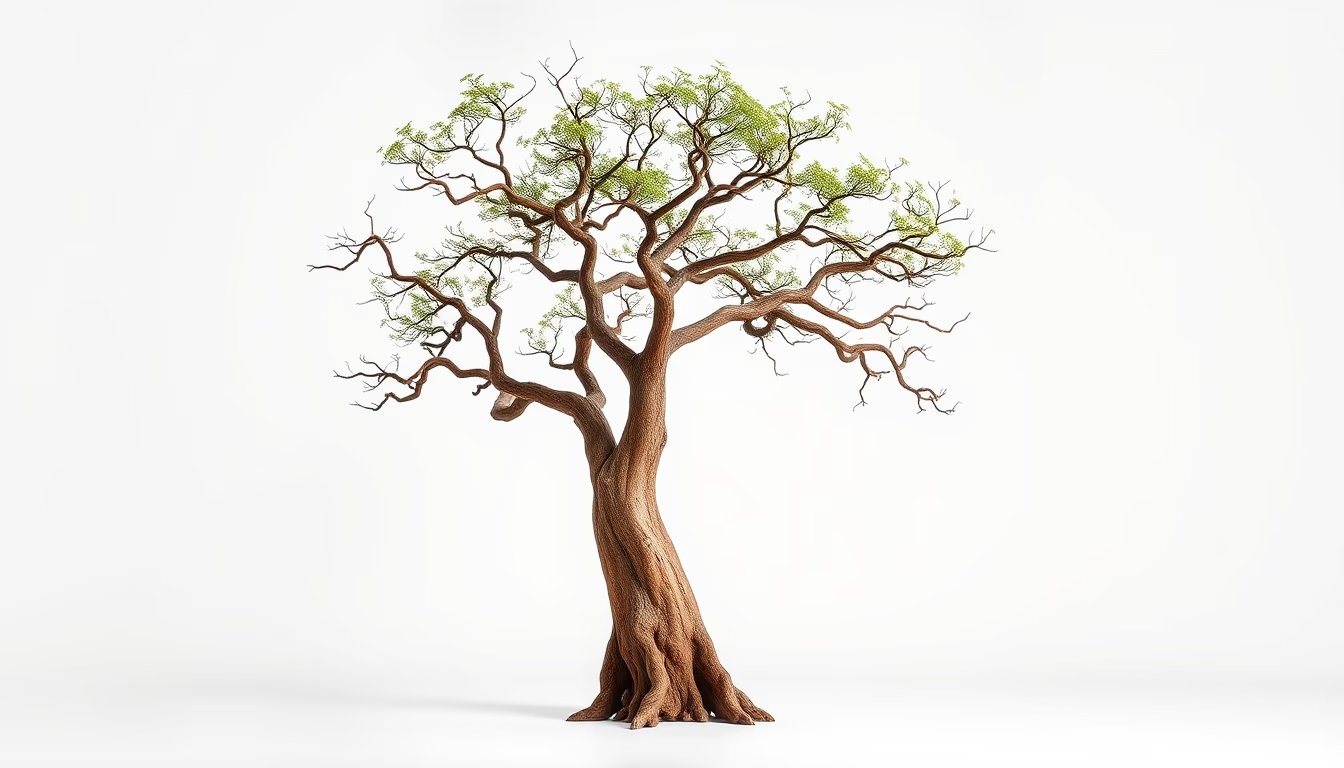
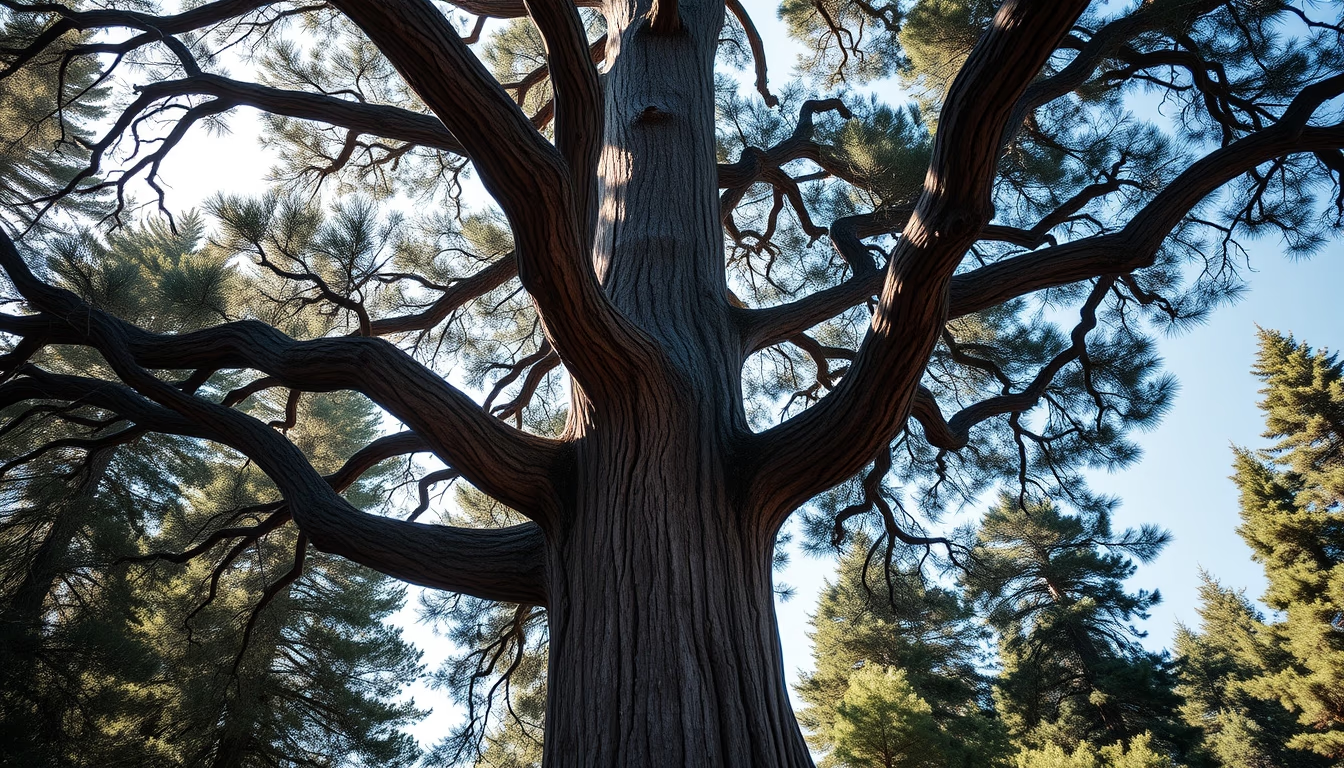
The baobab tree, iconic to Madagascar, is known for its massive trunk and water storage ability, symbolizing the Malagasy landscape.
About this subject
The baobab tree, particularly the species Adansonia grandidieri, is native to Madagascar and predominantly found in the western part of the island, around the city of Morondava and along the famous Avenue of the Baobabs. These trees can reach up to 30 meters in height, with trunks up to 11 meters in diameter, storing large amounts of water to survive long dry seasons. Some specimens are estimated to be over 2,000 years old, making them living witnesses to the island's geological and cultural history.
Culturally, the baobab plays a central role in Malagasy communities. Known as the “tree of life,” it provides food, medicine, and shelter. Its leaves are eaten as a vegetable, the fruit pulp is rich in vitamin C, and the seeds yield oil. Bark and roots are used in traditional remedies for fever and dysentery. Local legends say that baobabs were turned upside down by the gods for being arrogant, explaining their leafless branches during the dry season.
Madagascar is home to six of the world's eight baobab species, all endemic. Unfortunately, three of these are threatened with extinction due to deforestation and climate change. The Avenue of the Baobabs, a alignment of trees along a dirt road, has become a national symbol and attracts tourists from around the world. Conservation efforts, such as replanting and creating reserves, aim to preserve these giants for future generations.
Frequently Asked Questions
Where can baobab trees be found in Madagascar?
Baobabs are concentrated in western Madagascar, especially along the Avenue of the Baobabs near Morondava. Other locations include Kirindy National Park and the Andavadoaka region.
What is the maximum age of a baobab tree?
Baobabs can live over 2,000 years. Carbon-14 dating on some specimens suggests ages exceeding 2,500 years, but exact measurement is difficult due to hollow trunks.
Why is the baobab called the tree of life?
The baobab provides essential resources: edible leaves, vitamin-C-rich fruit, oil from seeds, bark fibers, and traditional medicines. Its water storage capability also makes it vital in arid regions.
Direct URL
https://pub-c7d6a6ea828543ac903a74a341ccb2e1.r2.dev/imagens/baobab-tree-madagascar-commercial-product-photography-p11.avifHow to credit
Include a visible link back to UtilizAí. Copy one of the snippets below:
<a href="https://xn--utiliza-eza.com/en/midia/imagens/baobab-tree-madagascar-commercial-product-photography-p11">Baobab tree madagascar</a> by <a href="https://xn--utiliza-eza.com">UtilizAí</a>, licensed under <a href="https://creativecommons.org/licenses/by/4.0/">CC BY 4.0</a>.
[Baobab tree madagascar](https://xn--utiliza-eza.com/en/midia/imagens/baobab-tree-madagascar-commercial-product-photography-p11) by [UtilizAí](https://xn--utiliza-eza.com), CC BY 4.0
License: CC-BY-4.0