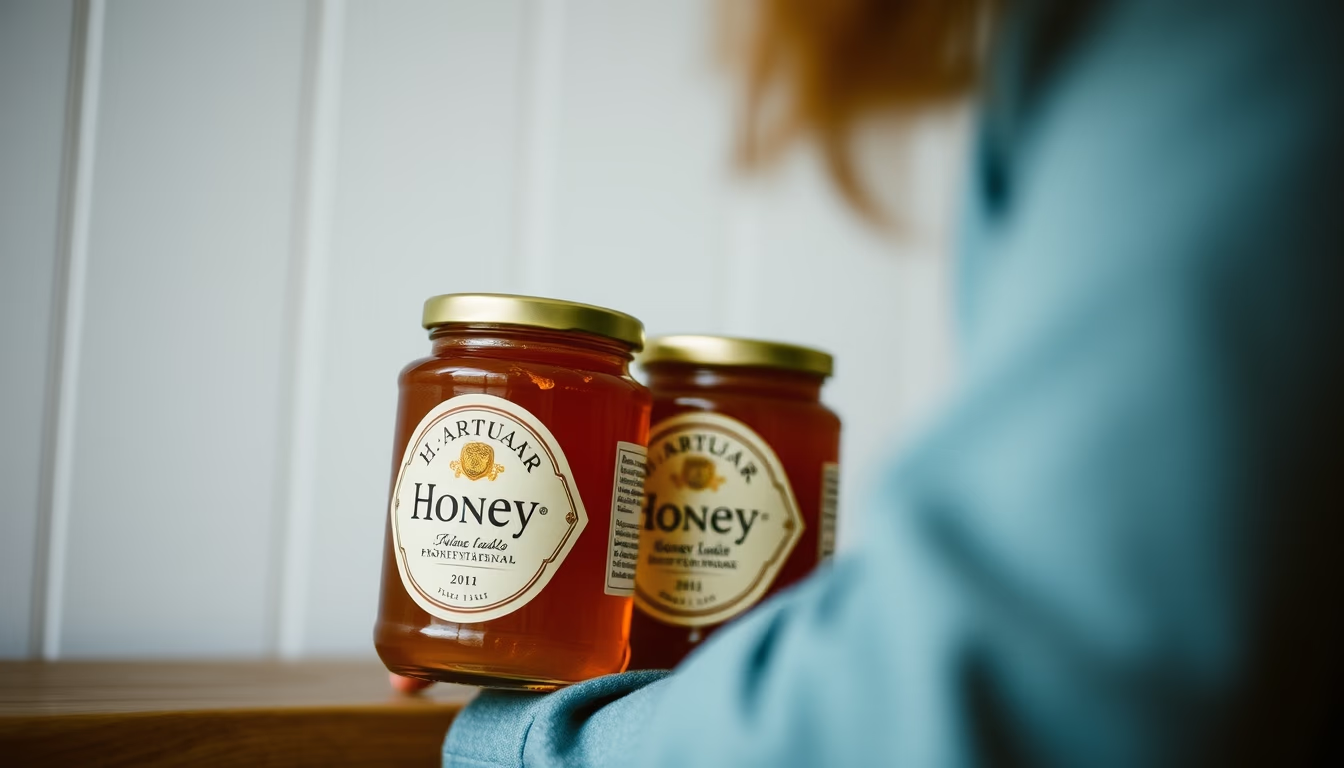
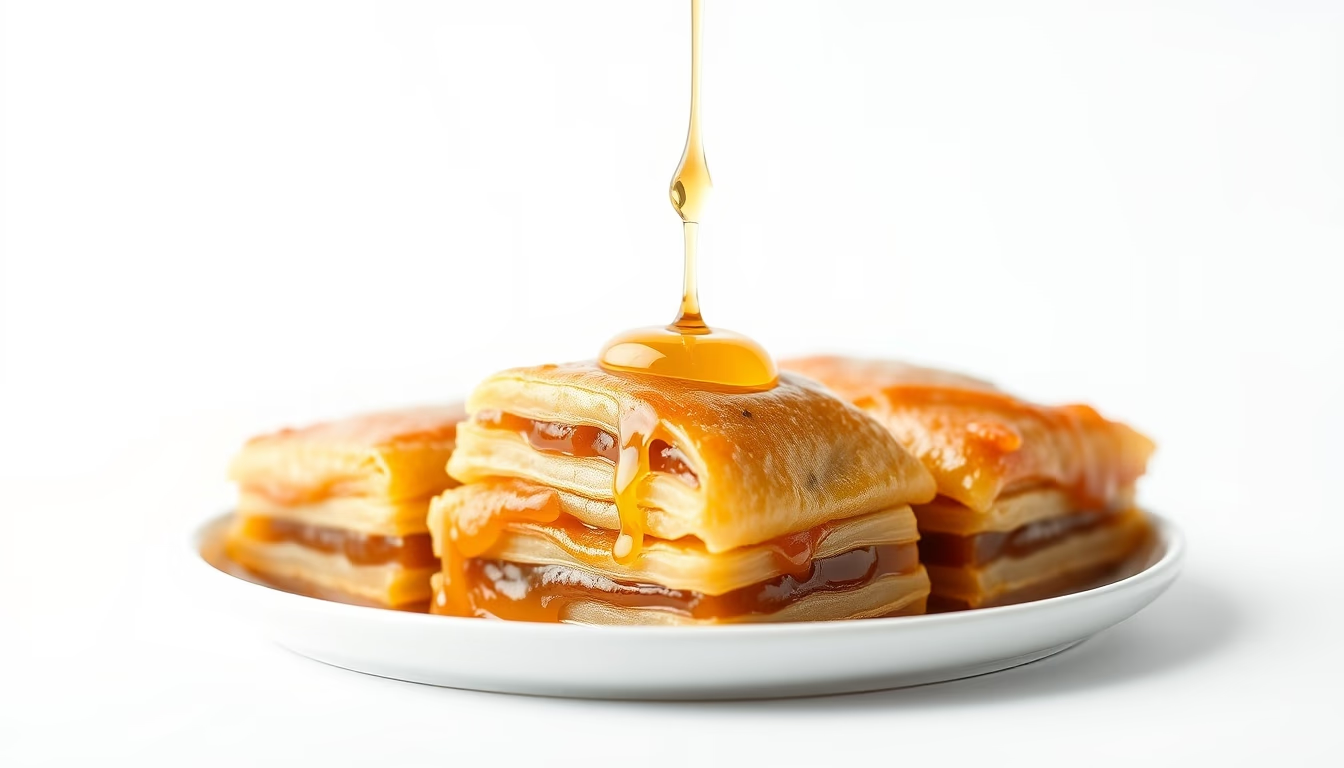
Baklava layered honey
1344×768 · AVIF · CC BY 4.0
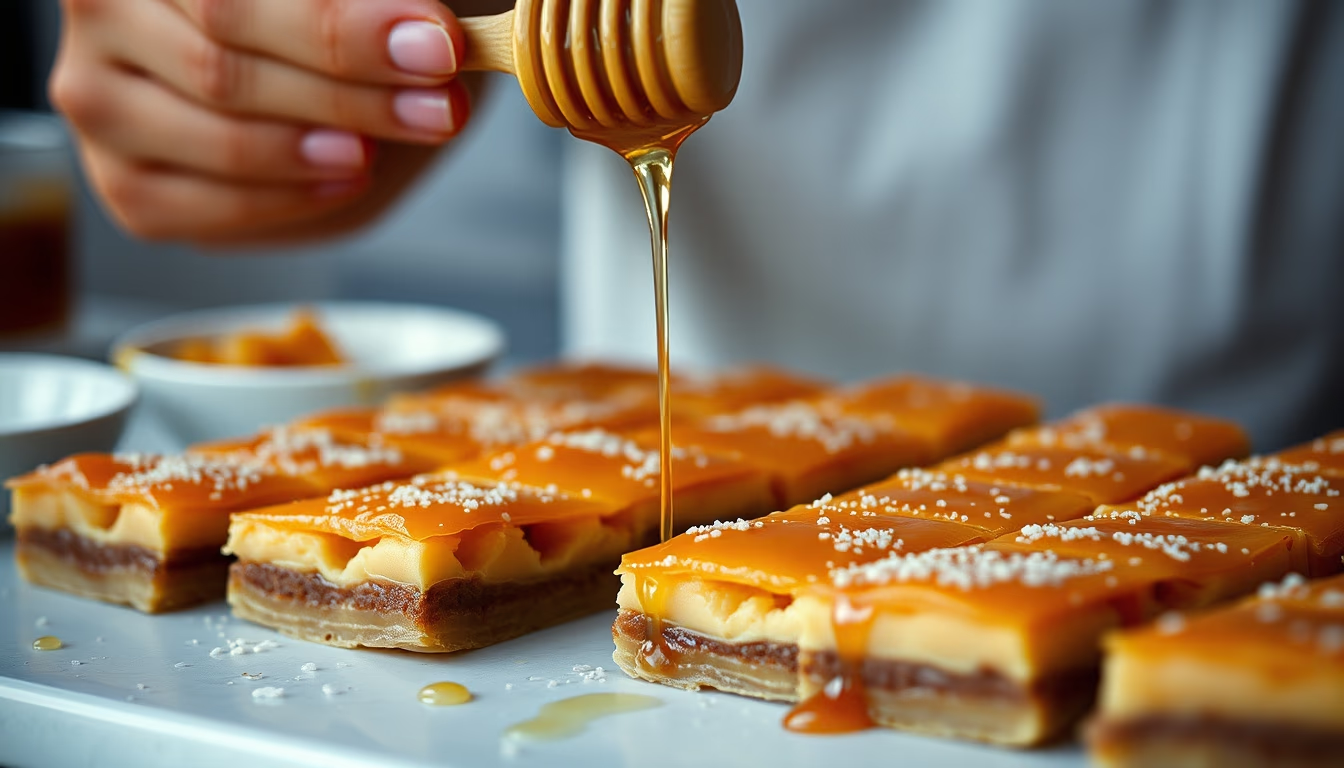
Baklava is a layered pastry dessert of Ottoman origin, made with phyllo dough, chopped nuts, and sweet syrup or honey.
About this subject
Baklava is one of the most iconic desserts of the Middle East and the Mediterranean, with roots tracing back to the Ottoman Empire. Although now associated with countries like Turkey, Greece, and Lebanon, its origin is disputed, with evidence of similar preparations in ancient Persia. The recipe consists of extremely thin layers of phyllo dough (or yufka) interspersed with chopped nuts, pistachios, or almonds, baked until golden and then drenched in a syrup flavored with honey, rose water, or orange blossom water.
Traditionally, baklava is cut into geometric shapes like diamonds or squares and served at festive occasions, weddings, and religious celebrations. Each region has developed its variations: in Turkey, Gaziantep pistachios are the premium ingredient; in Lebanon, rose water is added; in Greece, honey and cinnamon are used. The final texture should be crispy on the outside and moist on the inside, a result of the balance between syrup absorption and the toasting of the layers.
Interestingly, baklava also has savory versions in some cultures, with cheese or meat, but the sweet one is the most widespread. Its name derives from Old Turkish "baklağı" or Persian "bāqlavā", both related to leaves or layers. Due to the complexity of preparation, artisanal baklava is considered a sign of culinary skill and patience, often ordered from specialized pastry chefs.
Frequently Asked Questions
What is the origin of baklava?
The origin of baklava is disputed, but it is believed to have been developed in the Ottoman Empire with influences from ancient Persia. It is now traditional in countries such as Turkey, Greece, Lebanon, and Egypt.
What are the main ingredients of baklava?
The basic ingredients are phyllo dough (or yufka), chopped nuts (pistachios, walnuts, or almonds), melted butter, and a syrup made with honey or sugar, often flavored with rose water or lemon.
How is baklava traditionally served?
Baklava is cut into diamonds or squares and served at room temperature. It is common at festive events, weddings, and religious celebrations, often accompanied by tea or coffee.
Direct URL
https://pub-c7d6a6ea828543ac903a74a341ccb2e1.r2.dev/imagens/baklava-layered-honey-film-grain-authentic-fresh1.avifHow to credit
Include a visible link back to UtilizAí. Copy one of the snippets below:
<a href="https://xn--utiliza-eza.com/en/midia/imagens/baklava-layered-honey-film-grain-authentic-fresh1">Baklava layered honey</a> by <a href="https://xn--utiliza-eza.com">UtilizAí</a>, licensed under <a href="https://creativecommons.org/licenses/by/4.0/">CC BY 4.0</a>.
[Baklava layered honey](https://xn--utiliza-eza.com/en/midia/imagens/baklava-layered-honey-film-grain-authentic-fresh1) by [UtilizAí](https://xn--utiliza-eza.com), CC BY 4.0
License: CC-BY-4.0