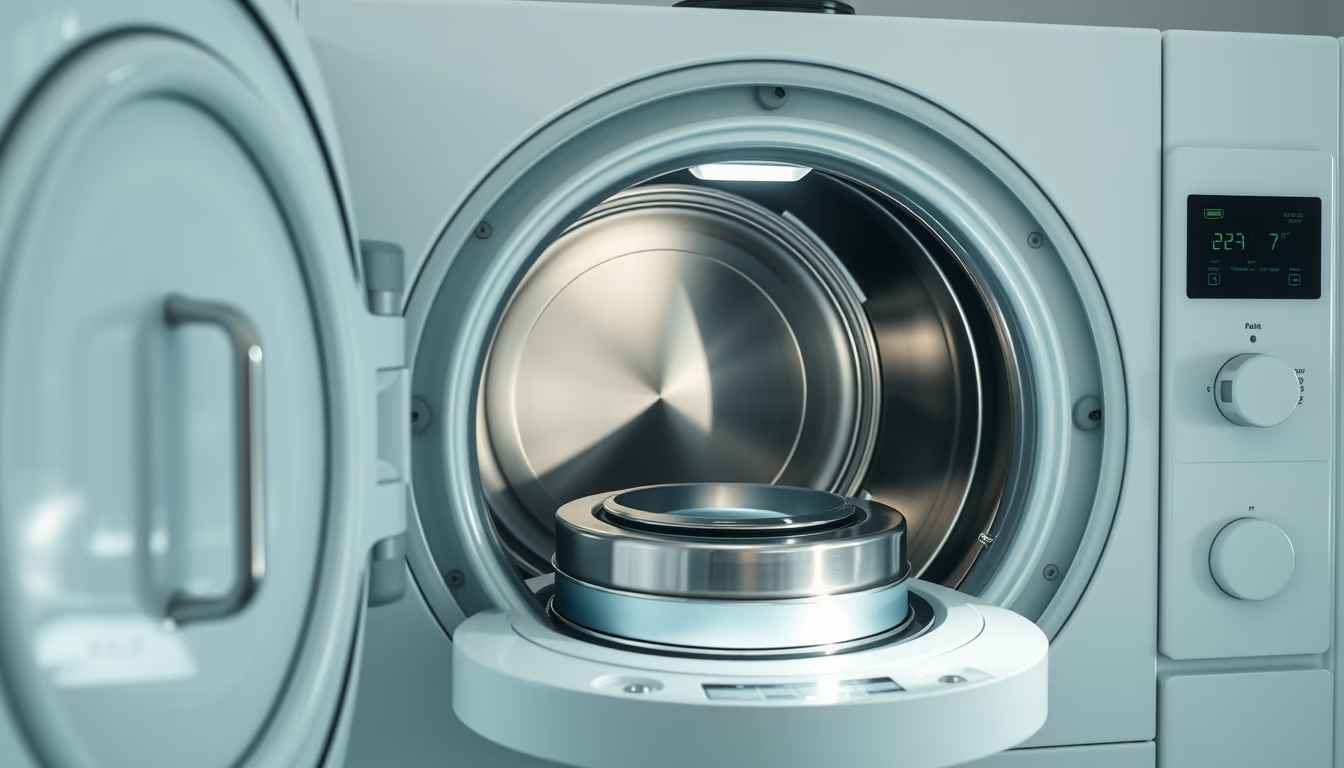
Autoclave sterilizer
1344×768 · AVIF · CC BY 4.0
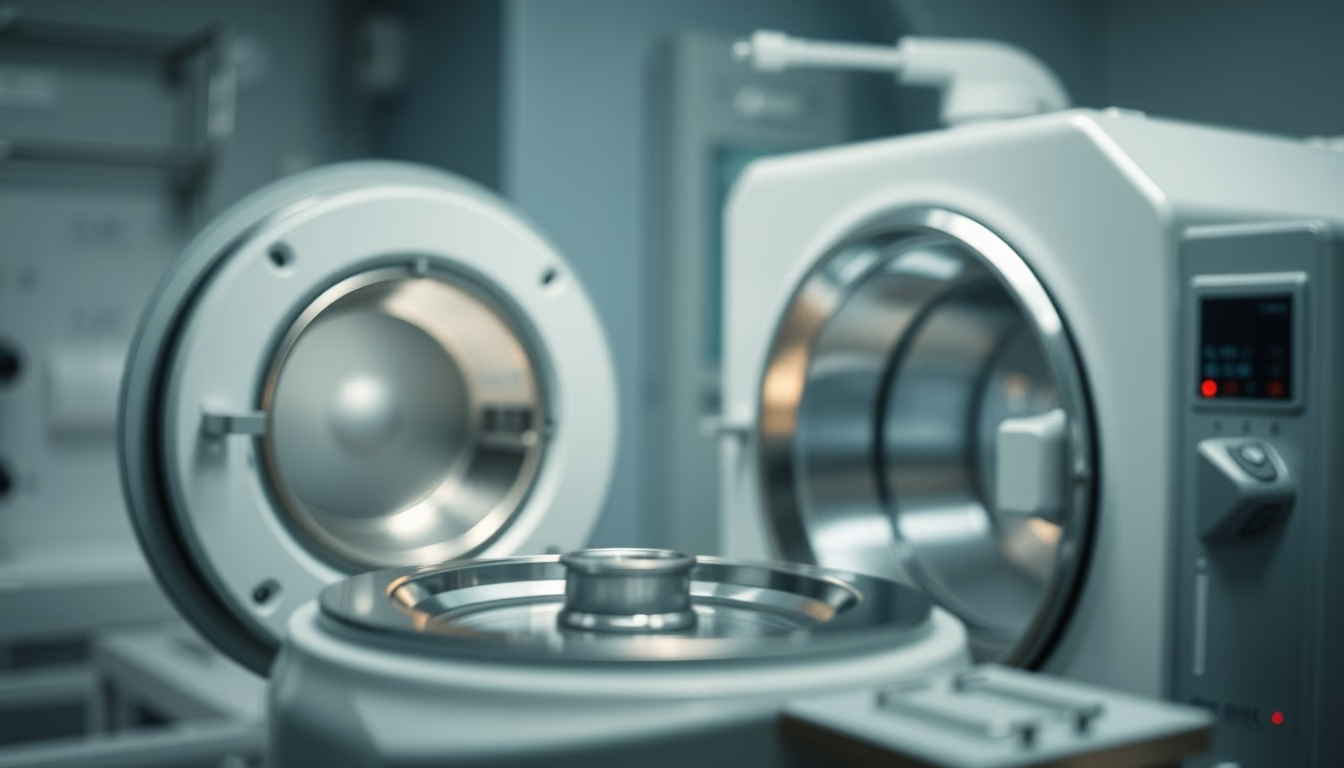
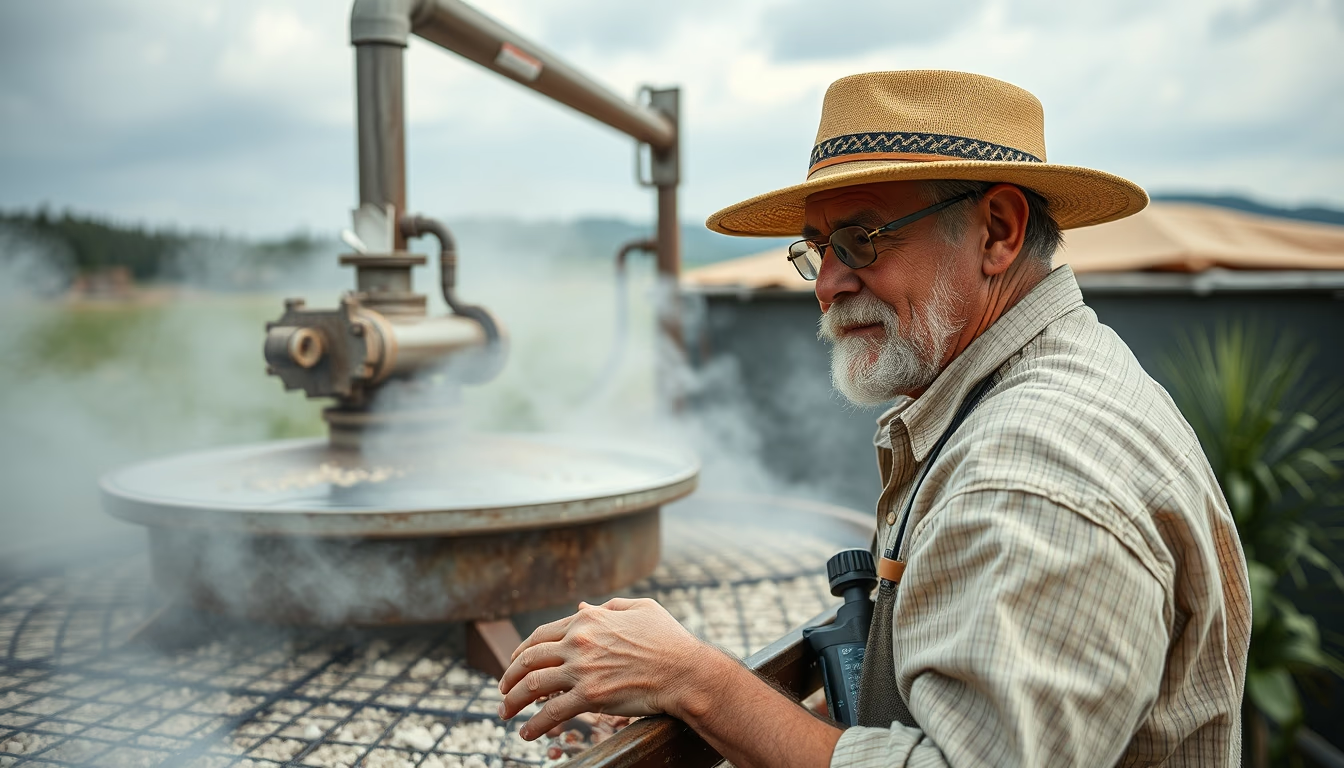
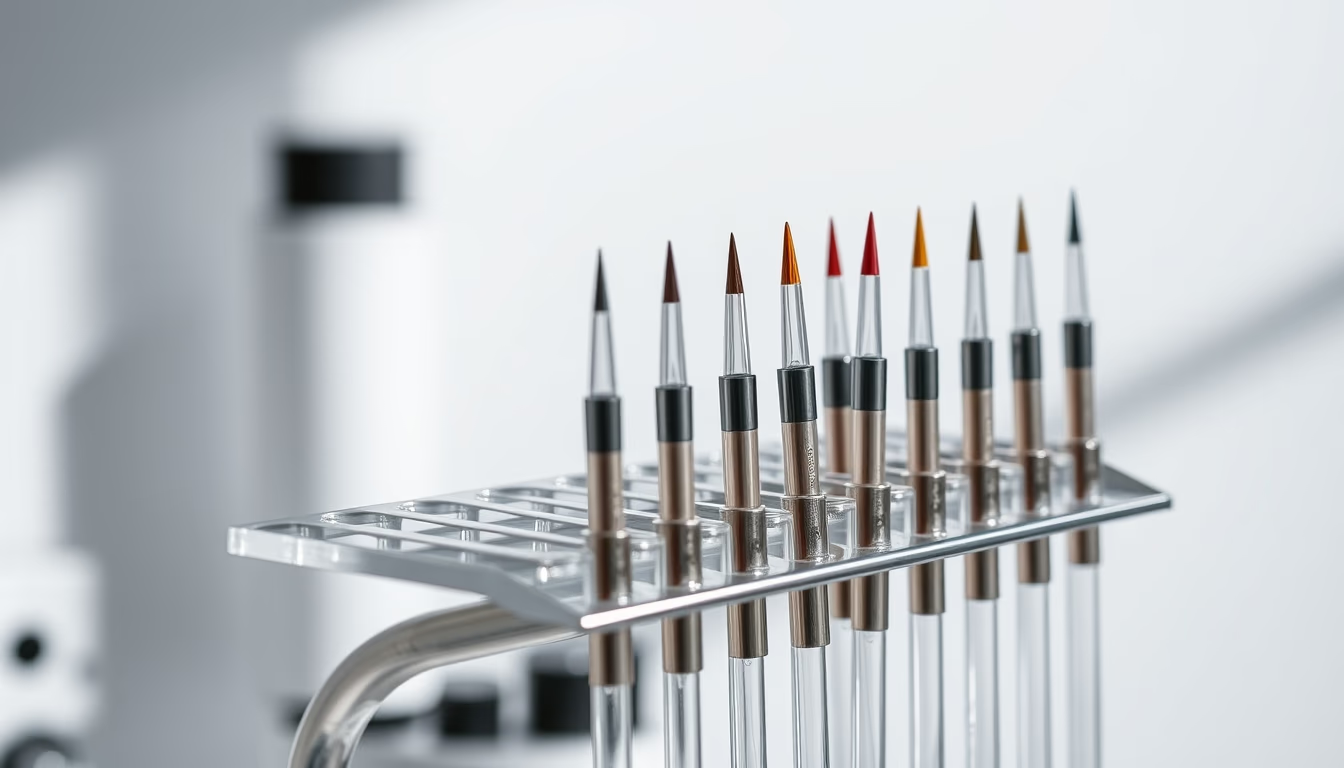
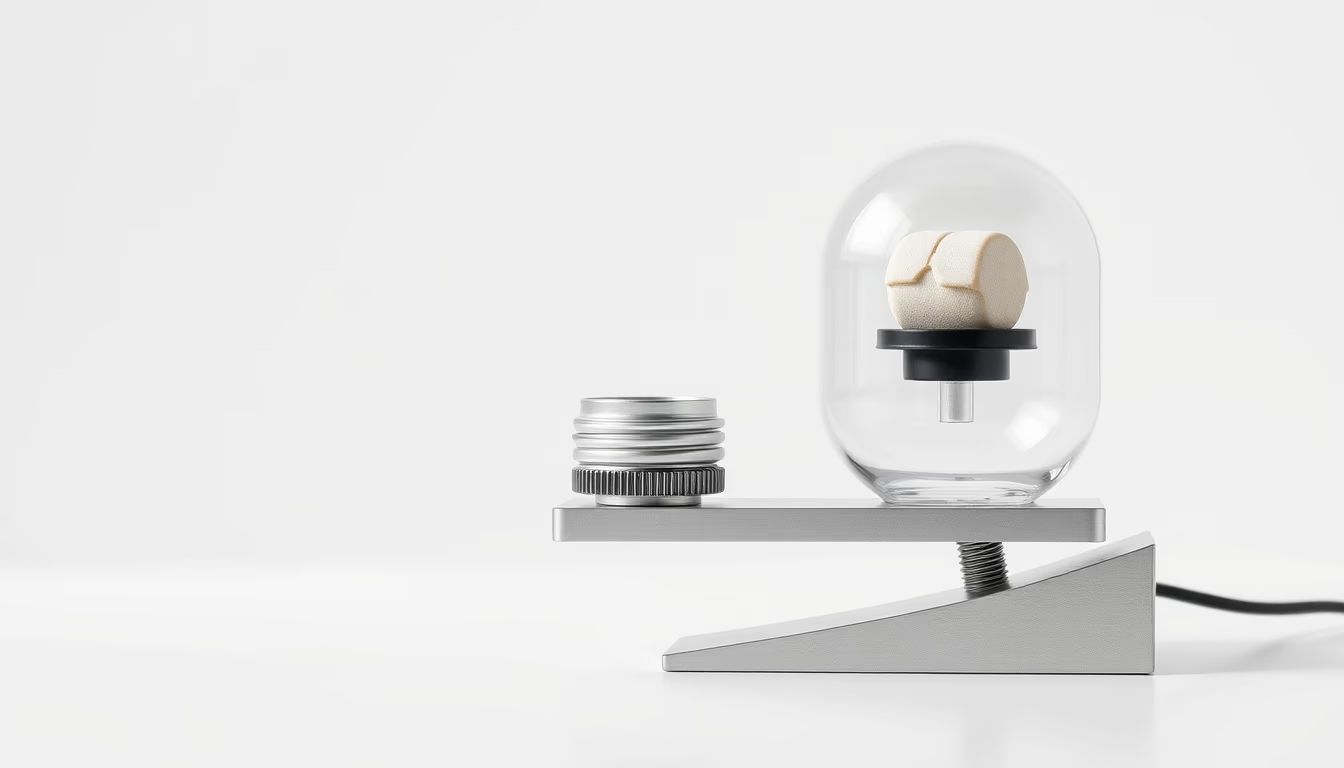
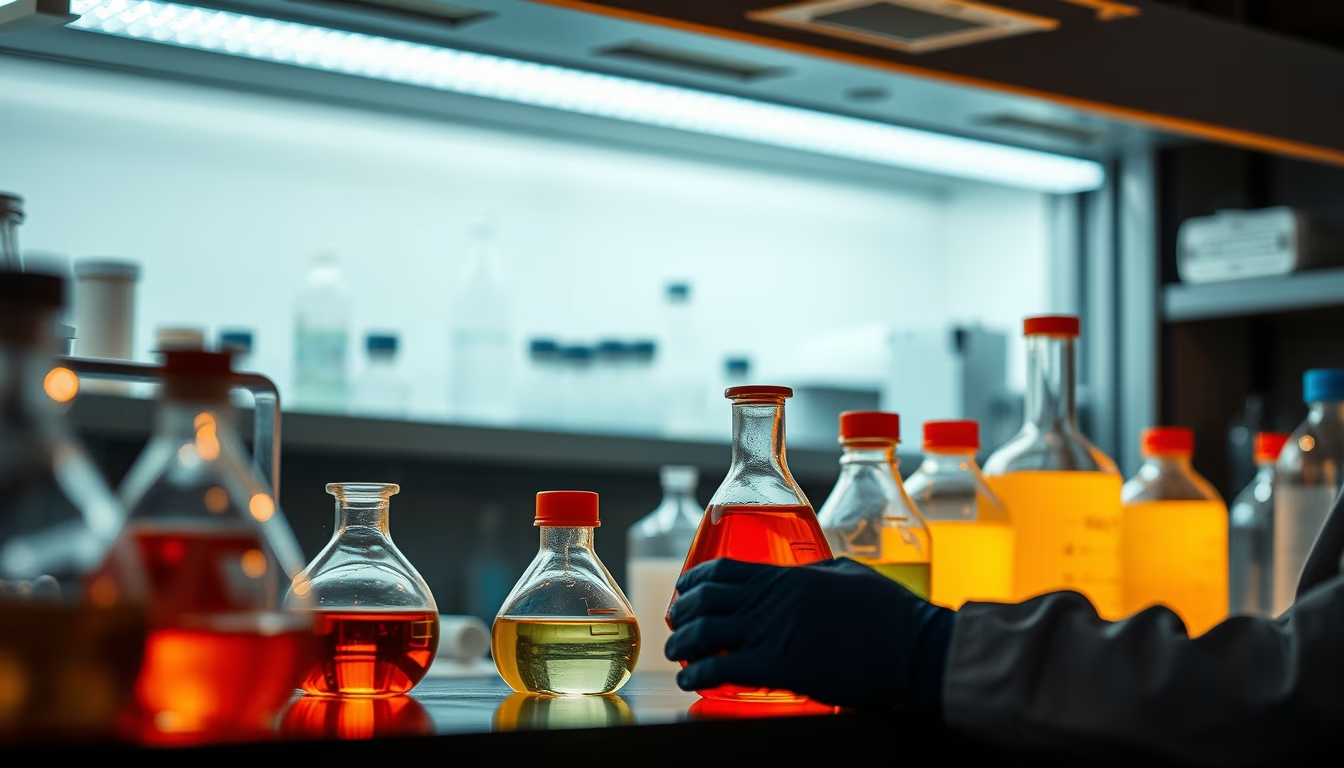
An autoclave is a device that uses steam under pressure to sterilize materials, essential in laboratories and hospitals to eliminate microorganisms.
About this subject
An autoclave is a sterilization device that uses pressurized steam at temperatures between 121°C and 134°C, typically under 1.0 to 2.2 bar. This moist heat sterilization process effectively inactivates all microorganisms, including bacterial spores, viruses, and fungi. The efficacy arises from steam’s ability to penetrate porous materials and denature proteins more efficiently than dry heat. Consequently, autoclaving is regarded as the gold standard for sterilization in healthcare settings, microbiology laboratories, and pharmaceutical industries.
The autoclave’s principle was pioneered by French microbiologist Charles Chamberland in 1879, who built a precursor to sterilize culture media and instruments. Since then, models have evolved into gravity displacement autoclaves, where steam enters from the top and pushes air out, and pre-vacuum autoclaves that remove air before steam injection, enabling faster and more efficient cycles for dense loads. Modern autoclaves incorporate computerized systems that monitor time, temperature, and pressure, ensuring cycle validation according to standards such as ISO 17665.
In practice, autoclaves sterilize surgical instruments, laboratory glassware, culture media, biological waste, and even some heat-resistant plastics. A typical cycle for solid materials lasts 15 to 30 minutes at 121°C, while liquids or large loads require adjusted times. After sterilization, packaged items remain sterile for months if stored properly, which is critical for the safety of invasive procedures and the validity of microbiological experiments.
Despite their reliability, autoclaves require careful operation: the chamber should not be overloaded to allow steam circulation, materials must be arranged to avoid air pockets, and periodic maintenance of valves and seals is essential. In hospitals, autoclaves are often classified into classes N, S, and B according to their ability to handle different loads, with class B being the most versatile, capable of sterilizing solid, porous, and packaged items. Automation and cycle traceability have made the process safer and more reproducible, underpinning global biosafety standards.
Frequently Asked Questions
What is the difference between an autoclave and a dry heat sterilizer?
An autoclave uses pressurized steam (moist heat) at lower temperatures (121, 134°C) with shorter cycles, while a dry heat sterilizer uses hot air at 160, 180°C for longer periods (1, 2 hours). Moist heat penetrates better and is more effective against spores.
How long does an autoclave cycle take?
It depends on the load and temperature. For solid instruments, typical exposure is 15, 30 minutes at 121°C, plus heating and cooling time. Cycles at 134°C may last 3, 10 minutes. Liquids or dense loads require longer times.
What items can and cannot be autoclaved?
Autoclavable items include metal instruments, glassware, culture media, biological waste, and heat-resistant plastics like polypropylene. Unacceptable items are heat-sensitive plastics (e.g., polystyrene), flammable materials, sealants, and solutions that degrade at high temperatures.
Direct URL
https://pub-c7d6a6ea828543ac903a74a341ccb2e1.r2.dev/imagens/autoclave-sterilizer-tilt-shift-miniature-fresh11.avifHow to credit
Include a visible link back to UtilizAí. Copy one of the snippets below:
<a href="https://xn--utiliza-eza.com/en/midia/imagens/autoclave-sterilizer-tilt-shift-miniature-fresh11">Autoclave sterilizer</a> by <a href="https://xn--utiliza-eza.com">UtilizAí</a>, licensed under <a href="https://creativecommons.org/licenses/by/4.0/">CC BY 4.0</a>.
[Autoclave sterilizer](https://xn--utiliza-eza.com/en/midia/imagens/autoclave-sterilizer-tilt-shift-miniature-fresh11) by [UtilizAí](https://xn--utiliza-eza.com), CC BY 4.0
License: CC-BY-4.0