Autoclave sterilizer
1344×768 · AVIF · CC BY 4.0
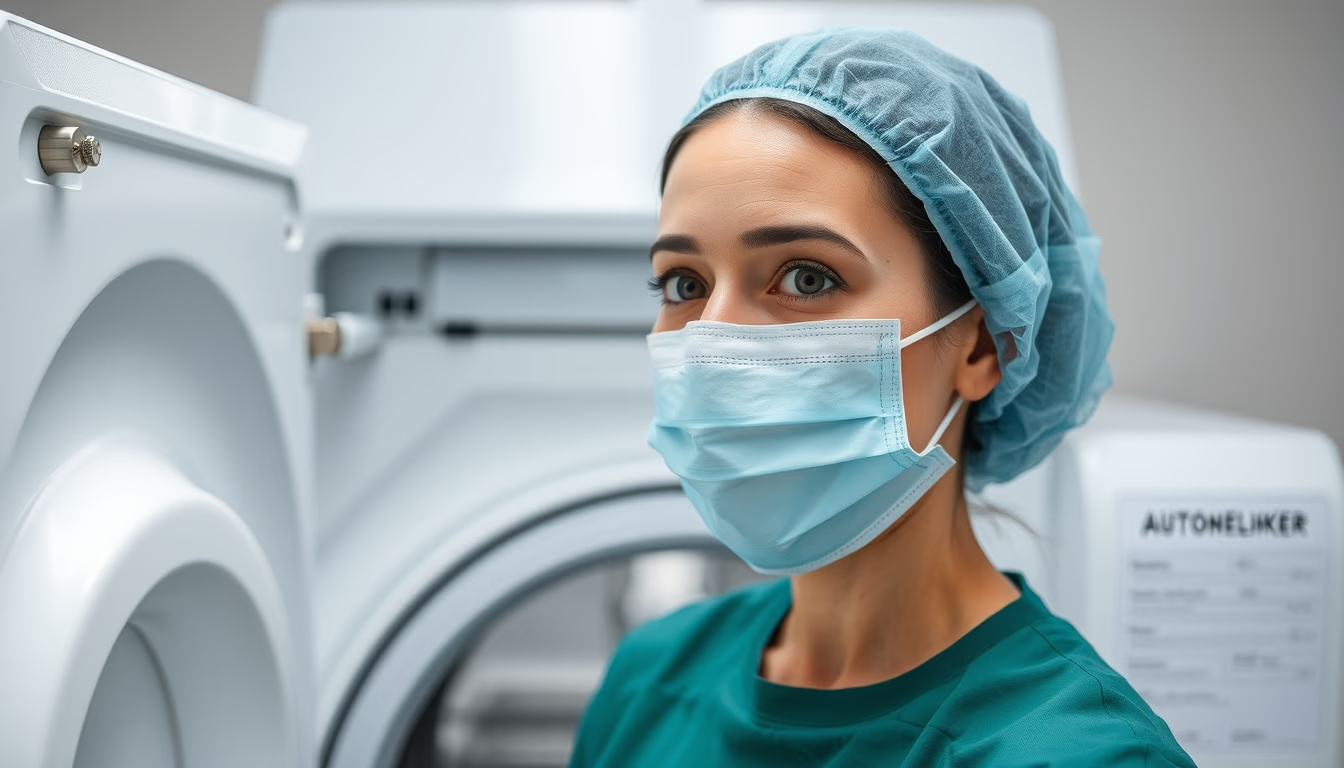
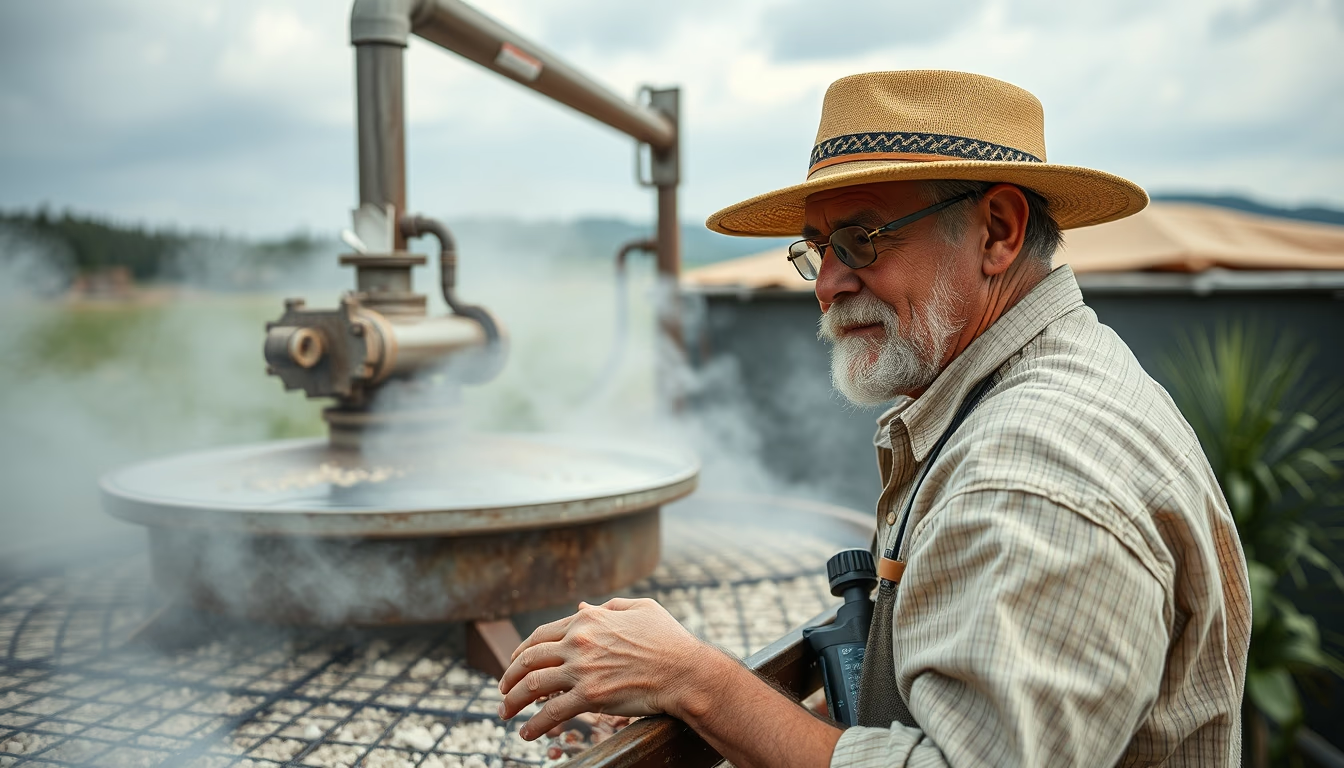
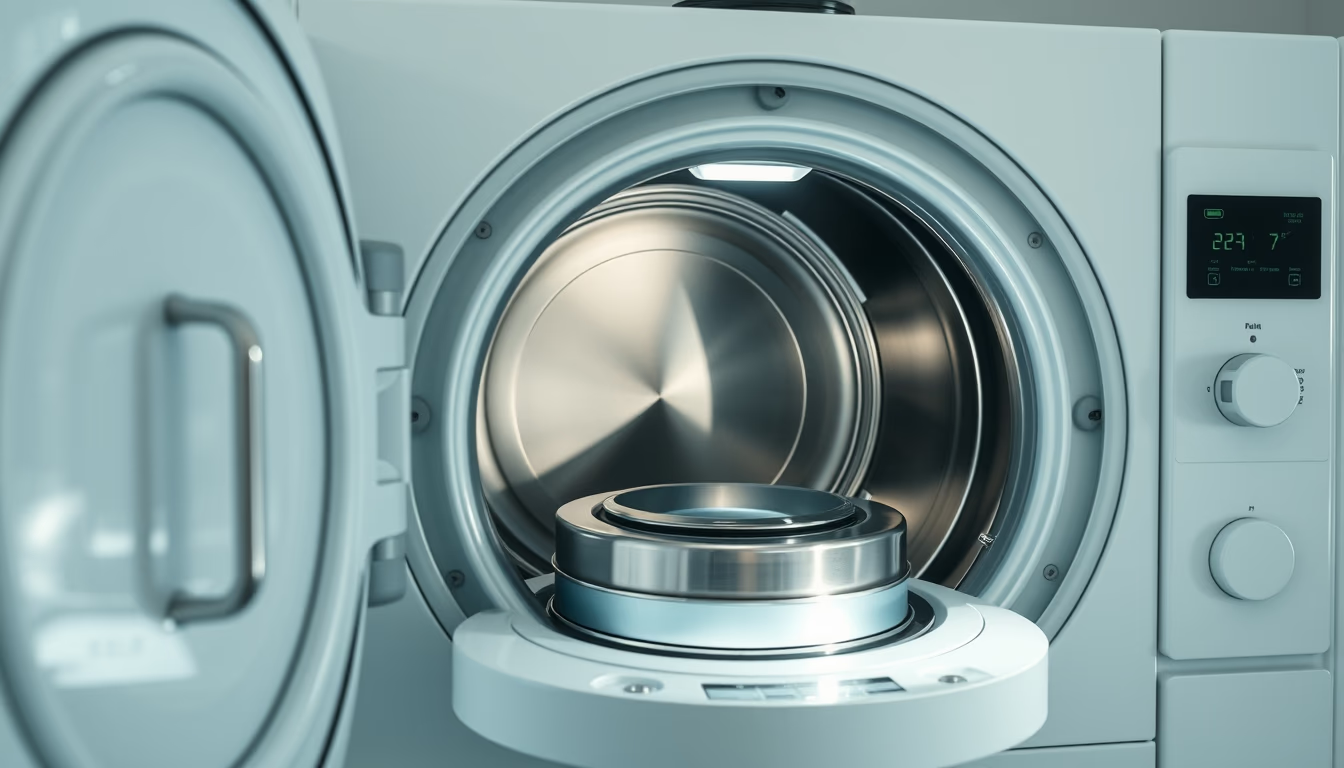
The autoclave sterilizer is an essential device for steam sterilization under pressure, used in laboratories, hospitals, and industries.
About this subject
The autoclave sterilizer is a device that uses high-pressure steam to eliminate microorganisms, including bacterial spores. Its operating principle was developed by Charles Chamberland in 1879, evolving from Denis Papin's pressure cooker. Modern autoclaves typically operate at 121°C or 134°C, with corresponding pressures of 1.1 to 2.1 kgf/cm². They are classified into types N, S, and B according to EN 13060, with type B being the most comprehensive, capable of sterilizing hollow and wrapped items.
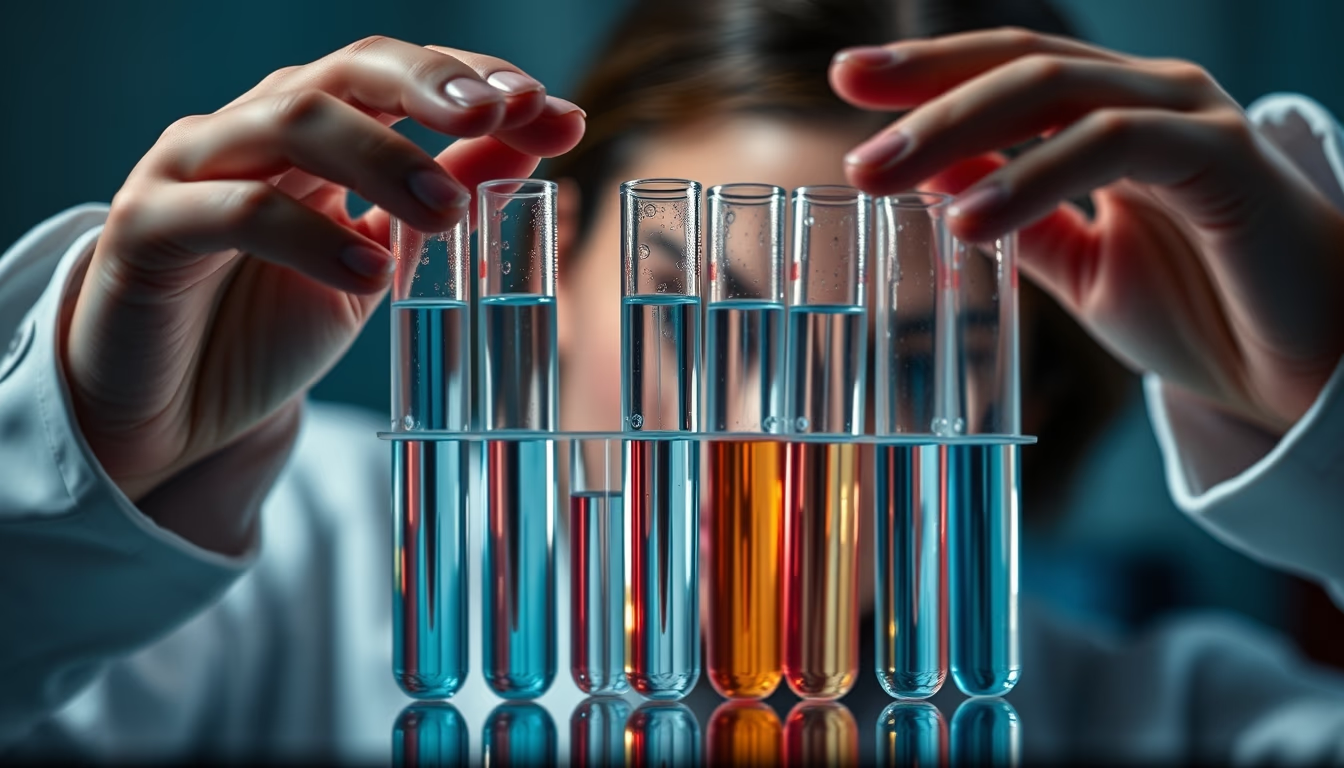
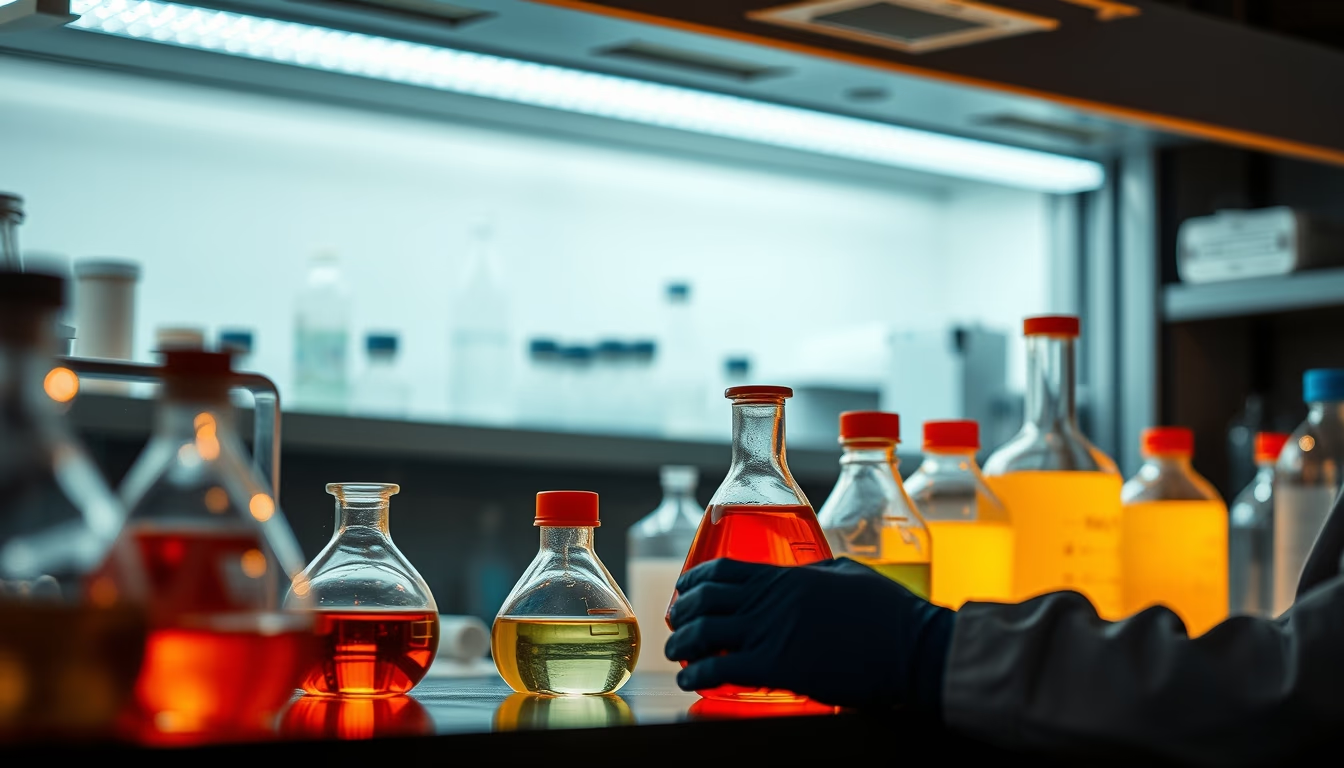
In laboratories, autoclaves are essential for sterilizing culture media, glassware, and biological waste. In hospitals, they are used for surgical instruments, syringes, and other reusable materials. Sterilization effectiveness depends on temperature, time, and air removal from the chamber. Typical cycles last 15 to 30 minutes, with steam exhaust at the end to dry items. Process validation uses biological and chemical indicators.
Interesting facts: the first practical autoclave was invented by German physician Hugo Erichsen in 1884, but Chamberland had already applied the concept to surgical instrument sterilization. Autoclaves are also used in the food industry for canned goods and in rubber vulcanization. The COVID-19 pandemic significantly increased demand for autoclaves to decontaminate personal protective equipment.
Proper maintenance is crucial: safety valves, door seals, and control systems must be checked periodically. Correct use prevents accidents such as explosions or burns. In microbiology laboratories, the autoclave is considered the most reliable sterilization method, surpassing dry heat ovens and UV radiation.
Frequently Asked Questions
What is the difference between autoclave types N, S, and B?
Type N autoclave sterilizes only solid, unwrapped items. Type S is for specific items, such as porous loads. Type B is the most versatile, allowing sterilization of hollow, wrapped instruments and items with lumens, using a vacuum pump to remove air.
How long does an autoclave sterilization cycle take?
Typical cycles last 15 to 30 minutes, depending on temperature (121°C or 134°C) and load type. Longer cycles are used for dense items or large volumes. After sterilization, a drying phase may add another 10 to 15 minutes.
Is it safe to use an autoclave to sterilize biological waste?
Yes, provided the waste is treated in appropriate cycles, typically at 121°C for 30 minutes, to inactivate pathogens. Autoclaving is the standard method for decontaminating biohazardous waste before disposal.
Direct URL
https://pub-c7d6a6ea828543ac903a74a341ccb2e1.r2.dev/imagens/autoclave-sterilizer-studio-editorial-portrait-fresh15.avifHow to credit
Include a visible link back to UtilizAí. Copy one of the snippets below:
<a href="https://xn--utiliza-eza.com/en/midia/imagens/autoclave-sterilizer-studio-editorial-portrait-fresh15">Autoclave sterilizer</a> by <a href="https://xn--utiliza-eza.com">UtilizAí</a>, licensed under <a href="https://creativecommons.org/licenses/by/4.0/">CC BY 4.0</a>.
[Autoclave sterilizer](https://xn--utiliza-eza.com/en/midia/imagens/autoclave-sterilizer-studio-editorial-portrait-fresh15) by [UtilizAí](https://xn--utiliza-eza.com), CC BY 4.0
License: CC-BY-4.0