Autoclave sterilizer
1344×768 · AVIF · CC BY 4.0
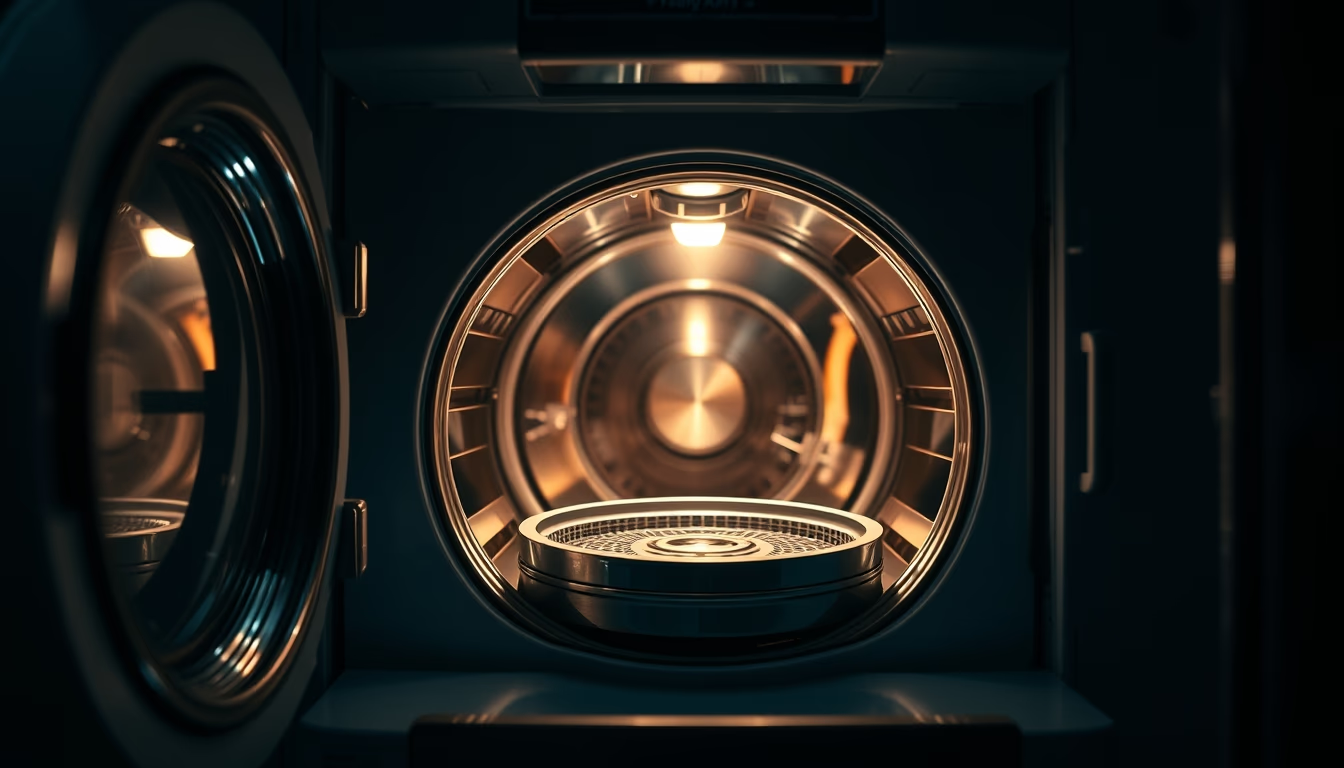
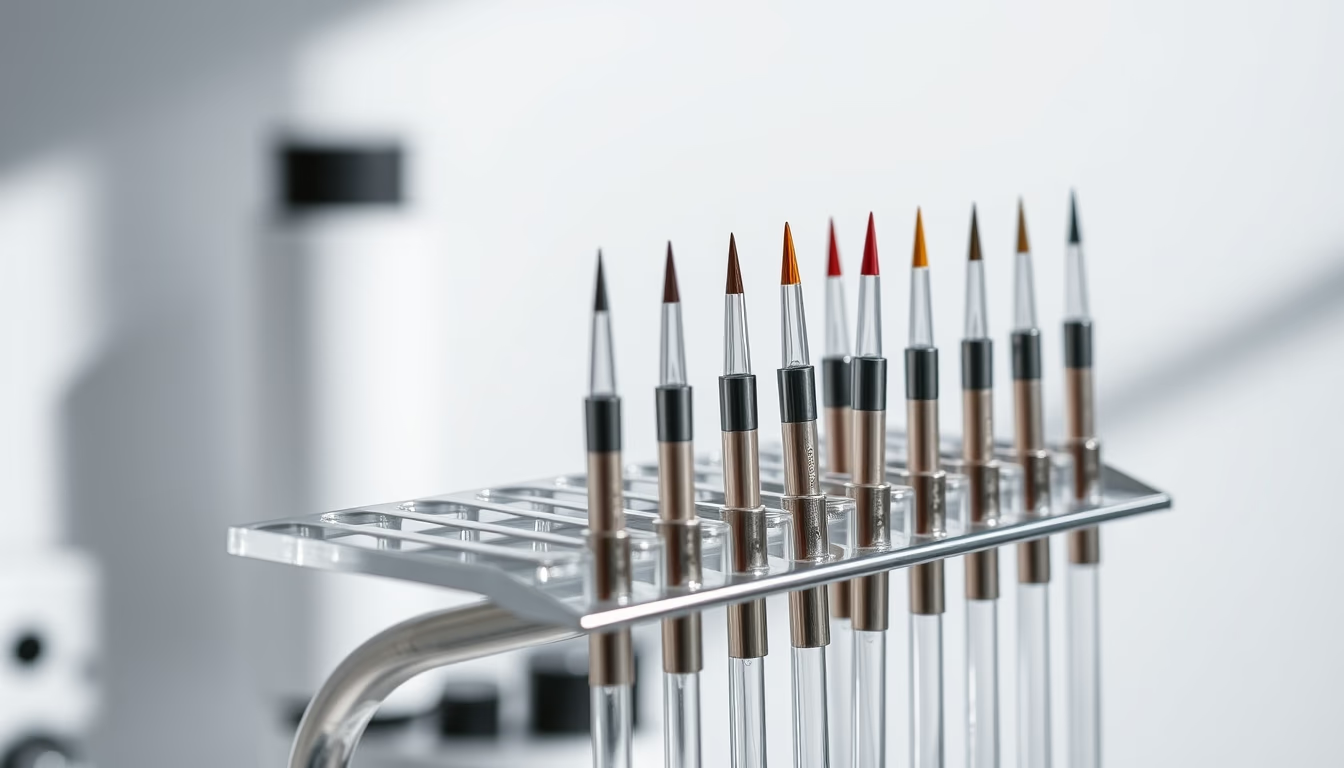
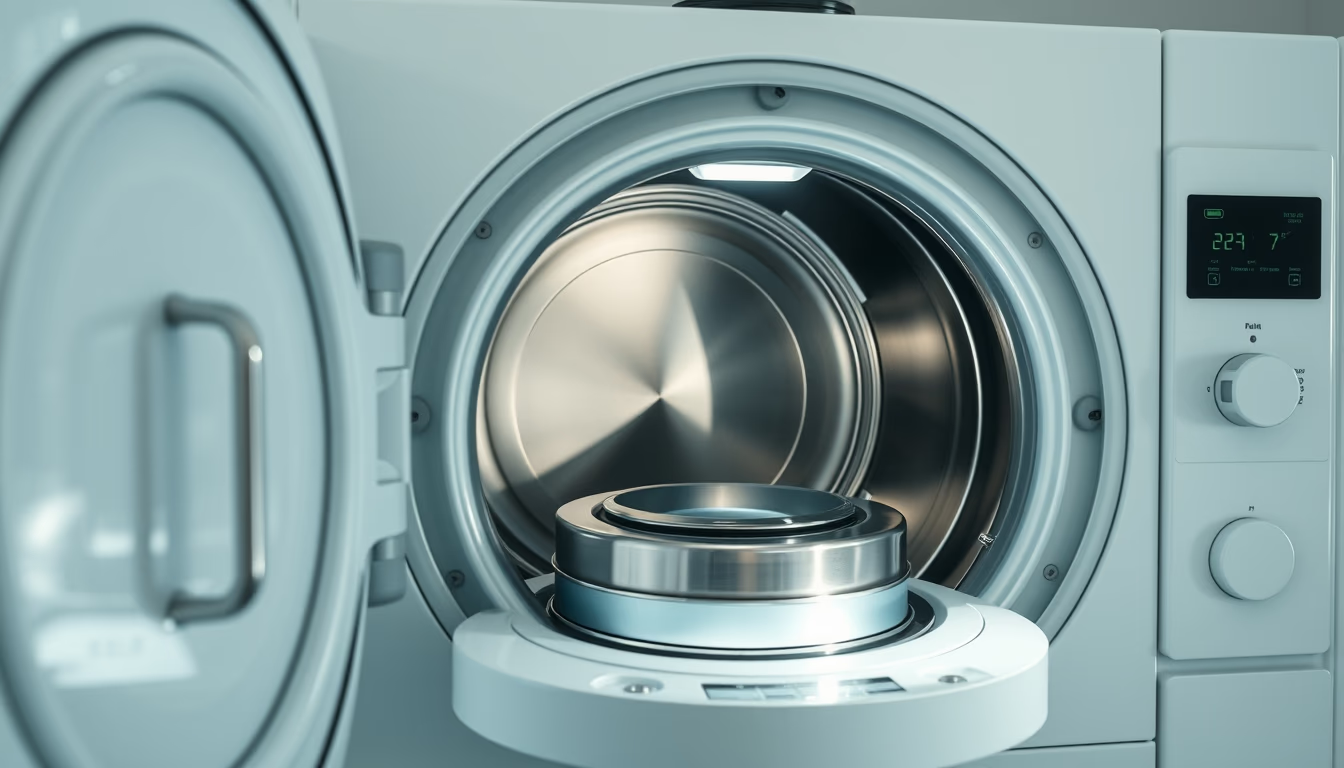
An autoclave is essential lab equipment that sterilizes materials using pressurized steam, effectively eliminating all microorganisms.
About this subject
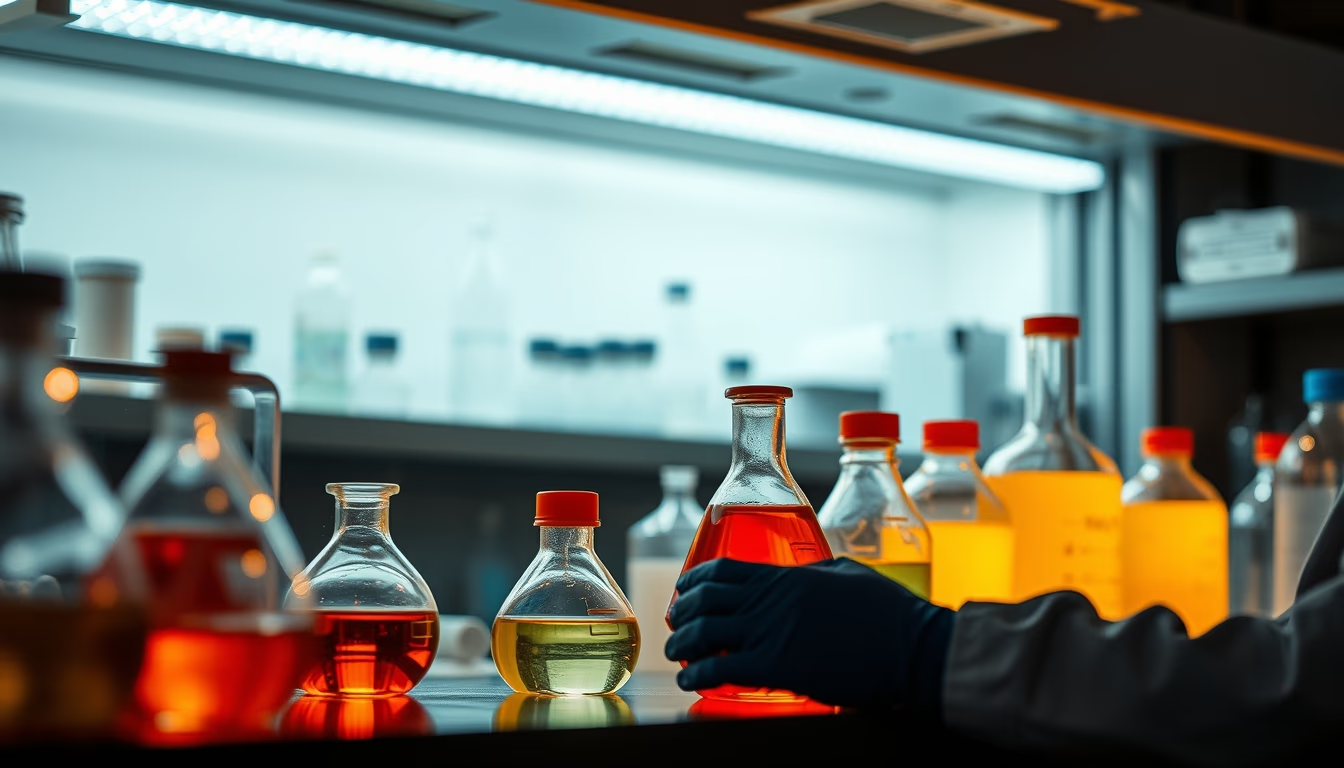
Autoclaves are sterilization devices widely used in clinical, microbiological, and pharmaceutical laboratories, as well as in hospitals and industries. The basic principle involves applying saturated steam at temperatures between 121°C and 134°C under controlled pressure for a specified time. This process denatures proteins and destroys nucleic acids in bacteria, viruses, fungi, and spores, ensuring sterility of surgical instruments, culture media, glassware, and biological waste.
The first autoclave was developed by Charles Chamberland, an associate of Louis Pasteur, in 1879, as an advancement of pasteurization techniques. Modern models range from compact benchtop units to large industrial autoclaves, with electronic controls that monitor time, temperature, and pressure. Efficacy is verified by chemical indicators (tape or integrator strips) and biological indicators (spore suspensions of Geobacillus stearothermophilus).
In hospitals, autoclaves are critical for preventing healthcare-associated infections (HAIs). Typical cycles include liquid mode (for culture media), solid mode (for instruments), and waste mode (for safe disposal). Operator safety is ensured by pressure relief valves, door sensors, and loading protocols to prevent overload. Periodic maintenance includes chamber cleaning and gasket replacement.
Frequently Asked Questions
What is an autoclave and what is it used for?
An autoclave uses pressurized steam to sterilize materials, killing all microorganisms including spores. It is essential in labs, hospitals, and industries to ensure sterility of instruments and waste.
What are typical temperature and time settings for an autoclave cycle?
Common cycles are 121°C for 15 to 30 minutes or 134°C for 3 to 15 minutes, depending on the material and load. Cycles for biological waste may require more stringent parameters.
How do you verify that an autoclave sterilization was effective?
Chemical indicators (color-changing tape) and biological indicators (spore vials incubated after the cycle) are used. No microbial growth in the biological indicator confirms sterilization.
Direct URL
https://pub-c7d6a6ea828543ac903a74a341ccb2e1.r2.dev/imagens/autoclave-sterilizer-rembrandt-lighting-dramatic-shadows-fresh12.avifHow to credit
Include a visible link back to UtilizAí. Copy one of the snippets below:
<a href="https://xn--utiliza-eza.com/en/midia/imagens/autoclave-sterilizer-rembrandt-lighting-dramatic-shadows-fresh12">Autoclave sterilizer</a> by <a href="https://xn--utiliza-eza.com">UtilizAí</a>, licensed under <a href="https://creativecommons.org/licenses/by/4.0/">CC BY 4.0</a>.
[Autoclave sterilizer](https://xn--utiliza-eza.com/en/midia/imagens/autoclave-sterilizer-rembrandt-lighting-dramatic-shadows-fresh12) by [UtilizAí](https://xn--utiliza-eza.com), CC BY 4.0
License: CC-BY-4.0