Autoclave sterilizer
1344×768 · AVIF · CC BY 4.0
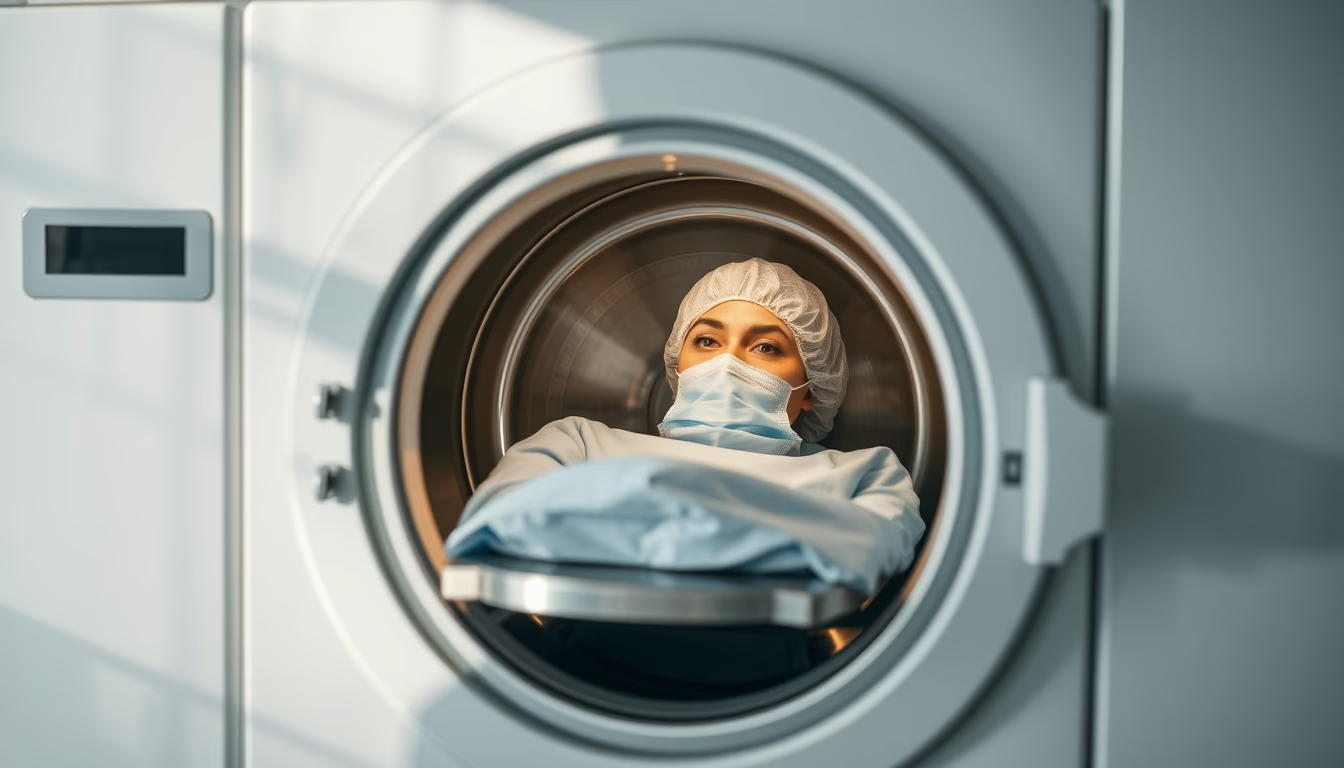
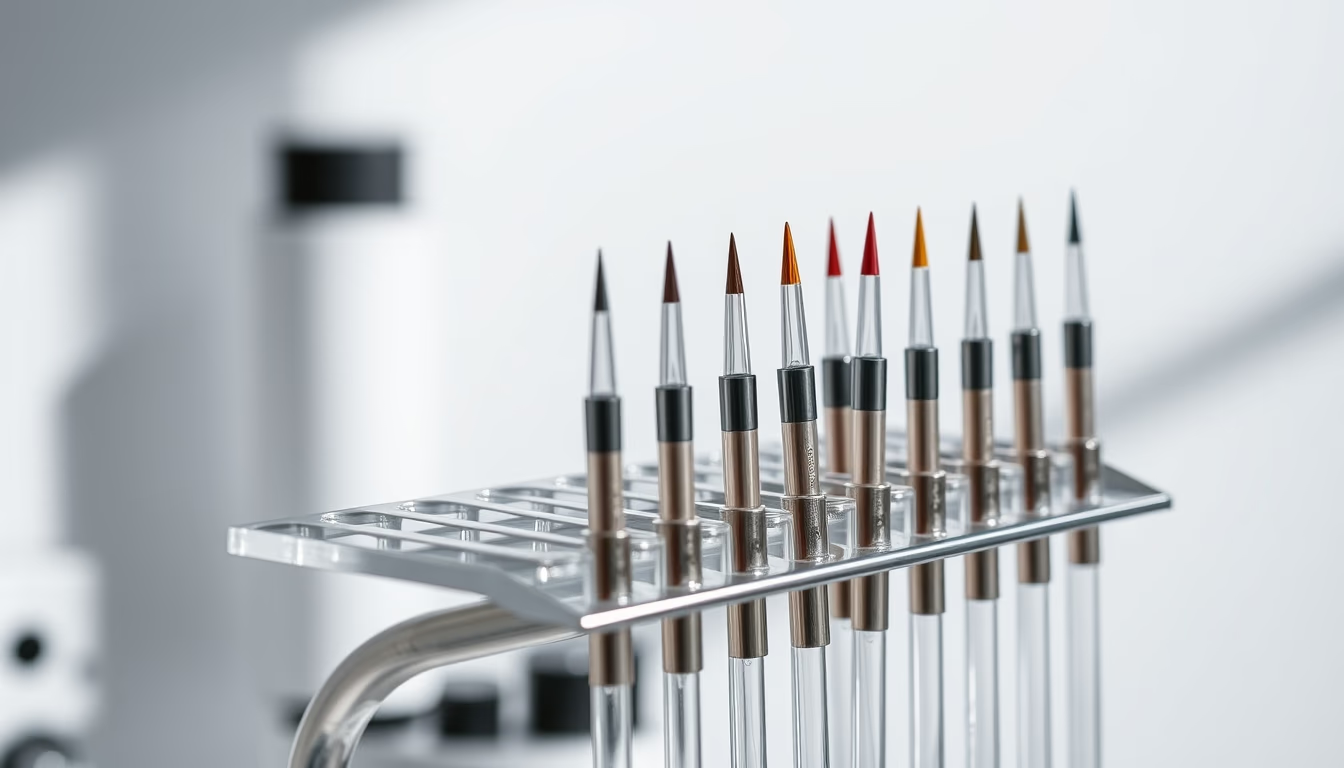
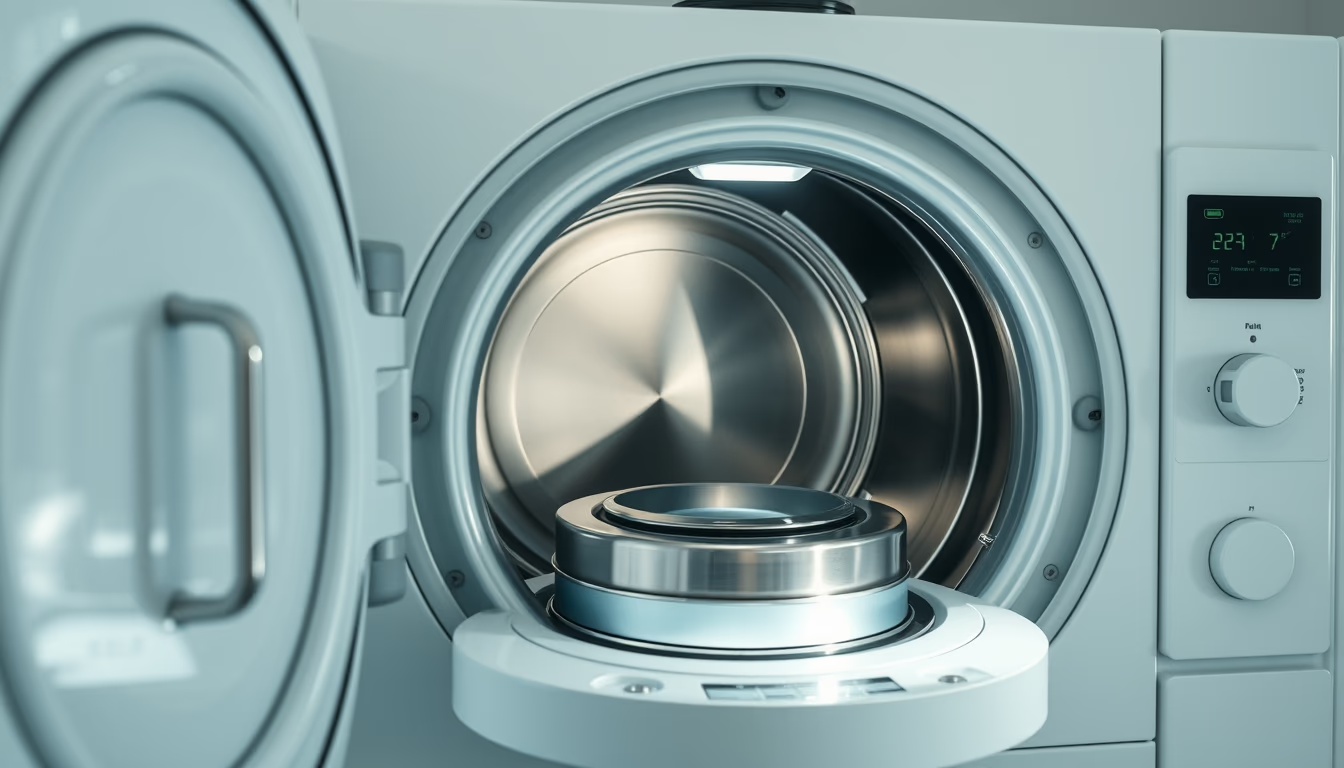
Autoclave sterilizer, essential equipment in laboratories and hospitals for sterilization using saturated steam under pressure.
About this subject
An autoclave is a device used to sterilize materials and instruments using steam under high pressure and temperature. Its operating principle involves destroying microorganisms, including bacterial spores, by exposing them to saturated steam at temperatures typically ranging from 121°C to 134°C. Time and pressure are adjusted according to the load type: porous materials, liquids, or metal instruments. This method, known as steam sterilization, is the most reliable and widely used in clinical and laboratory settings.
The development of the autoclave dates back to the late 19th century, when Charles Chamberland, a colleague of Louis Pasteur, created the first model. Since then, the equipment has evolved to include automated systems, programmable cycles, and safety sensors. Today, there are large hospital autoclaves, benchtop models for small laboratories, and portable units for dental clinics. The choice of the appropriate type depends on the workload and the nature of the materials to be sterilized.
The effectiveness of an autoclave depends on factors such as the removal of air from the chamber, steam quality, and proper packaging of items. Heat-sensitive materials, such as non-resistant plastics and certain optical instruments, cannot be autoclaved. For these cases, alternatives like ethylene oxide sterilization or gamma radiation are used. Periodic validation of the process, using biological and chemical indicators, is mandatory to ensure patient and professional safety.
Curiously, the term autoclave comes from the Greek auto (self) and Latin clavis (key), referring to the hermetic sealing system that allows high pressures to be achieved. In Brazil, the National Health Surveillance Agency (ANVISA) regulates the use of autoclaves in healthcare services, requiring preventive maintenance and operator training.
Frequently Asked Questions
How does an autoclave work?
An autoclave works by generating steam inside a pressurized chamber. The saturated steam reaches temperatures between 121°C and 134°C, killing microorganisms by protein coagulation. The cycle includes heating, exposure, and cooling phases.
What is the difference between an autoclave and an oven?
An autoclave uses steam under pressure for sterilization, while an oven uses dry hot air. Autoclaves are faster and more effective against spores but can damage heat-sensitive materials. Ovens operate at higher temperatures (160°C to 180°C) and are suitable for glassware and metals.
Which materials cannot be autoclaved?
Heat- and moisture-sensitive materials cannot be autoclaved, such as non-resistant plastics (polycarbonate, polyethylene), optical instruments, lenses, aqueous solutions in sealed containers, and some chemicals. These items require alternative sterilization methods.
Direct URL
https://pub-c7d6a6ea828543ac903a74a341ccb2e1.r2.dev/imagens/autoclave-sterilizer-magazine-editorial-fresh0.avifHow to credit
Include a visible link back to UtilizAí. Copy one of the snippets below:
<a href="https://xn--utiliza-eza.com/en/midia/imagens/autoclave-sterilizer-magazine-editorial-fresh0">Autoclave sterilizer</a> by <a href="https://xn--utiliza-eza.com">UtilizAí</a>, licensed under <a href="https://creativecommons.org/licenses/by/4.0/">CC BY 4.0</a>.
[Autoclave sterilizer](https://xn--utiliza-eza.com/en/midia/imagens/autoclave-sterilizer-magazine-editorial-fresh0) by [UtilizAí](https://xn--utiliza-eza.com), CC BY 4.0
License: CC-BY-4.0