Autoclave sterilizer
1344×768 · AVIF · CC BY 4.0
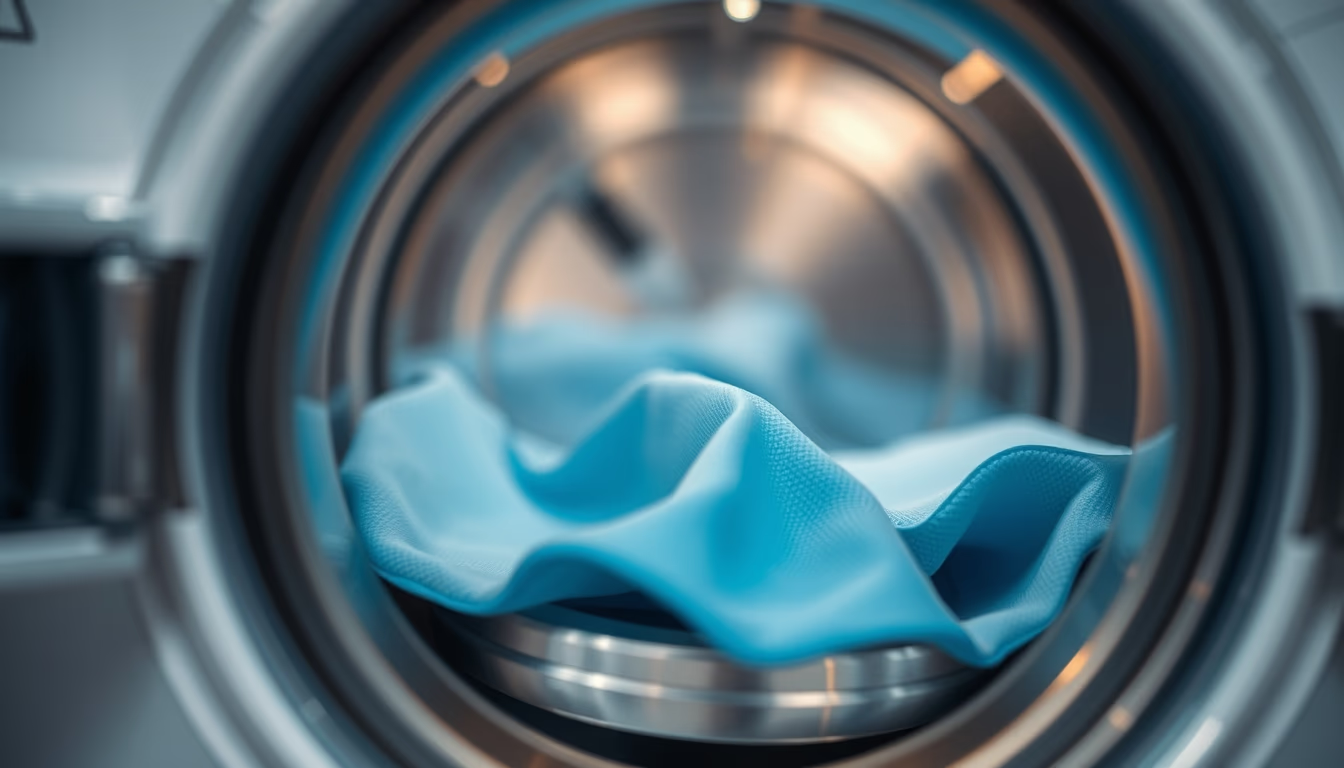
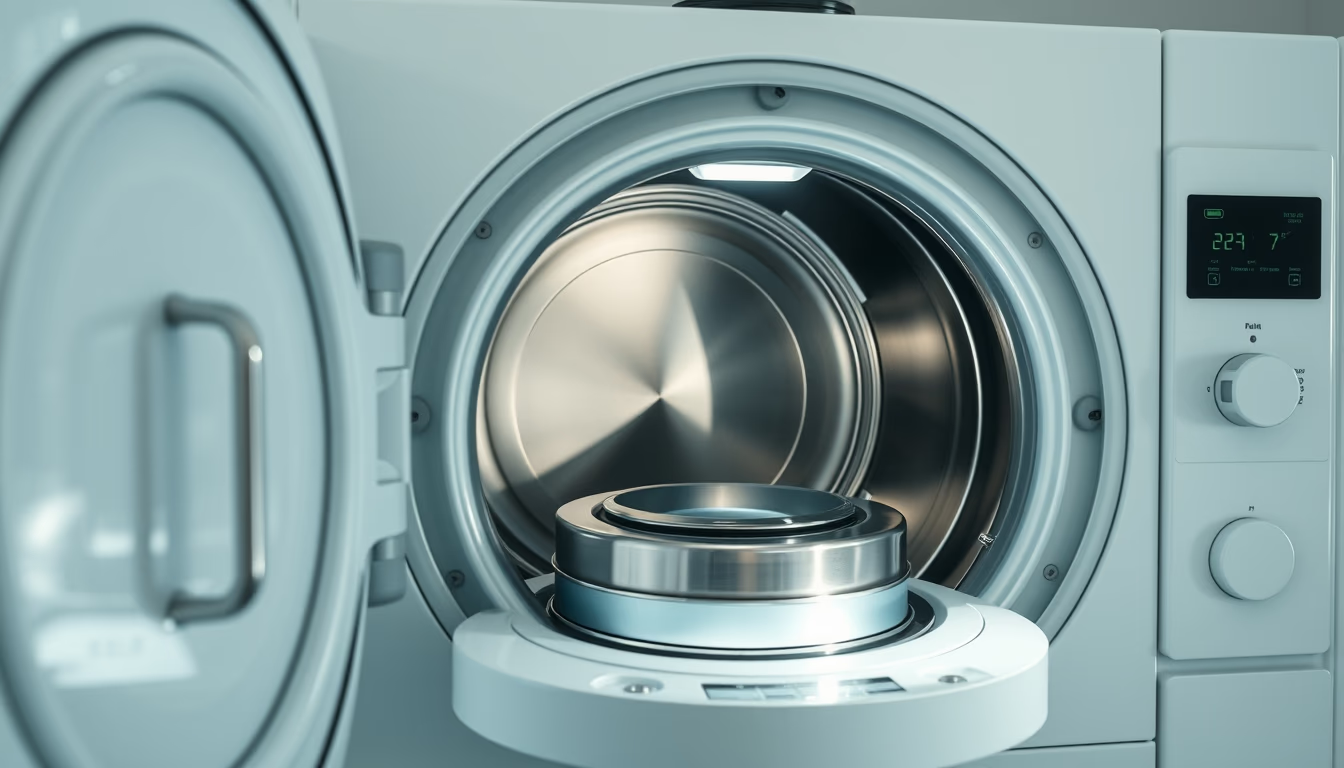
The autoclave is essential equipment for steam sterilization under pressure, widely used in laboratories and hospitals to eliminate microorganisms.
About this subject
An autoclave is a device that uses saturated steam under pressure to sterilize materials and equipment. The operating principle relies on raising the temperature above 100°C, typically between 121°C and 134°C, combined with pressure of 1 to 2.2 atmospheres, ensuring the destruction of bacteria, viruses, fungi, and spores. The process consists of cycles including heating, steam exposure, and cooling, with duration varying according to load type and machine design.
Originally developed by Charles Chamberland in 1879, the autoclave became standard in settings requiring strict asepsis, such as hospitals, dental clinics, microbiology laboratories, and pharmaceutical industries. Models range from benchtop units for small practices to large hospital sterilizers, featuring gravity or pre-vacuum cycles that enhance steam penetration. Cycle validation is performed using biological and chemical indicators, such as tape and vials containing Bacillus stearothermophilus spores.
Beyond sterilizing surgical instruments, glassware, and culture media, autoclaves play a crucial role in treating infectious waste, reducing biological hazards before disposal. Preventive maintenance and operator training are essential to avoid failures like residual air that compromises efficacy. Technical standards such as ABNT NBR 14976 and ANVISA RDC 15 regulate safe use in Brazil.
Interestingly, the word autoclave comes from Greek 'autos' (self) and Latin 'clavis' (key), referring to the lid that locks automatically due to internal pressure. A well-regulated autoclave can sterilize a typical load in about 15 to 30 minutes, depending on temperature and volume.
Frequently Asked Questions
How does an autoclave work?
An autoclave works by heating water to produce saturated steam, which is maintained under pressure inside a sealed chamber. The high temperature (121°C to 134°C) combined with pressure kills microorganisms, including resistant spores. The cycle includes air removal, steam exposure, and cooling.
What temperature is ideal for sterilization in an autoclave?
The most common temperature is 121°C (at 1 atm pressure) with exposure time of 15 to 30 minutes. For more robust materials, 134°C (2 atm) for 3 to 15 minutes is used. The choice depends on the load type and manufacturer recommendations.
What materials can be sterilized in an autoclave?
Metal instruments, glassware, surgical textiles, culture media, and aqueous solutions can be sterilized. Heat-sensitive materials such as thermolabile plastics, paper, and blades may be damaged. It is important to check thermal compatibility of each item.
Direct URL
https://pub-c7d6a6ea828543ac903a74a341ccb2e1.r2.dev/imagens/autoclave-sterilizer-macro-closeup-fresh17.avifHow to credit
Include a visible link back to UtilizAí. Copy one of the snippets below:
<a href="https://xn--utiliza-eza.com/en/midia/imagens/autoclave-sterilizer-macro-closeup-fresh17">Autoclave sterilizer</a> by <a href="https://xn--utiliza-eza.com">UtilizAí</a>, licensed under <a href="https://creativecommons.org/licenses/by/4.0/">CC BY 4.0</a>.
[Autoclave sterilizer](https://xn--utiliza-eza.com/en/midia/imagens/autoclave-sterilizer-macro-closeup-fresh17) by [UtilizAí](https://xn--utiliza-eza.com), CC BY 4.0
License: CC-BY-4.0