Autoclave sterilizer
1344×768 · AVIF · CC BY 4.0
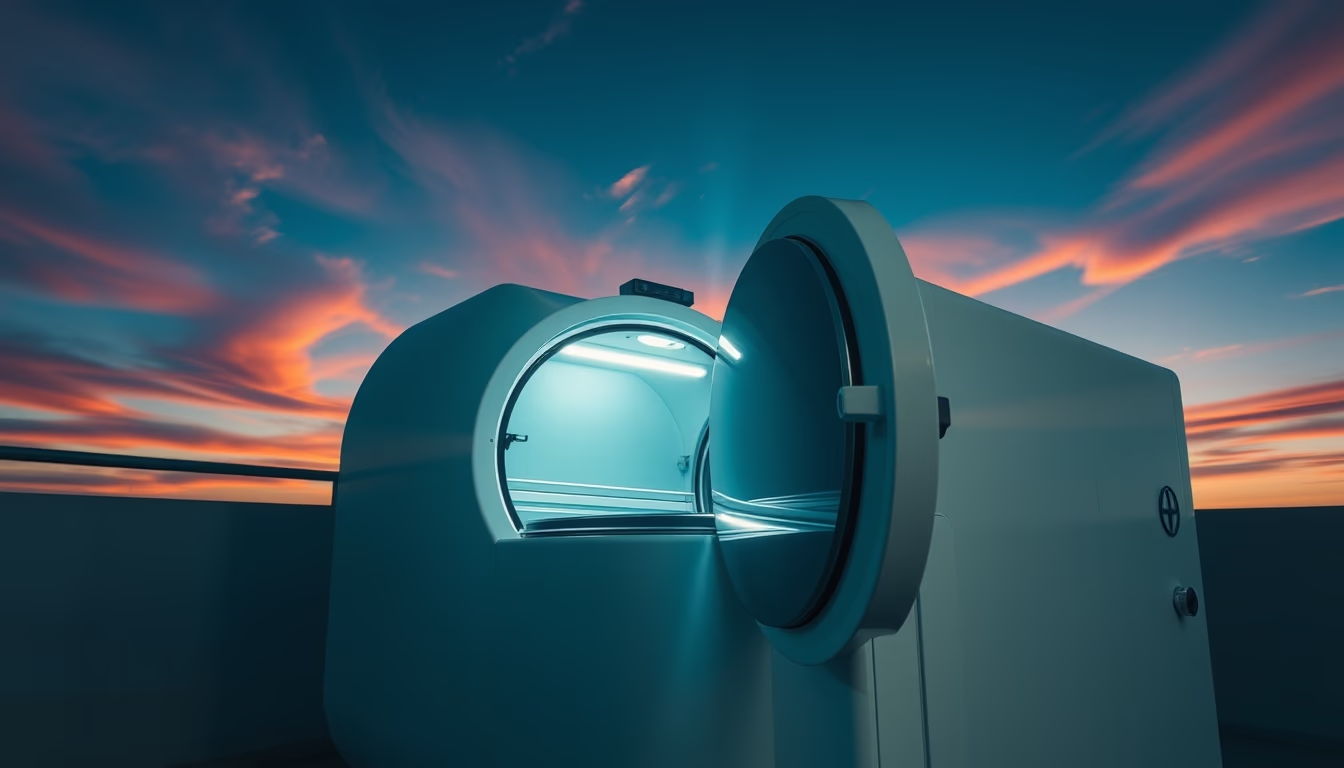
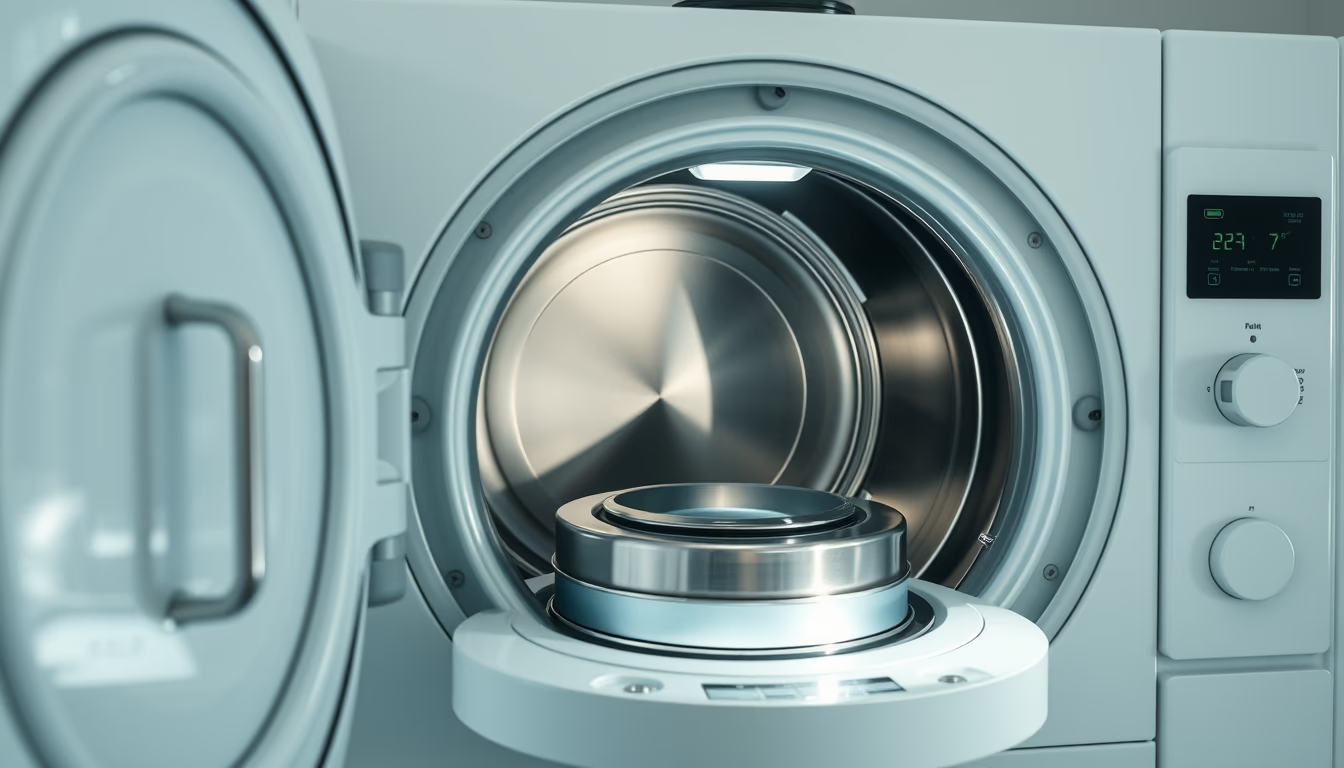
The autoclave sterilizer is essential equipment in laboratories and hospitals, using steam under pressure to eliminate microorganisms from instruments and materials.
About this subject
An autoclave is a device that sterilizes materials using saturated steam under elevated pressure, typically reaching temperatures of 121°C or 134°C. The principle relies on protein coagulation of microorganisms, ensuring destruction of bacteria, viruses, fungi, and spores. In microbiology labs, hospitals, and dental clinics, autoclaves are essential for preparing culture media, sterilizing surgical instruments, and disposing of biological waste. Effectiveness depends on exposure time, temperature, and air removal from the chamber.
Invented by French engineer Charles Chamberland in 1879, the modern autoclave evolved from household pressure cookers. Chamberland, an assistant to Louis Pasteur, designed the equipment to meet the needs of burgeoning microbiology. Since then, the autoclave has become the gold standard for sterilization worldwide. Regulatory bodies like the U.S. FDA and European Medicines Agency set stringent validation protocols for autoclave use in healthcare and pharmaceutical settings.
Two main types exist: gravity displacement and pre-vacuum. The former is common in simple labs, while the latter uses pumps to remove air before steam injection, enabling faster cycles and better penetration into porous materials. Modern autoclaves feature sensors, rubber gaskets, safety valves, and cycle logging for traceability. Preventive maintenance such as drain cleaning and thermocouple calibration is critical for consistent performance.
Notably, autoclaves differ from dry heat sterilizers, which use hot air and require higher temperatures (160°C, 180°C) for longer periods. In the pharmaceutical industry, autoclaves validate sterile product batches, while in food processing they sterilize canned goods. Despite newer technologies like gamma radiation, autoclaves remain the most reliable and cost-effective choice for large-scale sterilization. The long-exposure photograph emphasizes the equipment's durability under continuous operation, crucial for demanding laboratory routines.
Frequently Asked Questions
How does an autoclave sterilizer work?
It uses saturated steam under pressure, typically at 121°C or 134°C, to denature microbial proteins. Air is removed from the chamber to allow steam penetration, and exposure time ensures sterilization.
What is the difference between an autoclave and a dry heat sterilizer?
Autoclaves use moist steam under pressure, while dry heat sterilizers use hot air. Autoclaves operate at lower temperatures (121°C, 134°C) with shorter cycles, making them more effective for steam-permeable materials.
What precautions are important when operating an autoclave?
Check water level, avoid overloading, ensure proper door closure, use chemical and biological indicators, and perform routine maintenance according to regulatory standards.
Direct URL
https://pub-c7d6a6ea828543ac903a74a341ccb2e1.r2.dev/imagens/autoclave-sterilizer-long-exposure-fresh8.avifHow to credit
Include a visible link back to UtilizAí. Copy one of the snippets below:
<a href="https://xn--utiliza-eza.com/en/midia/imagens/autoclave-sterilizer-long-exposure-fresh8">Autoclave sterilizer</a> by <a href="https://xn--utiliza-eza.com">UtilizAí</a>, licensed under <a href="https://creativecommons.org/licenses/by/4.0/">CC BY 4.0</a>.
[Autoclave sterilizer](https://xn--utiliza-eza.com/en/midia/imagens/autoclave-sterilizer-long-exposure-fresh8) by [UtilizAí](https://xn--utiliza-eza.com), CC BY 4.0
License: CC-BY-4.0