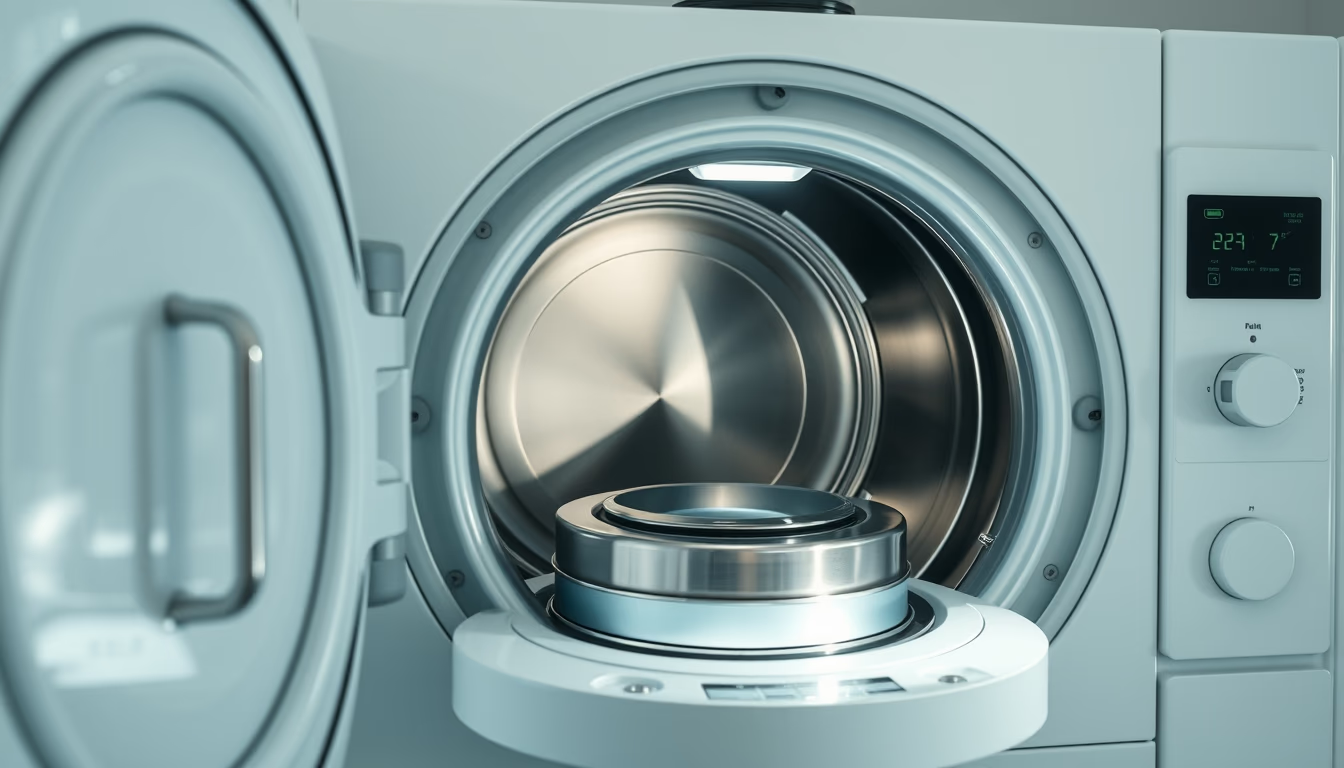
Autoclave sterilizer
1344×768 · AVIF · CC BY 4.0
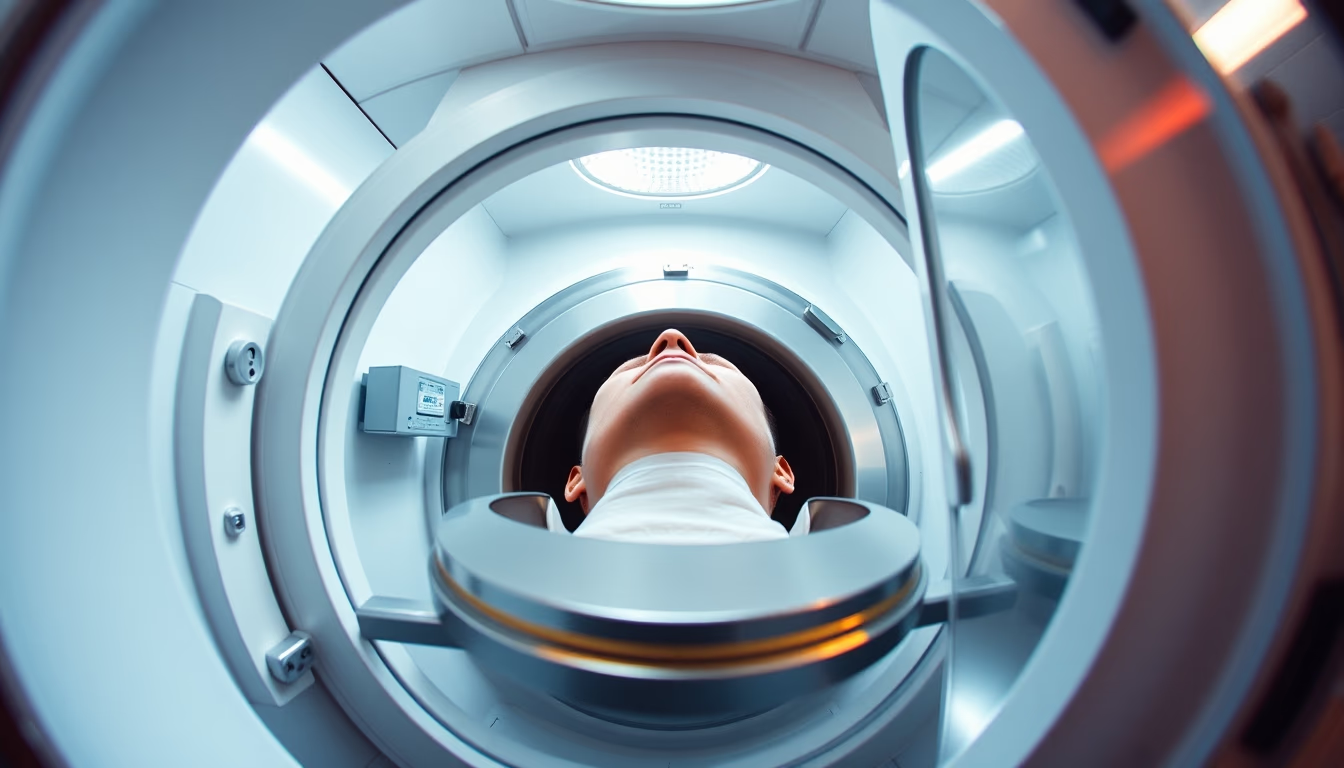
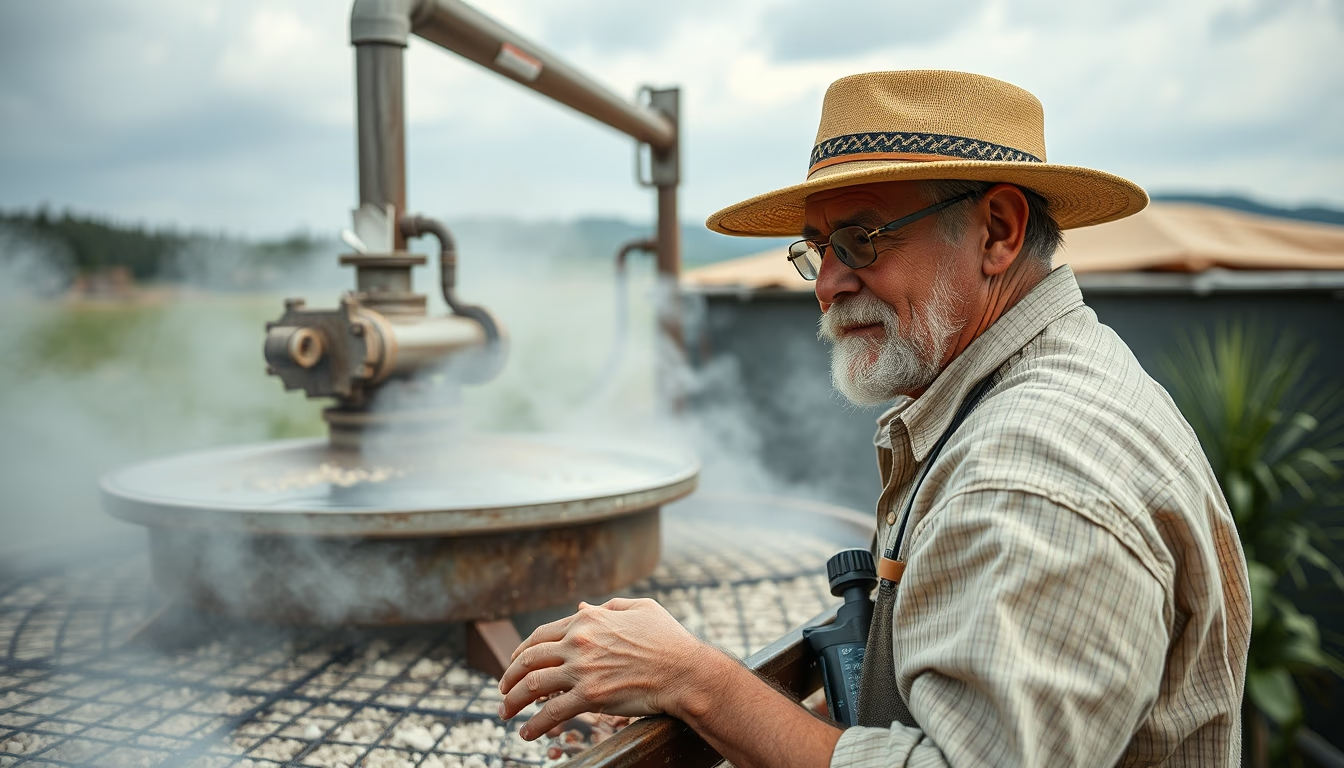
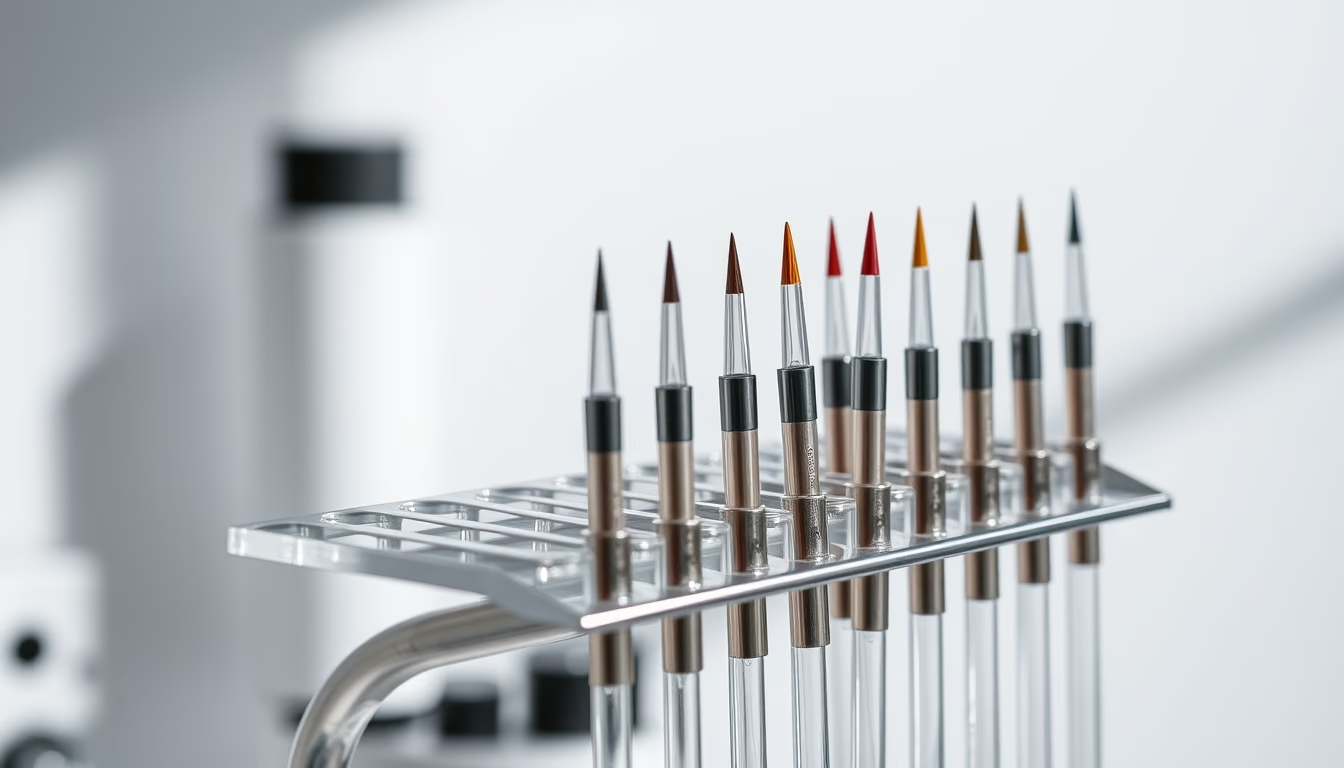
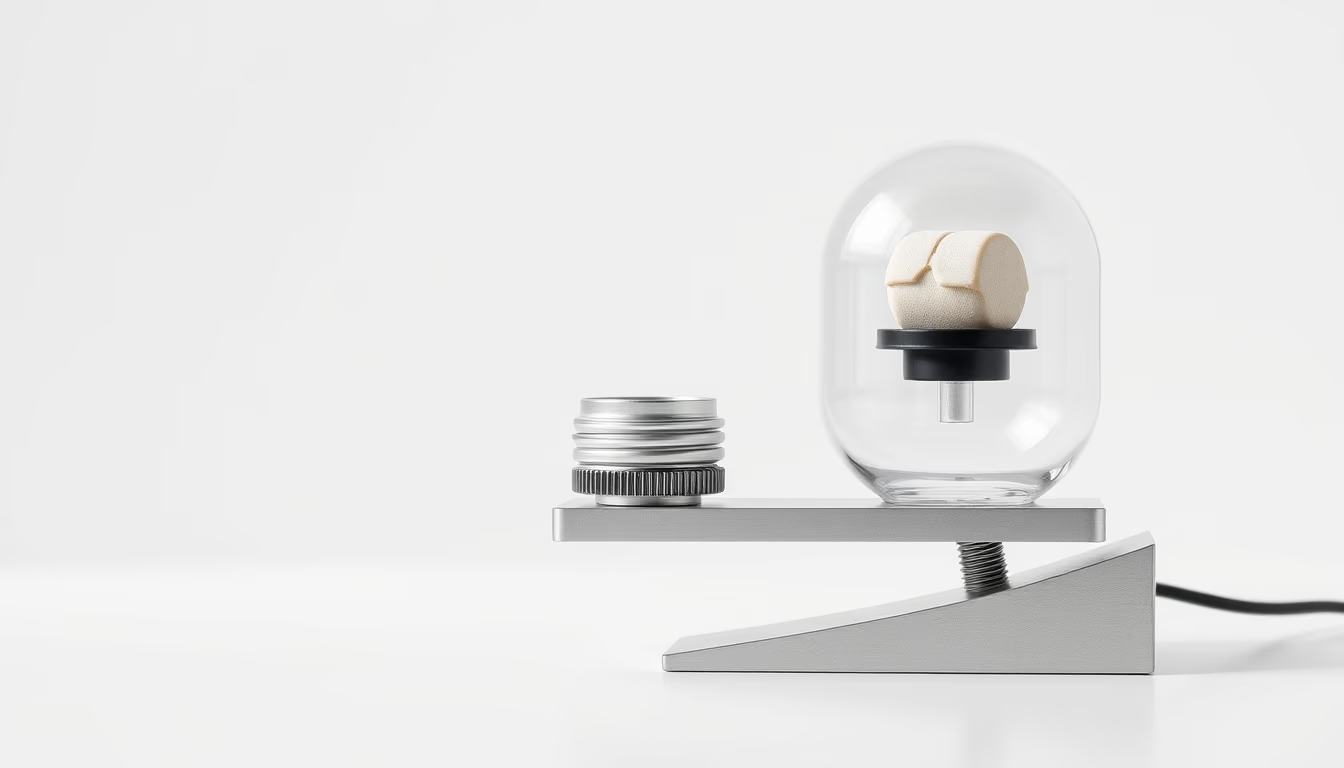
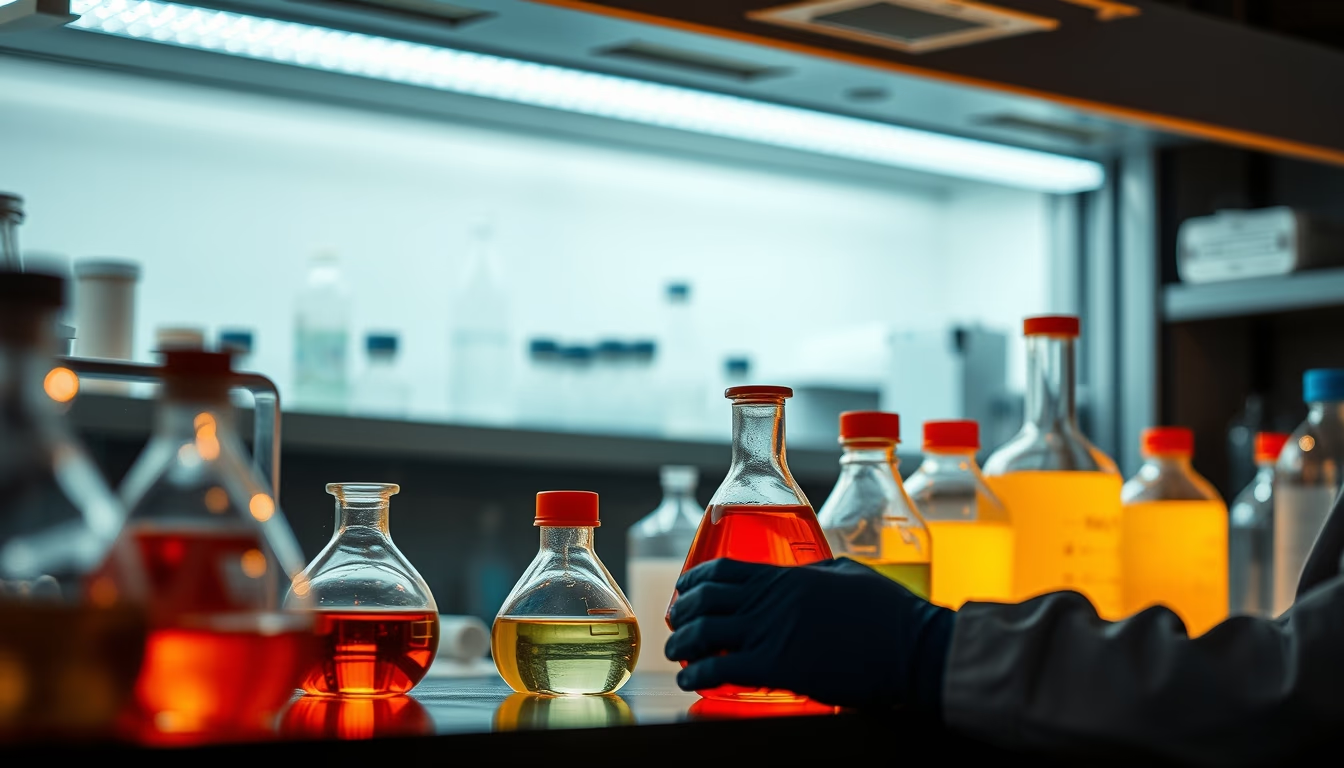
Autoclave sterilizer, essential equipment for steam sterilization under pressure, used in laboratories and hospitals to eliminate microorganisms.
About this subject
The autoclave is a device that uses saturated steam under pressure to sterilize materials, eliminating bacteria, viruses, fungi, and spores. Invented by Charles Chamberland in 1879, a variation of Denis Papin's original concept, the autoclave became standard in environments requiring strict asepsis.
Its operating principle is based on raising the boiling point of water when subjected to elevated pressure. Typical cycles run at 121°C with a pressure of 1 atm for 15 to 30 minutes, or at 134°C for 3 to 5 minutes for heat-resistant materials. This process ensures the death of all microorganisms, including bacterial spores.
Applications are vast: hospitals sterilize surgical instruments, linens, and infectious waste; laboratories treat culture media, glassware, and biological materials; the pharmaceutical and food industries also use autoclaves for preservation and safety. In Brazil, ANVISA regulates their use in healthcare services, requiring periodic cycle validation.
There are several types: benchtop autoclaves (small, for clinics), vertical autoclaves (common in labs), horizontal autoclaves (large hospital capacity), and plasma autoclaves (low temperature for sensitive materials). Maintenance includes biological tests with spore indicators and chemical indicators to verify efficacy. Interestingly, autoclaves are also used in the canning industry to sterilize food, a process called appertization.
Frequently Asked Questions
What is the difference between an autoclave and an oven?
An autoclave uses moist heat under pressure to sterilize, while an oven uses dry heat (hot air). Autoclaves are faster and more effective against spores, but cannot be used on moisture-sensitive materials.
How long does a sterilization cycle take?
It depends on temperature and load type. Cycles at 121°C last 15 to 30 minutes, while at 134°C they take 3 to 5 minutes. Total time includes heating and cooling.
What cannot be placed in an autoclave?
Materials sensitive to moist heat, such as paper, delicate fabrics, non-resistant plastics, and instruments with sharp blades (may lose edge). Hermetically sealed items may explode.
Direct URL
https://pub-c7d6a6ea828543ac903a74a341ccb2e1.r2.dev/imagens/autoclave-sterilizer-fish-eye-wide-angle-fresh10.avifHow to credit
Include a visible link back to UtilizAí. Copy one of the snippets below:
<a href="https://xn--utiliza-eza.com/en/midia/imagens/autoclave-sterilizer-fish-eye-wide-angle-fresh10">Autoclave sterilizer</a> by <a href="https://xn--utiliza-eza.com">UtilizAí</a>, licensed under <a href="https://creativecommons.org/licenses/by/4.0/">CC BY 4.0</a>.
[Autoclave sterilizer](https://xn--utiliza-eza.com/en/midia/imagens/autoclave-sterilizer-fish-eye-wide-angle-fresh10) by [UtilizAí](https://xn--utiliza-eza.com), CC BY 4.0
License: CC-BY-4.0