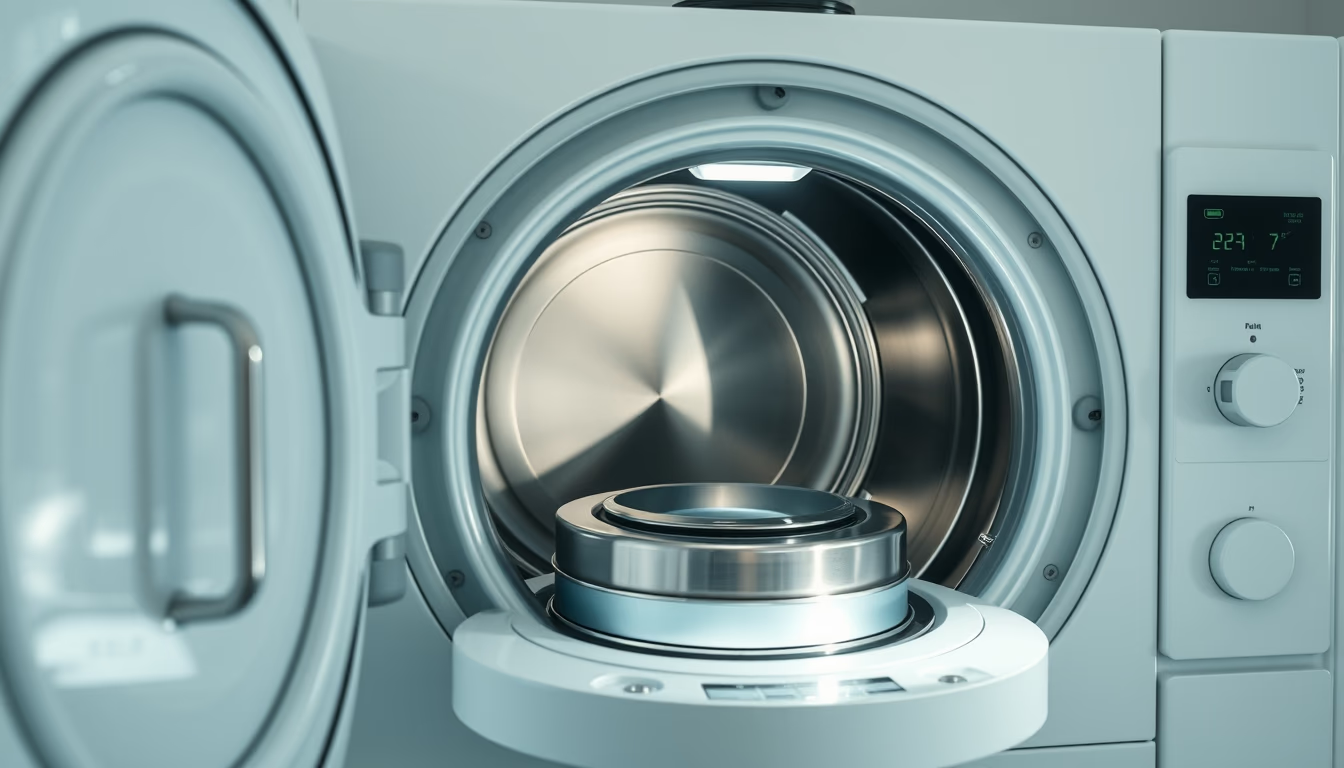
Autoclave sterilizer
1344×768 · AVIF · CC BY 4.0
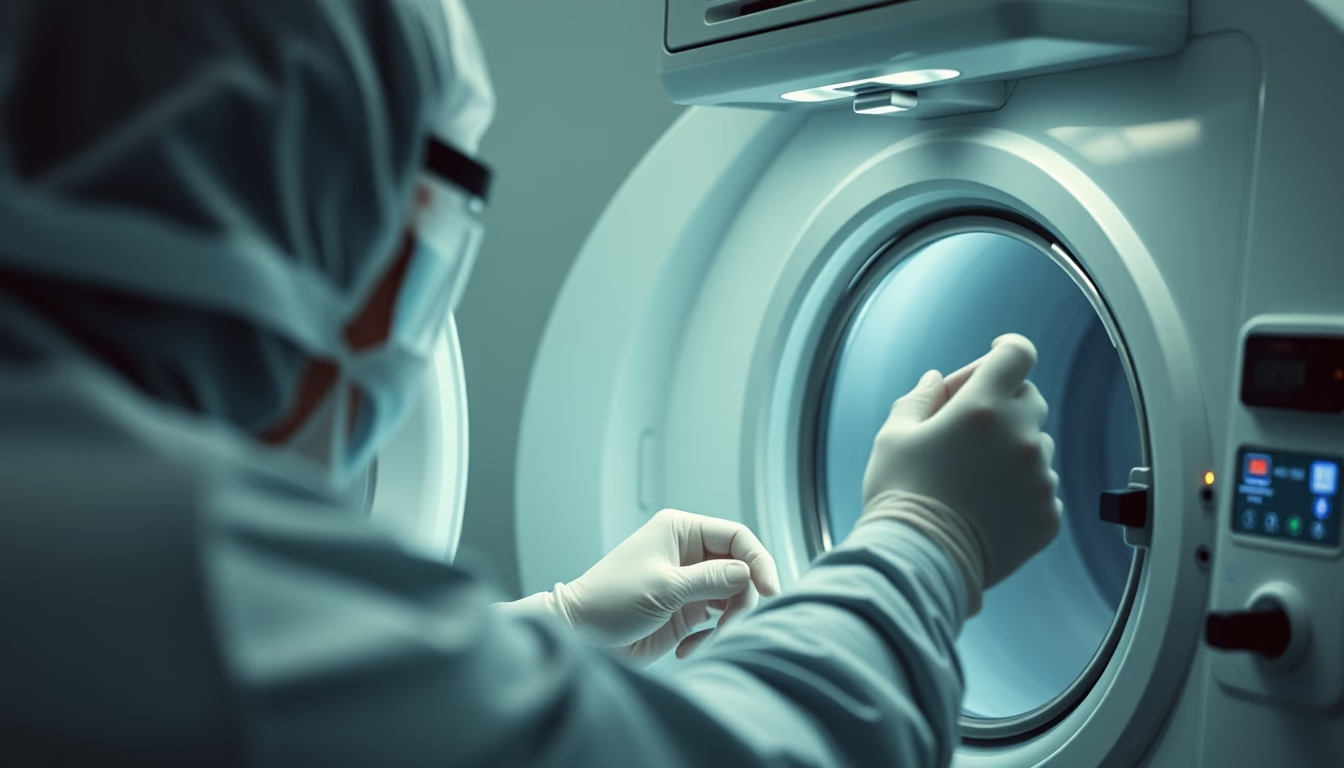
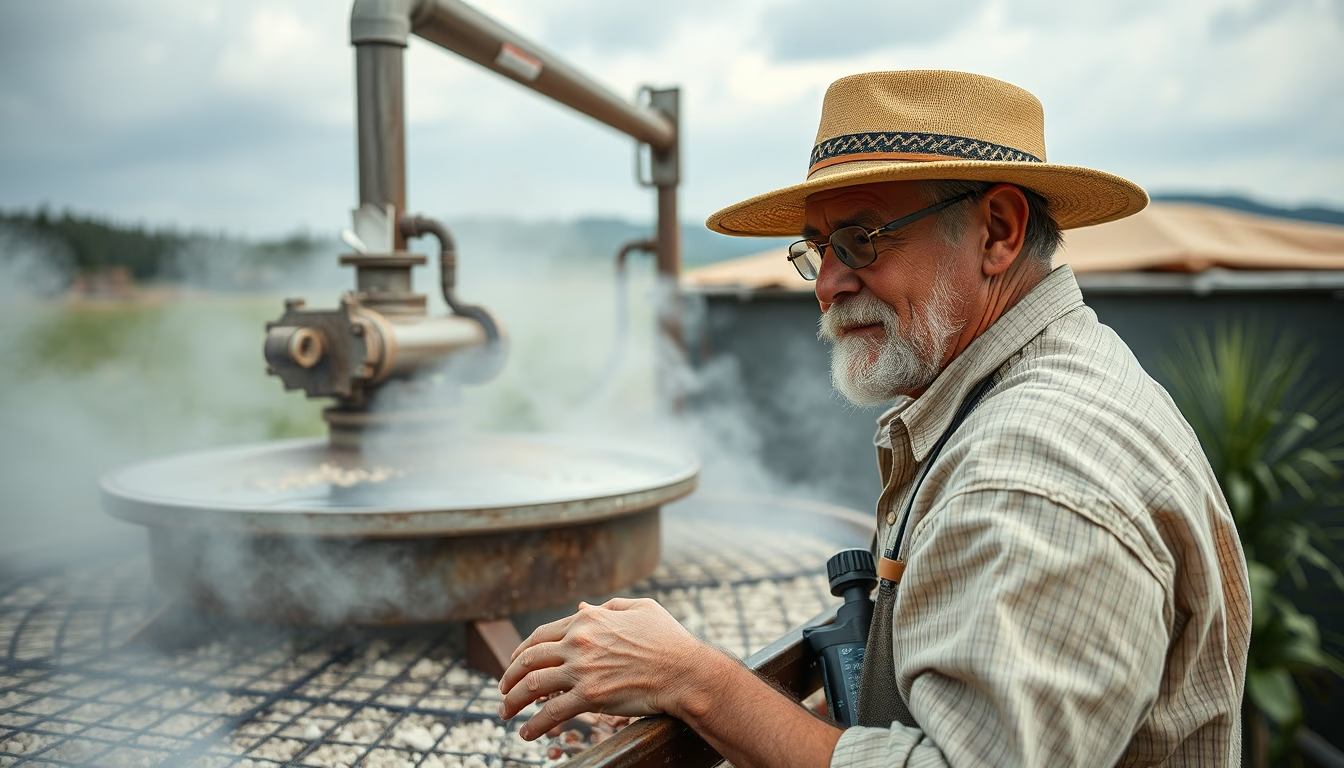
The autoclave is essential equipment for steam sterilization under pressure, used in laboratories, hospitals, and industries.
About this subject
An autoclave is a device that sterilizes materials and instruments using steam heated above 100°C under pressure, typically between 121°C and 134°C. This process destroys microorganisms including bacteria, viruses, fungi, and spores, ensuring safety in surgical procedures, laboratory analyses, and pharmaceutical production. The working principle involves a sterilization cycle: heating, pressurization, exposure to steam for a defined time, and cooling.
In practice, autoclaves are widely used in hospitals to sterilize surgical instruments, syringes, and dressings. In microbiology labs, they are essential for preparing culture media and disposing of biological waste. The food industry employs autoclaves for canning and pasteurization, while pharmaceutical companies use them to sterilize glassware and injectable solutions.
Different types of autoclaves exist: benchtop or horizontal models for smaller volumes, and large-scale units for hospitals and industries. Modern autoclaves feature digital cycle control, vacuum systems to remove air, and parameter recording for traceability. Proper maintenance, including periodic biological and chemical tests, is critical to ensure sterilization effectiveness.
Interestingly, the autoclave was invented in 1879 by French microbiologist Charles Chamberland, a colleague of Louis Pasteur. Since then, it has become one of the most reliable sterilization methods, especially for heat-resistant materials. In Brazil, the health regulatory agency Anvisa regulates autoclave use in healthcare services, requiring constant validation and monitoring.
Frequently Asked Questions
What is the difference between an autoclave and a dry heat sterilizer?
An autoclave uses moist steam under pressure, reaching 121°C, 134°C, while a dry heat sterilizer uses hot air at higher temperatures (160°C, 180°C) for longer periods. Autoclaves are faster and more effective for heat- and moisture-resistant items.
How long does a sterilization cycle in an autoclave take?
It depends on temperature and load. At 121°C, cycles typically last 15, 30 minutes; at 134°C, 3, 10 minutes. Heating and cooling times also add to the total duration.
What materials cannot be autoclaved?
Items sensitive to heat or moisture, such as low-melting-point plastics, optical instruments, flammable substances, and sharp blades, can be damaged. Always check manufacturer specifications.
Direct URL
https://pub-c7d6a6ea828543ac903a74a341ccb2e1.r2.dev/imagens/autoclave-sterilizer-film-grain-authentic-fresh5.avifHow to credit
Include a visible link back to UtilizAí. Copy one of the snippets below:
<a href="https://xn--utiliza-eza.com/en/midia/imagens/autoclave-sterilizer-film-grain-authentic-fresh5">Autoclave sterilizer</a> by <a href="https://xn--utiliza-eza.com">UtilizAí</a>, licensed under <a href="https://creativecommons.org/licenses/by/4.0/">CC BY 4.0</a>.
[Autoclave sterilizer](https://xn--utiliza-eza.com/en/midia/imagens/autoclave-sterilizer-film-grain-authentic-fresh5) by [UtilizAí](https://xn--utiliza-eza.com), CC BY 4.0
License: CC-BY-4.0