Arabic calligraphy mosque
1344×768 · AVIF · CC BY 4.0
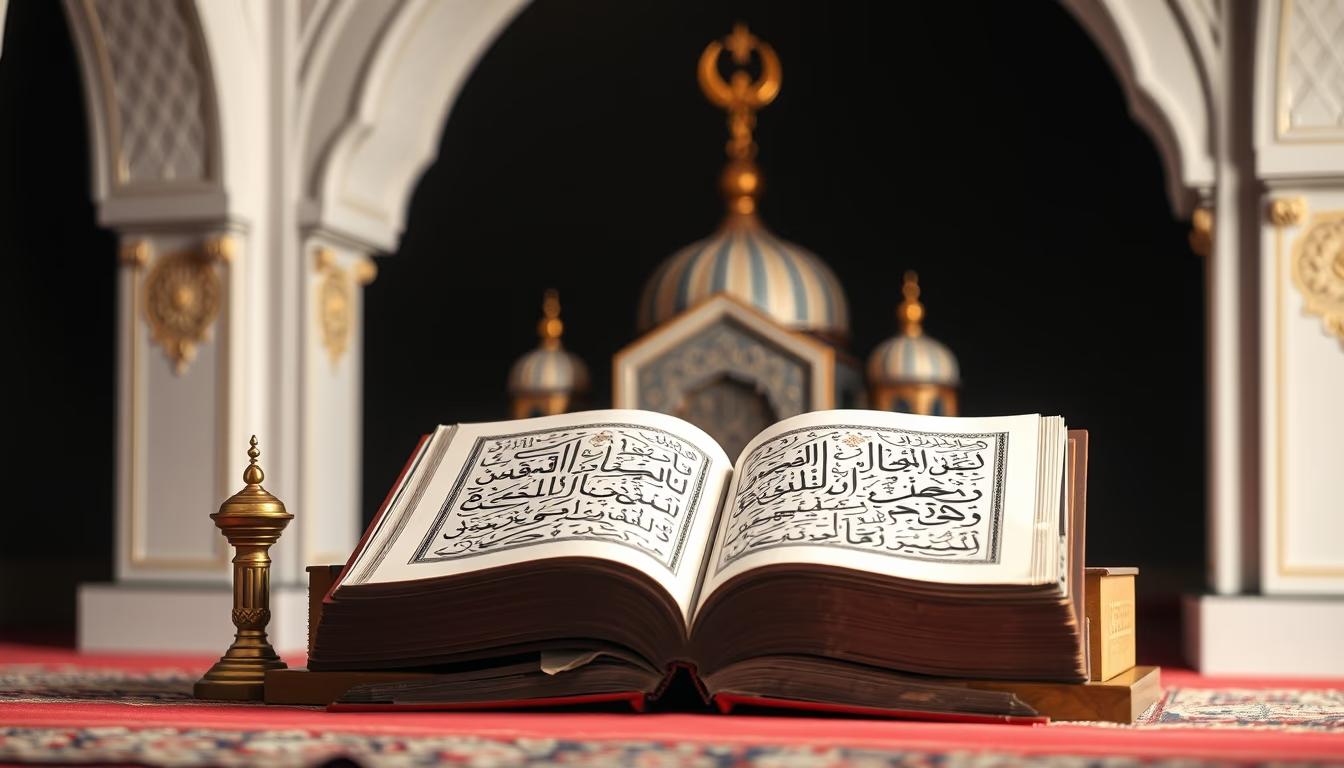
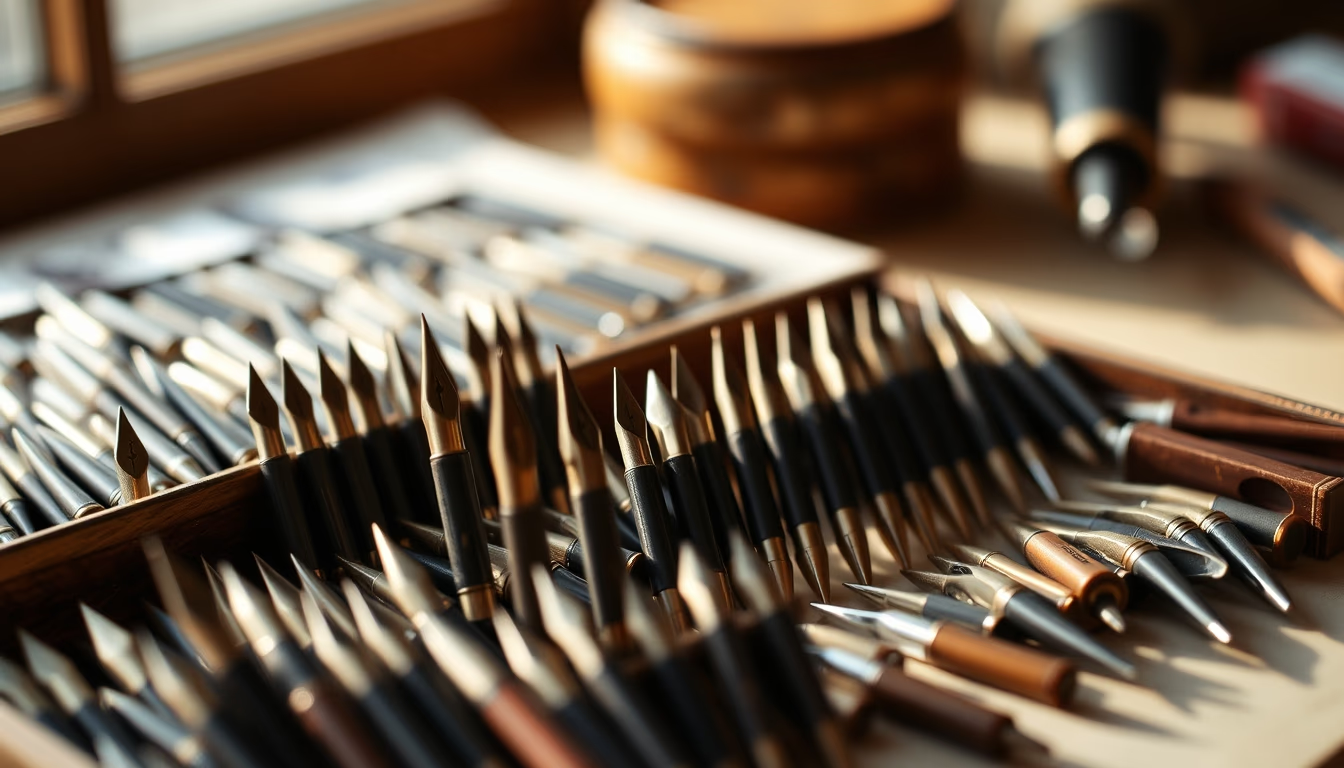
Arabic calligraphy in mosques is an ancient art blending faith and aesthetics, with Quranic verses adorning walls and domes.
About this subject
Arabic calligraphy in mosques is not mere decoration; it is a visual embodiment of the divine word. Since the 7th century, with the spread of Islam, calligraphic art developed to record and embellish the Quran. In mosques, inscriptions often include verses like the Basmala or Shahada, written in styles such as Naskh, Thuluth, or Diwani. Each style has unique features: Thuluth is elegant and used for large panels, while Naskh is more legible for running text.
The choice of style and placement follows regional traditions. In the Mosque of Cordoba, Spain, one finds a blend of Umayyad influences with Kufic calligraphy, geometric and angular. In Istanbul's Blue Mosque, Thuluth prevails, with verses on Iznik tiles. In the Great Mosque of Djenné, Mali, calligraphy integrates with adobe architecture, demonstrating local adaptation.
Beyond religious value, mosque calligraphy reflects cultural patronage by different dynasties. The Ottomans, for example, sponsored calligraphers like Hamid Aytaç, whose works still adorn the Süleymaniye Mosque. In Iran, Persian calligraphy influenced Ta'liq, and in Safavid mosques like the Shah Mosque in Isfahan, blue and turquoise mosaics display verses in elegant curves.
Interestingly, the prohibition of figurative representation in Islamic sacred spaces elevated calligraphy to the primary art form. Techniques such as illumination (tezhip) and gilding enhance letters, creating light and shadow effects. Today, calligraphy remains vibrant, with contemporary artists reinterpreting classical forms in new materials, keeping the tradition as a bridge between the divine and human.
Frequently Asked Questions
What is the most common calligraphy style in mosques?
Thuluth is common for its elegance and readability on large surfaces. Naskh is also frequent, and in older mosques, geometric Kufic appears.
Why is calligraphy so important in Islamic art?
Because Islam discourages figurative representation in religious contexts, calligraphy became the primary decorative art form, especially for displaying Quranic verses.
Are there famous calligraphers who worked in mosques?
Yes, such as Ottoman Hamid Aytaç (Süleymaniye Mosque) and Persian Mir Ali Tabrizi, creator of Nasta'liq. Many held the title of hüsn-i hat (beautiful writing).
Direct URL
https://pub-c7d6a6ea828543ac903a74a341ccb2e1.r2.dev/imagens/arabic-calligraphy-mosque-studio-still-life-fresh1.avifHow to credit
Include a visible link back to UtilizAí. Copy one of the snippets below:
<a href="https://xn--utiliza-eza.com/en/midia/imagens/arabic-calligraphy-mosque-studio-still-life-fresh1">Arabic calligraphy mosque</a> by <a href="https://xn--utiliza-eza.com">UtilizAí</a>, licensed under <a href="https://creativecommons.org/licenses/by/4.0/">CC BY 4.0</a>.
[Arabic calligraphy mosque](https://xn--utiliza-eza.com/en/midia/imagens/arabic-calligraphy-mosque-studio-still-life-fresh1) by [UtilizAí](https://xn--utiliza-eza.com), CC BY 4.0
License: CC-BY-4.0