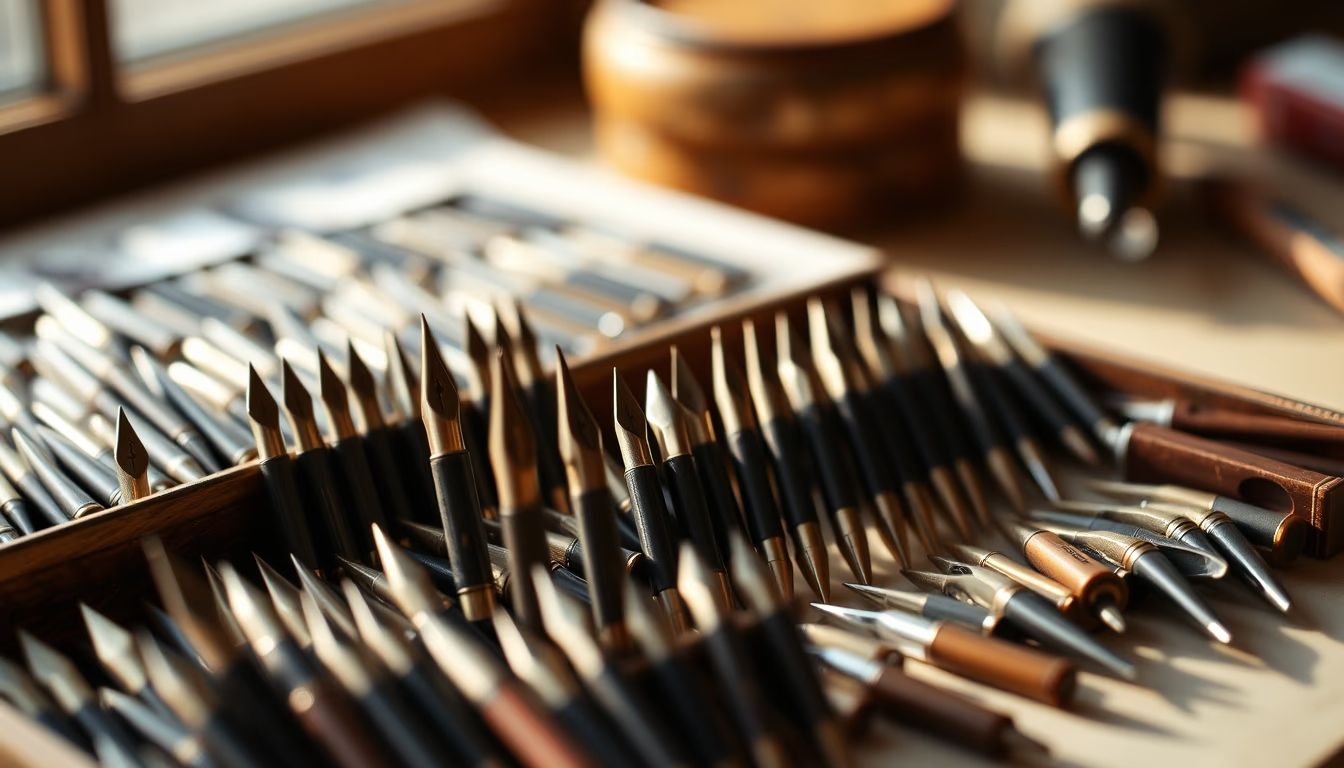
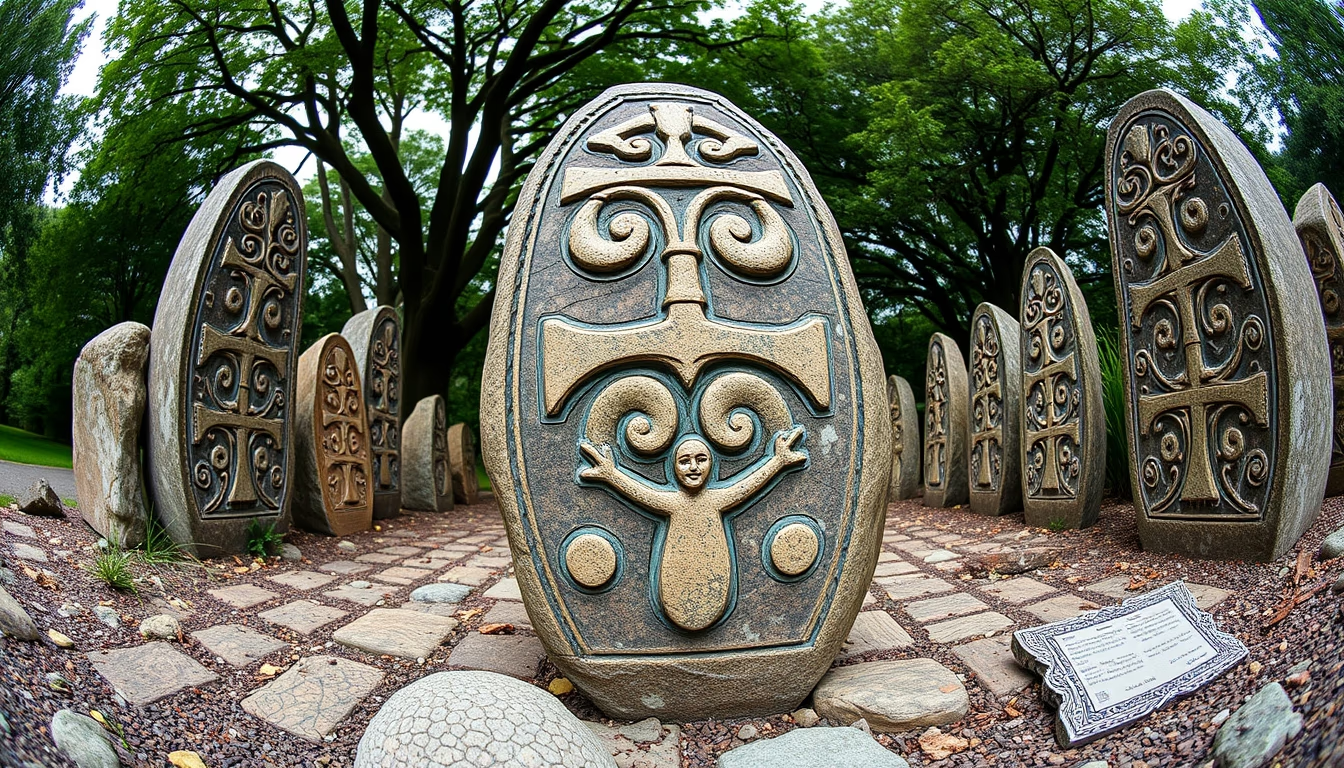
Arabic calligraphy mosque
1344×768 · AVIF · CC BY 4.0
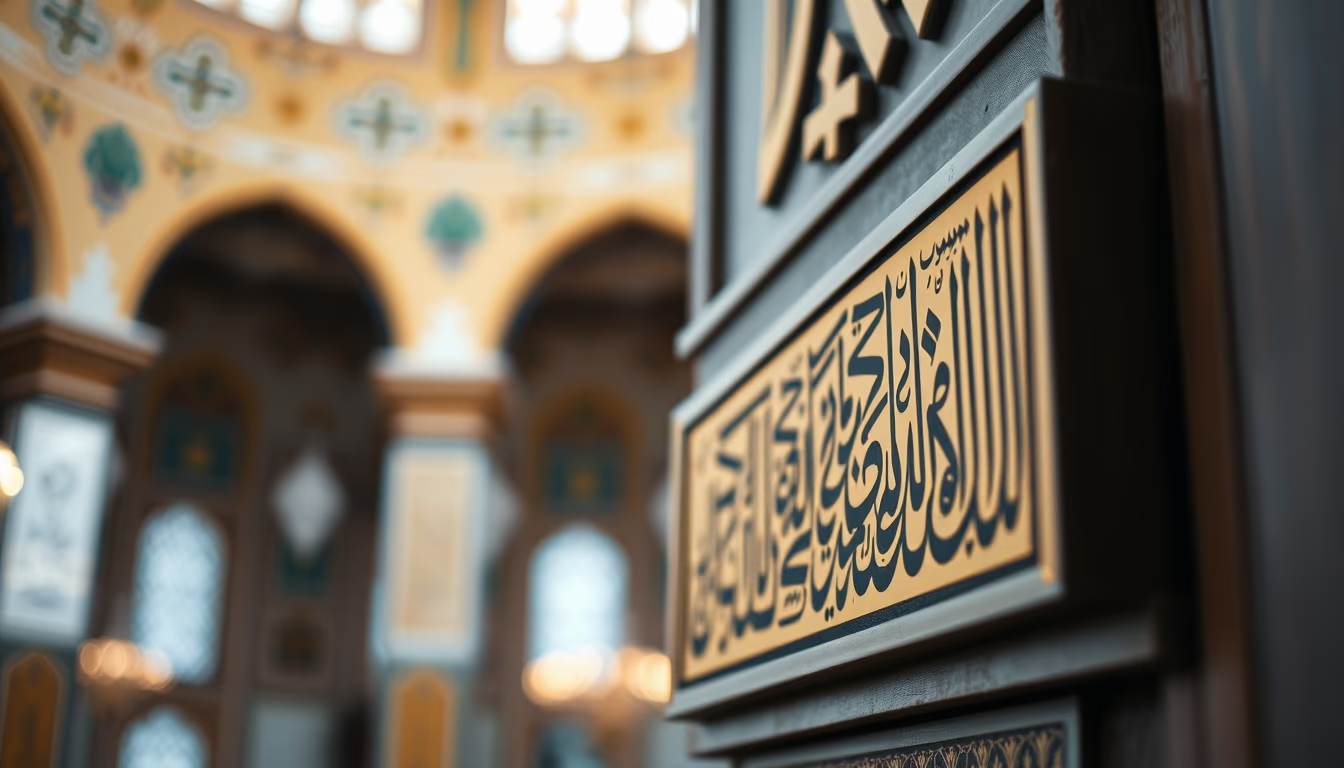
Arabic calligraphy in mosques: sacred art blending devotion and aesthetics, found on walls, domes, and prayer niches.
About this subject
Arabic calligraphy is one of the most revered art forms in the Islamic world, and its presence in mosques transforms architecture into a spiritual and visual experience. Unlike figurative painting, which is avoided in religious contexts, calligraphy allows Quranic verses and divine names to be represented beautifully and reverently. Mosques worldwide, from the Great Mosque of Córdoba to the Sultan Ahmed Mosque in Istanbul, display inscriptions in styles such as Kufic, Thuluth, and Naskh, each with distinct proportions and fluidity.
The technique of carving or painting calligraphy on marble, wood, or tiles requires mastery. Calligraphers often spend years learning proportion rules, such as the Islamic 'golden ratio' based on the letter 'alif'. The placement of texts on mihrabs (niches indicating the direction of Mecca) and domes is not random: it guides the faithful's gaze and meditation. At the Hassan II Mosque in Casablanca, for instance, a mosaic inscription runs around the entire perimeter, featuring verses about creation.
Calligraphy in mosques also carries symbolism. The Muhaqqaq style, with elongated strokes, is common on large surfaces, while Diwani, more ornamental, appears in smaller details. Each curve and negative space is calculated for harmony, reflecting the belief that beautiful writing brings the believer closer to the divine. This thousand-year-old tradition continues to be preserved by contemporary artists, who sometimes blend traditional techniques with new media, keeping the connection between writing and faith alive.
Frequently Asked Questions
Why is Arabic calligraphy so important in mosques?
It allows decorating spaces with Quranic verses without figurative imagery, honoring the divine word and creating a contemplative atmosphere.
What are the main calligraphic styles used in mosques?
Styles like Kufic, Thuluth, Naskh, and Muhaqqaq are common. Kufic is angular and ancient; Thuluth is elegant for titles; Naskh is legible for longer texts.
How does mosque calligraphy influence architecture?
Calligraphy is integrated into mihrabs, domes, and doors, guiding the gaze and reinforcing the prayer direction. It also defines the visual hierarchy of spaces.
Direct URL
https://pub-c7d6a6ea828543ac903a74a341ccb2e1.r2.dev/imagens/arabic-calligraphy-mosque-macro-closeup-fresh11.avifHow to credit
Include a visible link back to UtilizAí. Copy one of the snippets below:
<a href="https://xn--utiliza-eza.com/en/midia/imagens/arabic-calligraphy-mosque-macro-closeup-fresh11">Arabic calligraphy mosque</a> by <a href="https://xn--utiliza-eza.com">UtilizAí</a>, licensed under <a href="https://creativecommons.org/licenses/by/4.0/">CC BY 4.0</a>.
[Arabic calligraphy mosque](https://xn--utiliza-eza.com/en/midia/imagens/arabic-calligraphy-mosque-macro-closeup-fresh11) by [UtilizAí](https://xn--utiliza-eza.com), CC BY 4.0
License: CC-BY-4.0