Arabic calligraphy mosque
1344×768 · AVIF · CC BY 4.0
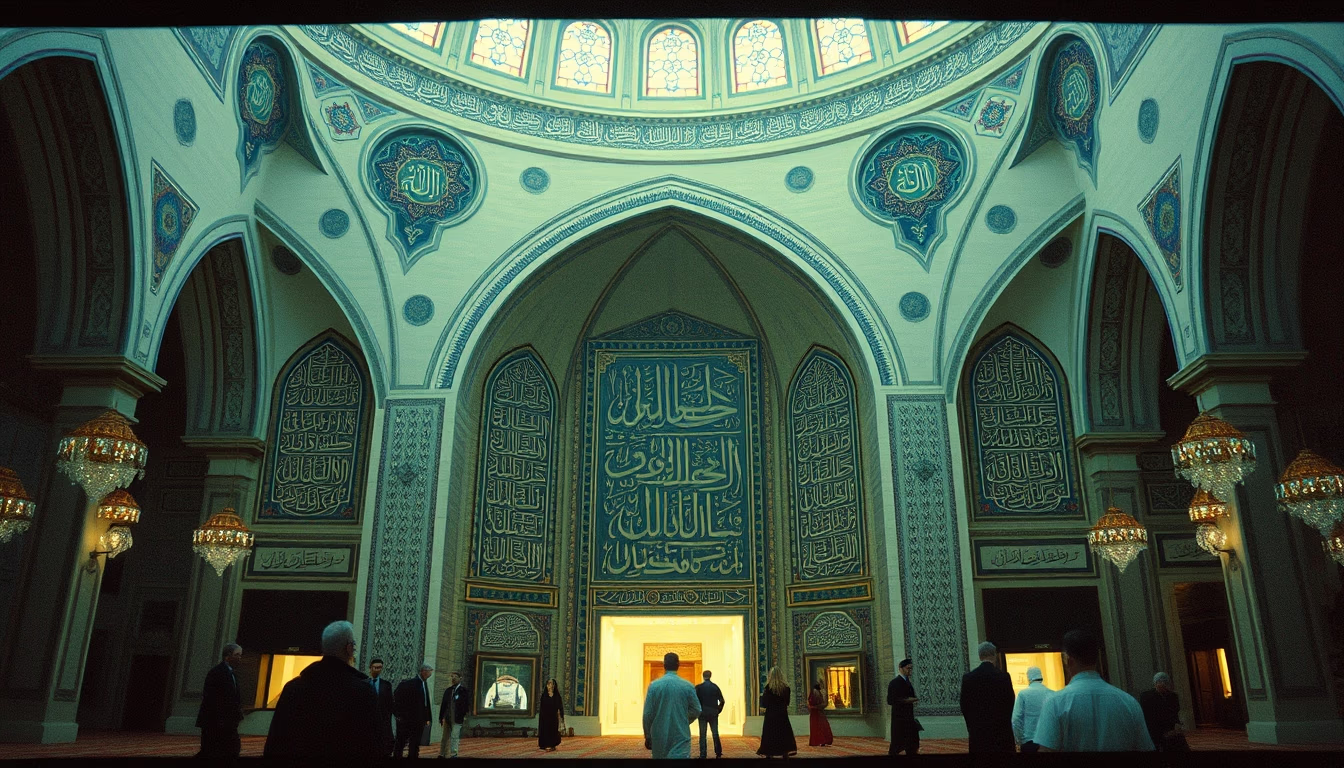
Arabic calligraphy in mosques is an Islamic art form combining aesthetic beauty and the transmission of sacred texts, such as Quranic verses.
About this subject
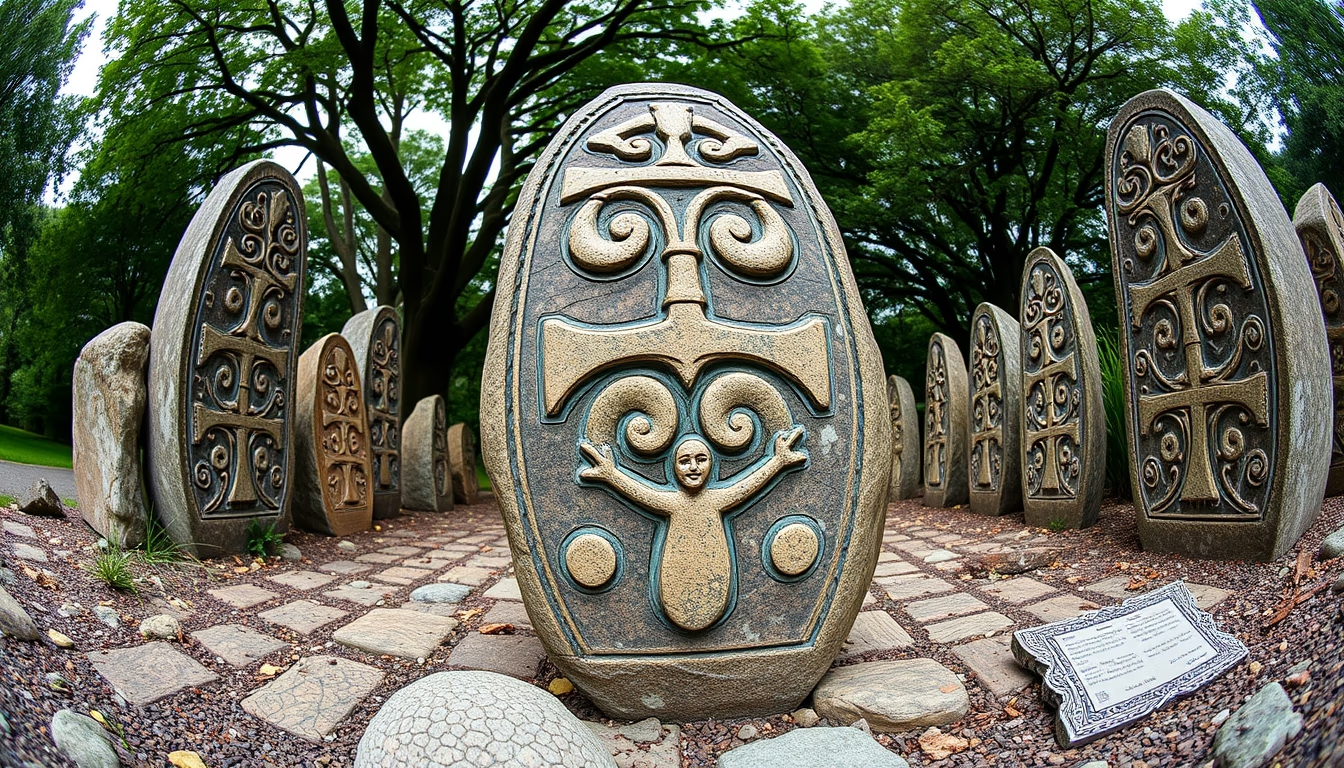
Arabic calligraphy, or khatt, is one of the most venerated art forms in the Islamic world. In mosques, it plays a central role in decoration and the transmission of God's word. Since the 7th century, calligraphers have developed styles such as Kufic, characterized by angular and straight lines, and Nasta'liq, more cursive and fluid. Calligraphy not only embellishes walls and domes but also serves as a visual reminder of Islamic teachings. Many historic mosques, like the Great Mosque of Córdoba in Spain and the Blue Mosque in Istanbul, feature calligraphic inscriptions that include Quranic verses, names of prophets, and phrases praising Allah.
The choice of calligraphic style often reflects the historical period and geographic region. For instance, the Maghrebi style is common in North Africa, while the Diwani style was developed in the Ottoman Empire for official documents. In mosques, calligraphy is frequently combined with arabesques and geometric patterns, creating visual harmony that avoids figurative representation, in accordance with Islamic traditions that discourage images of living beings in places of worship.
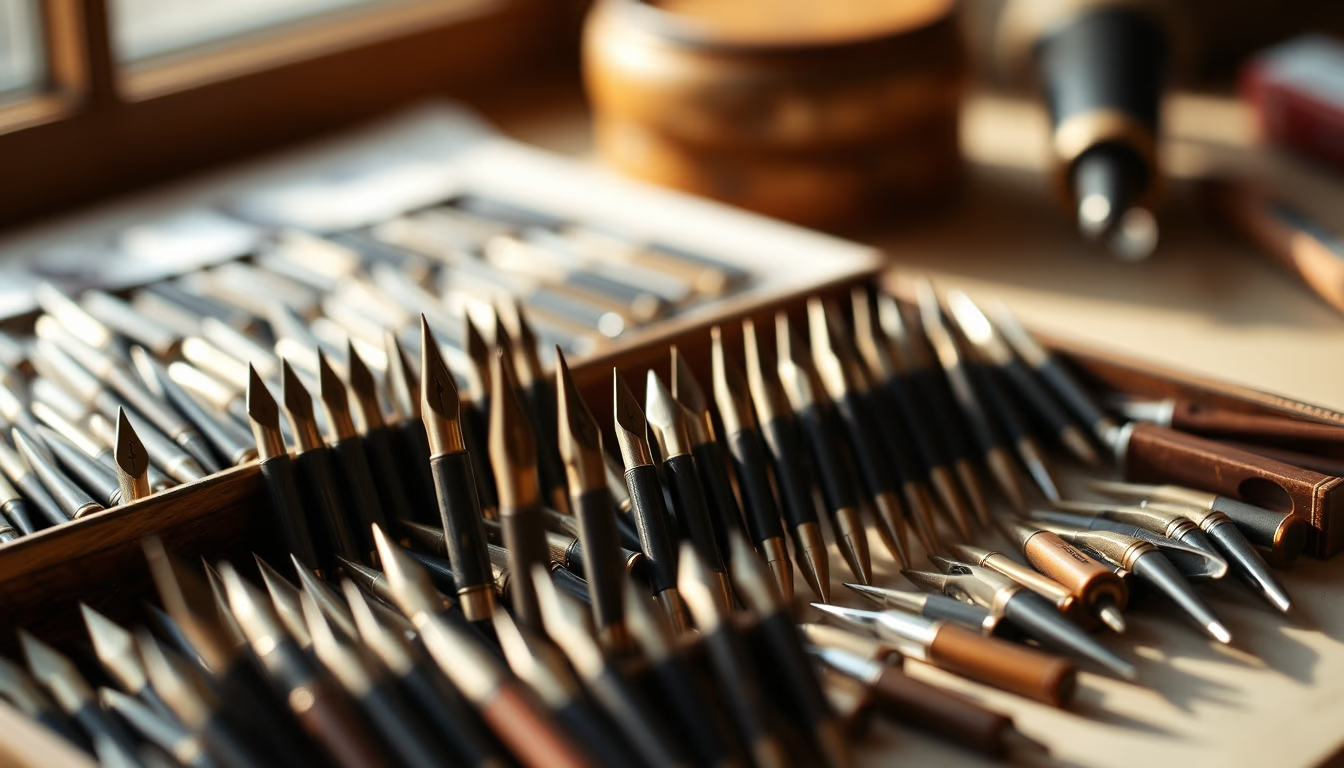
The creation of these works requires years of training and a deep understanding of the Arabic language and letter proportions. Each letter can be stylized in multiple ways, and calligraphers use tools such as bamboo pens (qalam) and special inks. Today, Arabic calligraphy in mosques continues to be practiced, with contemporary artists innovating new compositions that dialogue with tradition. Moreover, calligraphic art has become a globally recognized cultural symbol, appearing on stamps, coins, and logos, but it is in mosques that it maintains its deepest spiritual purpose.
Frequently Asked Questions
Why is Arabic calligraphy so important in mosques?
Arabic calligraphy is important because it conveys the word of Allah in a beautiful and respectful manner. It decorates the sacred space and serves as a constant reminder of Islamic teachings, avoiding figurative representation of living beings.
What are the main styles of calligraphy used in mosques?
The main styles include Kufic (angular, ancient), Naskh (clear and legible), Thuluth (elegant and curvilinear), and Diwani (complex, used in Ottoman administration). Each has unique characteristics and specific applications.
How is mosque calligraphy created?
Calligraphers use a cut bamboo pen (qalam) and soot-based ink. They must master letter proportions and geometry, training for years to create harmonious compositions that can be applied on panels, tiles, or directly on walls.
Direct URL
https://pub-c7d6a6ea828543ac903a74a341ccb2e1.r2.dev/imagens/arabic-calligraphy-mosque-lo-fi-disposable-camera-fresh0.avifHow to credit
Include a visible link back to UtilizAí. Copy one of the snippets below:
<a href="https://xn--utiliza-eza.com/en/midia/imagens/arabic-calligraphy-mosque-lo-fi-disposable-camera-fresh0">Arabic calligraphy mosque</a> by <a href="https://xn--utiliza-eza.com">UtilizAí</a>, licensed under <a href="https://creativecommons.org/licenses/by/4.0/">CC BY 4.0</a>.
[Arabic calligraphy mosque](https://xn--utiliza-eza.com/en/midia/imagens/arabic-calligraphy-mosque-lo-fi-disposable-camera-fresh0) by [UtilizAí](https://xn--utiliza-eza.com), CC BY 4.0
License: CC-BY-4.0