Arabic calligraphy mosque
1344×768 · AVIF · CC BY 4.0
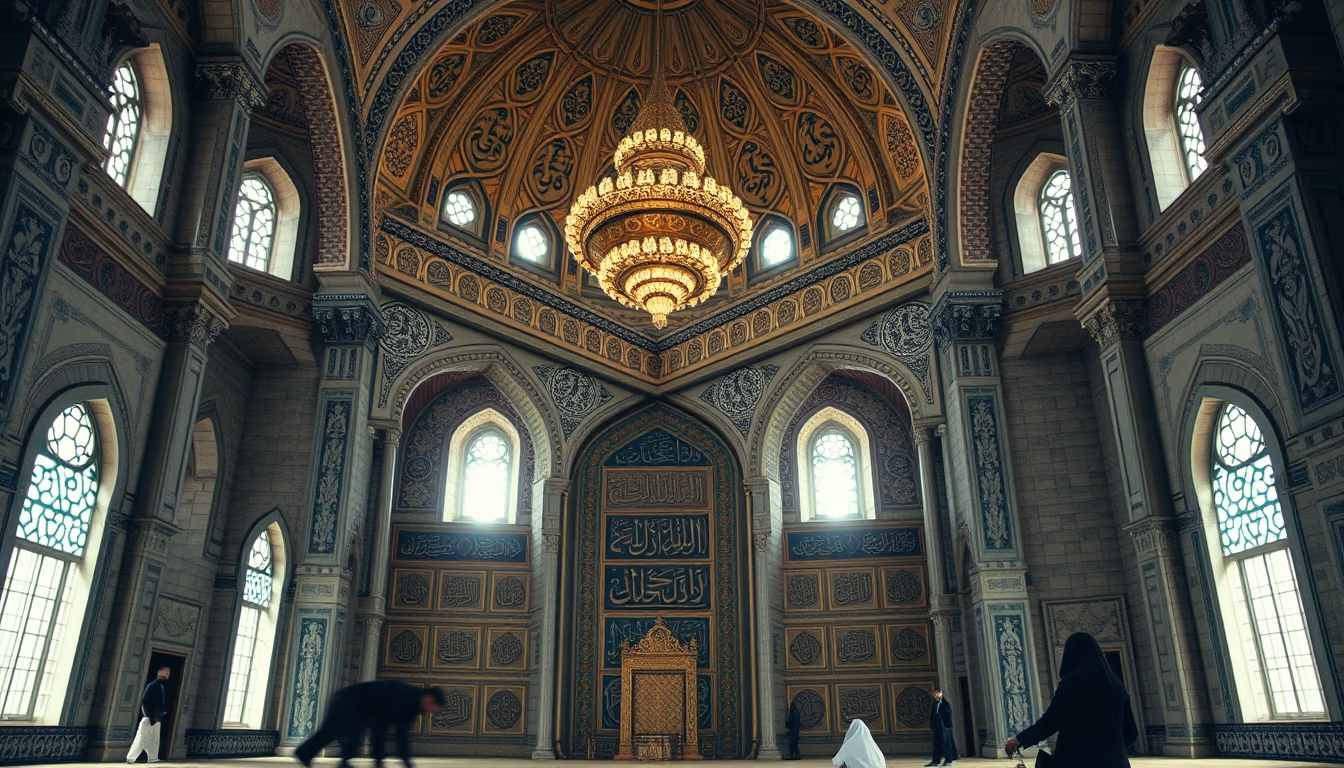
Arabic calligraphy in mosques is an Islamic art form that adorns walls and domes with Quranic verses and divine names.
About this subject
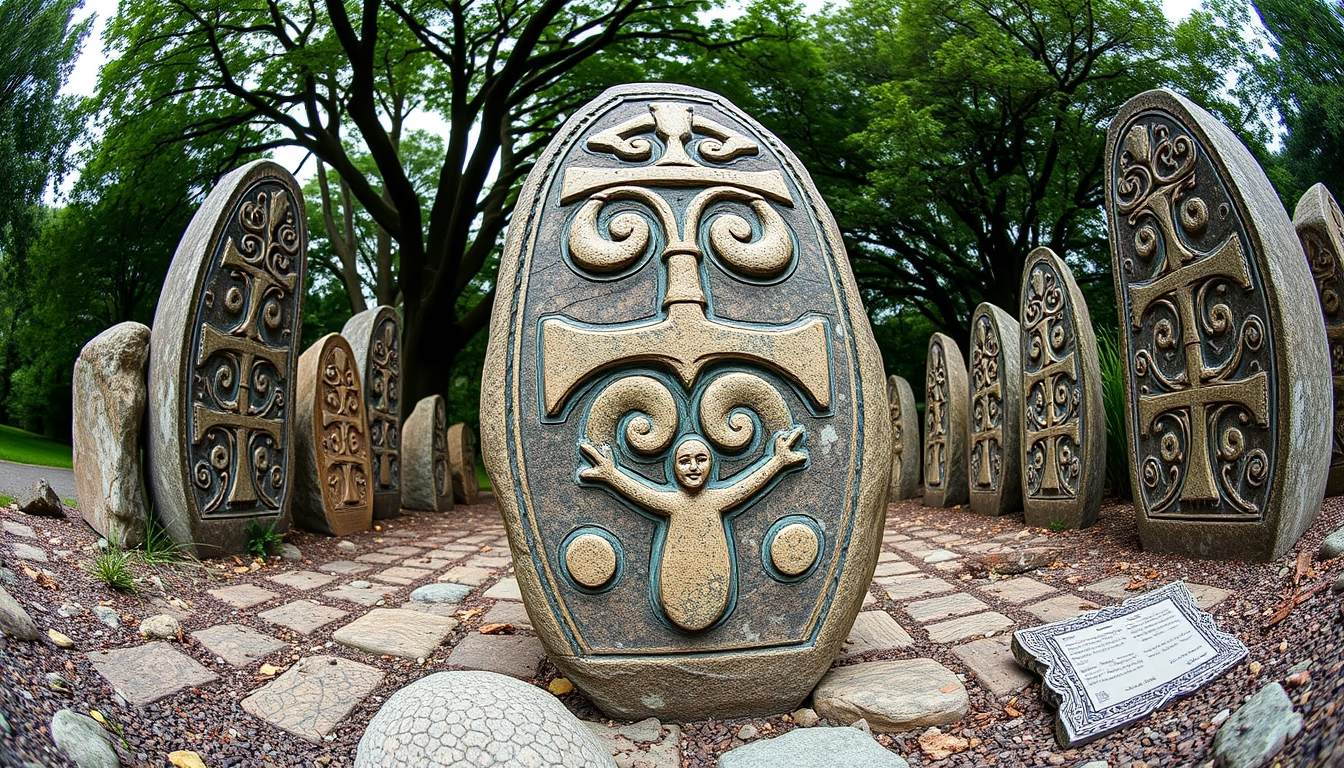
Arabic calligraphy is one of the most revered artistic expressions in the Islamic world, especially when applied to mosques. From the early centuries of Islam, calligraphic decoration replaced figurative representation, considered inappropriate in places of worship. Verses from the Quran, the name of Allah and Prophet Muhammad, as well as phrases like “Bismillah” (In the name of God), are carved in stucco, marble, tiles, or wood, creating an atmosphere of contemplation and spiritual beauty.
There are several styles of Arabic calligraphy used in mosques, each with distinct characteristics. Kufic, angular and geometric, was the first to develop and is still seen in ancient monuments such as the Dome of the Rock in Jerusalem. Naskh, more cursive and legible, is common in medium-sized inscriptions. Thuluth, with its elegant curves and elongated strokes, is often reserved for titles and prominent phrases. Many mosques combine these styles to create harmonious compositions.
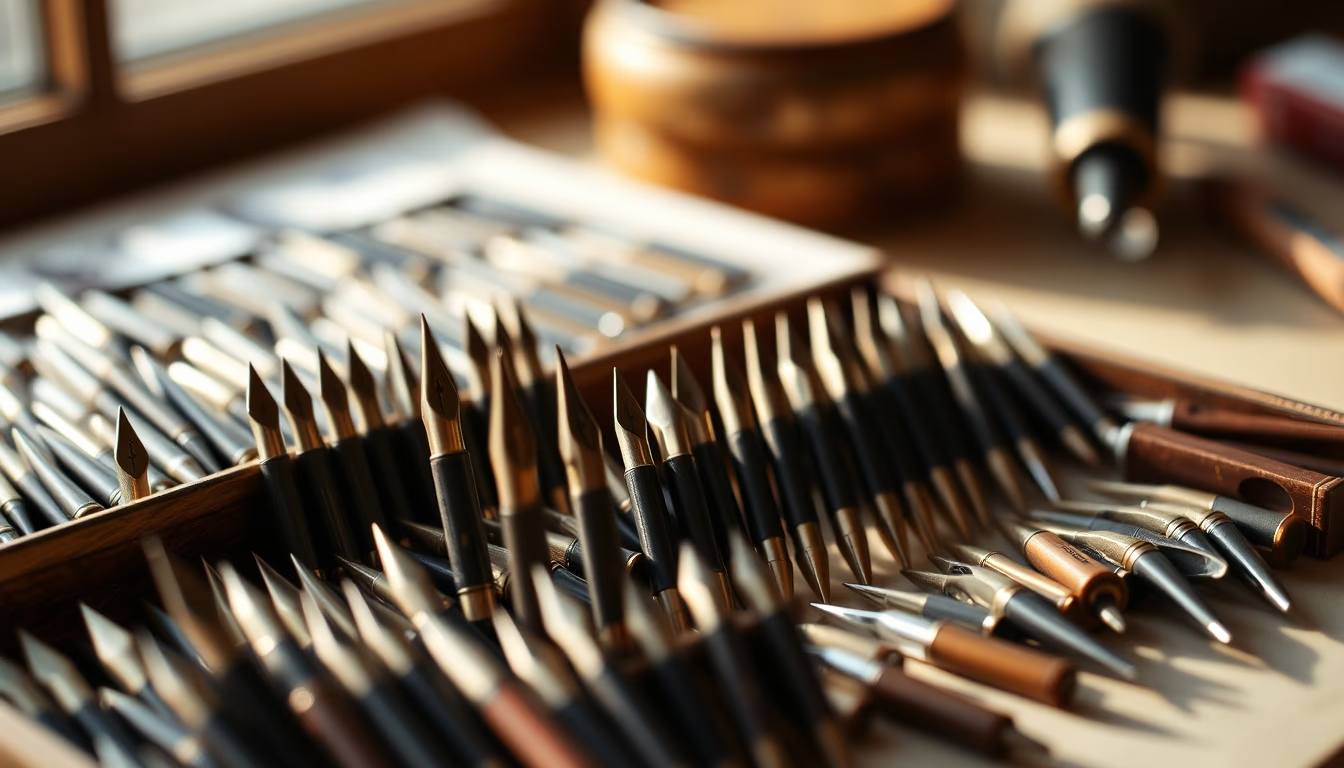
The importance of calligraphy goes beyond aesthetics: it is considered a form of worship and a means of transmitting the divine word. Calligraphers, called khattat, spend years perfecting technique and mastery of proportion, following precise rules for each style. Among the most famous mosques for their inscriptions are the Prophet's Mosque in Medina, the Blue Mosque in Istanbul, and the Great Mosque of Cordoba. In these buildings, calligraphy interacts with arabesques and geometric patterns, forming a visual ensemble that invites reflection.
Today, the tradition continues: new mosques, especially in the Middle East and Southeast Asia, commission works from contemporary calligraphers. Arabic calligraphy also appears in modern elements such as stained glass and LED panels, maintaining its cultural and religious relevance. UNESCO recognized Arabic calligraphy as an Intangible Cultural Heritage of Humanity in 2021, highlighting its role in the identity of Muslim peoples.
Frequently Asked Questions
Why is Arabic calligraphy so common in mosques?
In Islam, figurative representation of living beings is generally avoided in religious contexts. Calligraphy thus became the primary decorative art, allowing sacred verses and divine names to be inscribed beautifully and respectfully.
What are the main calligraphy styles used in mosques?
The most common styles are Kufic (angular), Naskh (cursive and legible), and Thuluth (with elongated curves). Each has specific proportional rules and is chosen based on function and available space.
How is Arabic calligraphy preserved and taught today?
It is taught in art schools and by master calligraphers (khattat). UNESCO recognized it as Intangible Cultural Heritage, encouraging its transmission and revitalization in many countries.
Direct URL
https://pub-c7d6a6ea828543ac903a74a341ccb2e1.r2.dev/imagens/arabic-calligraphy-mosque-documentary-photography-fresh7.avifHow to credit
Include a visible link back to UtilizAí. Copy one of the snippets below:
<a href="https://xn--utiliza-eza.com/en/midia/imagens/arabic-calligraphy-mosque-documentary-photography-fresh7">Arabic calligraphy mosque</a> by <a href="https://xn--utiliza-eza.com">UtilizAí</a>, licensed under <a href="https://creativecommons.org/licenses/by/4.0/">CC BY 4.0</a>.
[Arabic calligraphy mosque](https://xn--utiliza-eza.com/en/midia/imagens/arabic-calligraphy-mosque-documentary-photography-fresh7) by [UtilizAí](https://xn--utiliza-eza.com), CC BY 4.0
License: CC-BY-4.0