Arabic calligraphy mosque
1344×768 · AVIF · CC BY 4.0
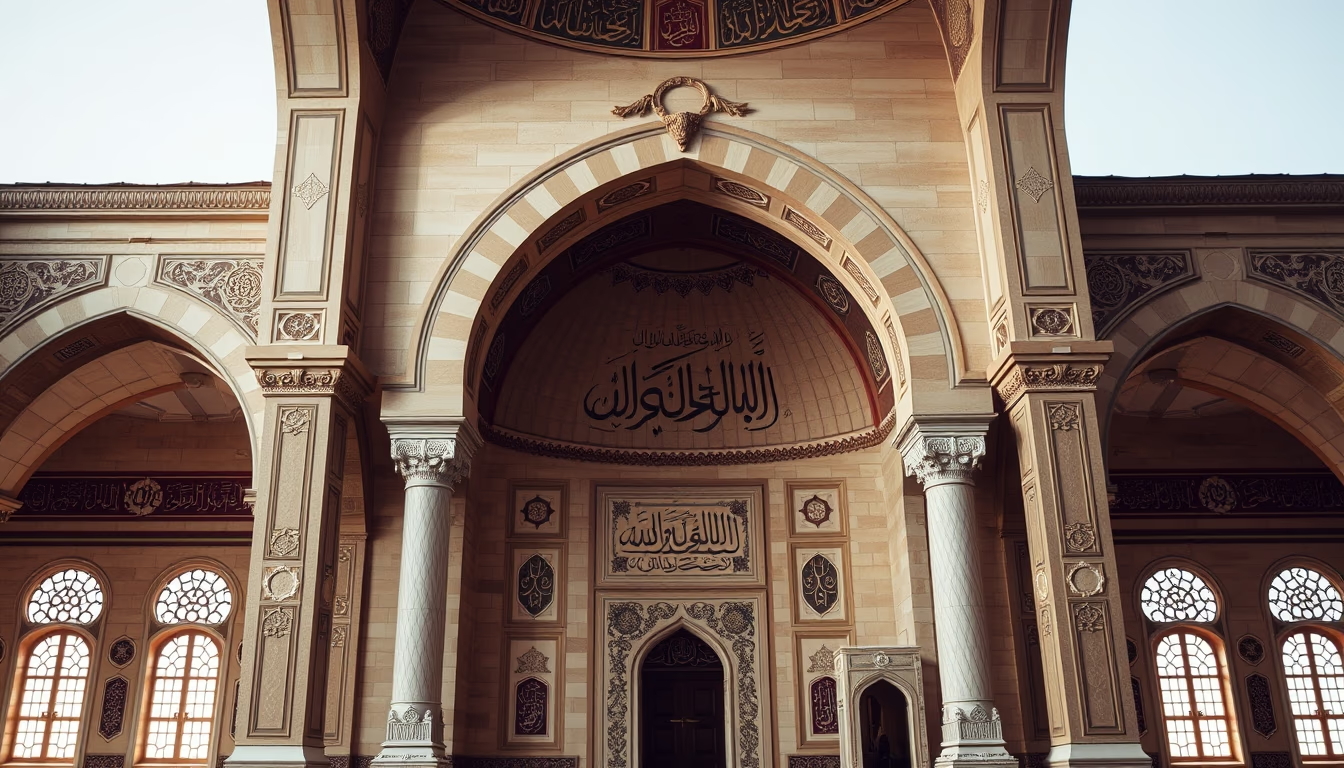
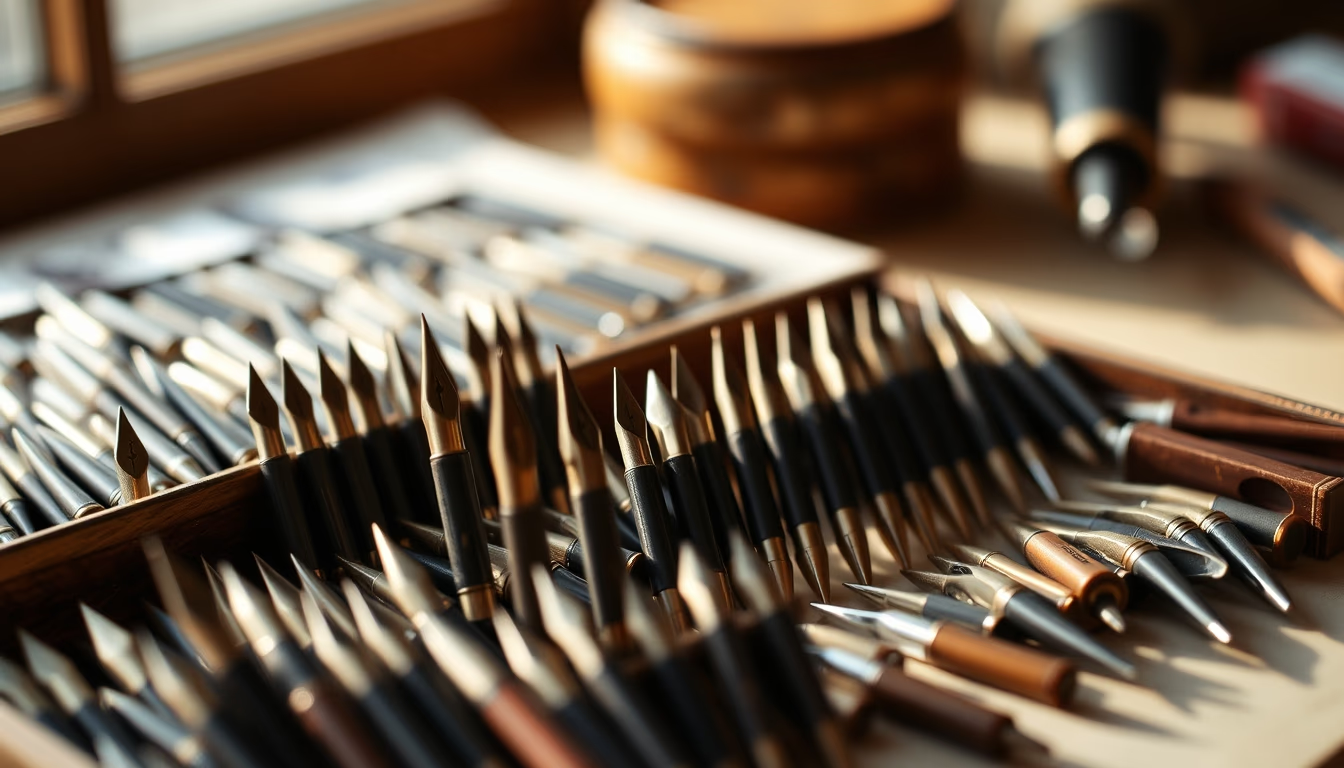
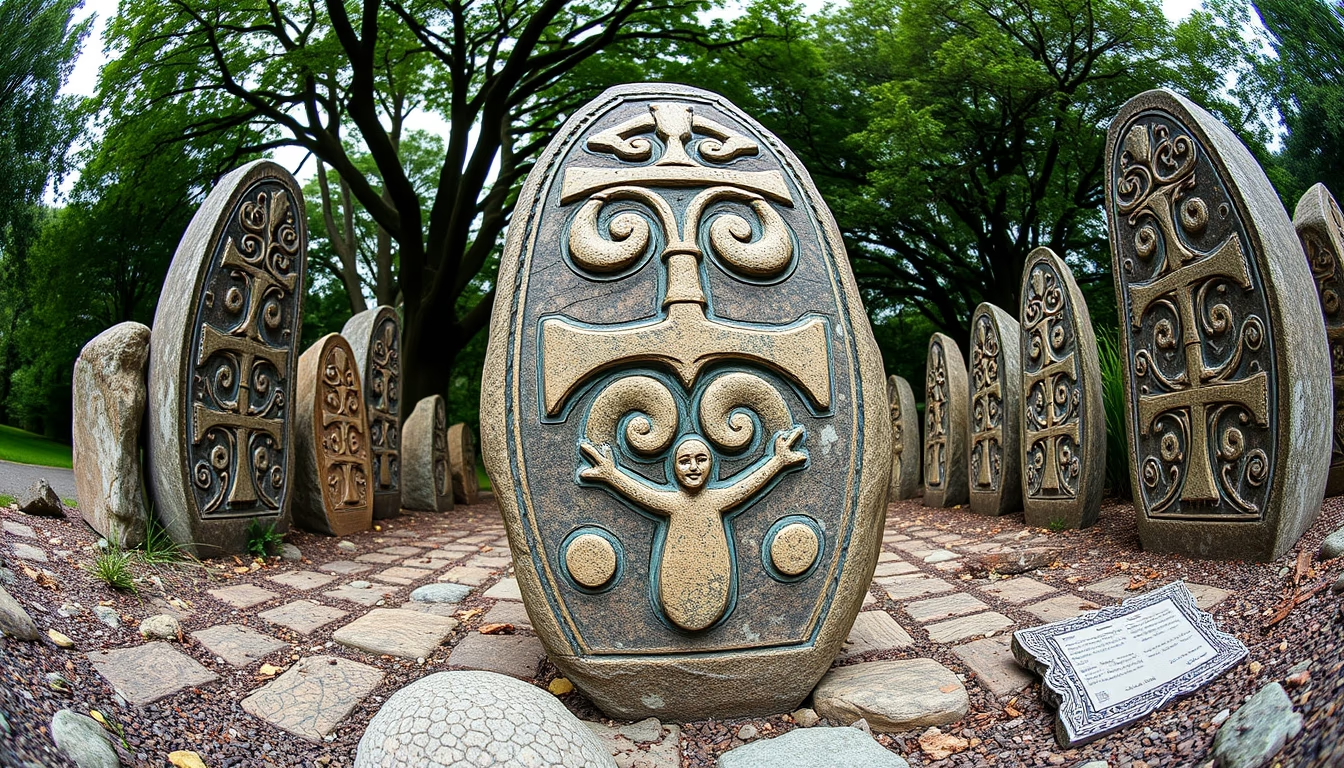
Arabic calligraphy in mosques is an artistic and religious expression that combines aesthetic beauty with Islamic devotion.
About this subject
Arabic calligraphy plays a fundamental role in the decoration of mosques around the world. Since the early centuries of Islam, inscriptions of Quranic verses and names of God adorn walls, domes, and mihrabs. This tradition avoids figurative representations, following the Islamic interpretation that prohibits images of living beings in sacred spaces.
Different calligraphic styles were developed to meet architectural needs. The Kufic style, angular and geometric, was common in ancient mosques like that of Cordoba. The Thuluth, with fluid and elegant curves, became popular in Ottoman mosques such as the Blue Mosque in Istanbul. Naskh, more legible, is often used for long texts.
The integration of calligraphy with other decorative elements, such as arabesques and mosaics, creates a visual and spiritual experience. Calligraphers use materials like ceramic tiles, carved stucco, and marble. The Sultan Ahmed Mosque, for example, features calligraphic verses on blue Iznik tiles known for their precision and color.
Beyond aesthetic value, calligraphy serves a pedagogical function: worshippers can read and reflect on sacred verses while praying or contemplating. Many modern mosques continue this tradition, hiring renowned calligraphers to create works that dialogue with the past and present of Islamic art.
Frequently Asked Questions
Why is calligraphy so important in mosques?
Calligraphy is valued because it allows decoration with Quranic verses without figurative images, respecting Islamic tradition. It also conveys the divine message in an artistic and inspiring way.
What are the most used calligraphy styles in mosques?
The most common styles are Kufic (angular and geometric), Thuluth (curvilinear and elegant), and Naskh (legible and detailed). Each has specific applications in different periods and regions.
Famous examples of calligraphy in mosques?
The Great Mosque of Cordoba in Spain features Kufic inscriptions, while the Blue Mosque in Istanbul has Thuluth verses on tiles. The Prophet's Mosque in Medina also contains historical calligraphy.
Direct URL
https://pub-c7d6a6ea828543ac903a74a341ccb2e1.r2.dev/imagens/arabic-calligraphy-mosque-documentary-nature-style-fresh16.avifHow to credit
Include a visible link back to UtilizAí. Copy one of the snippets below:
<a href="https://xn--utiliza-eza.com/en/midia/imagens/arabic-calligraphy-mosque-documentary-nature-style-fresh16">Arabic calligraphy mosque</a> by <a href="https://xn--utiliza-eza.com">UtilizAí</a>, licensed under <a href="https://creativecommons.org/licenses/by/4.0/">CC BY 4.0</a>.
[Arabic calligraphy mosque](https://xn--utiliza-eza.com/en/midia/imagens/arabic-calligraphy-mosque-documentary-nature-style-fresh16) by [UtilizAí](https://xn--utiliza-eza.com), CC BY 4.0
License: CC-BY-4.0