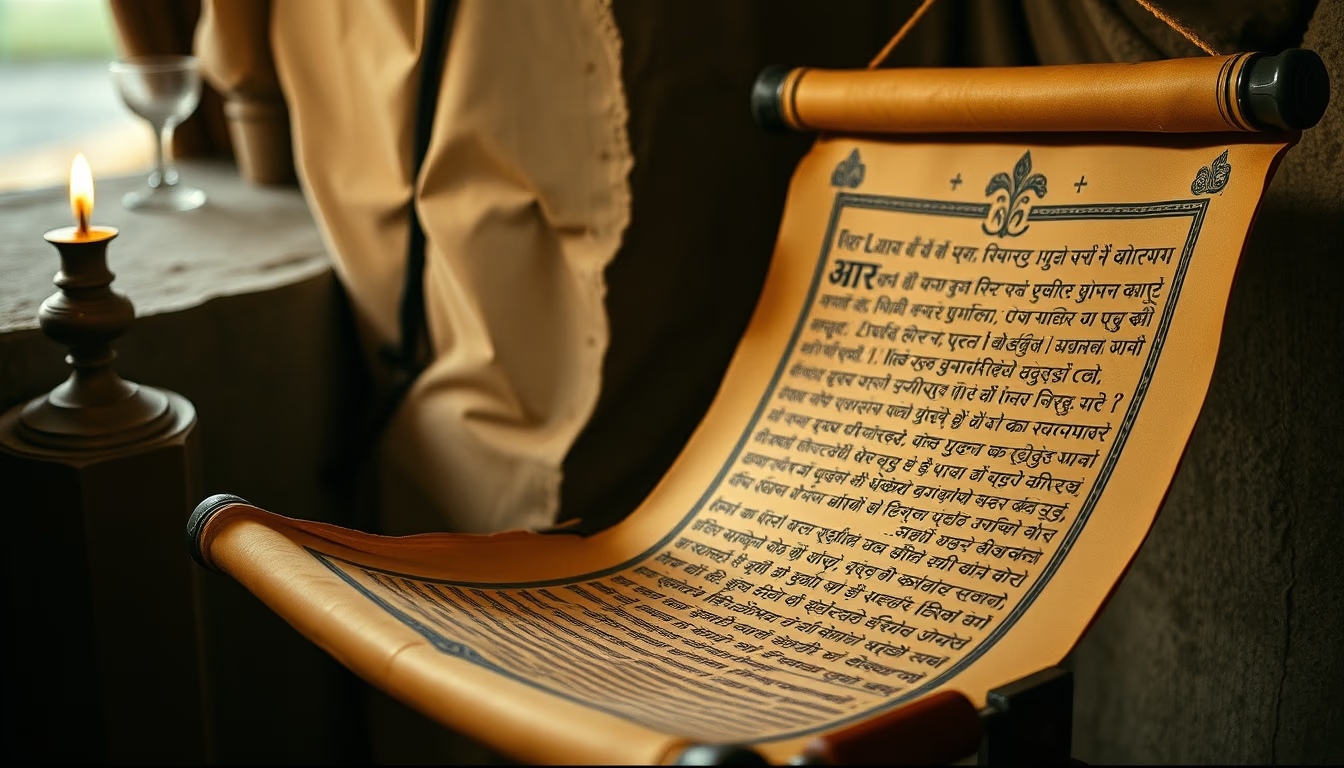
Arabic calligraphy mosque
1344×768 · AVIF · CC BY 4.0
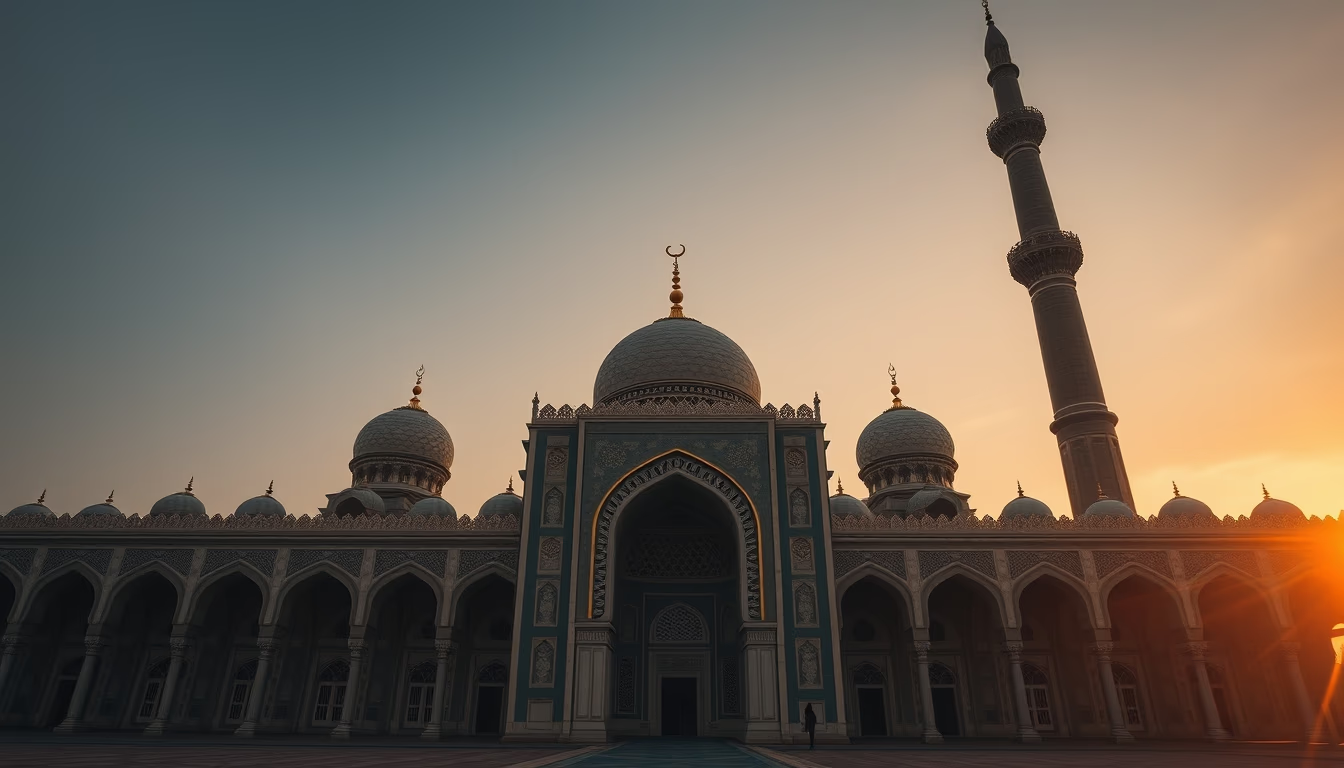
Arabic calligraphy in mosques is a sacred art form combining religious devotion and technical mastery, present for centuries across the Islamic world.
About this subject
Arabic calligraphy in mosques is not merely decorative: it carries Quranic verses and praises to God, functioning as a visual manifestation of faith. From early Islam, Kufic script, with its angular and geometric forms, was used on mihrabs and domes. Over time, styles like Thuluth (elegant and flowing) and Naskh (clear and legible) became predominant, each with precise rules of proportion and rhythm.
Iconic mosques such as the Sultan Ahmed Mosque (Istanbul) display monumental calligraphic panels by the famous calligrapher Seyyid Kasım Gubari. The Great Mosque of Córdoba in Spain blends Kufic calligraphy with arabesques, reflecting Moorish influence. In Iran, the Shah Mosque in Isfahan features tilework with Persian calligraphic verses, demonstrating local adaptation.
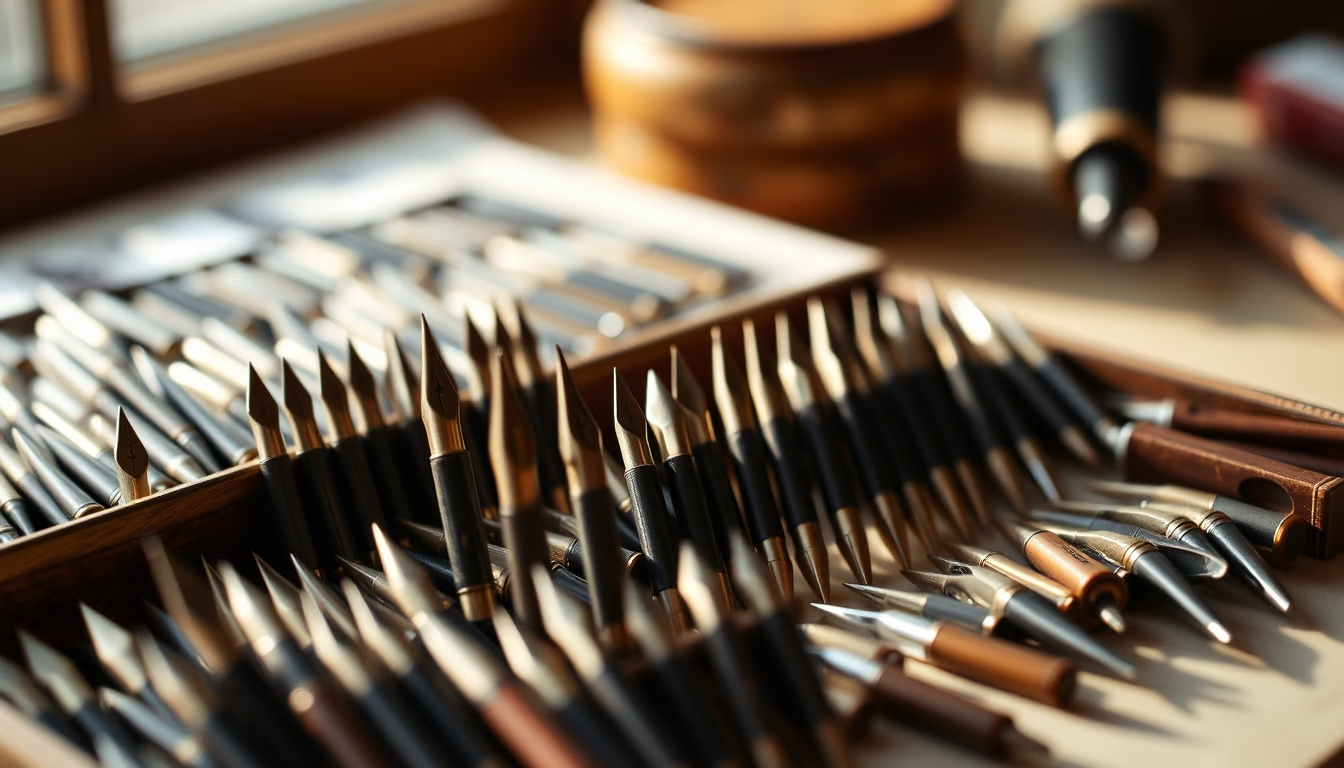
Calligraphy also follows geometric principles: letters are often arranged in circles, squares, or animal shapes like the lion (symbol of Ali). Many calligraphers spent decades perfecting their strokes, using a reed pen (qalam) and soot-based ink. Today, UNESCO recognizes Arabic calligraphy as Intangible Cultural Heritage of Humanity, highlighting its role in preserving Islamic identity.
Beyond spirituality, mosque calligraphy served an educational purpose: illiterate people could recognize Quranic passages by the shape of letters. In countries like Malaysia and Indonesia, modern mosques integrate digital calligraphy on glass facades, proving the tradition reinvents itself without losing its essence.
Frequently Asked Questions
What are the main styles of Arabic calligraphy used in mosques?
The most common styles are Kufic (angular and geometric, used in early architectural inscriptions), Thuluth (elegant and cursive, ideal for decorative panels), and Naskh (clear and legible, used for Quran copies). Each has strict proportional rules.
How is Arabic calligraphy integrated into mosque architecture?
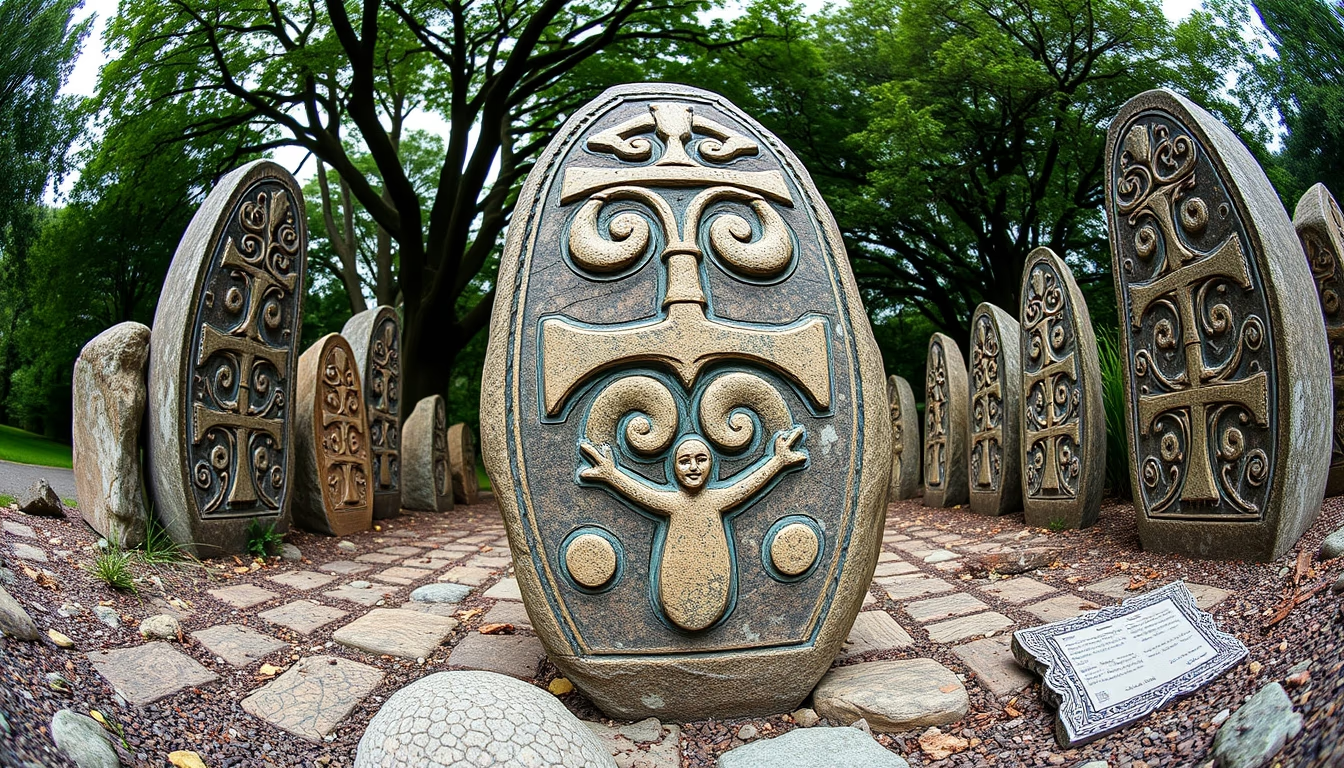
It appears on mihrabs (prayer niches), domes, walls, and entrances. It is often made of ceramic tiles, carved stucco, or paint, with Quranic verses arranged in geometric frames or animal shapes, such as the lion.
What is the significance of Arabic calligraphy in Islamic culture?
Beyond beautifying sacred spaces, calligraphy is considered an act of worship by spreading God's word. It also served as an educational tool for the illiterate and helped preserve the Arabic language over centuries.
Direct URL
https://pub-c7d6a6ea828543ac903a74a341ccb2e1.r2.dev/imagens/arabic-calligraphy-mosque-cinematic-wide-shot-fresh8.avifHow to credit
Include a visible link back to UtilizAí. Copy one of the snippets below:
<a href="https://xn--utiliza-eza.com/en/midia/imagens/arabic-calligraphy-mosque-cinematic-wide-shot-fresh8">Arabic calligraphy mosque</a> by <a href="https://xn--utiliza-eza.com">UtilizAí</a>, licensed under <a href="https://creativecommons.org/licenses/by/4.0/">CC BY 4.0</a>.
[Arabic calligraphy mosque](https://xn--utiliza-eza.com/en/midia/imagens/arabic-calligraphy-mosque-cinematic-wide-shot-fresh8) by [UtilizAí](https://xn--utiliza-eza.com), CC BY 4.0
License: CC-BY-4.0