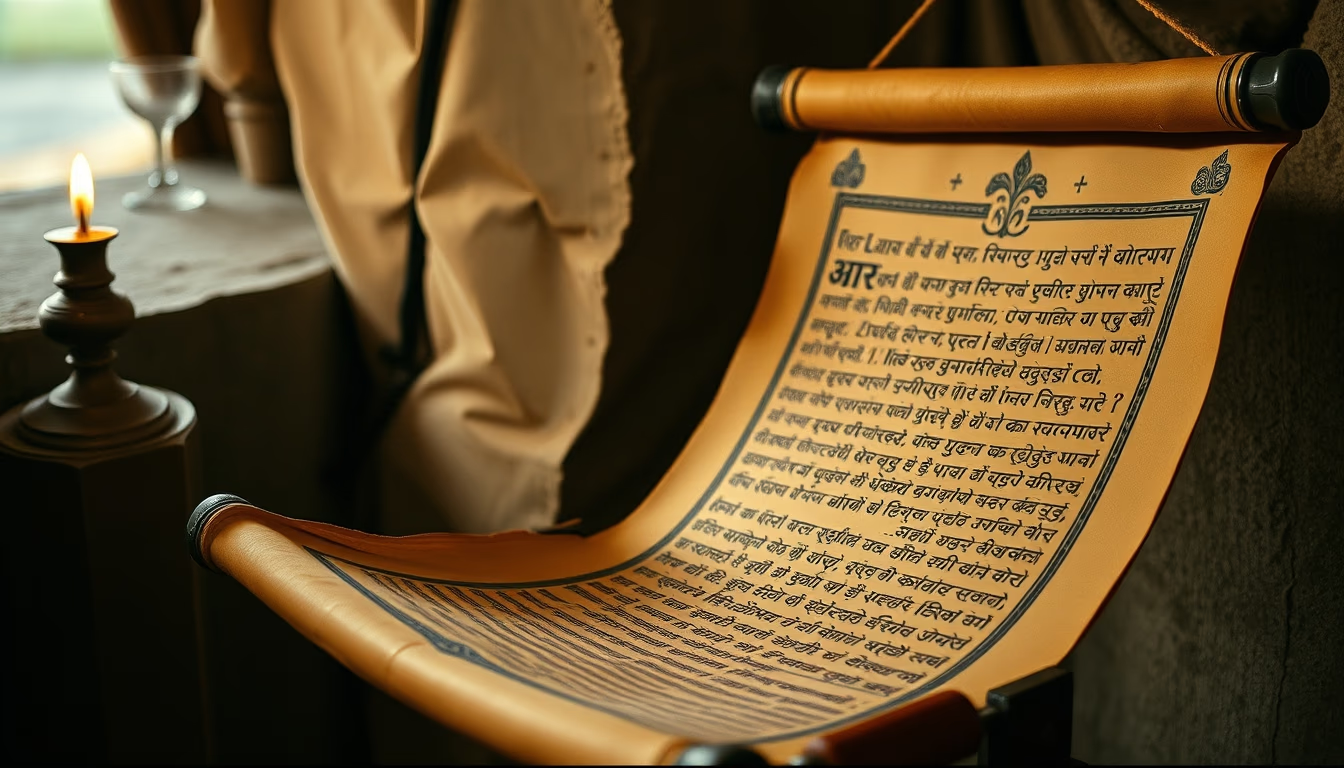
Arabic calligraphy ink
1344×768 · AVIF · CC BY 4.0
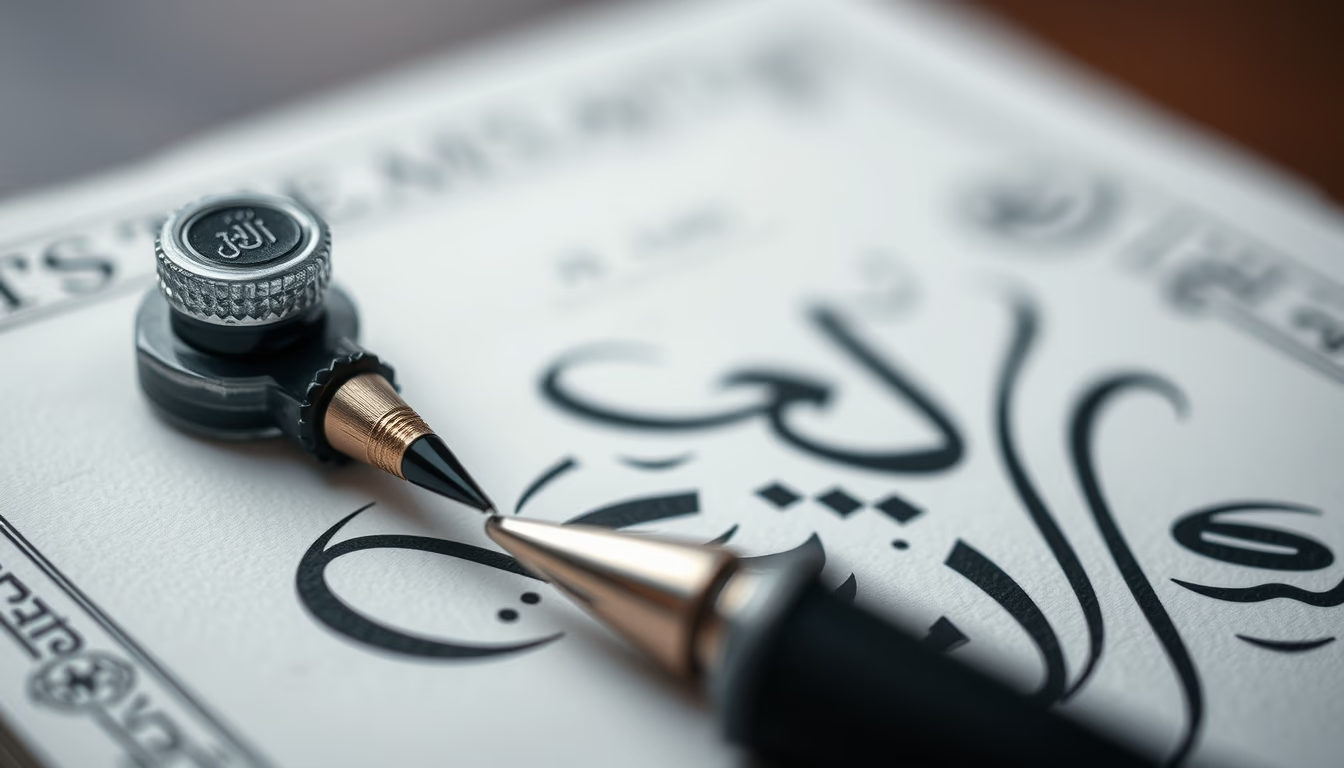
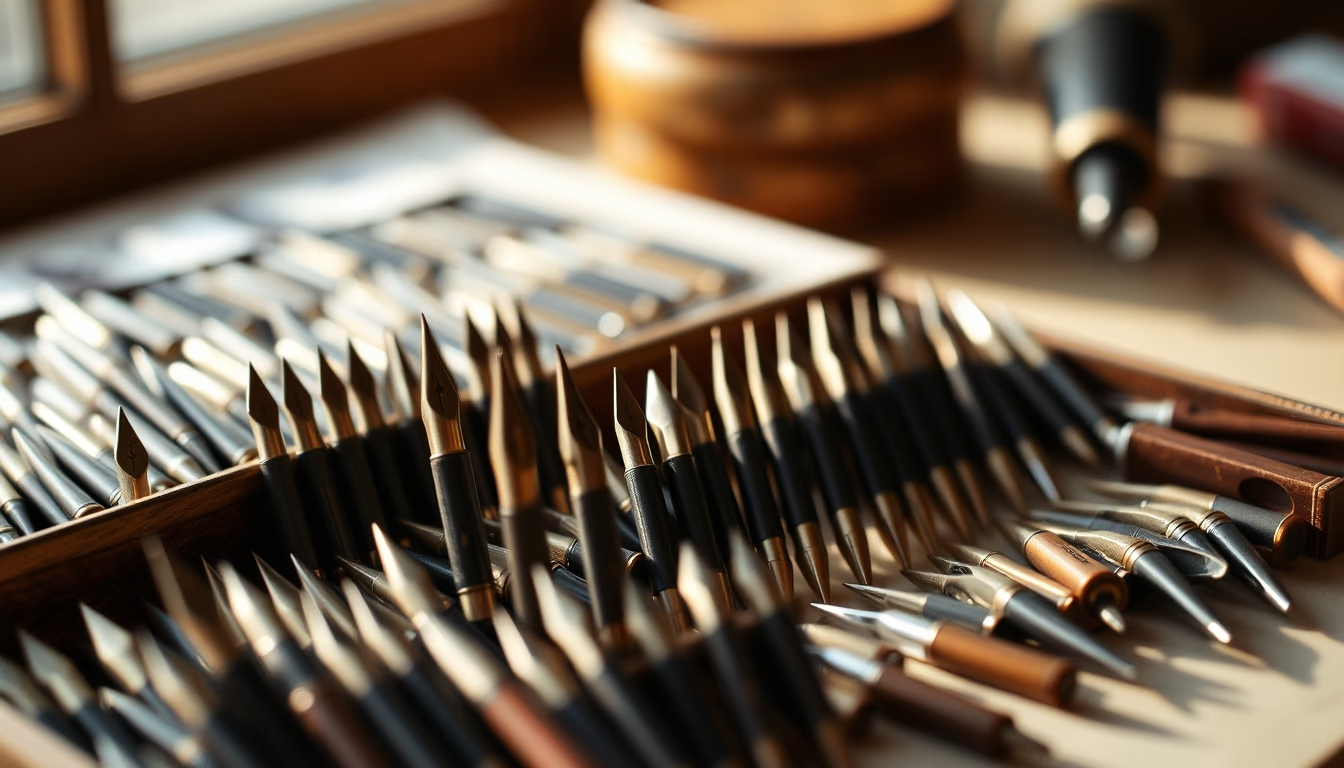
Traditional Arabic calligraphy ink, made from soot, gum arabic, and water, is essential for the ancient art of Islamic writing.
About this subject
Arabic calligraphy ink, known as midād or ḥibr, is a crucial component in this ancient art. Traditional recipes combine soot (from burning sesame oil or turpentine), gum arabic as a binder, and distilled water. Some calligraphers add fragrances like musk or ambergris to enhance the writing experience.
This ink is typically used with reed pens (qalam) on papyrus or special paper. Arabic calligraphy emerged with Islam in the 7th century and evolved into a highly respected art form emphasizing beauty and precision. Different styles such as Naskh, Thuluth, and Diwani require specific ink consistencies achieved by varying the gum arabic ratio to control flow.
Today, professional calligraphers often prepare their own ink using ancient recipes, valuing the manual process as part of artistic tradition. While synthetic inks exist, purists prefer natural ones for their stability and deep black color that resists fading over time. The knowledge of ink preparation is passed down orally from master to student, preserving this craft.
Interestingly, black is not the only traditional color: historical manuscripts show inks made from minerals like lapis lazuli (blue) or cinnabar (red) for illuminations and royal texts. However, black remained dominant for calligraphy, symbolizing clarity and authority, especially in Qur'anic manuscripts.
Frequently Asked Questions
What are the basic ingredients of traditional Arabic calligraphy ink?
The traditional ingredients are soot (usually from burning sesame oil or turpentine), gum arabic as a binder, and water.
Why is black ink the most used in Arabic calligraphy?
Black ink is preferred for its clarity and authority, especially for writing the Qur'an. Natural soot-based inks also provide a deep, fade-resistant color.
Are there colored inks in the Arabic calligraphic tradition?
Yes, though less common. Minerals like lapis lazuli (blue) and cinnabar (red) were used in illuminations and royal manuscripts, but black remained the standard for calligraphy itself.
Direct URL
https://pub-c7d6a6ea828543ac903a74a341ccb2e1.r2.dev/imagens/arabic-calligraphy-ink-tilt-shift-miniature-fresh2.avifHow to credit
Include a visible link back to UtilizAí. Copy one of the snippets below:
<a href="https://xn--utiliza-eza.com/en/midia/imagens/arabic-calligraphy-ink-tilt-shift-miniature-fresh2">Arabic calligraphy ink</a> by <a href="https://xn--utiliza-eza.com">UtilizAí</a>, licensed under <a href="https://creativecommons.org/licenses/by/4.0/">CC BY 4.0</a>.
[Arabic calligraphy ink](https://xn--utiliza-eza.com/en/midia/imagens/arabic-calligraphy-ink-tilt-shift-miniature-fresh2) by [UtilizAí](https://xn--utiliza-eza.com), CC BY 4.0
License: CC-BY-4.0