Arabic calligraphy ink
1344×768 · AVIF · CC BY 4.0
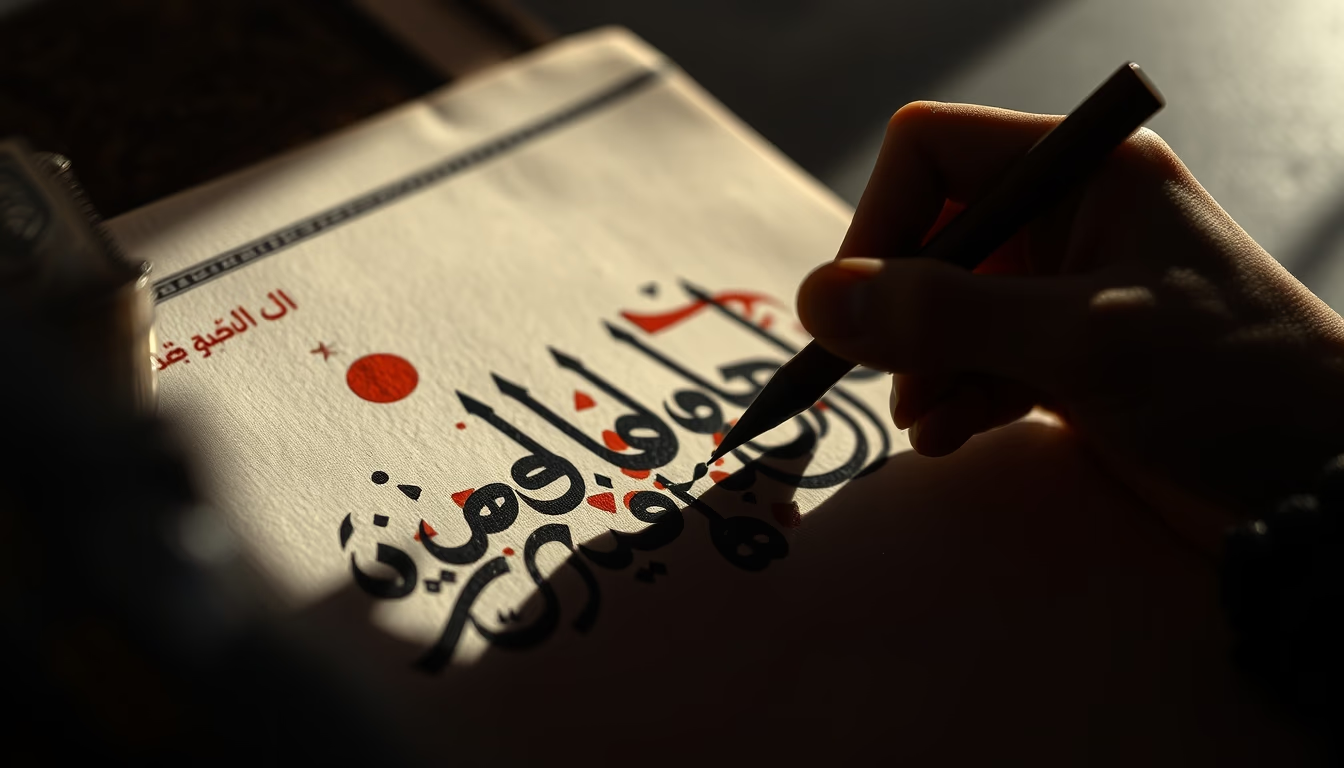
Arabic calligraphy ink is a suspension of soot and gum arabic, essential to Islamic art since the 7th century.
About this subject
Arabic calligraphy ink, known as midād or hibr, has a traditional composition dating back to the early centuries of Islam. Its base is finely ground soot (usually from oil lamps) mixed with gum arabic as a binder and distilled water. Some calligraphers add essences like musk or amber to perfume the ink, a common practice in luxury manuscripts.
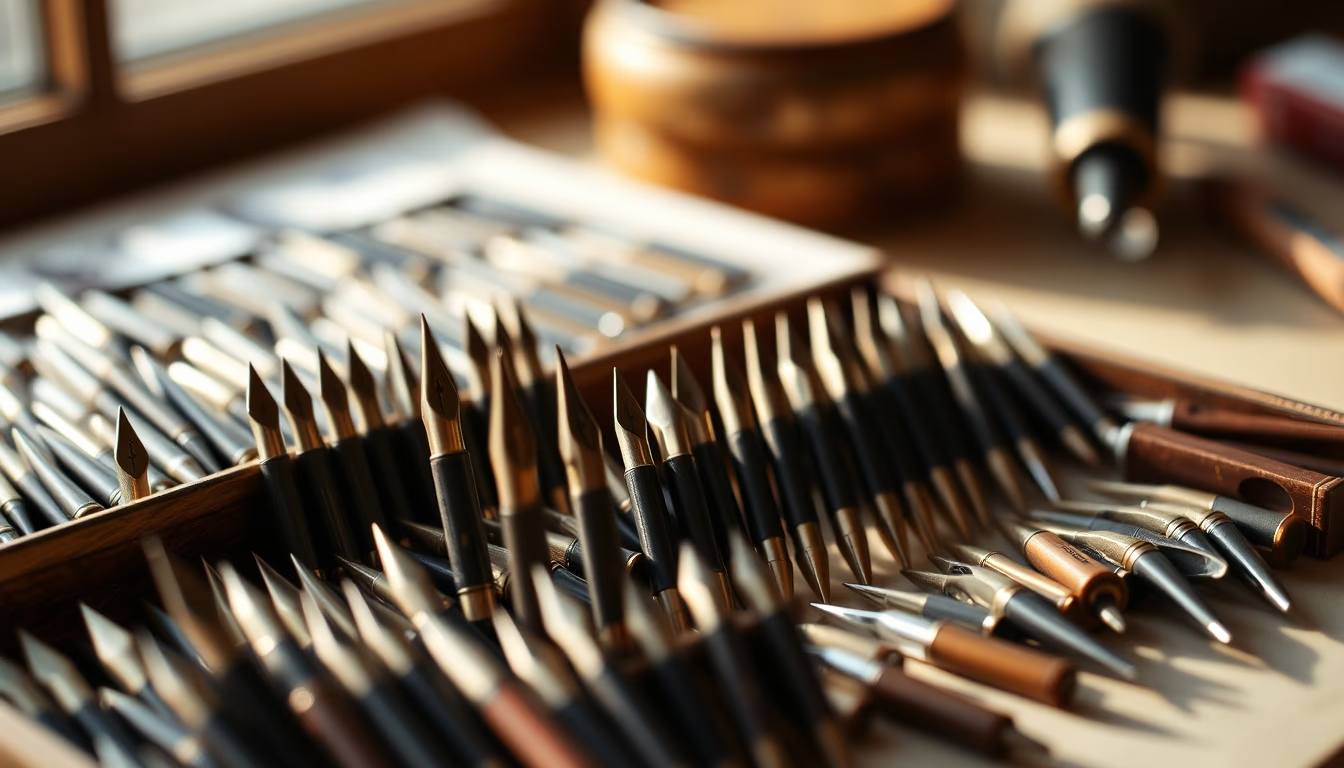
Historically, black ink was most valued for its contrast against beige or white paper. Arab calligraphers developed their own recipes, passed down orally, ensuring the fluidity needed for the continuous strokes of the reed pen (qalam). The ideal viscosity prevented the ink from bleeding or drying too quickly, enabling precise curves and varied thickness.
Culturally, Arabic calligraphy ink is not just a tool but a sacred element: the written word, especially Quranic verses, is seen as a divine manifestation. Therefore, ink preparation often involved purification rituals. Unlike Western iron-gall inks, traditional Arabic inks did not corrode paper, helping preserve thousands of medieval manuscripts.
Today, contemporary calligraphers still use historical recipes, though industrial inks like Japanese sumi-e are also employed for their consistency. Soot-based ink remains unmatched for its deep luster and the characteristic texture of Arabic calligraphy, especially in works by great masters like Ibn Muqlah and Yaqut al-Musta'simi.
Frequently Asked Questions
What is traditional Arabic calligraphy ink made of?
Traditional ink is made from soot (usually from oil lamps), gum arabic as a binder, and distilled water. Some calligraphers add perfumes like musk or amber.
Why is black ink the most used in Arabic calligraphy?
Black offers the highest contrast against light paper, highlighting the thin and thick strokes of the reed pen. Moreover, soot-based black ink does not damage paper, unlike acidic inks.
Is Arabic calligraphy ink still handmade today?
Yes, many contemporary calligraphers preserve historical recipes and prepare ink by hand. However, they also use industrial inks such as Japanese sumi-e as long as the viscosity is suitable.
Direct URL
https://pub-c7d6a6ea828543ac903a74a341ccb2e1.r2.dev/imagens/arabic-calligraphy-ink-rembrandt-lighting-dramatic-shadows-fresh3.avifHow to credit
Include a visible link back to UtilizAí. Copy one of the snippets below:
<a href="https://xn--utiliza-eza.com/en/midia/imagens/arabic-calligraphy-ink-rembrandt-lighting-dramatic-shadows-fresh3">Arabic calligraphy ink</a> by <a href="https://xn--utiliza-eza.com">UtilizAí</a>, licensed under <a href="https://creativecommons.org/licenses/by/4.0/">CC BY 4.0</a>.
[Arabic calligraphy ink](https://xn--utiliza-eza.com/en/midia/imagens/arabic-calligraphy-ink-rembrandt-lighting-dramatic-shadows-fresh3) by [UtilizAí](https://xn--utiliza-eza.com), CC BY 4.0
License: CC-BY-4.0