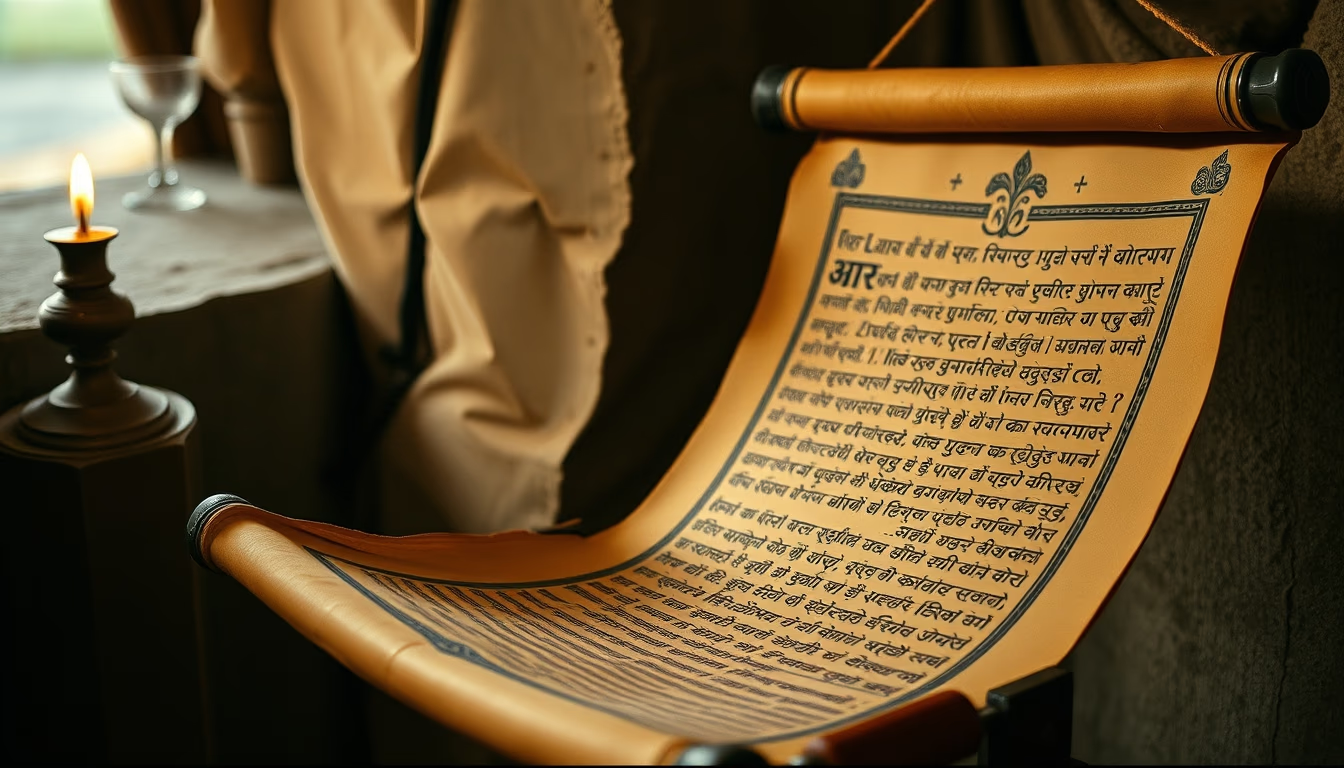
Arabic calligraphy ink
1344×768 · AVIF · CC BY 4.0

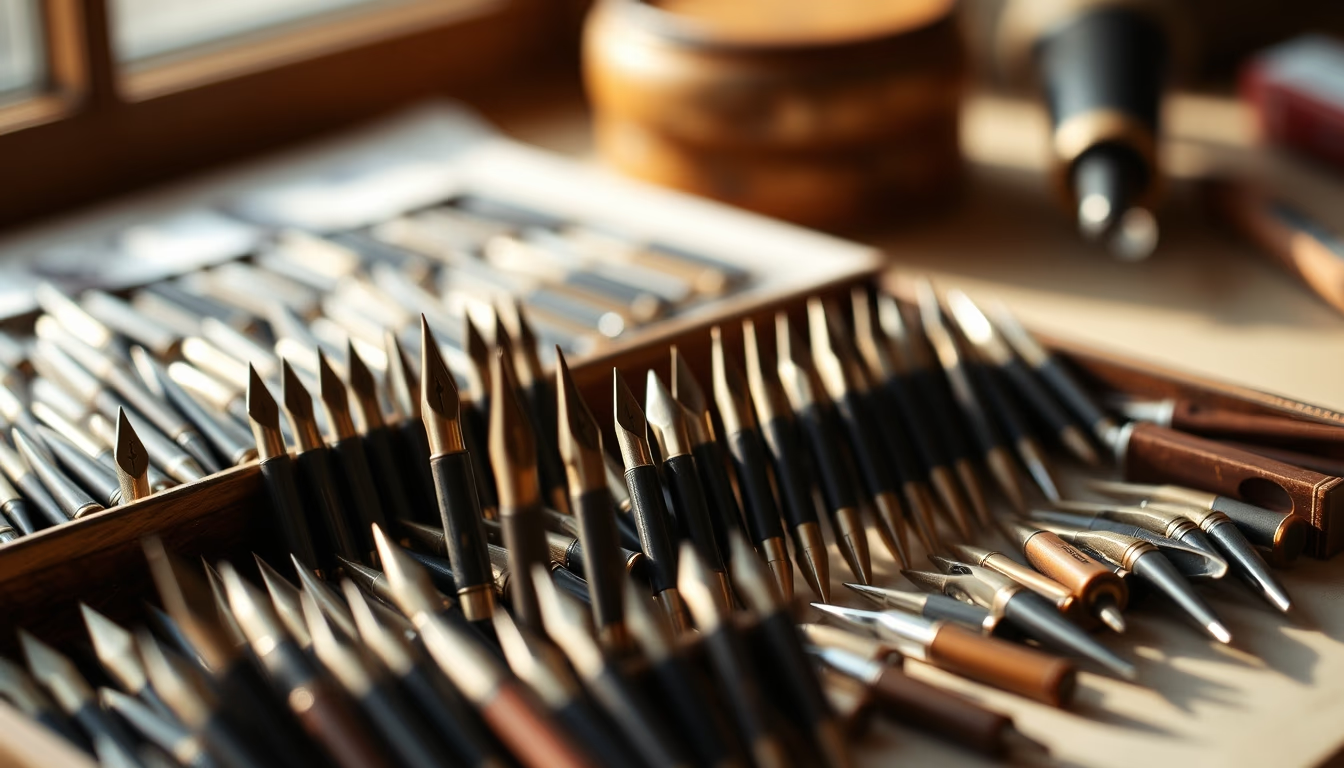
Arabic calligraphy ink is traditionally made from soot, gum arabic, and water, used for centuries in Islamic art.
About this subject
Arabic calligraphy ink, known as midād, is a central element in Islamic art, with recipes dating back to the 7th century. Its classic composition involves lampblack soot, gum arabic as a binder, and distilled water, resulting in a deep, opaque black. The soot, usually from vegetable or mineral sources, was carefully collected and ground into fine particles. Gum arabic, extracted from acacia trees in Sudan and Arabia, provided viscosity and adhesion to paper.
Historically, ink production was a ritualized process among Islamic calligraphers, who considered ingredient purity essential for the spiritual quality of the work. Masters like Ibn Muqla (10th century) and Yaqut al-Musta'simi (13th century) detailed recipes in their treatises. The ink served not only for writing the Quran but also for official documents, poetry, and architectural decoration.
Culturally, Arabic calligraphy is the most venerated art form in Islam, as it represents the divine word. Black ink symbolizes clarity and permanence. Variations included colored inks using mineral pigments, such as lapis lazuli blue or malachite green, for ornamentation. Today, contemporary calligraphers still prepare handmade inks, though industrial acrylic-based versions are common. UNESCO recognized Arabic calligraphy as an Intangible Cultural Heritage in 2021.
Frequently Asked Questions
What is traditional Arabic calligraphy ink made of?
Traditional ink is made from lampblack soot, gum arabic, and water. Some calligraphers add ingredients like honey for luster.
Why is ink important in Islamic calligraphy?
Ink is considered a spiritual element. The purity of ingredients and the preparation process reflect the calligrapher's devotion. Black symbolizes the clarity of Allah's word.
Is Arabic calligraphy ink still made by hand today?
Yes, many contemporary calligraphers prepare their own ink following ancient recipes. Industrial versions exist, but handmade ink is valued for its quality and tradition.
Direct URL
https://pub-c7d6a6ea828543ac903a74a341ccb2e1.r2.dev/imagens/arabic-calligraphy-ink-minimalist-composition-fresh9.avifHow to credit
Include a visible link back to UtilizAí. Copy one of the snippets below:
<a href="https://xn--utiliza-eza.com/en/midia/imagens/arabic-calligraphy-ink-minimalist-composition-fresh9">Arabic calligraphy ink</a> by <a href="https://xn--utiliza-eza.com">UtilizAí</a>, licensed under <a href="https://creativecommons.org/licenses/by/4.0/">CC BY 4.0</a>.
[Arabic calligraphy ink](https://xn--utiliza-eza.com/en/midia/imagens/arabic-calligraphy-ink-minimalist-composition-fresh9) by [UtilizAí](https://xn--utiliza-eza.com), CC BY 4.0
License: CC-BY-4.0