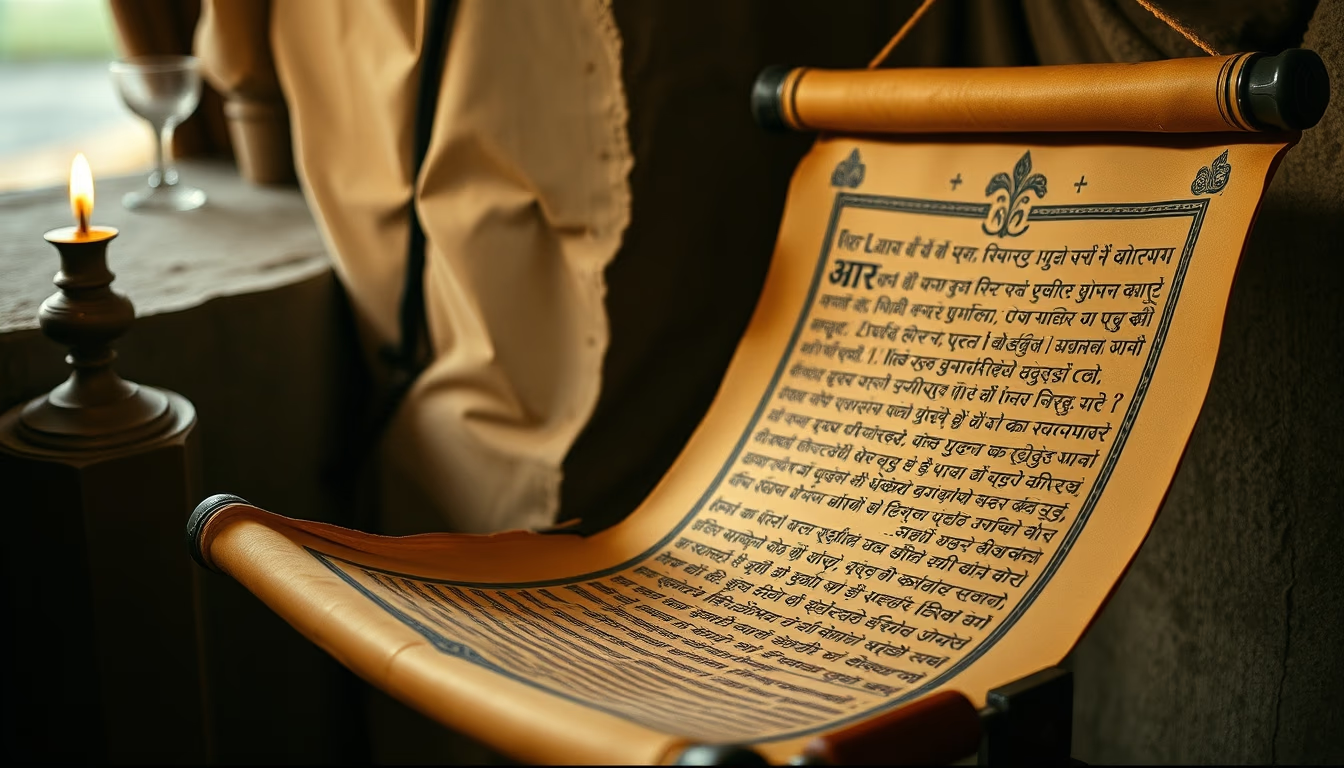
Arabic calligraphy ink
1344×768 · AVIF · CC BY 4.0
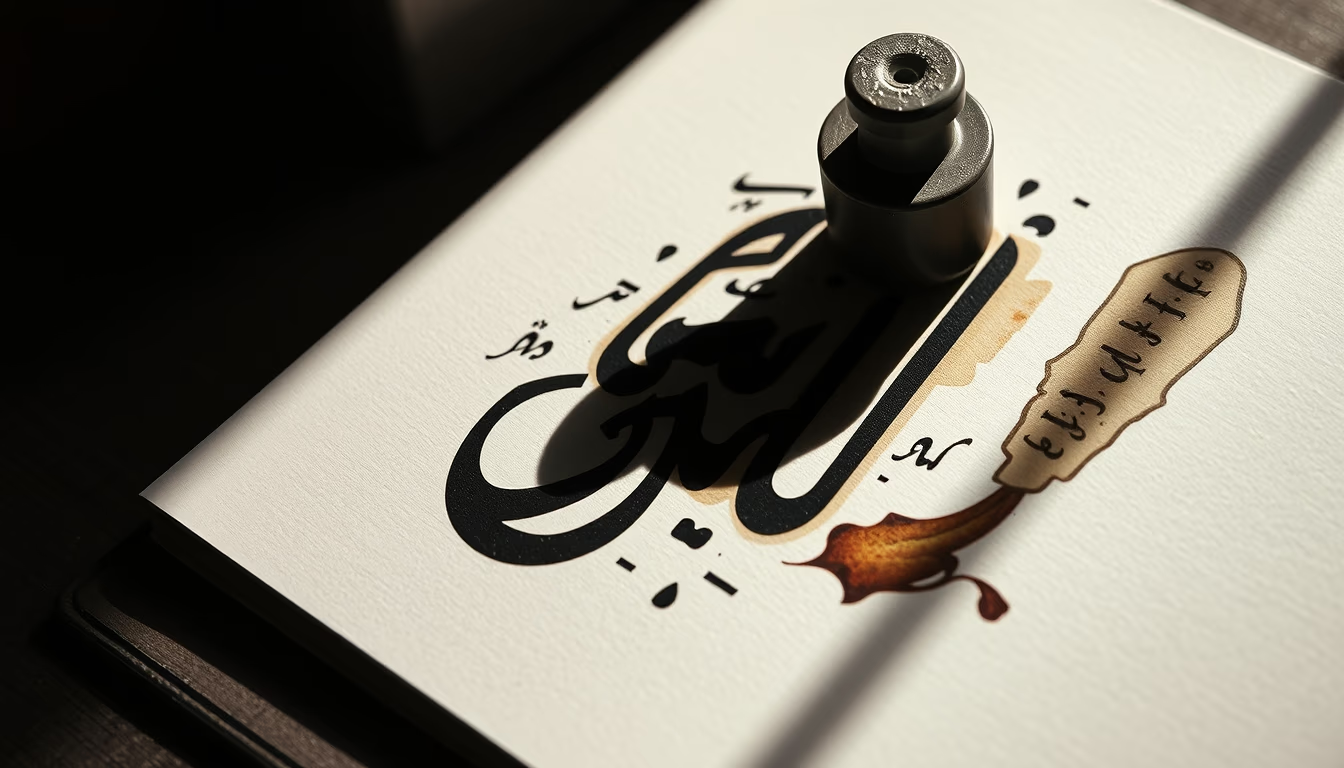
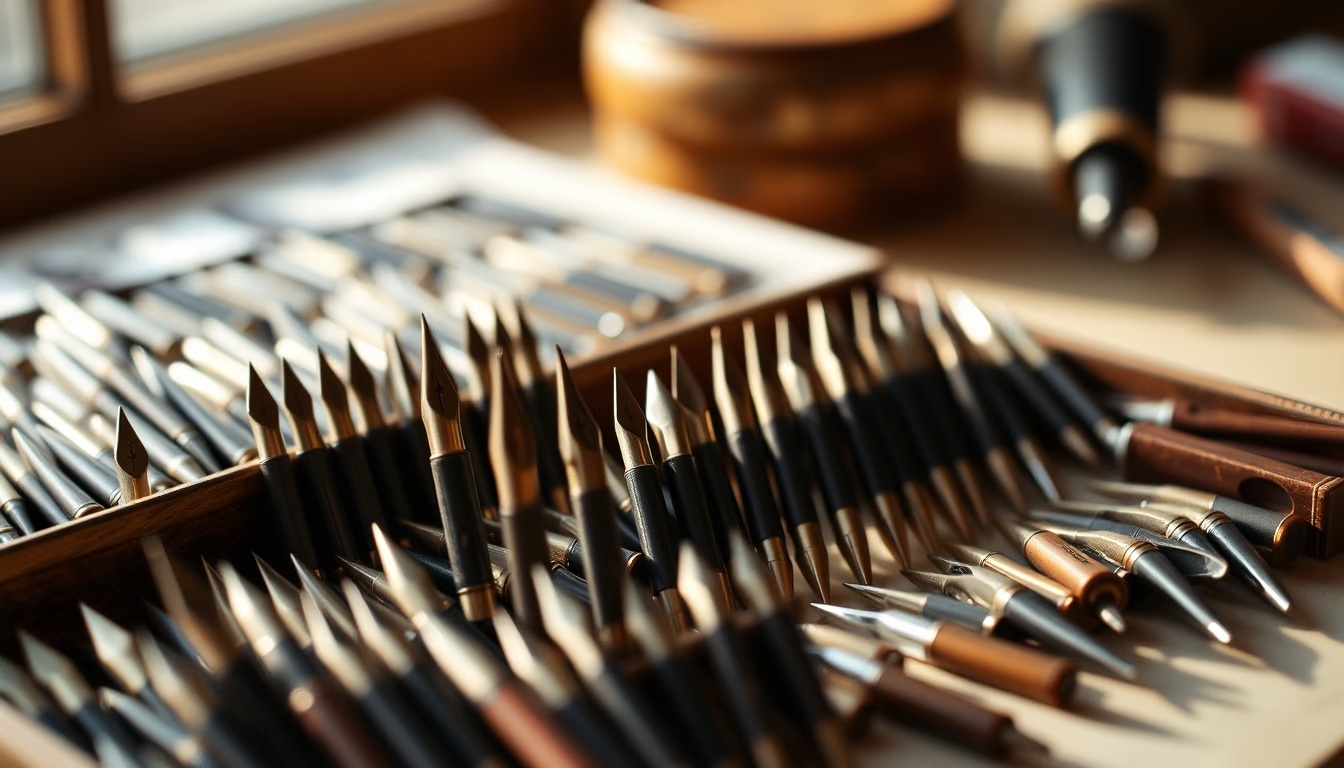
Arabic calligraphy ink, traditionally made from soot and gum arabic, is essential to Islamic art and preserves centuries of tradition.
About this subject
Arabic calligraphy ink is a central element in Islamic art, used to write Quranic verses, poems, and decorative texts. Its traditional composition includes soot (usually lampblack or charcoal) mixed with gum arabic as a binder and water. Some master calligraphers add honey or other ingredients to adjust viscosity and shine. This basic recipe varies by region: in the Arab world, Persia, and India, small adaptations emerged over centuries, such as the use of rose water or plant extracts.
Historically, the development of Arabic calligraphy ink is tied to the expansion of Islam and the need to copy the Quran with precision and beauty. Carbon-based black ink was preferred for its durability and resistance to fading. Renowned calligraphers like Ibn Muqla and Yaqut al-Musta'simi established standards that demanded high-quality inks. The artisanal production of ink was considered an art in itself, with secret recipes passed down through generations.
Culturally, Arabic calligraphy ink is not just a material but a symbol of knowledge and spirituality. Calligraphy is the highest art form in Islam, and ink is the medium that brings sacred words to life. Today, many calligraphers still prefer to prepare their own ink to achieve the perfect shade and ideal flow. In the modern era, synthetic versions are common, but the artisanal tradition persists in workshops and calligraphy schools, keeping an ancient practice alive.
Frequently Asked Questions
What are the traditional ingredients of Arabic calligraphy ink?
The basic ingredients are soot (usually lampblack or charcoal), gum arabic as a binder, and water. Sometimes honey or rose water is added to improve consistency and aroma.
How does Arabic calligraphy ink differ from other inks?
It is formulated for high fluidity and durability, allowing precise and fine strokes. The carbon base ensures fade resistance, essential for religious manuscripts and artworks.
Is Arabic calligraphy ink still handmade today?
Yes, many traditional calligraphers and calligraphy schools still prepare their own ink by hand, following historic recipes, although synthetic versions are also widely used.
Direct URL
https://pub-c7d6a6ea828543ac903a74a341ccb2e1.r2.dev/imagens/arabic-calligraphy-ink-magazine-editorial-fresh11.avifHow to credit
Include a visible link back to UtilizAí. Copy one of the snippets below:
<a href="https://xn--utiliza-eza.com/en/midia/imagens/arabic-calligraphy-ink-magazine-editorial-fresh11">Arabic calligraphy ink</a> by <a href="https://xn--utiliza-eza.com">UtilizAí</a>, licensed under <a href="https://creativecommons.org/licenses/by/4.0/">CC BY 4.0</a>.
[Arabic calligraphy ink](https://xn--utiliza-eza.com/en/midia/imagens/arabic-calligraphy-ink-magazine-editorial-fresh11) by [UtilizAí](https://xn--utiliza-eza.com), CC BY 4.0
License: CC-BY-4.0