Arabic calligraphy ink
1344×768 · AVIF · CC BY 4.0
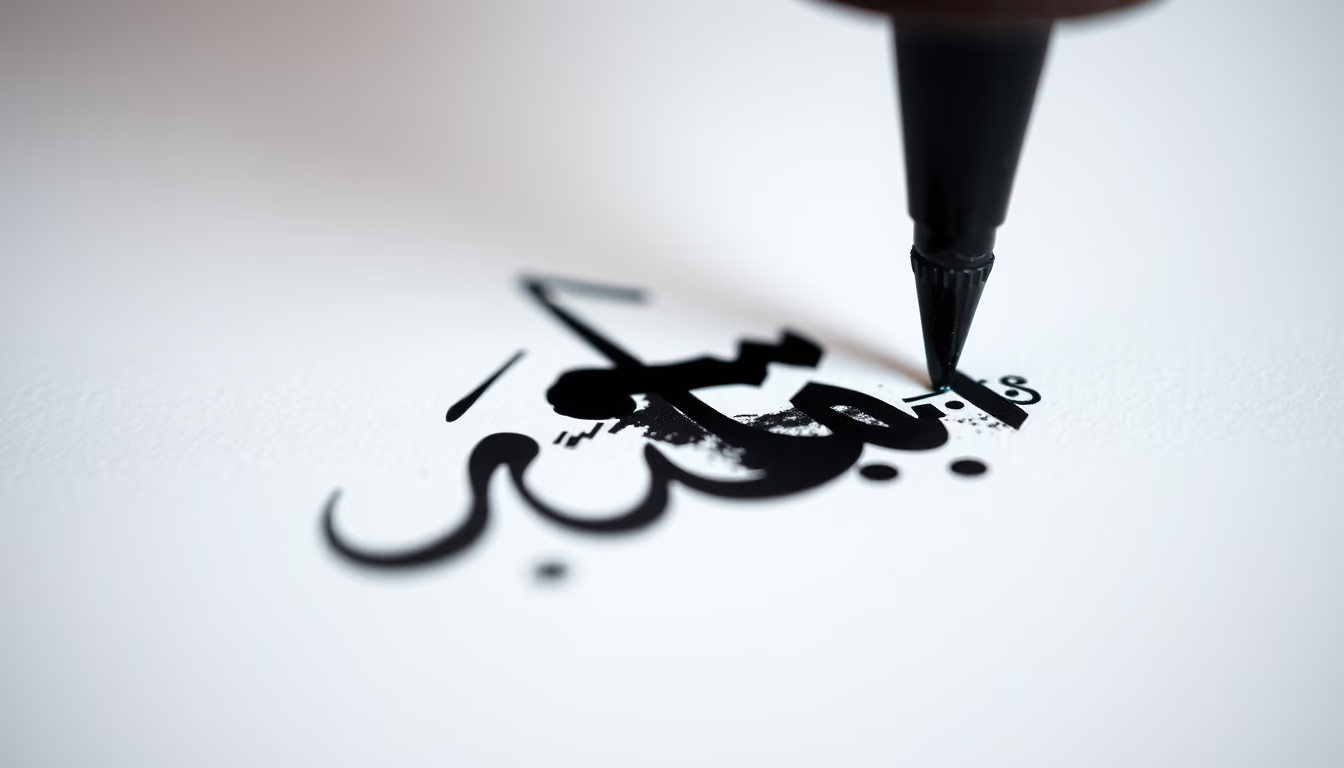
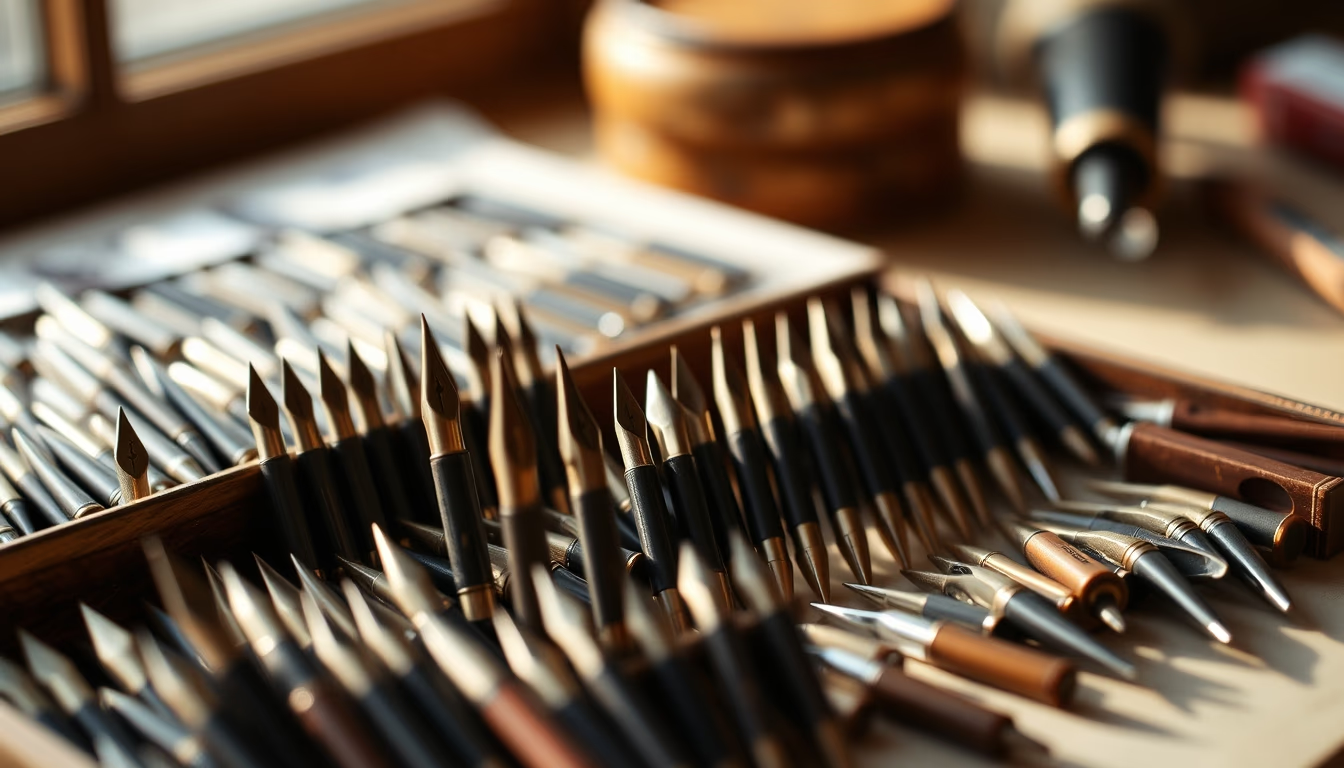
Arabic calligraphy ink: a mixture of soot, gum arabic, and water, used for centuries in Quranic writing and artistic works.
About this subject
Arabic calligraphy ink, called 'midād' or 'ḥibr', is traditionally made from soot (often from oil lamps or burnt wood), gum arabic as a binder, and water. This mixture yields a thick, opaque, quick-drying ink ideal for writing with a bamboo reed pen (qalam) on paper or parchment. Recipes vary with additions like honey, vinegar, or rust to adjust viscosity or color.
Handcrafted black ink production dates back to pre-Islamic times but was refined during the Islamic Golden Age (8th, 13th centuries). Calligraphers such as Ibn Muqla and Ibn al-Bawwab established proportional rules for script, elevating calligraphy to a high art. Black ink was most valued for its strong contrast on paper, ensuring clear reading of the Quran and scientific manuscripts.
In addition to black ink, calligraphers used colored inks (red, blue, gold) for headings or highlights, made from mineral pigments like lapis lazuli or mercury sulfide. However, black ink remained the foundation. Ink quality was so critical that entire treatises were written on its preparation, such as al-Hasan al-Baṣrī's 'Kitāb al-Ḥibr'.
Today, contemporary Arabic calligraphy still employs traditional inks, alongside modern adaptations like acrylic India ink. Macrophotography of ink droplets reveals textures and patterns that echo the fluidity and precision required by the art of Arabic calligraphy.
Frequently Asked Questions
What are the basic ingredients of Arabic calligraphy ink?
Traditional ingredients are soot (from oil lamps or burnt wood), gum arabic as a binder, and water. Some recipes add honey, vinegar, or rust to alter consistency or color.
Why was black ink the most used in classical Arabic calligraphy?
Black ink provided high contrast with paper, enhancing readability and aesthetic beauty. It was considered the noblest, especially for Quran copies, where clarity and permanence were paramount.
How is Arabic calligraphy ink made today?
Besides traditional handcrafted methods, many calligraphers use acrylic India ink or commercial high-quality inks. However, artisanal preparation is still practiced and valued for its historical connection and control over texture.
Direct URL
https://pub-c7d6a6ea828543ac903a74a341ccb2e1.r2.dev/imagens/arabic-calligraphy-ink-macro-closeup-fresh8.avifHow to credit
Include a visible link back to UtilizAí. Copy one of the snippets below:
<a href="https://xn--utiliza-eza.com/en/midia/imagens/arabic-calligraphy-ink-macro-closeup-fresh8">Arabic calligraphy ink</a> by <a href="https://xn--utiliza-eza.com">UtilizAí</a>, licensed under <a href="https://creativecommons.org/licenses/by/4.0/">CC BY 4.0</a>.
[Arabic calligraphy ink](https://xn--utiliza-eza.com/en/midia/imagens/arabic-calligraphy-ink-macro-closeup-fresh8) by [UtilizAí](https://xn--utiliza-eza.com), CC BY 4.0
License: CC-BY-4.0