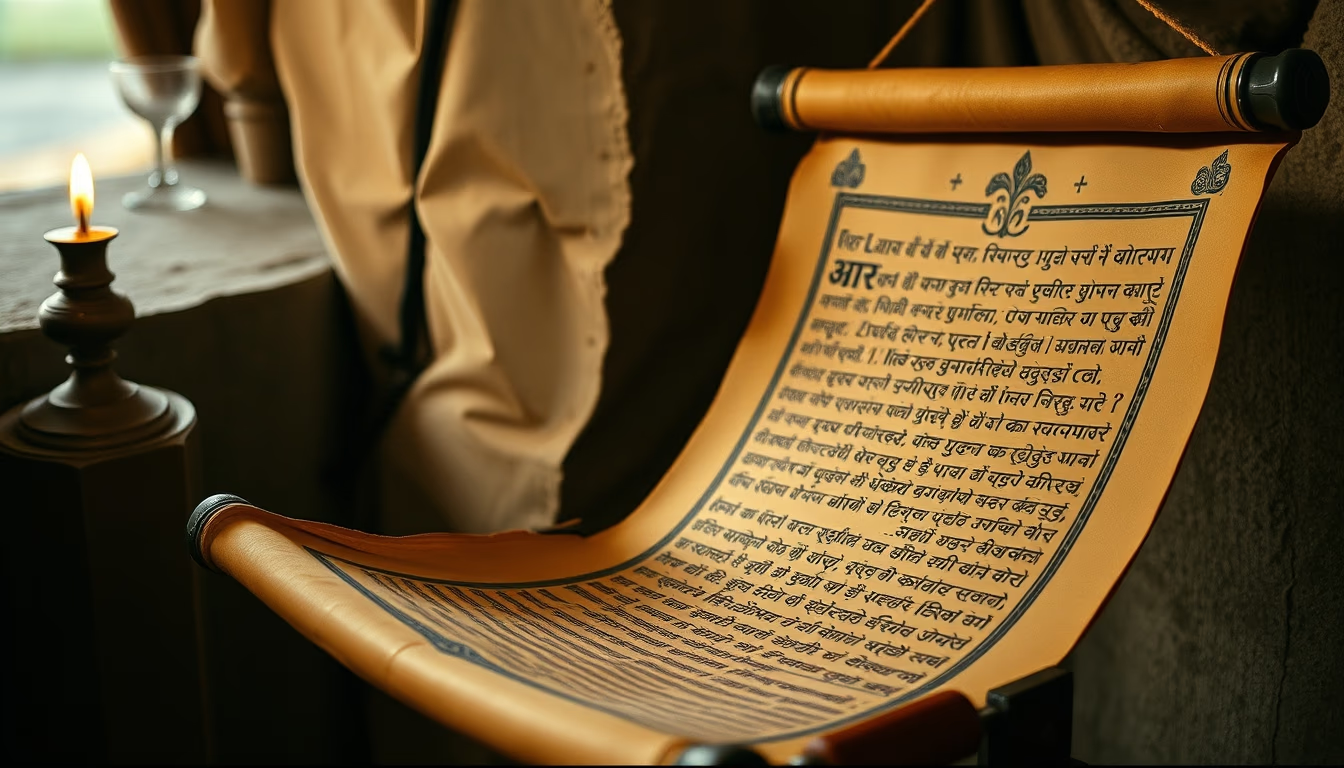
Arabic calligraphy ink
1344×768 · AVIF · CC BY 4.0
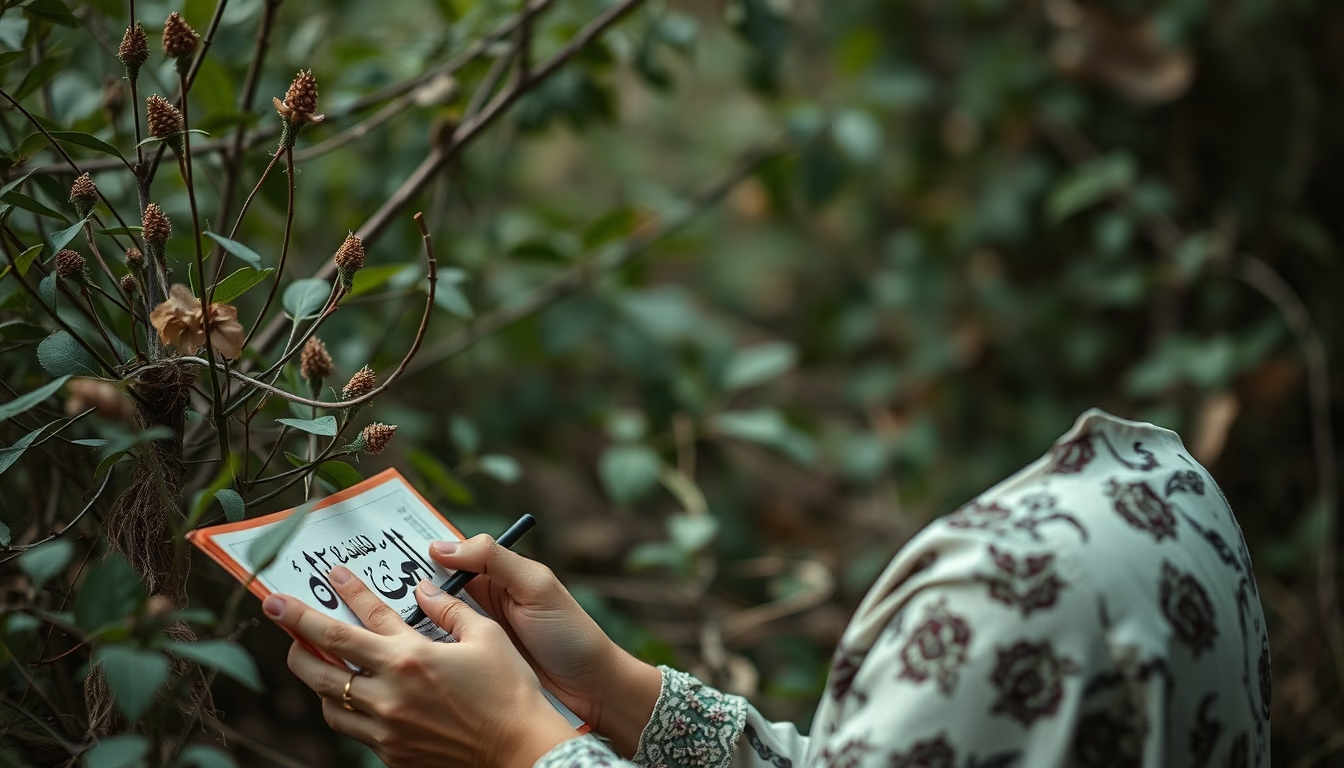
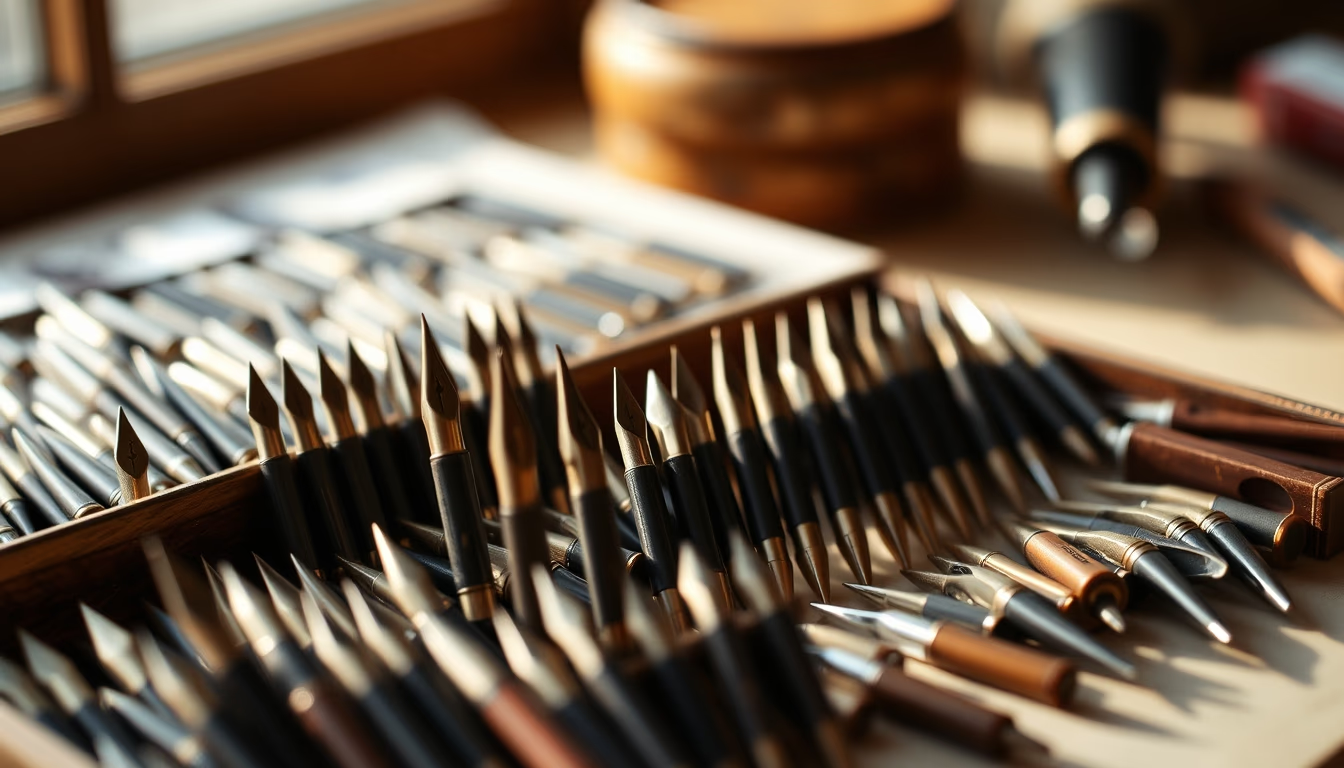
Arabic calligraphy ink is an essential element in Islamic art, traditionally made from soot and gum arabic.
About this subject
Arabic calligraphy ink has a millenary history, being essential for the preservation and spread of Islamic culture. Traditionally, it was made from lampblack soot or oil smoke mixed with gum arabic as a binder and water. This composition gave the ink a deep, lasting black color ideal for writing on parchment or paper. The manufacturing process was artisanal and involved precise knowledge of chemistry and physics, learned and passed down through generations of calligraphers.
The importance of ink goes beyond the technical aspect: it was considered a spiritual tool. In the Islamic world, calligraphy is the art of writing the word of God, especially the Quran. Therefore, the quality of the ink reflected the reverence and devotion of the scribe. Each region developed its own recipes: in the Maghreb, more gum arabic was used, while in Persia, elements like saffron were added for a brighter shade. These variations influenced the fluidity of writing and the final sheen.
Today, many inks are industrially produced, but traditional calligraphers still seek natural ingredients to maintain authenticity. Arabic calligraphy ink is typically used with a reed or bamboo pen called a qalam, which produces varying strokes according to pressure. The relationship between ink and tool is crucial: the ink's viscosity must be ideal so the qalam glides smoothly and produces elegant lines. Modern studies analyze historical ink samples to better understand ancient techniques and preserve this intangible heritage.
Frequently Asked Questions
What is the traditional composition of Arabic calligraphy ink?
The traditional composition includes soot (usually from lamps), gum arabic as a binder, and water. Some regional variations add substances like saffron to alter color or sheen.
Why is ink so important in Islamic culture?
Ink is vital because it is linked to writing the Quran, the word of God. Calligraphy is a sacred art, and the ink's quality symbolizes respect and devotion.
How does ink influence Arabic calligraphy?
The ink's viscosity and composition determine stroke fluidity and interaction with the qalam. A well-prepared ink allows for sharp, elegant lines essential for calligraphic aesthetics.
Direct URL
https://pub-c7d6a6ea828543ac903a74a341ccb2e1.r2.dev/imagens/arabic-calligraphy-ink-documentary-nature-style-fresh13.avifHow to credit
Include a visible link back to UtilizAí. Copy one of the snippets below:
<a href="https://xn--utiliza-eza.com/en/midia/imagens/arabic-calligraphy-ink-documentary-nature-style-fresh13">Arabic calligraphy ink</a> by <a href="https://xn--utiliza-eza.com">UtilizAí</a>, licensed under <a href="https://creativecommons.org/licenses/by/4.0/">CC BY 4.0</a>.
[Arabic calligraphy ink](https://xn--utiliza-eza.com/en/midia/imagens/arabic-calligraphy-ink-documentary-nature-style-fresh13) by [UtilizAí](https://xn--utiliza-eza.com), CC BY 4.0
License: CC-BY-4.0