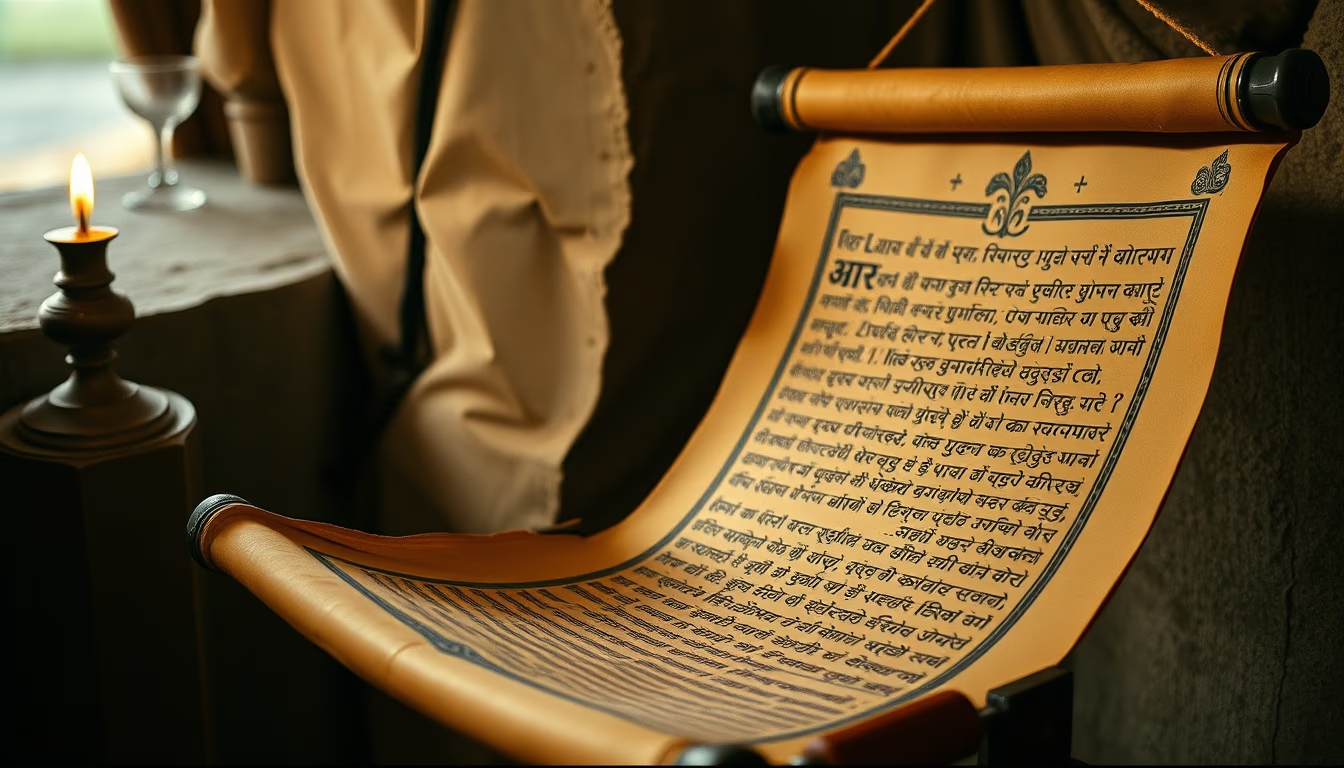
Arabic calligraphy ink
1344×768 · AVIF · CC BY 4.0

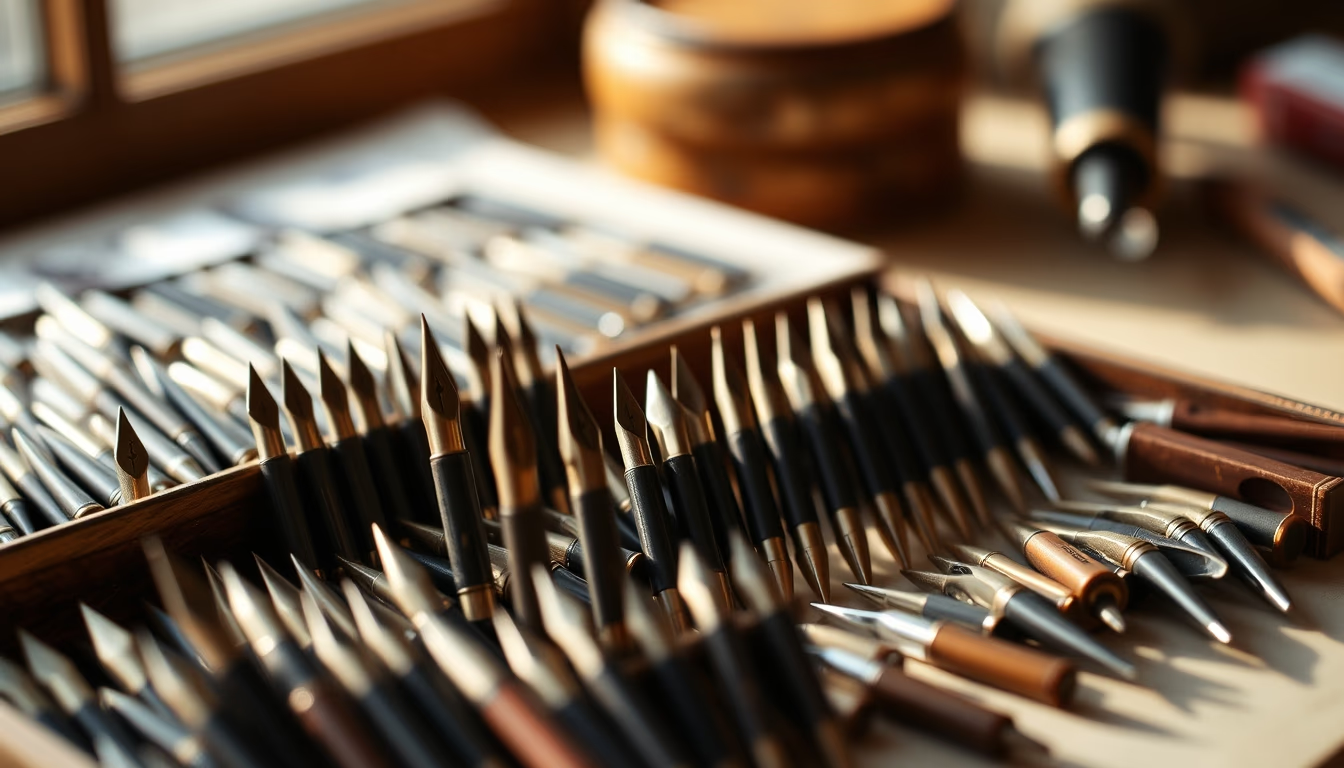
Arabic calligraphy ink is an essential element in Islamic art, made from natural ingredients like soot and gum arabic.
About this subject
The ink used in Arabic calligraphy has a millennia-old history, dating back to the early centuries of Islam. Traditionally, it was made from soot from oil lamps, mixed with gum arabic and water, resulting in a shiny, durable black ink. This recipe, known as midād, varied by region: in the Maghreb, honey was added for viscosity; in Persia, saffron was used for golden tones. The quality of the ink was crucial for preserving Qur'an manuscripts and producing calligraphic masterpieces.
The artisanal manufacturing process involved the controlled burning of vegetable or animal oils to obtain fine soot, which was then ground for hours in stone mortars. Gum arabic, extracted from acacia, acted as a binder and provided luster. To prevent mold or thickening, some calligraphers added camphor or cloves. Unlike modern synthetic inks, this traditional ink allows variations in thickness and fluidity essential for the ascending and descending strokes of Arabic calligraphy.
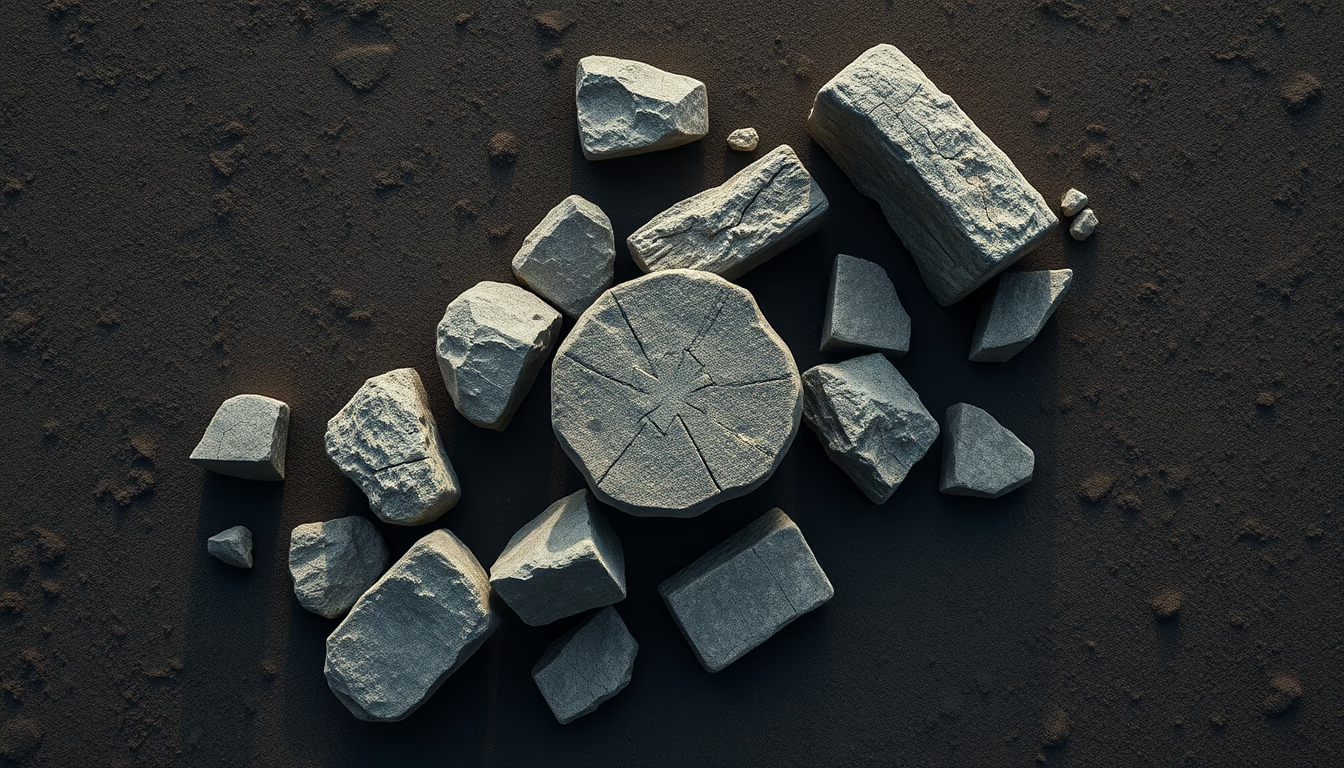
Culturally, the ink was not merely a technical medium: it symbolized knowledge and divine wisdom. Calligraphers often prepared their own ink as a purification ritual, and masters passed down secret recipes to their disciples. Today, the tradition persists in workshops in Cairo, Istanbul, and Fez, where handmade ink is valued for its depth and lightfastness. Aerial photography of ink containers reveals the geometry of dispersed pigments, echoing the mathematical harmony of calligraphy itself.
Frequently Asked Questions
What are the traditional ingredients of Arabic calligraphy ink?
Traditional ingredients include soot from oil lamps, gum arabic, and water. Regional variations add honey, saffron, camphor, or cloves to improve viscosity, color, or preservation.
Why is handmade ink still used in contemporary Arabic calligraphy?
Handmade ink offers deeper color, durability, and control over stroke fluidity, qualities valued by professional calligraphers seeking authenticity and tradition.
How does Arabic calligraphy ink relate to Islamic culture?
The ink symbolizes knowledge and divine wisdom, prepared in purification rituals. Its artisanal production is passed down through generations of master calligraphers, preserving a centuries-old tradition.
Direct URL
https://pub-c7d6a6ea828543ac903a74a341ccb2e1.r2.dev/imagens/arabic-calligraphy-ink-aerial-drone-shot-fresh7.avifHow to credit
Include a visible link back to UtilizAí. Copy one of the snippets below:
<a href="https://xn--utiliza-eza.com/en/midia/imagens/arabic-calligraphy-ink-aerial-drone-shot-fresh7">Arabic calligraphy ink</a> by <a href="https://xn--utiliza-eza.com">UtilizAí</a>, licensed under <a href="https://creativecommons.org/licenses/by/4.0/">CC BY 4.0</a>.
[Arabic calligraphy ink](https://xn--utiliza-eza.com/en/midia/imagens/arabic-calligraphy-ink-aerial-drone-shot-fresh7) by [UtilizAí](https://xn--utiliza-eza.com), CC BY 4.0
License: CC-BY-4.0