Analytical balance closeup
1344×768 · AVIF · CC BY 4.0

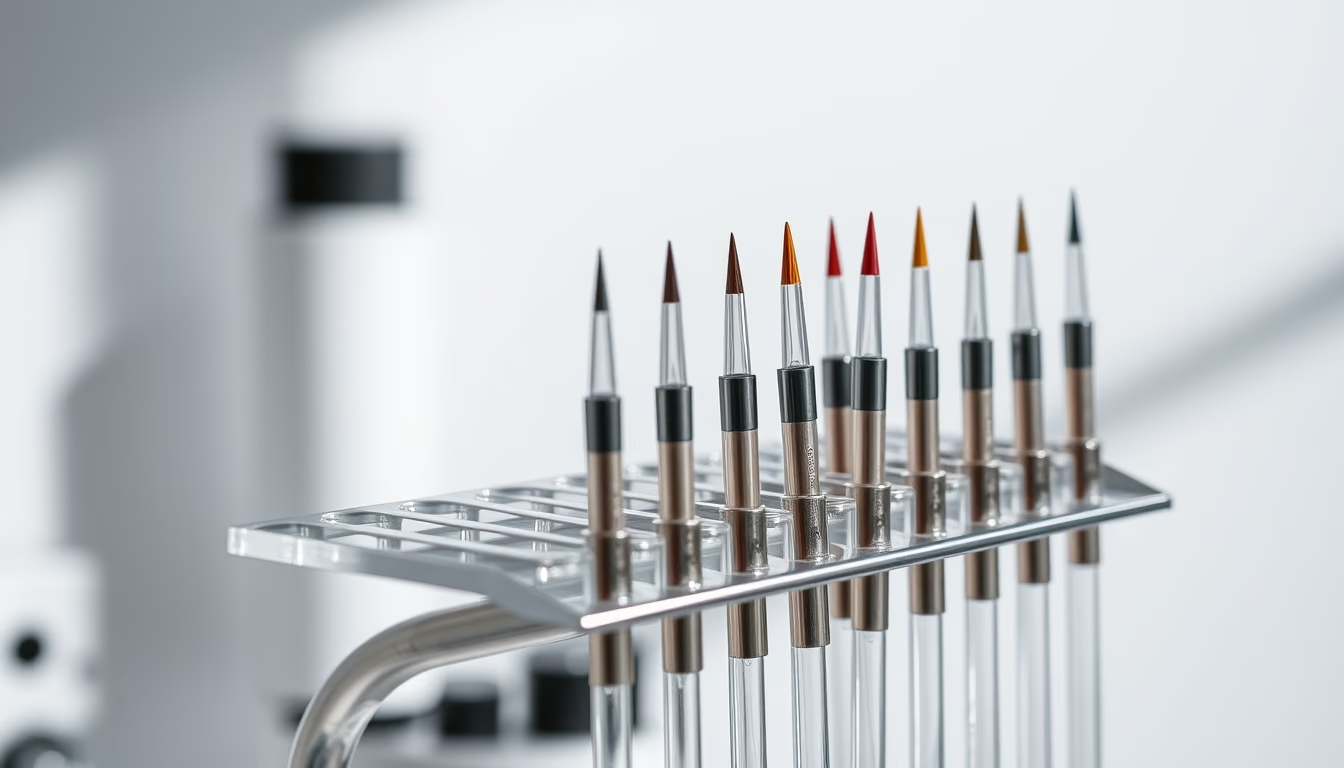
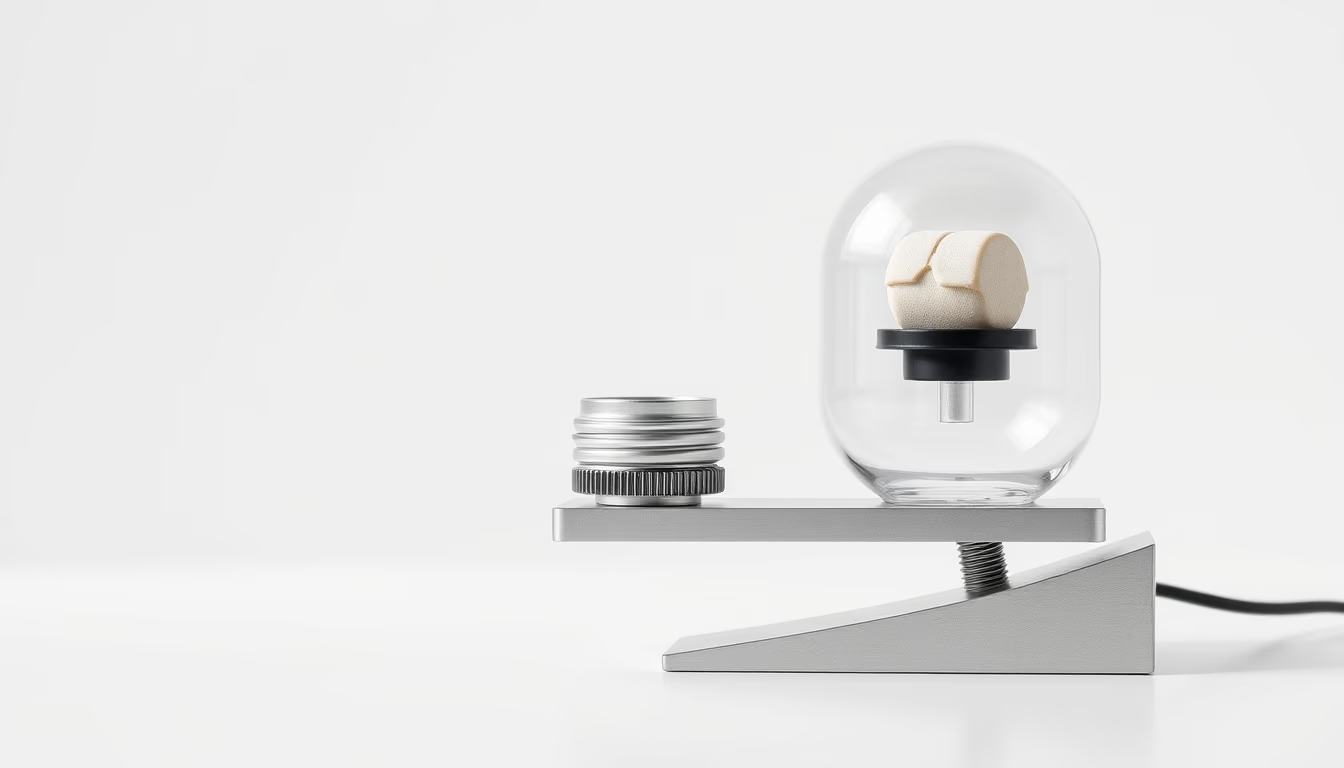
An analytical balance is a precision instrument used in laboratories to measure masses with accuracy in the sub-milligram range.
About this subject
An analytical balance is a critical instrument in chemistry, pharmacy, and biology laboratories, capable of measuring mass with precision up to 0.1 mg or better. Its operation requires special care, such as installation on a stable surface, absence of air drafts, and temperature control, as external factors can compromise results. Modern models use electromagnetic force compensation to balance the mass, replacing older lever mechanisms.
The typical design includes a weighing pan protected by a glass draft shield with sliding doors, isolating the sample from environmental variations. The reading is digital, with a display showing up to four decimal places. Calibration must be performed periodically using certified reference weights, following standards such as ISO 17025. Many analytical balances feature internal automatic calibration, which adjusts the device when temperature changes are detected.
Historically, analytical balances evolved from two-pan balances to single-pan substitution balances, and later to current electronic models. Precision is essential in applications such as preparation of standard solutions for titrations, quantitative analysis in quality control, and pharmacopoeial testing. Weighing errors can invalidate entire experiments, making operator training crucial.
In addition to precision, durability and reliability are valued features. Analytical balances should be cleaned regularly with soft cloths and appropriate solvents to avoid residue buildup. Maximum capacity typically ranges from 100 to 500 grams, and overloading can damage the weighing mechanism. The use of weighing bottles, spatulas, and appropriate gloves helps prevent contamination and errors.
Frequently Asked Questions
What is the typical precision of an analytical balance?
Typical precision is 0.0001 g (0.1 mg), and can reach 0.00001 g (0.01 mg) in high-precision models. This accuracy is essential for quantitative laboratory analyses.
Why do analytical balances have a glass draft shield?
The glass draft shield protects the sample from air currents, temperature variations, and dust, which could affect accurate measurement. Sliding doors allow access without compromising stability.
How to calibrate an analytical balance?
Calibration should be performed using certified reference weights, following the manufacturer's procedure. Many balances have internal automatic calibration, but periodic external calibration is recommended to ensure traceability to national standards.
Direct URL
https://pub-c7d6a6ea828543ac903a74a341ccb2e1.r2.dev/imagens/analytical-balance-closeup-macro-closeup-fresh14.avifHow to credit
Include a visible link back to UtilizAí. Copy one of the snippets below:
<a href="https://xn--utiliza-eza.com/en/midia/imagens/analytical-balance-closeup-macro-closeup-fresh14">Analytical balance closeup</a> by <a href="https://xn--utiliza-eza.com">UtilizAí</a>, licensed under <a href="https://creativecommons.org/licenses/by/4.0/">CC BY 4.0</a>.
[Analytical balance closeup](https://xn--utiliza-eza.com/en/midia/imagens/analytical-balance-closeup-macro-closeup-fresh14) by [UtilizAí](https://xn--utiliza-eza.com), CC BY 4.0
License: CC-BY-4.0