Amanita muscaria red
1344×768 · AVIF · CC BY 4.0
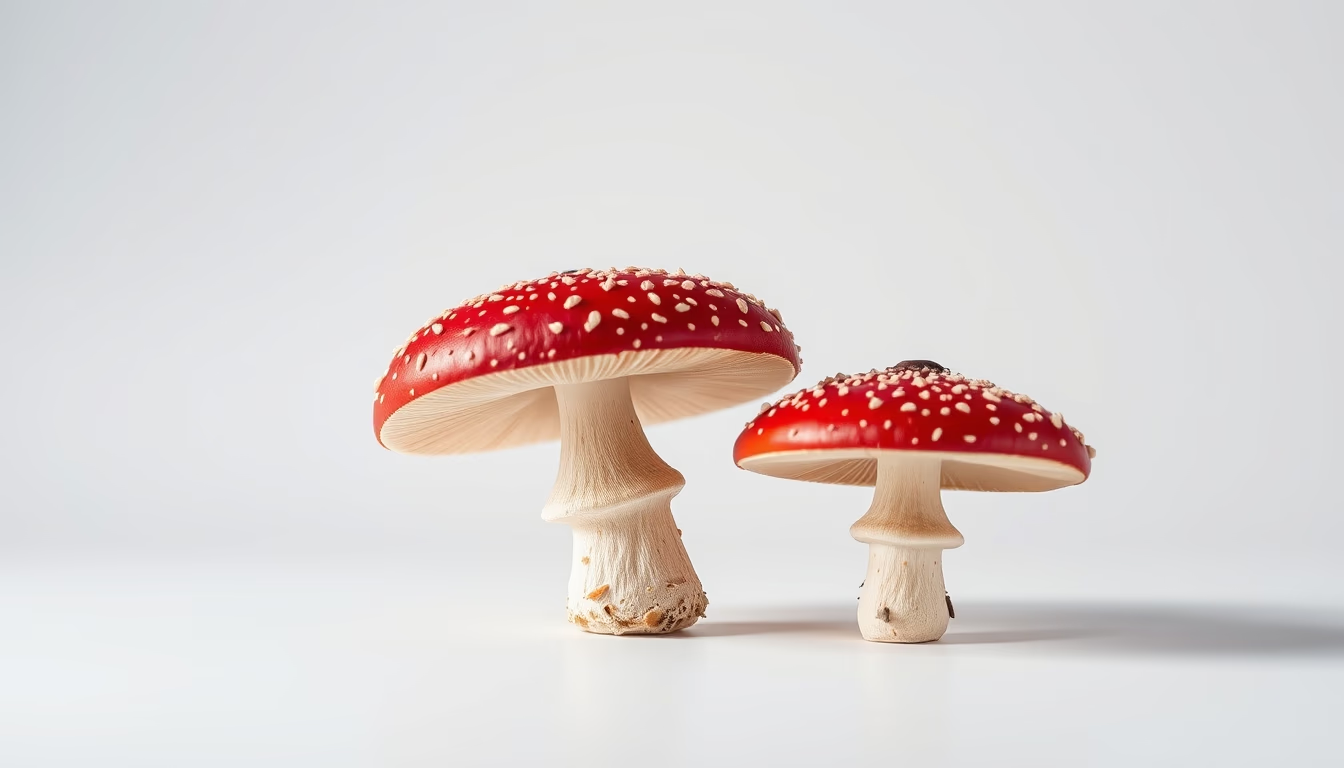
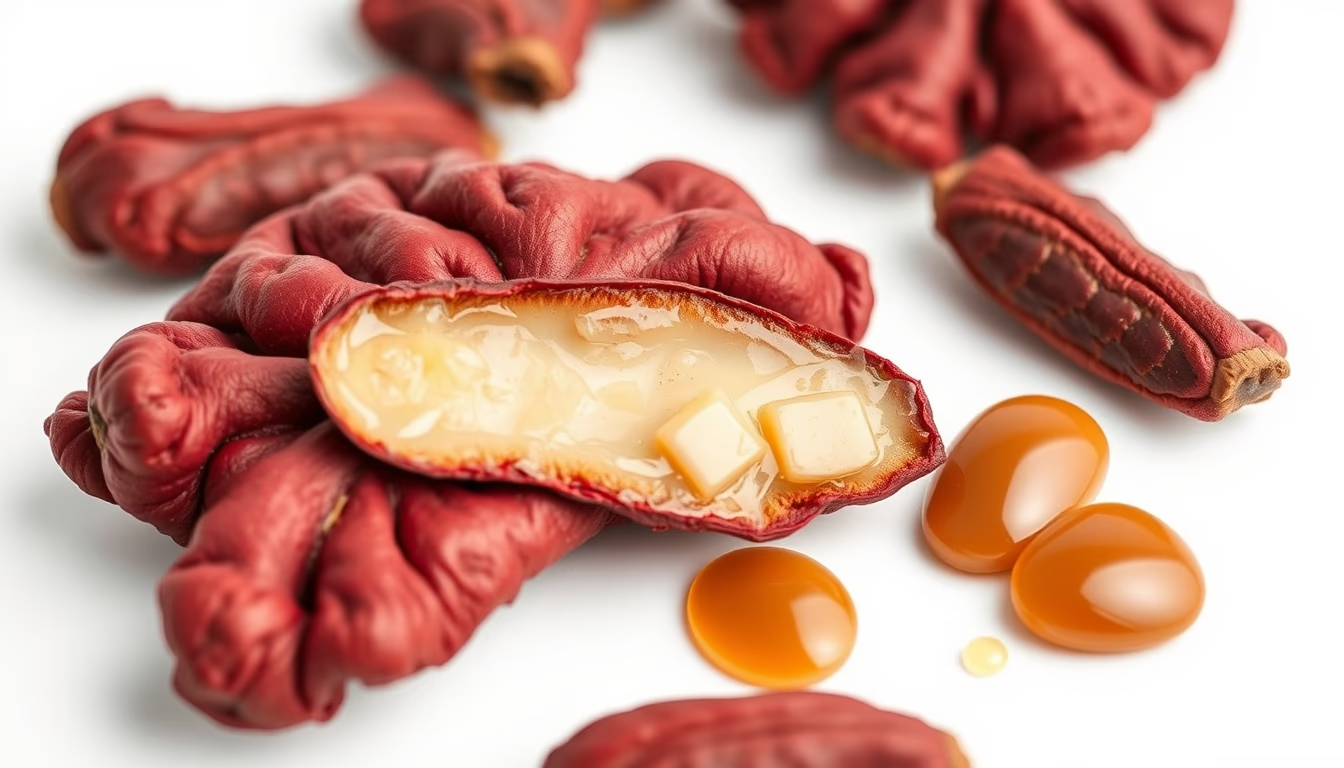
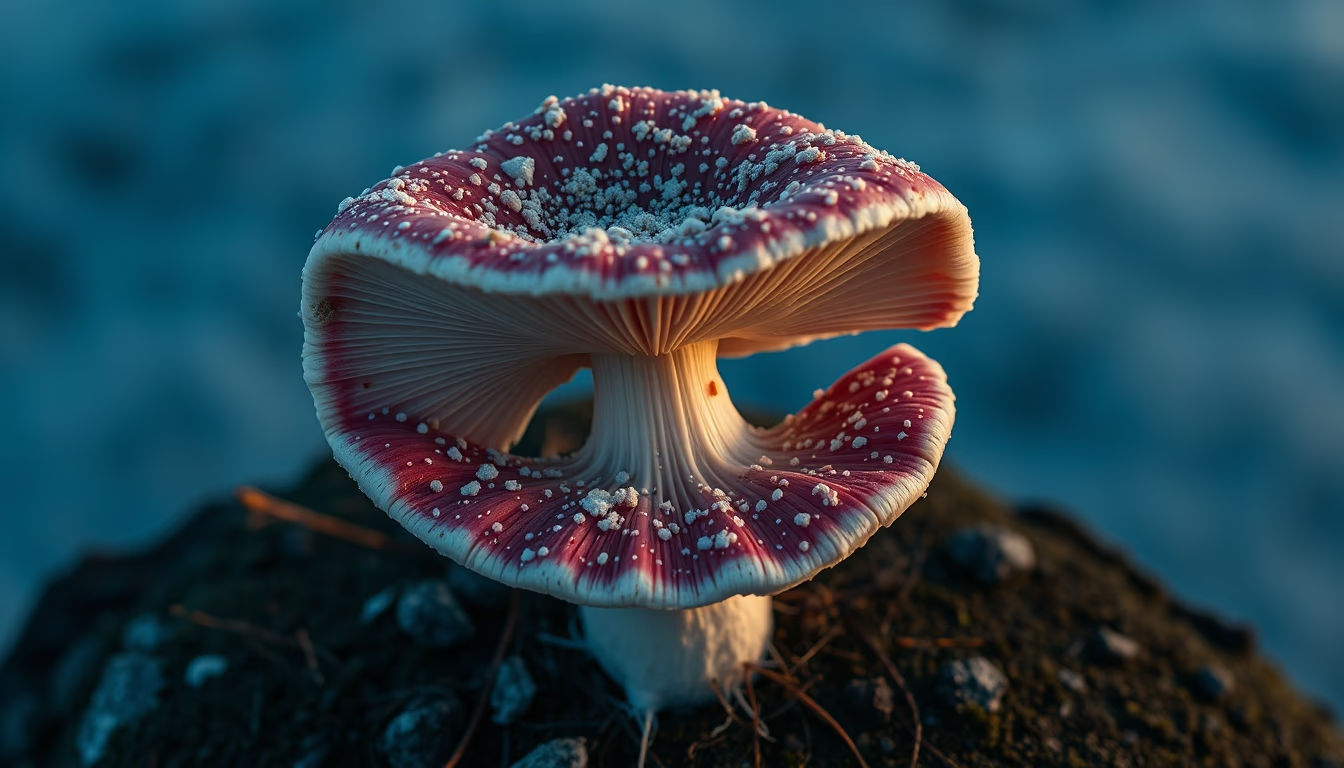
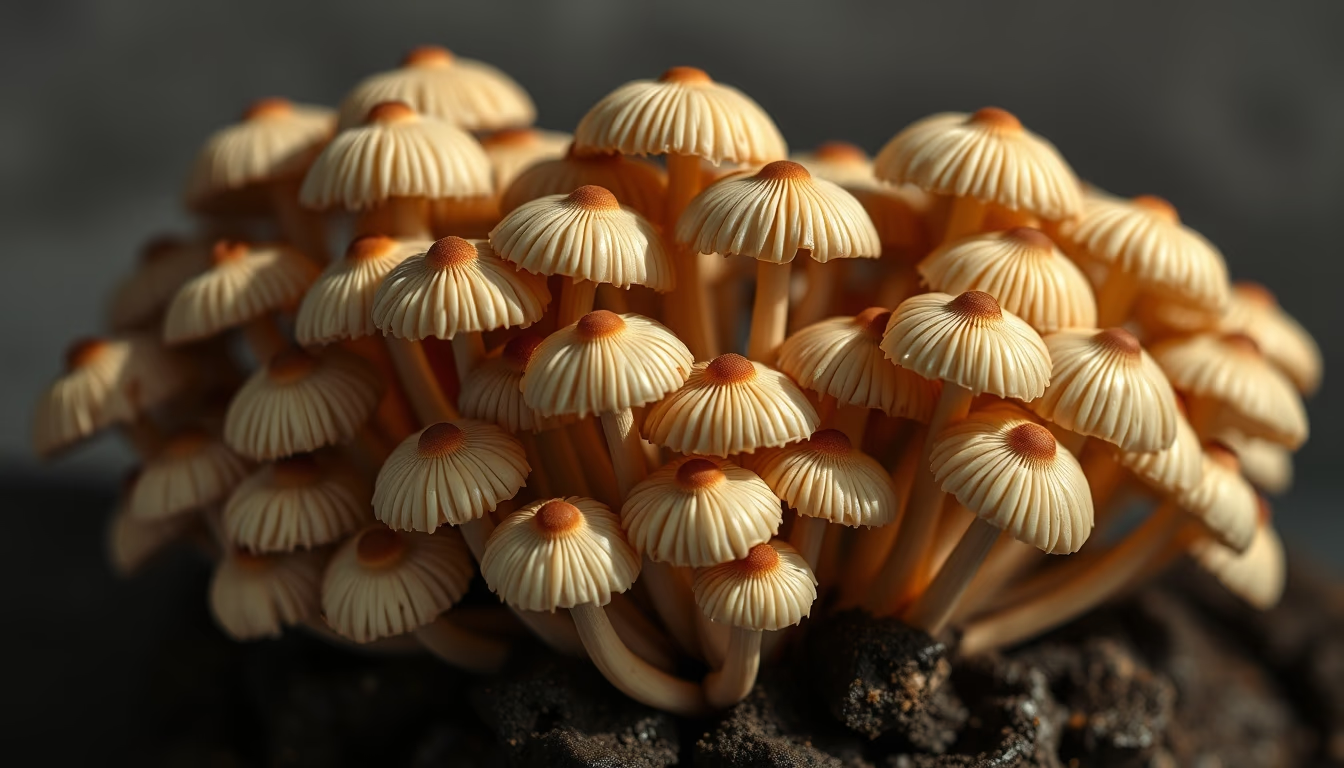
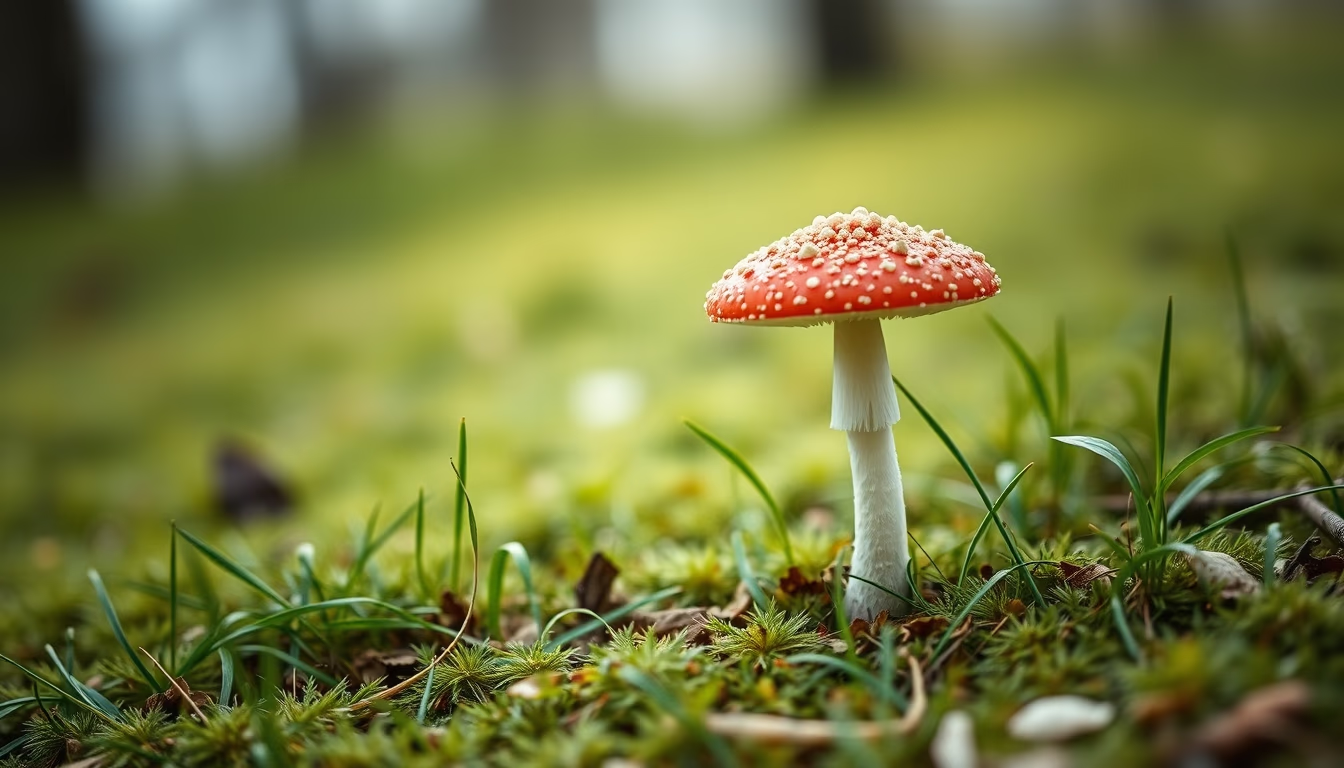
Amanita muscaria red, the iconic white-spotted mushroom, captured in a studio still life that highlights its vivid shape and colors.
About this subject
Amanita muscaria is one of the most recognizable mushrooms worldwide, famous for its bright red cap covered in white warts. These spots are remnants of the universal veil, a membrane that encases the young mushroom. Native to temperate and boreal regions of the Northern Hemisphere, it forms mycorrhizal associations with trees like birch and pine, benefiting forest growth.
This fungus contains psychoactive compounds such as ibotenic acid and muscimol, which cause hallucinogenic and sedative effects. In Siberia, it was used shamanically in trance rituals, while in medieval Europe it was associated with elf and fairy legends. Despite its acute toxicity, proper cooking (parboiling) reduces harmful compounds, allowing consumption in some cultures.
The studio image captures the mushroom's texture and color without distractions, ideal for botanical identification or aesthetic appreciation. Controlled lighting enhances the contrast between the intense red and white scales, as well as the gills and the characteristic ring on the stipe. This species is often confused with the deadly Amanita phalloides, but the red color and warts are distinguishing marks.
Fun fact: the name "fly agaric" comes from its traditional use as an insecticide, placing mushroom pieces in milk to attract and kill flies. Amanita muscaria also appears in pop culture, such as in Disney's "Fantasia" and the Super Mario game, where the red mushroom grants power-ups.
Frequently Asked Questions
How to identify Amanita muscaria?
Look for a red or orange cap with irregular white warts, white gills, a ring on the stem, and a bulbous base. It typically grows near birch or pine trees in temperate regions.
Is Amanita muscaria edible?
Raw, it is toxic and can cause nausea, hallucinations, and coma. However, after parboiling (boiling and discarding the water), it becomes edible in some cultures, though consumption is not recommended due to variable toxin levels.
What are the traditional uses of this mushroom?
Siberian peoples, such as the Koryak, used it in shamanic rituals to induce trance and visions. In Europe, it was associated with fairy tales and used as a household insecticide.
Direct URL
https://pub-c7d6a6ea828543ac903a74a341ccb2e1.r2.dev/imagens/amanita-muscaria-red-studio-still-life-p9.avifHow to credit
Include a visible link back to UtilizAí. Copy one of the snippets below:
<a href="https://xn--utiliza-eza.com/en/midia/imagens/amanita-muscaria-red-studio-still-life-p9">Amanita muscaria red</a> by <a href="https://xn--utiliza-eza.com">UtilizAí</a>, licensed under <a href="https://creativecommons.org/licenses/by/4.0/">CC BY 4.0</a>.
[Amanita muscaria red](https://xn--utiliza-eza.com/en/midia/imagens/amanita-muscaria-red-studio-still-life-p9) by [UtilizAí](https://xn--utiliza-eza.com), CC BY 4.0
License: CC-BY-4.0