Amanita muscaria red
1344×768 · AVIF · CC BY 4.0
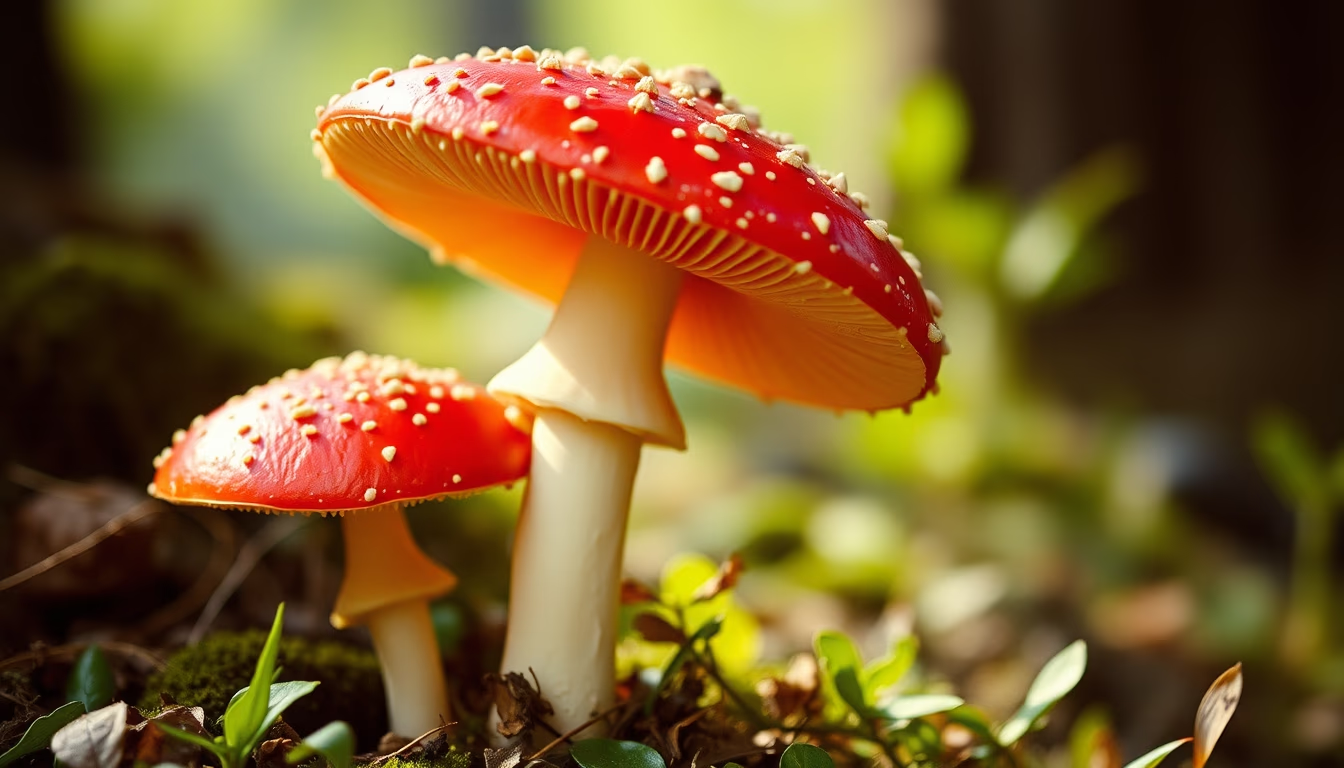
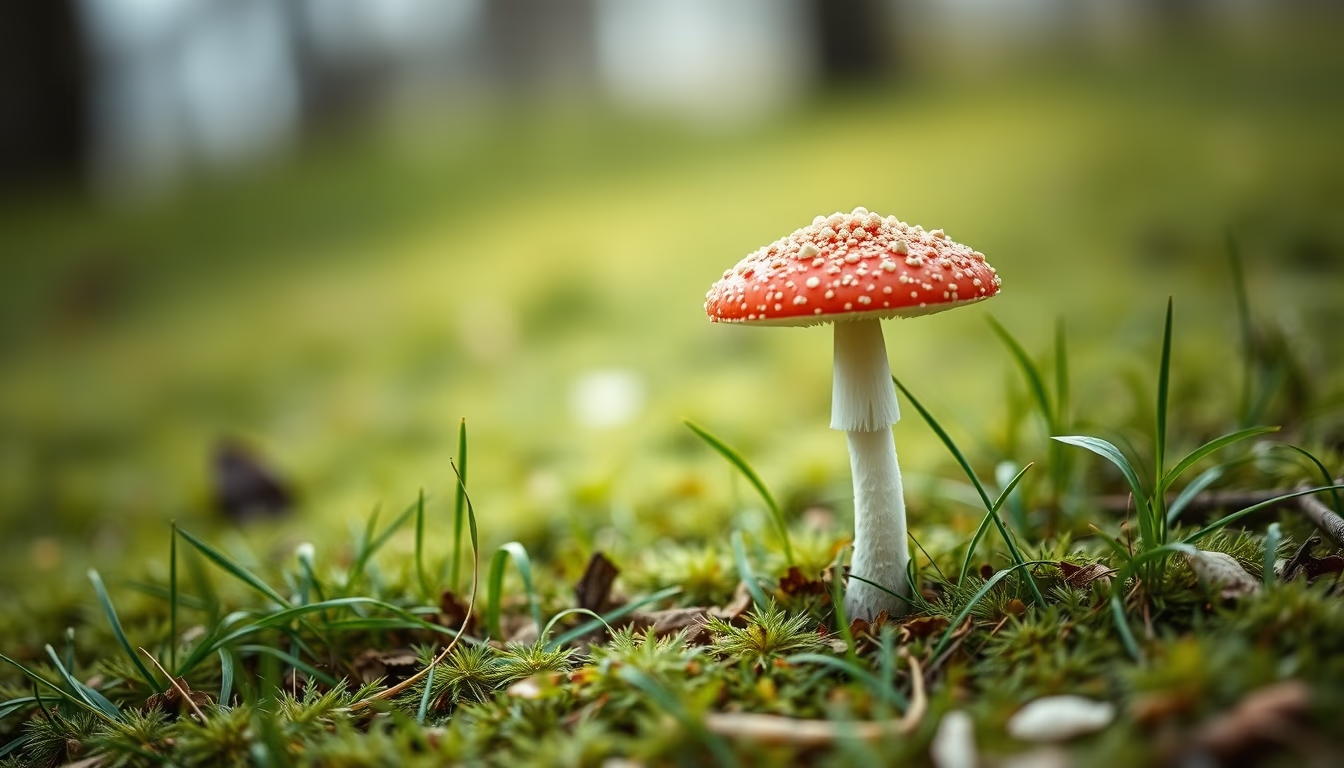
The Amanita muscaria mushroom, with its red cap and white spots, is famous for its ritual use and psychoactive properties. Explore its history and ecology.
About this subject
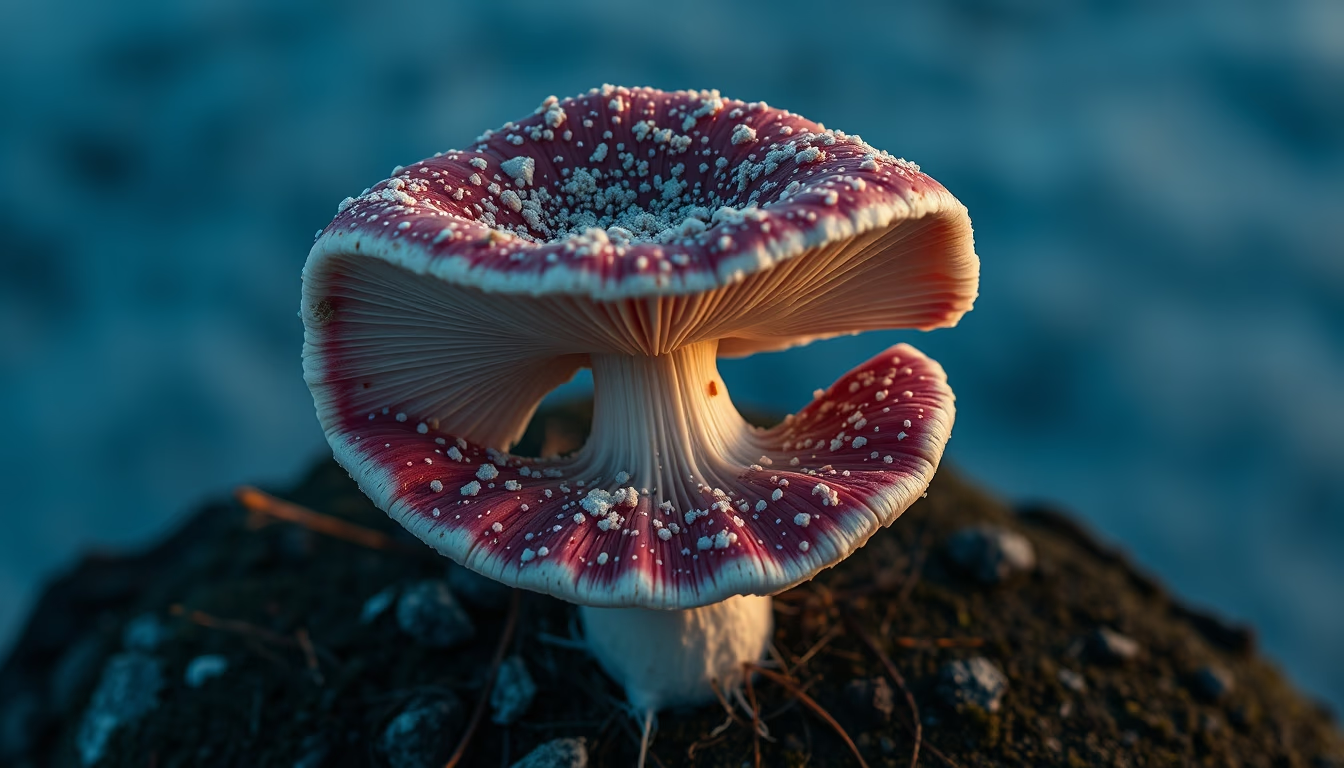
Amanita muscaria, commonly known as the fly agaric or fly mushroom, is a basidiomycete fungus of the Amanitaceae family. Its iconic appearance, with a bright red cap dotted with white warts, makes it one of the most recognizable mushrooms worldwide. It is found in temperate and boreal regions of the Northern Hemisphere, forming symbiotic mycorrhizal associations with trees such as birches and pines.
Historically, Amanita muscaria has played a prominent role in shamanic cultures, especially in Siberia, where it was used in rituals to alter consciousness. Its active compounds include ibotenic acid and muscimol, which produce hallucinogenic and sedative effects. Contrary to popular belief, its properties are not the same as psilocybin found in other mushrooms. Consumption requires careful preparation to reduce toxicity, and even then it can cause nausea and mental confusion.
In modern culture, this red-and-white-spotted mushroom is often associated with fairy tales and video games, such as the Super Mario franchise, where the "Super Mushroom" item is based on it. However, recreational use is discouraged due to risks and unpredictable effects. Ecologically, Amanita muscaria is a mycorrhizal species, crucial for the health of many forests.
Frequently Asked Questions
Is Amanita muscaria edible?
It is not recommended to eat Amanita muscaria raw or without proper preparation. It contains toxins that cause nausea, vomiting, and hallucinations. Drying or boiling can reduce its psychoactive effects, but risks remain.
What is the difference between Amanita muscaria and psilocybin mushrooms?
Amanita muscaria contains ibotenic acid and muscimol, which act on the GABA system, while psilocybin mushrooms contain psilocybin, a serotonin receptor agonist. Effects differ: Amanita can cause sleepiness, confusion, and involuntary movements, whereas psilocybin produces visual and introspective experiences.
Where does Amanita muscaria grow?
It grows in symbiosis with roots of birches, pines, and firs, in acidic soils of temperate and boreal forests. It is common in Europe, Asia, and North America, appearing in autumn.
Direct URL
https://pub-c7d6a6ea828543ac903a74a341ccb2e1.r2.dev/imagens/amanita-muscaria-red-lo-fi-disposable-camera-p8.avifHow to credit
Include a visible link back to UtilizAí. Copy one of the snippets below:
<a href="https://xn--utiliza-eza.com/en/midia/imagens/amanita-muscaria-red-lo-fi-disposable-camera-p8">Amanita muscaria red</a> by <a href="https://xn--utiliza-eza.com">UtilizAí</a>, licensed under <a href="https://creativecommons.org/licenses/by/4.0/">CC BY 4.0</a>.
[Amanita muscaria red](https://xn--utiliza-eza.com/en/midia/imagens/amanita-muscaria-red-lo-fi-disposable-camera-p8) by [UtilizAí](https://xn--utiliza-eza.com), CC BY 4.0
License: CC-BY-4.0