Amanita muscaria red
1344×768 · AVIF · CC BY 4.0
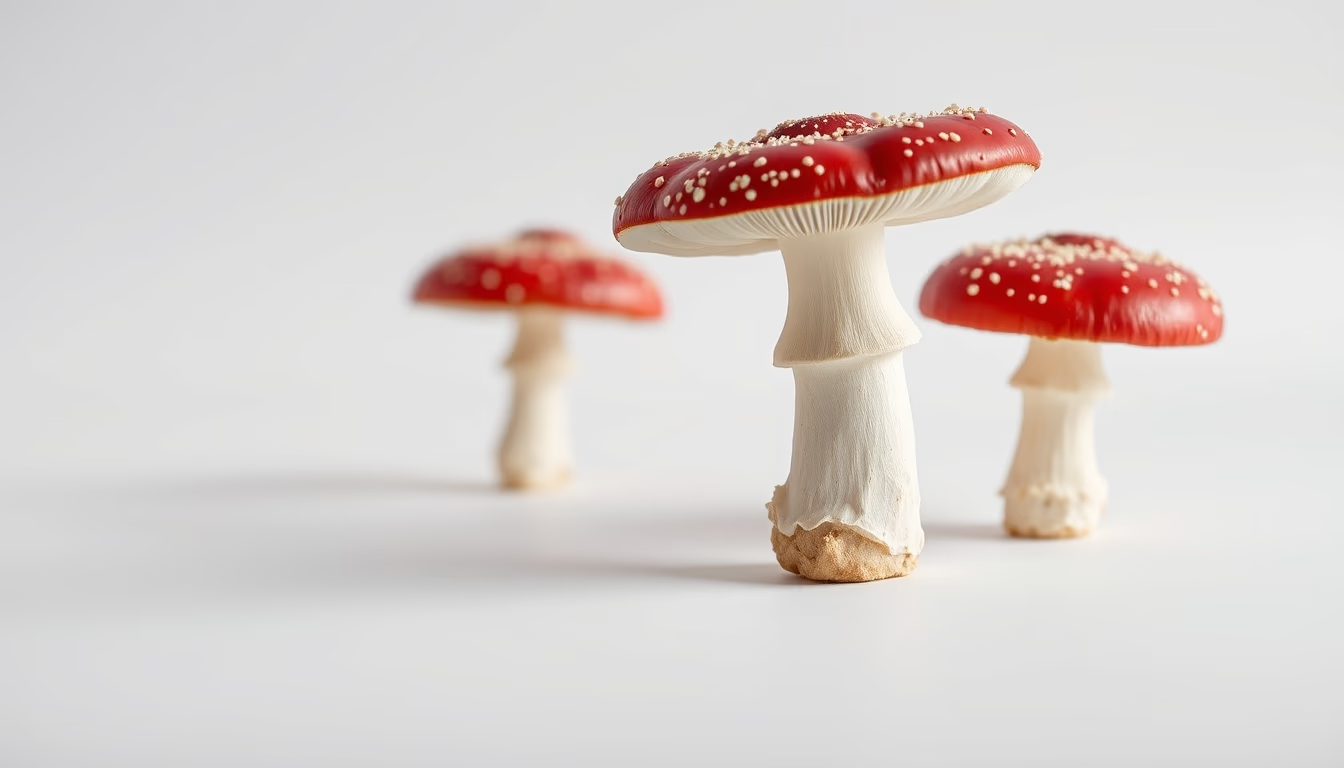
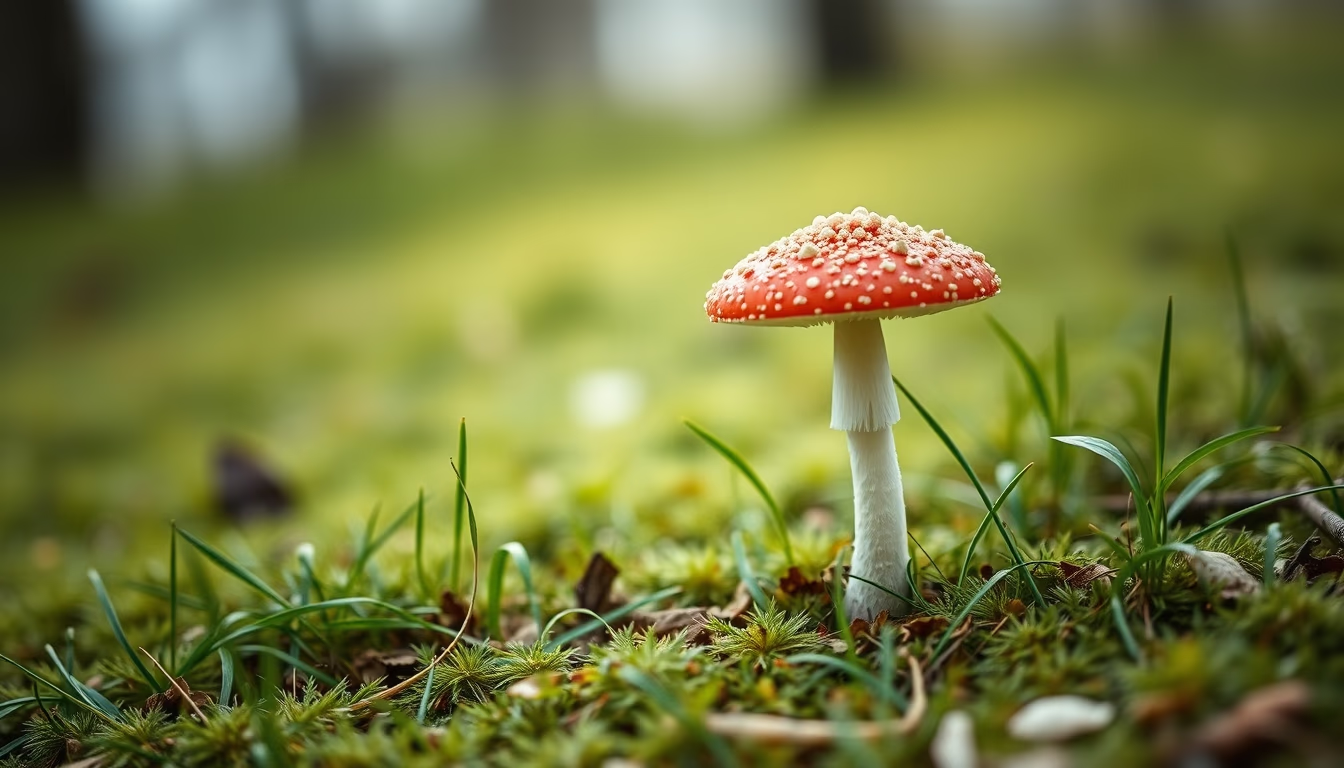
Amanita muscaria is one of the world's most iconic mushrooms, known for its red cap with white spots and its historical use in shamanic rituals.
About this subject
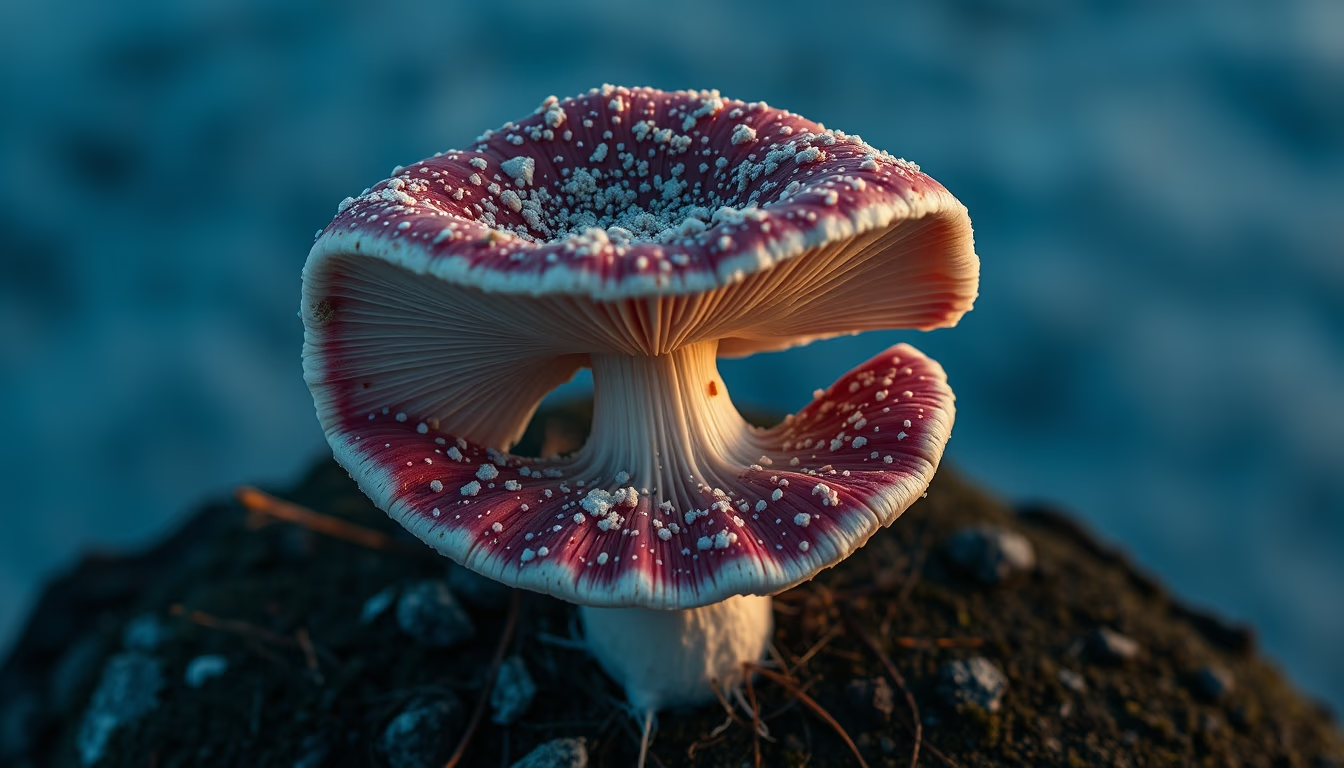
Amanita muscaria, commonly known as the fly agaric, is a basidiomycete fungus of the family Amanitaceae. It is easily recognized by its bright red cap covered with white warts, contrasting with the white stalk and gills. This species has a cosmopolitan distribution, occurring in temperate and boreal regions of the Northern Hemisphere, but it has also been introduced elsewhere, such as Brazil, where it is found in pine and eucalyptus plantations in the South and Southeast.
Culturally, Amanita muscaria has a rich history. Indigenous peoples of Siberia and North America used it in shamanic ceremonies for its psychoactive effects. It is believed to have influenced legends such as Santa Claus, with his red-and-white suit, and the figure of the gnome. In Norse mythology, there are references to berserkers using the mushroom to enter a trance state before battles.
Despite its appealing appearance, Amanita muscaria is toxic and can cause severe poisoning. Its main psychoactive compounds are ibotenic acid and muscimol, which produce hallucinogenic effects, confusion, and gastrointestinal distress. Proper preparation, such as drying or boiling, can reduce toxicity, but consumption remains risky and is discouraged. Unlike common belief, it does not contain psilocybin, the active ingredient in magic mushrooms.
Ecologically, Amanita muscaria forms mycorrhizal associations with trees such as birches, pines, and oaks. This symbiosis is essential for tree growth, as the fungus supplies mineral nutrients in exchange for sugars. The species is also known for its role in soil nutrient cycling and its ability to accumulate heavy metals, making it a bioindicator of environmental pollution.
Frequently Asked Questions
Is Amanita muscaria edible?
No, Amanita muscaria is toxic and should not be consumed raw. Although some cultures prepare it to reduce toxicity, the risk of poisoning is high, with symptoms including nausea, hallucinations, and confusion.
What is the psychoactive substance in Amanita muscaria?
The main psychoactive compounds are ibotenic acid and muscimol. They act as agonists of GABA receptors, producing hallucinogenic, sedative, and dissociative effects, different from psilocybin-containing mushrooms.
Where is Amanita muscaria found in Brazil?
In Brazil, Amanita muscaria is an introduced species, found mainly in the South and Southeast regions, associated with pine (Pinus spp.) and eucalyptus (Eucalyptus spp.) plantations, where it forms mycorrhizae with these trees.
Direct URL
https://pub-c7d6a6ea828543ac903a74a341ccb2e1.r2.dev/imagens/amanita-muscaria-red-commercial-product-photography-p2.avifHow to credit
Include a visible link back to UtilizAí. Copy one of the snippets below:
<a href="https://xn--utiliza-eza.com/en/midia/imagens/amanita-muscaria-red-commercial-product-photography-p2">Amanita muscaria red</a> by <a href="https://xn--utiliza-eza.com">UtilizAí</a>, licensed under <a href="https://creativecommons.org/licenses/by/4.0/">CC BY 4.0</a>.
[Amanita muscaria red](https://xn--utiliza-eza.com/en/midia/imagens/amanita-muscaria-red-commercial-product-photography-p2) by [UtilizAí](https://xn--utiliza-eza.com), CC BY 4.0
License: CC-BY-4.0