Aircraft carrier deck
1344×768 · AVIF · CC BY 4.0
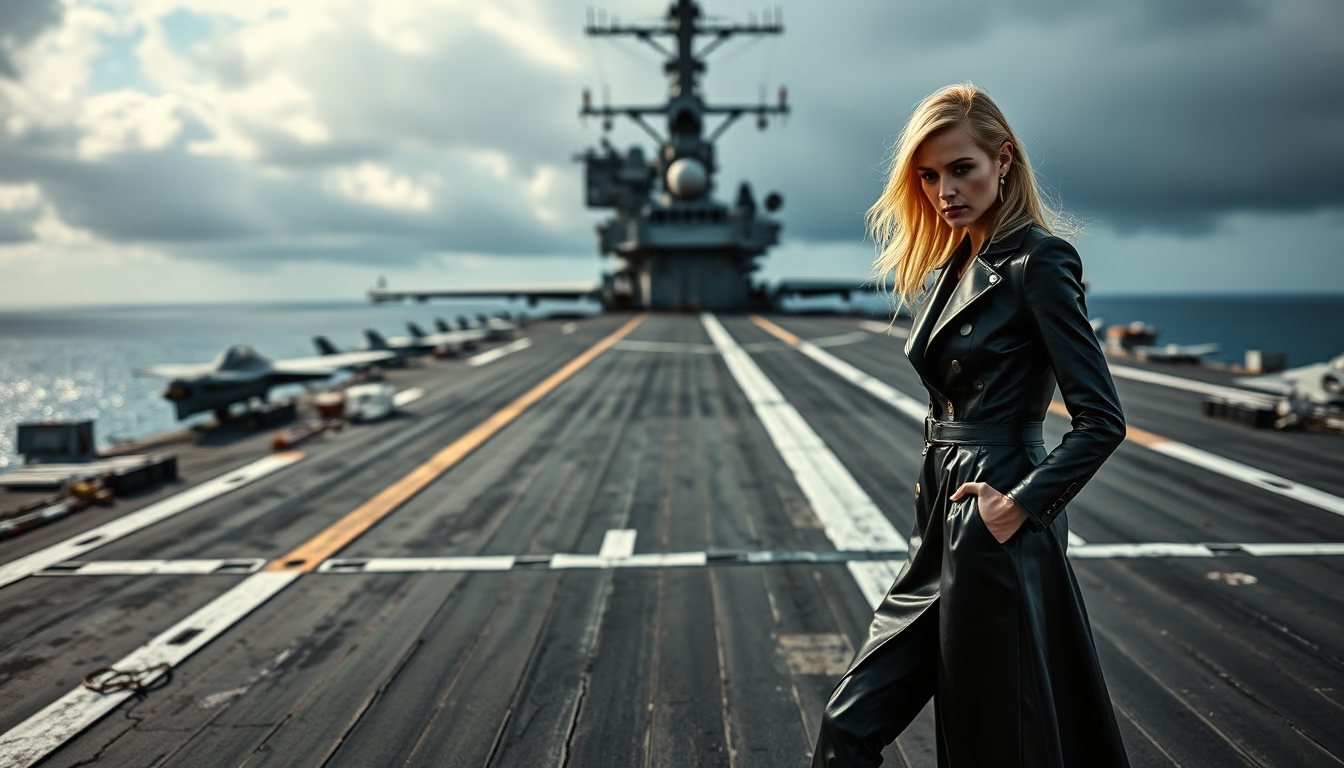
The flight deck of an aircraft carrier is one of the most dynamic and complex areas of naval engineering, serving as a runway for fixed-wing aircraft at sea.
About this subject
The flight deck of an aircraft carrier is a structure engineered to withstand intense flight operations in the open ocean. Typically measuring between 200 and 300 meters in length, the deck is built from high-strength steel and coated with specialized non-skid materials to ensure traction in adverse weather. The design includes an angled runway, usually inclined 9 to 13 degrees, allowing simultaneous landings while aircraft are launched from the bow. Catapult systems, either steam or electromagnetic, accelerate fighter jets from 0 to 270 km/h in less than 3 seconds.
Deck dynamics are orchestrated by a highly trained crew identified by colored vests: yellow for launch directors, green for catapult operators, purple for fuel handlers, and others. Every move is timed to launch or recover aircraft every 30 to 60 seconds, depending on configuration. The deck has marked zones for parking, refueling, and rearming, minimizing collision or fire risks. Safety is enhanced by barricades and safety nets.
Historically, decks evolved from simple wooden platforms on World War I conversions to the complex aluminum-alloy and carbon-fiber surfaces of modern Ford-class supercarriers. Innovations like the angled deck, introduced by the Royal Navy in the 1950s, revolutionized safety and efficiency by allowing missed approaches to go around. Today, carriers like the USS Gerald R. Ford use automated systems that reduce the deck crew by 20% compared to previous classes.
The strategic importance of an aircraft carrier deck lies in its ability to project air power thousands of kilometers from land bases. Each deck is a floating airport that can operate fighters, early warning aircraft, and anti-submarine helicopters. Nations such as the United States, France, India, and China heavily invest in carriers to maintain maritime sovereignty. The deck is not merely a platform but the heart of a complex combat system requiring precision, training, and cutting-edge technology.
Frequently Asked Questions
How does an aircraft carrier deck work?
The flight deck is divided into launch, recovery, and parking areas. Aircraft are launched by steam or electromagnetic catapults and land using arresting cables. The deck crew coordinates each step via hand signals and communication systems.
What is the difference between the flight deck and the main deck?
The flight deck is the top surface where aircraft operate, while the main deck (hangar deck) is below for maintenance and storage. Aircraft are moved between them by elevators.
What are the main operational challenges on an aircraft carrier deck?
Challenges include adverse weather, ship motion, limited space management, fire and explosion risks, and the need for intense training to prevent accidents with aircraft and equipment.
Direct URL
https://pub-c7d6a6ea828543ac903a74a341ccb2e1.r2.dev/imagens/aircraft-carrier-deck-high-fashion-editorial-p4.avifHow to credit
Include a visible link back to UtilizAí. Copy one of the snippets below:
<a href="https://xn--utiliza-eza.com/en/midia/imagens/aircraft-carrier-deck-high-fashion-editorial-p4">Aircraft carrier deck</a> by <a href="https://xn--utiliza-eza.com">UtilizAí</a>, licensed under <a href="https://creativecommons.org/licenses/by/4.0/">CC BY 4.0</a>.
[Aircraft carrier deck](https://xn--utiliza-eza.com/en/midia/imagens/aircraft-carrier-deck-high-fashion-editorial-p4) by [UtilizAí](https://xn--utiliza-eza.com), CC BY 4.0
License: CC-BY-4.0