Aconcagua argentina
1344×768 · AVIF · CC BY 4.0
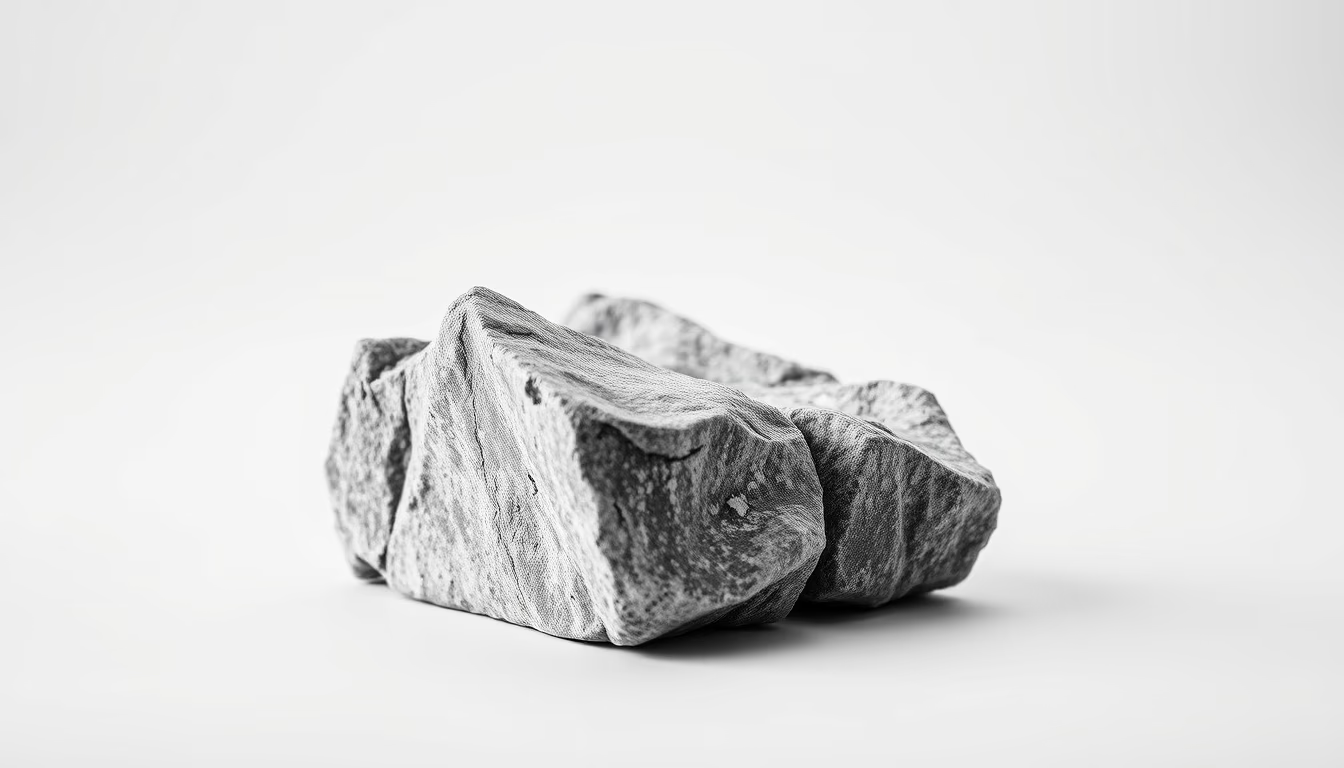
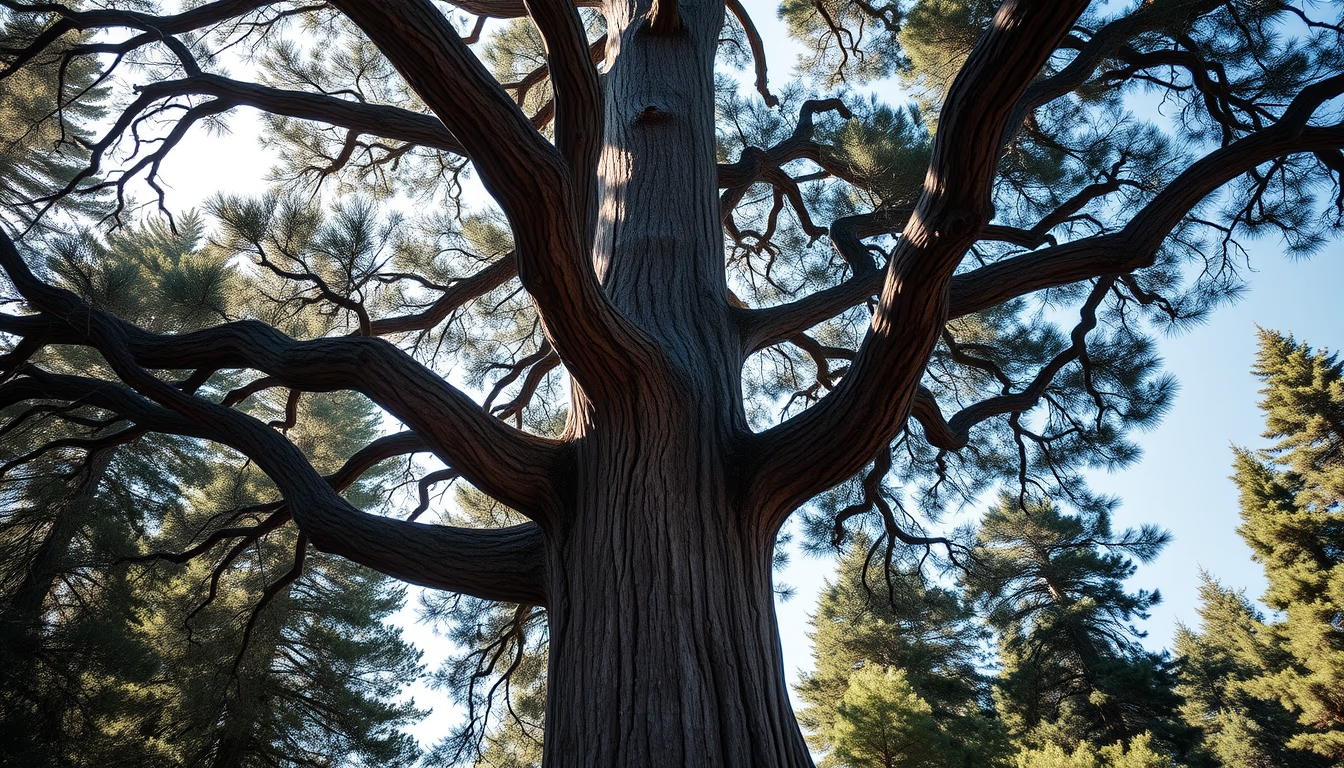
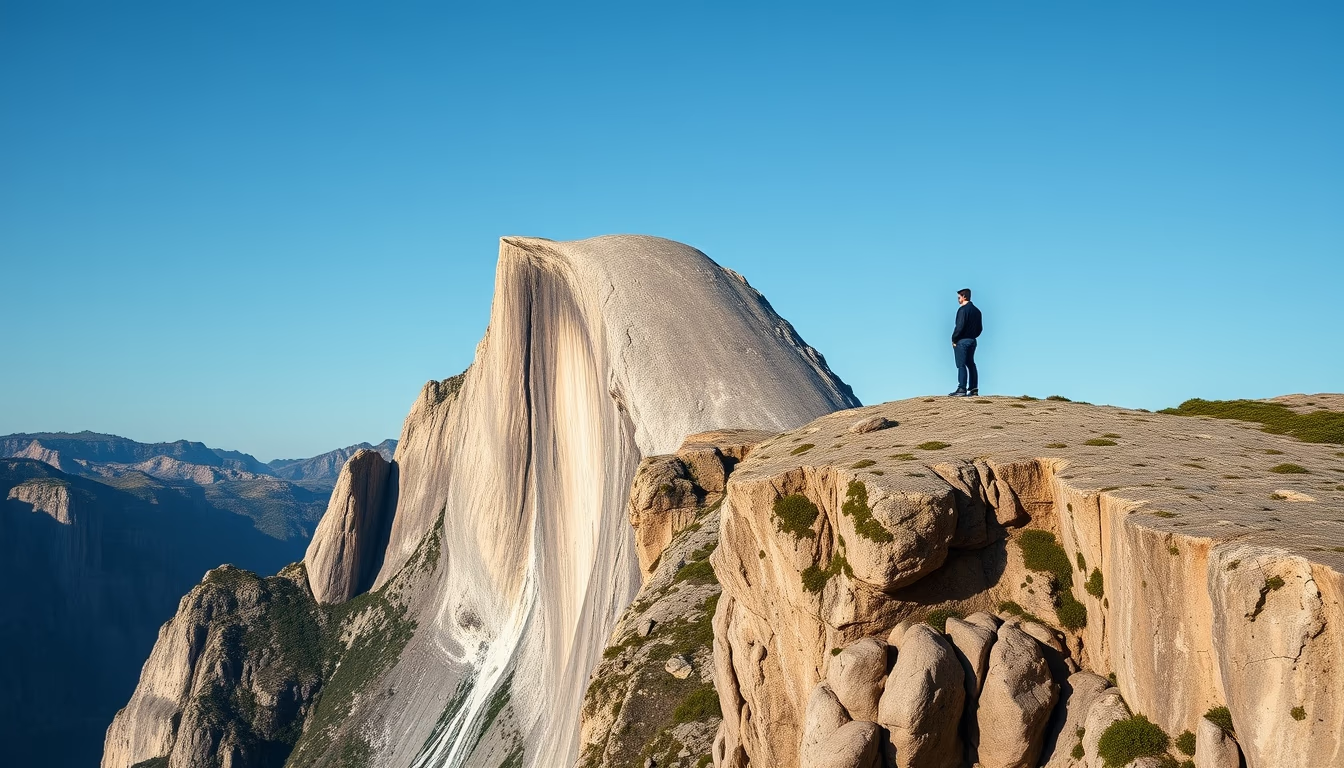
Mount Aconcagua in Argentina is the highest peak in the Americas, at 6,961 meters, and one of the greatest challenges in world mountaineering.
About this subject
Mount Aconcagua, located in Mendoza Province, Argentina, is the highest point in both the Southern and Western Hemispheres, reaching an elevation of 6,961 meters (22,838 feet). It is part of the Andes mountain range and is the tallest peak outside of Asia. Contrary to common belief, Aconcagua is not a volcano but a sedimentary mountain formed by the uplift of marine rocks during the Andean orogeny. Its first recorded ascent was in 1897 by Swiss guide Matthias Zurbriggen, who reached the summit alone. Since then, the mountain has become an iconic destination for climbers worldwide.
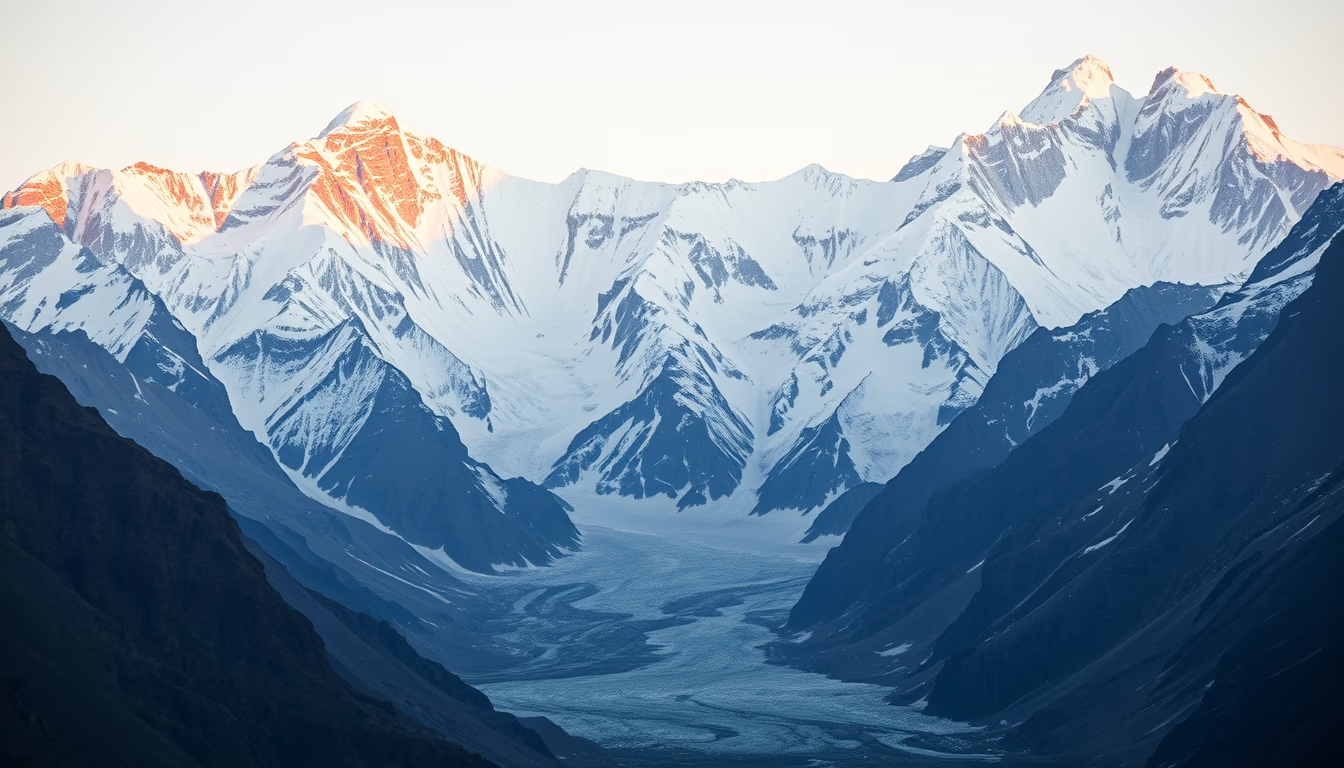
The name Aconcagua comes from Quechua, possibly meaning "stone sentinel" or "from the other side." The mountain lies within Aconcagua Provincial Park, a protected area that hosts glaciers like the Horcones Glacier and wildlife adapted to extreme altitudes, including condors and vicuñas. The most popular route to the summit is the Normal Route, considered non-technical but challenging due to extreme altitude and unpredictable weather. About 60% of those who attempt the climb succeed, and the climbing season runs from November to March.
Culturally, Aconcagua holds a prominent place in Argentine and South American identity. It is often featured on stamps, coins, and travel literature. Despite its fame, the mountain requires adequate physical preparation and acclimatization, with altitude sickness being a common issue. In recent years, adventure tourism has grown in the area, boosting the local economy but also raising environmental concerns. The park enforces strict preservation rules, such as mandatory carry-out of waste. Aconcagua remains a symbol of achievement and natural beauty, attracting both commercial expeditions and solo climbers.
Frequently Asked Questions
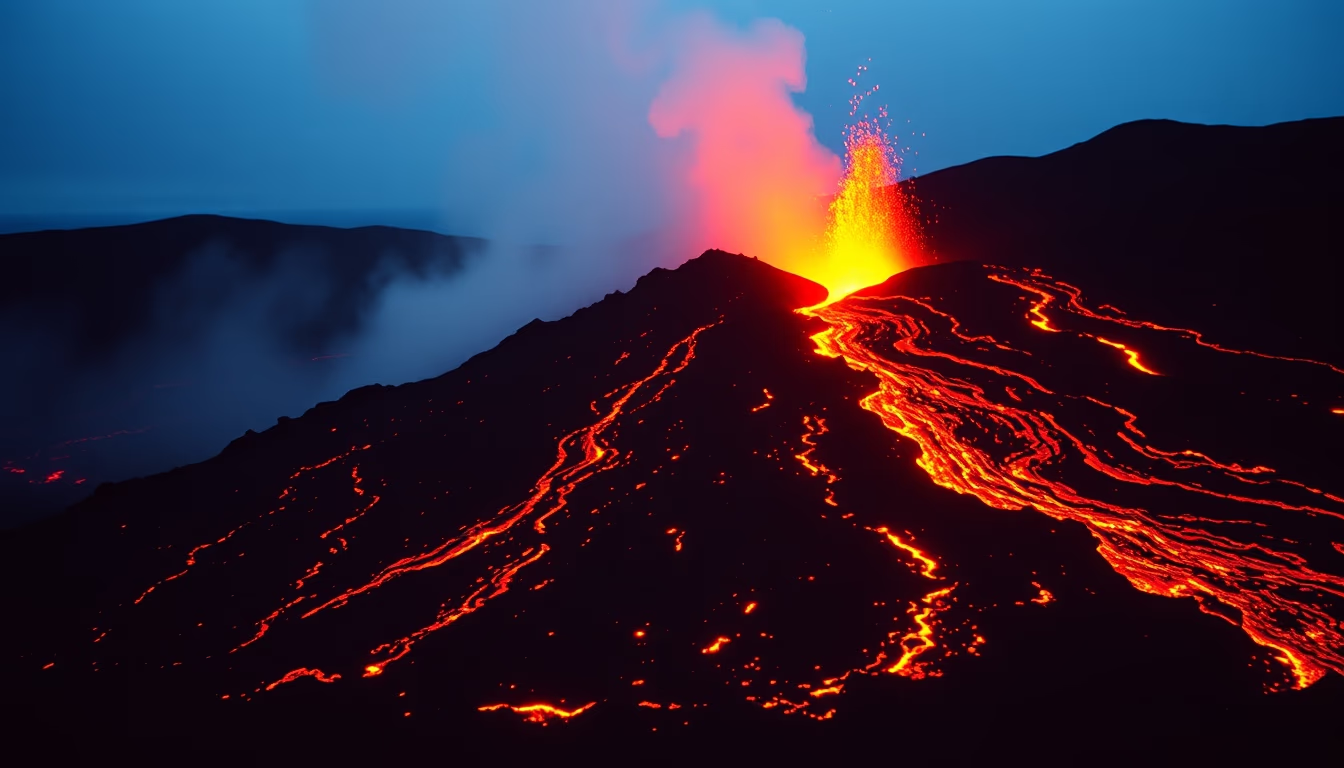
Is Aconcagua an active volcano?
No, Aconcagua is not a volcano. It is a sedimentary mountain formed by the uplift of rocks during the Andean orogeny.
What is the best time to climb Aconcagua?
The climbing season runs from November to March, during the summer in the Southern Hemisphere, when weather conditions are most favorable.
Do I need technical experience to climb Aconcagua?
No, the Normal Route is considered non-technical, but it requires excellent physical fitness and acclimatization to handle extreme altitude and harsh weather.
Direct URL
https://pub-c7d6a6ea828543ac903a74a341ccb2e1.r2.dev/imagens/aconcagua-argentina-commercial-product-photography-p7.avifHow to credit
Include a visible link back to UtilizAí. Copy one of the snippets below:
<a href="https://xn--utiliza-eza.com/en/midia/imagens/aconcagua-argentina-commercial-product-photography-p7">Aconcagua argentina</a> by <a href="https://xn--utiliza-eza.com">UtilizAí</a>, licensed under <a href="https://creativecommons.org/licenses/by/4.0/">CC BY 4.0</a>.
[Aconcagua argentina](https://xn--utiliza-eza.com/en/midia/imagens/aconcagua-argentina-commercial-product-photography-p7) by [UtilizAí](https://xn--utiliza-eza.com), CC BY 4.0
License: CC-BY-4.0