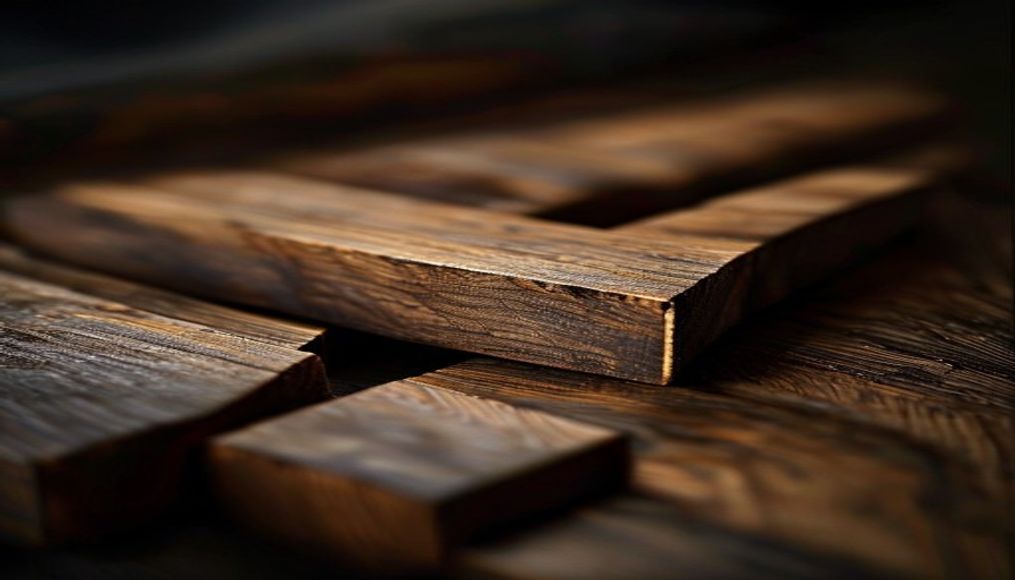
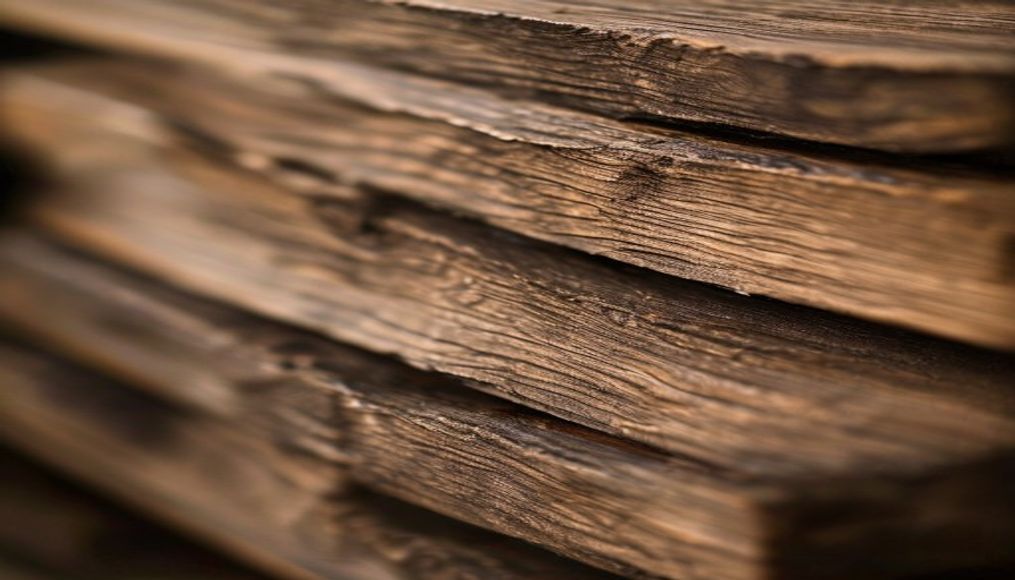
Wood joint dovetail
1344×768 · AVIF · CC BY 4.0
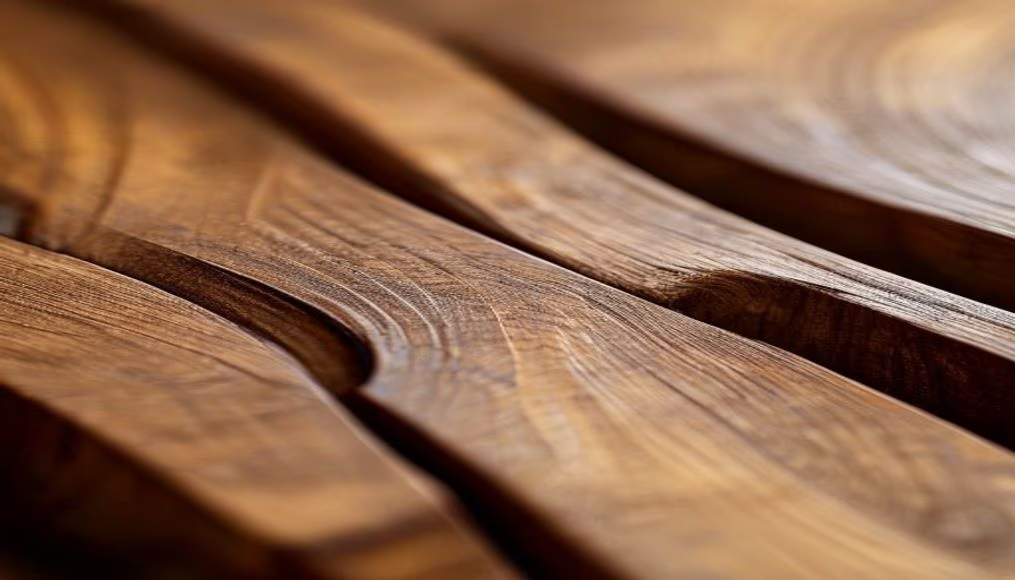
The dovetail joint is a woodworking joinery technique known for its strength and aesthetic appeal, commonly used in drawers and fine furniture.
About this subject
The dovetail joint is regarded as one of the strongest and most durable joinery techniques in woodworking. It consists of a series of cone-shaped pins (tails) that interlock with corresponding sockets (pins) cut into another piece of wood. The trapezoidal shape prevents the pieces from separating under tension, making the joint mechanically solid even without glue. This feature makes it ideal for drawers, load-bearing furniture, and structures that require high strength.
The origin of the joint dates back millennia. Artifacts from Ancient Egypt and Chinese furniture from the Shang dynasty already used variations of the technique. In Europe, it became a symbol of quality craftsmanship during the 18th and 19th centuries, especially in solid wood furniture such as chests and cabinets. Craftsmen of the era often displayed through dovetails as a sign of skill, while more discreet versions like the half-blind were used for elegant finishes.
There are several types of dovetail joints. The through dovetail is visible on both faces, common in rustic drawers. The half-blind dovetail is hidden on one face, used on drawer fronts to conceal the joint. The secret mitered dovetail completely hides the joint, requiring extreme precision. Today, cutting can be done by hand with saws and chisels or by CNC machines, but traditional artisans still value the manual method for its precision and aesthetics.
Interestingly, unlike modern joints that rely on adhesives, the dovetail provides a much larger gluing area, increasing final strength. Additionally, the technique allows the use of different wood species, creating visual contrasts that highlight craftsmanship. For its combination of functionality and beauty, it remains a standard of quality in fine woodworking.
Frequently Asked Questions
What is the origin of the dovetail joint?
The dovetail joint is an ancient technique, with examples found in Egyptian furniture and Chinese furniture from the Shang dynasty. It became a hallmark of quality woodworking in Europe from the 18th century onward.
Why is the dovetail joint so strong?
Its strength comes from the trapezoidal shape of the pins and tails, which prevents lateral separation. The large contact area also allows for better glue adhesion, resulting in a strong mechanical and chemical bond.
What is the difference between through and half-blind dovetails?
In a through dovetail, the joints are visible on both faces of the piece. In a half-blind dovetail, the pins are hidden on one face (e.g., the front of a drawer), providing a cleaner finish.
Direct URL
https://pub-c7d6a6ea828543ac903a74a341ccb2e1.r2.dev/imagens/wood-joint-dovetail-macro-closeup-p2.avifHow to credit
Include a visible link back to UtilizAí. Copy one of the snippets below:
<a href="https://xn--utiliza-eza.com/en/midia/imagens/wood-joint-dovetail-macro-closeup-p2">Wood joint dovetail</a> by <a href="https://xn--utiliza-eza.com">UtilizAí</a>, licensed under <a href="https://creativecommons.org/licenses/by/4.0/">CC BY 4.0</a>.
[Wood joint dovetail](https://xn--utiliza-eza.com/en/midia/imagens/wood-joint-dovetail-macro-closeup-p2) by [UtilizAí](https://xn--utiliza-eza.com), CC BY 4.0
License: CC-BY-4.0