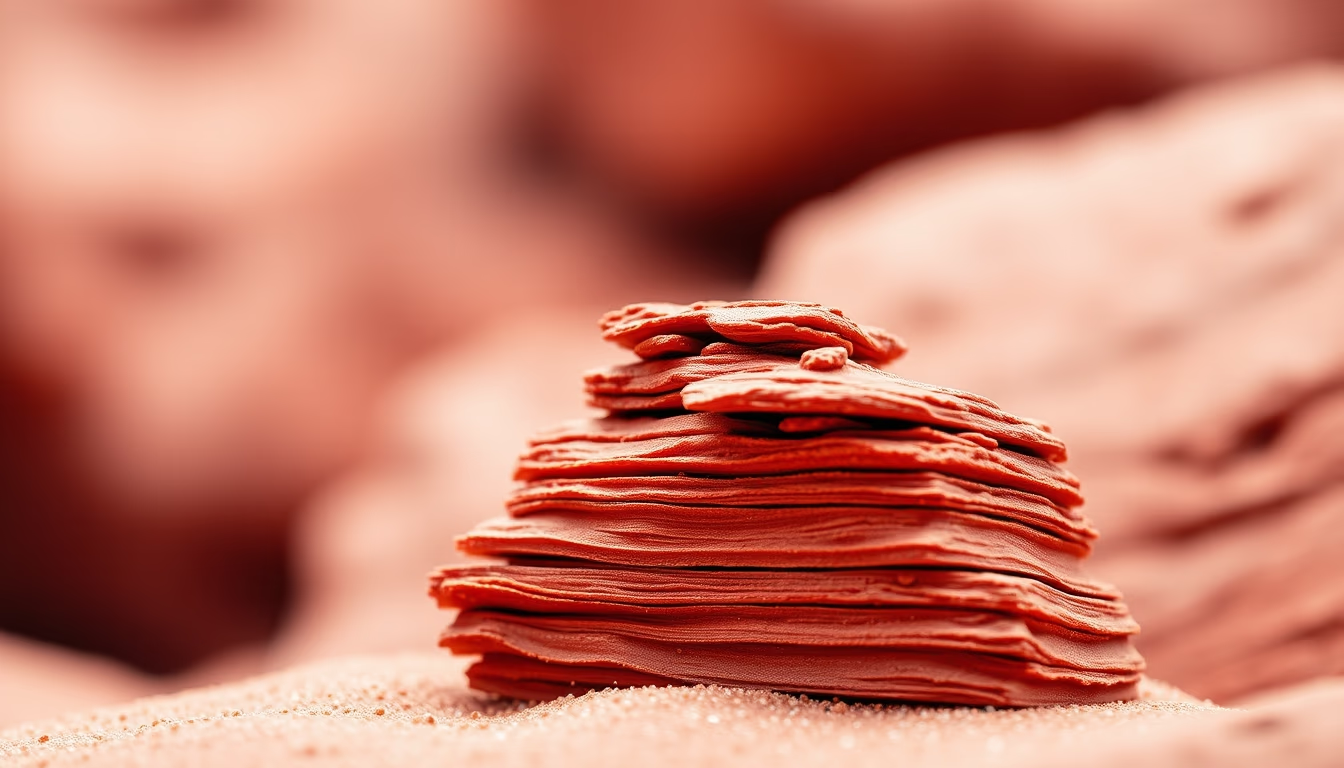
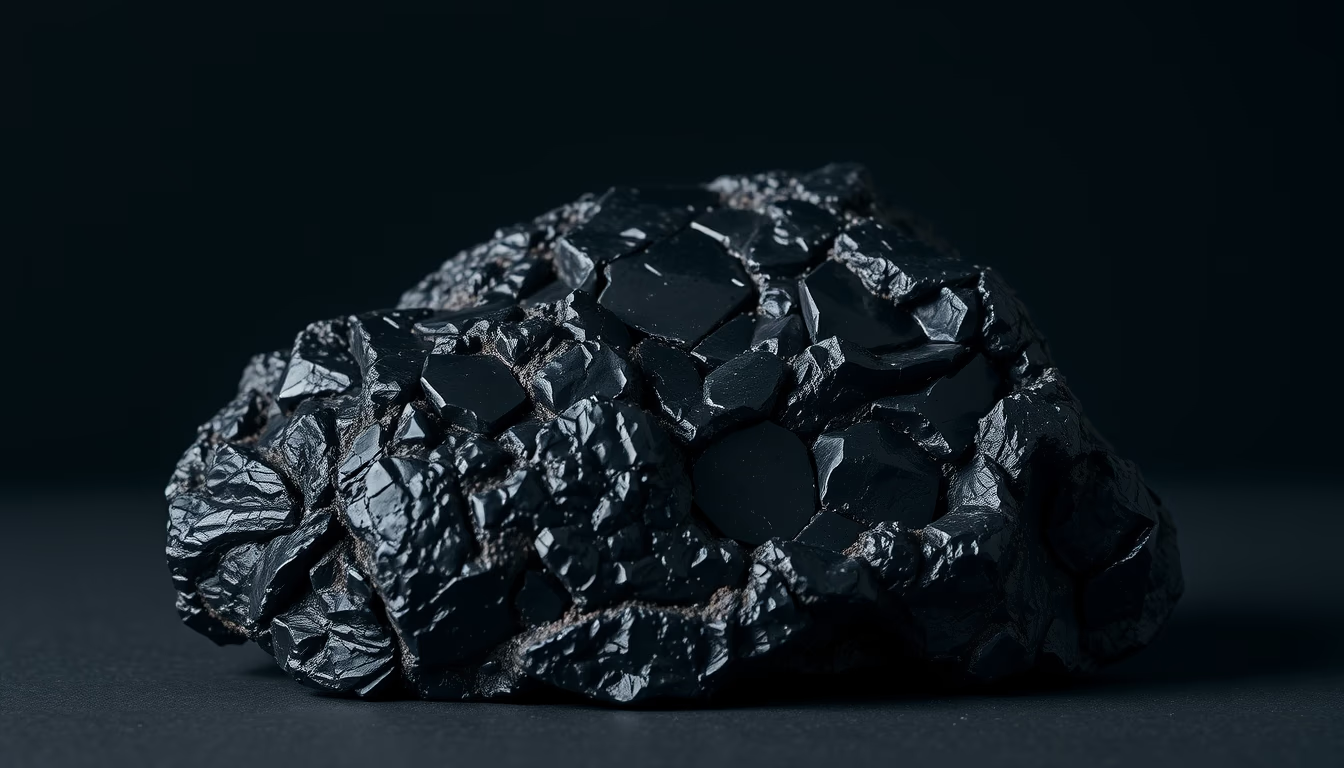
Volcanic rock obsidian
1344×768 · AVIF · CC BY 4.0
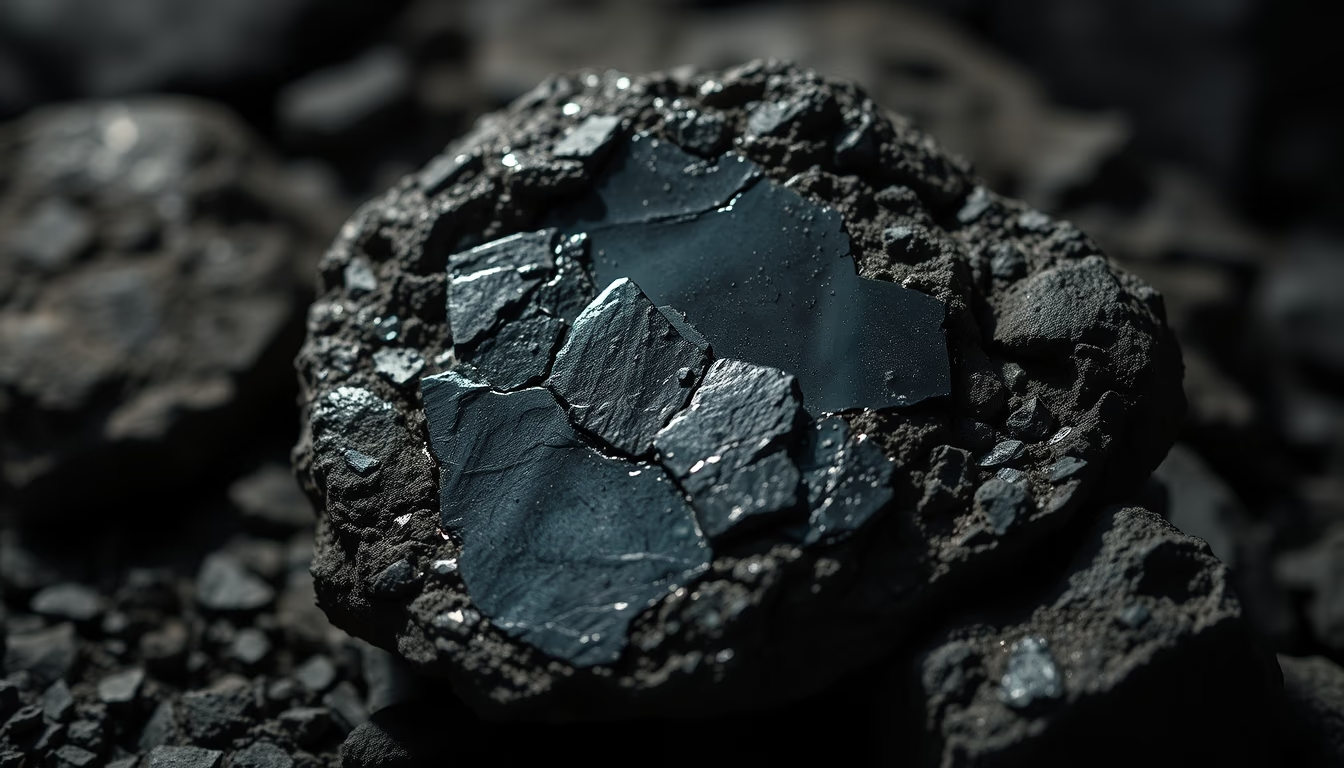
Obsidian is a natural volcanic glass formed by rapid cooling of lava, known for its conchoidal fracture and extremely sharp edges.
About this subject
Obsidian is an extrusive igneous rock classified as volcanic glass due to its lack of crystalline structure. It forms when silica-rich lava cools rapidly, preventing mineral crystallization. This process occurs in active or recent volcanic regions such as Iceland, Mexico, the United States (especially Oregon and California), and Japan. Its predominant color is black, but it can display green, brown, or iridescent hues (rainbow obsidian) due to mineral inclusions or air microbubbles.
Historically, obsidian was widely used by ancient civilizations for cutting tools, spear points, knives, and mirrors. The Aztecs, Maya, and Egyptians valued it for its hardness (about 5 to 5.5 on the Mohs scale) and ability to produce edges sharper than modern surgical scalpels. In Mexico, obsidian was so important that it served as currency and was used in religious ceremonies. Today, obsidian blades are employed in ophthalmic and precision surgeries because of their sharpness and low tissue reactivity.
Obsidian is also appreciated in jewelry and as an ornamental stone, being polished into cabochons, spheres, and sculptures. Varieties such as snowflake obsidian (with white cristobalite spots) and mahogany obsidian (with brownish-red bands) are especially sought after by collectors. Despite its glassy nature, obsidian is not considered a mineral by geological definition because it lacks an ordered crystalline structure.
Notably, in the Valles Caldera region of New Mexico (USA), obsidian deposits are up to 1.2 million years old, and artifacts made from this material are found in archaeological sites dating back 10,000 years, evidencing its continuous use by different cultures.
Frequently Asked Questions
What is obsidian?
Obsidian is a natural volcanic glass formed by the rapid cooling of silica-rich lava. It has no crystalline structure and is known for its black color, conchoidal fracture, and extremely sharp edges.
How is obsidian formed?
Obsidian forms when high-silica (acidic) lava cools rapidly, usually upon contact with water or cold air. This rapid cooling prevents mineral crystallization, resulting in a glassy material.
What are the uses of obsidian?
Since ancient times, obsidian has been used to make cutting tools, weapons, and mirrors. Today, it is used in precision surgery (e.g., ophthalmic blades), jewelry, and as an ornamental stone. It is also valued by mineral collectors.
Direct URL
https://pub-c7d6a6ea828543ac903a74a341ccb2e1.r2.dev/imagens/volcanic-rock-obsidian-rembrandt-lighting-dramatic-shadows-fresh3.avifHow to credit
Include a visible link back to UtilizAí. Copy one of the snippets below:
<a href="https://xn--utiliza-eza.com/en/midia/imagens/volcanic-rock-obsidian-rembrandt-lighting-dramatic-shadows-fresh3">Volcanic rock obsidian</a> by <a href="https://xn--utiliza-eza.com">UtilizAí</a>, licensed under <a href="https://creativecommons.org/licenses/by/4.0/">CC BY 4.0</a>.
[Volcanic rock obsidian](https://xn--utiliza-eza.com/en/midia/imagens/volcanic-rock-obsidian-rembrandt-lighting-dramatic-shadows-fresh3) by [UtilizAí](https://xn--utiliza-eza.com), CC BY 4.0
License: CC-BY-4.0