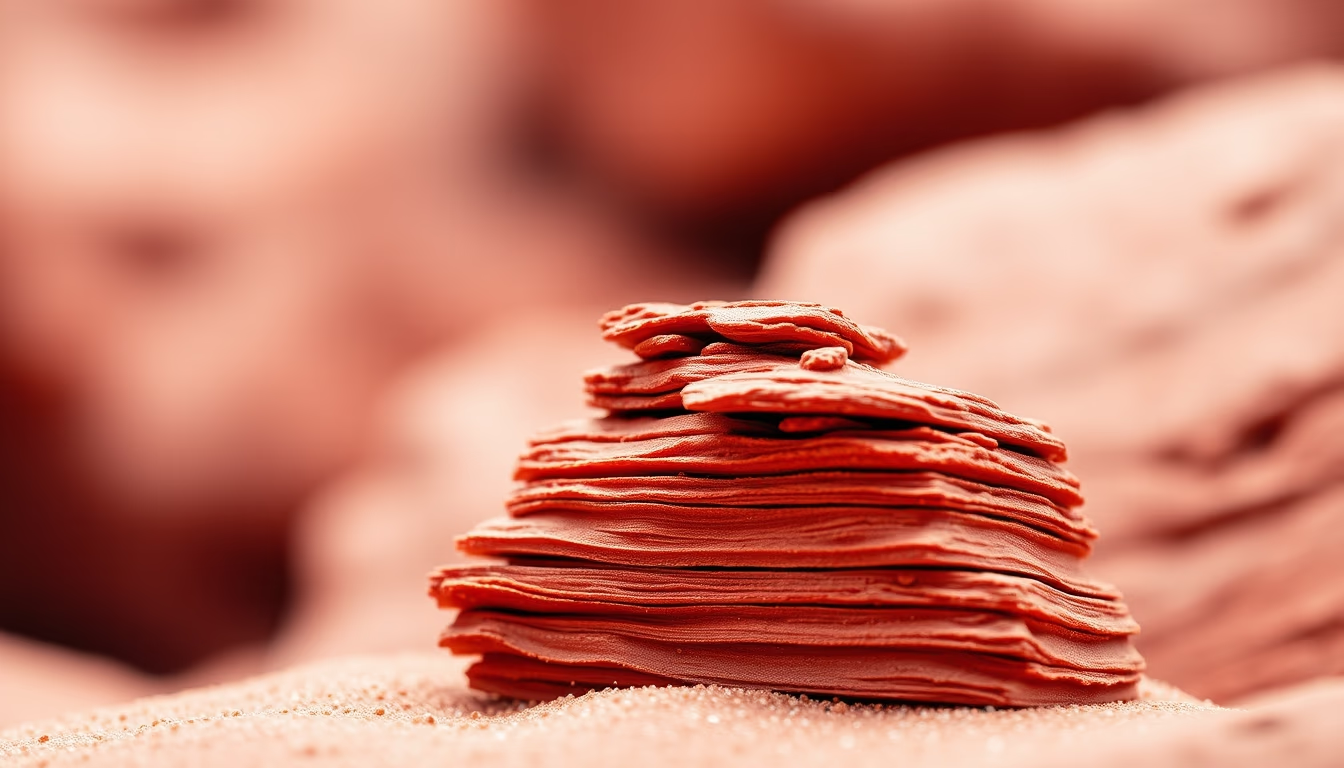
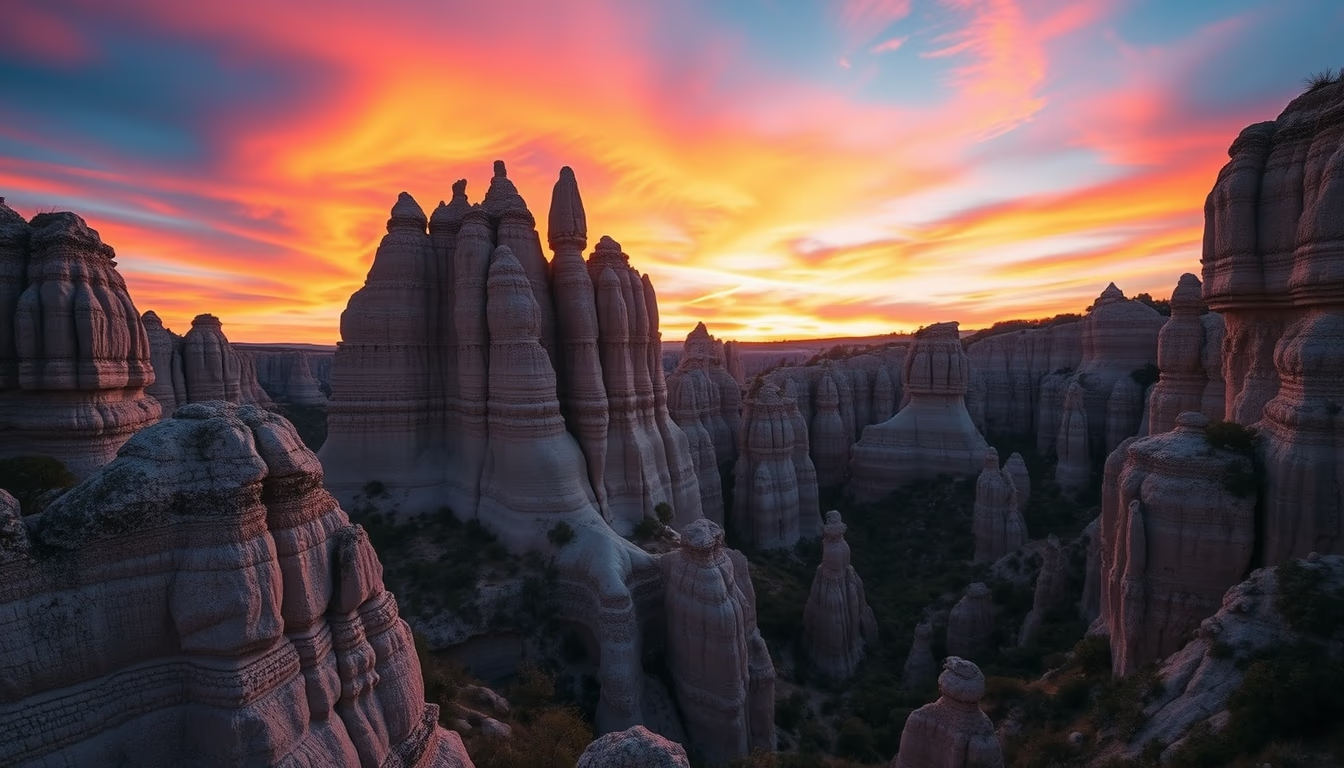
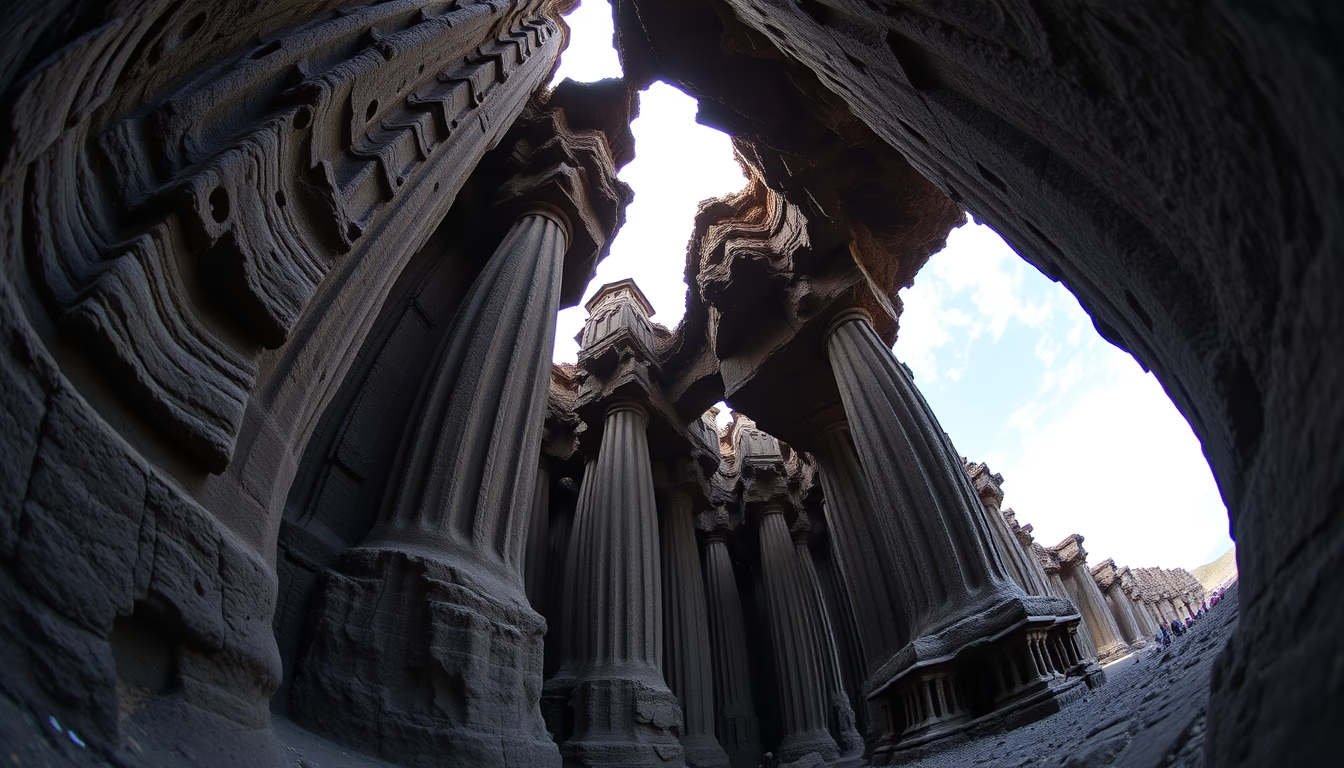
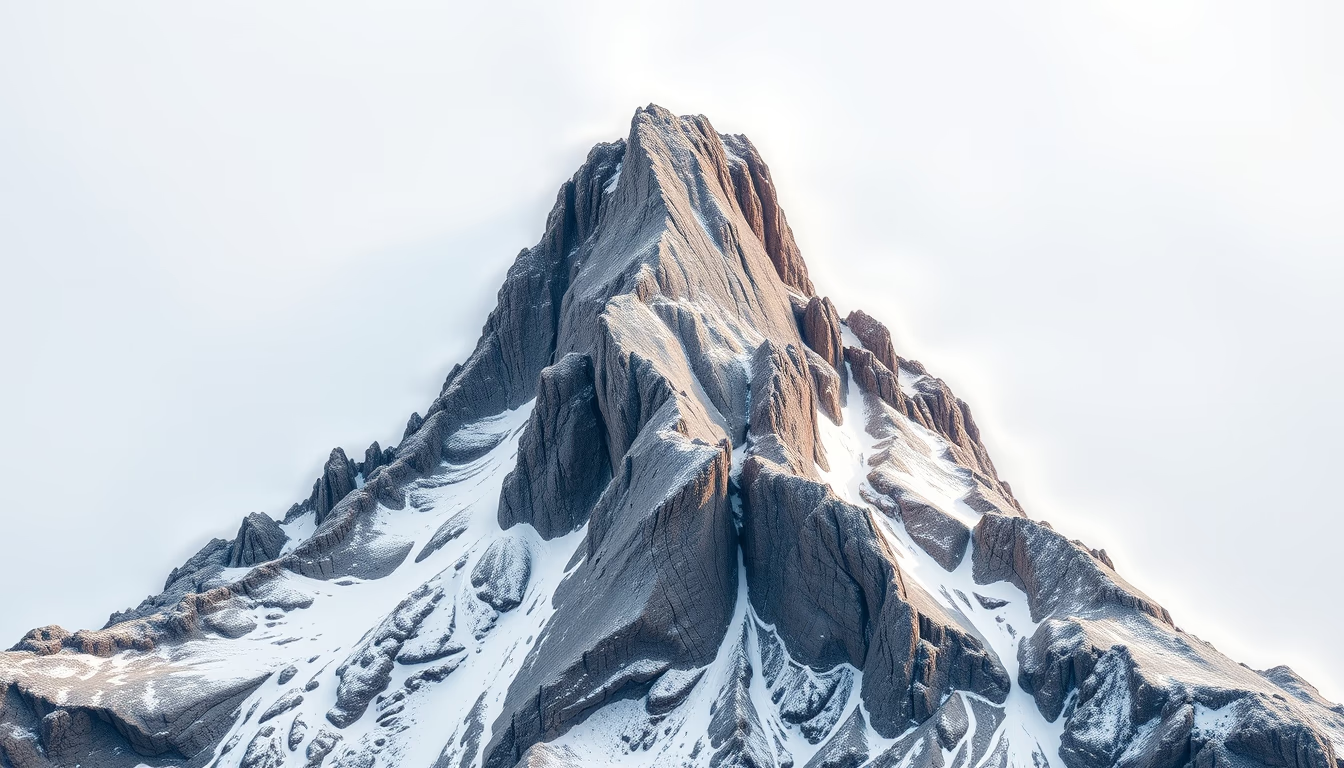
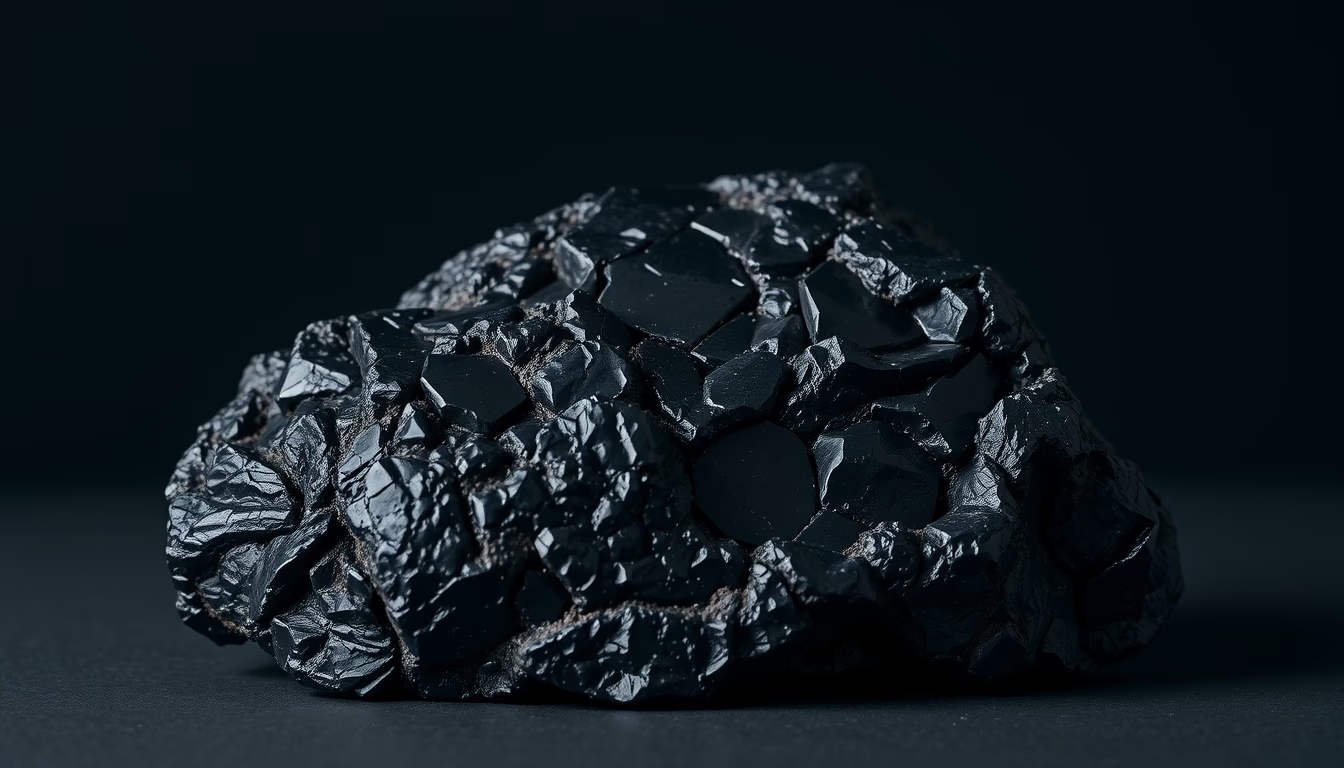
Volcanic rock obsidian
1344×768 · AVIF · CC BY 4.0
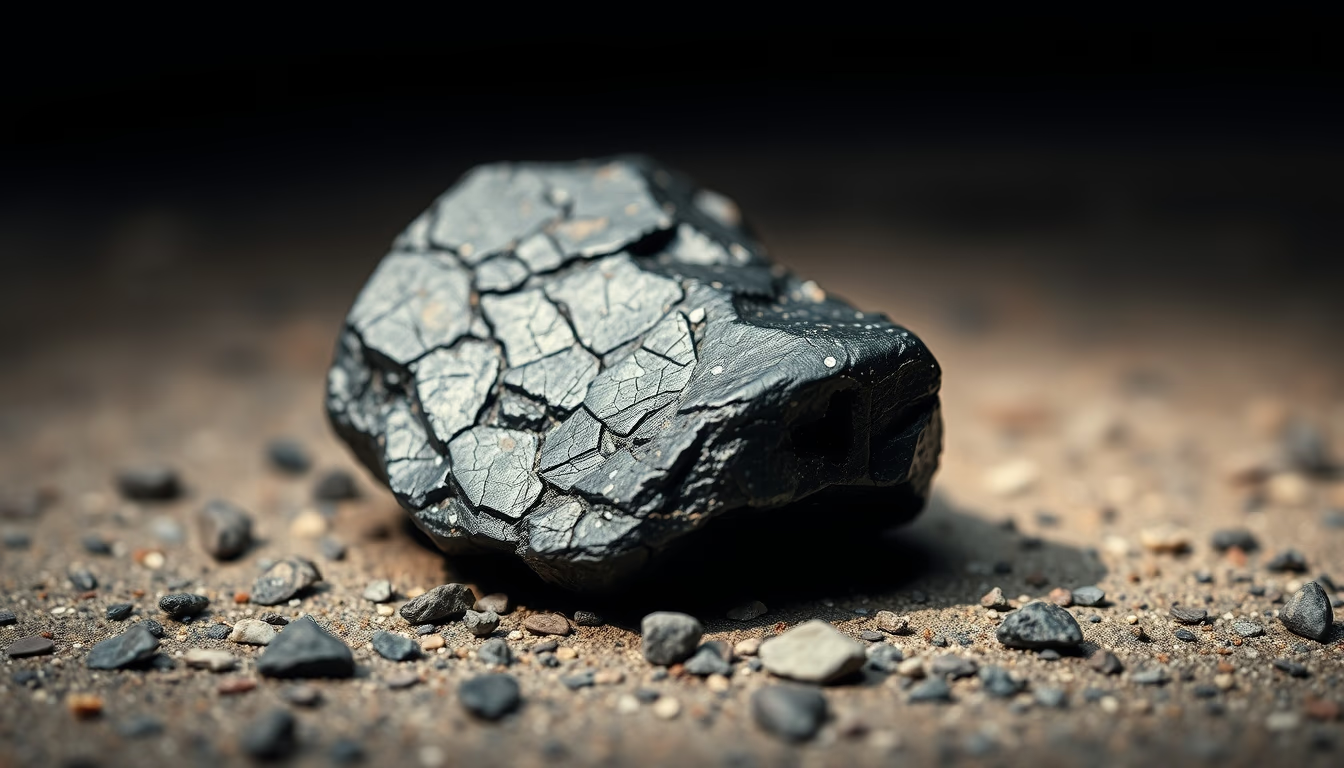
Obsidian is a volcanic glass formed by the rapid cooling of silica-rich lava, known for its black color and sharp edges.
About this subject
Obsidian is a natural volcanic glass classified as an extrusive igneous rock. It forms when silica-rich (acidic) lava cools extremely rapidly, preventing mineral crystallization. This sudden cooling typically occurs when lava flows into water or ice, or during explosive eruptions where magma is ejected into the atmosphere. Chemically similar to granite and rhyolite, obsidian's amorphous structure gives it unique properties such as conchoidal fracture and extremely sharp edges.
Historically, obsidian was widely used by ancient civilizations to make cutting tools, spear and arrow points, knives, and scrapers. The Aztecs, Maya, and other Mesoamerican peoples employed it for both utilitarian and ceremonial purposes, crafting mirrors and ritual objects. On the island of Lipari in Italy and regions of Ethiopia, obsidian was traded for millennia. Its ability to form thin, sharp blades made it valuable before the advent of metals.
In modern times, obsidian is used in ophthalmic and dermatological surgery as a scalpel, due to its blade being smoother and more precise than surgical steel. It is also prized as a gemstone for jewelry and decorative objects, often cut as cabochons or spheres. Notable deposits exist in Mexico, Iceland, Japan, the United States (mainly Oregon and California), Peru, and Armenia. Each deposit may produce color variations: black, brown, green, blue, or even iridescent, such as rainbow obsidian.
Culturally, obsidian carries symbolism of protection and truth in many traditions. In shamanism, it is used for divination mirrors and energy cleansing. Archaeologists frequently analyze obsidian artifacts to determine ancient trade routes, as its chemical composition can be traced back to the volcanic source. Despite its brittleness, this rock continues to fascinate with its beauty and utility across the centuries.
Frequently Asked Questions
How is obsidian formed?
Obsidian forms when silica-rich lava cools rapidly, preventing mineral crystallization. This occurs during volcanic eruptions when lava contacts water, ice, or is ejected into the air.
What are the main uses of obsidian?
Historically used for cutting tools and weapons, today obsidian is used in surgical scalpels, jewelry, decorative objects, and spiritual practices such as divination mirrors.
Where is obsidian found?
Major deposits exist in Mexico, Iceland, Japan, the United States (Oregon, California), Peru, and Armenia. Each locale yields obsidian with distinct colors and patterns.
Direct URL
https://pub-c7d6a6ea828543ac903a74a341ccb2e1.r2.dev/imagens/volcanic-rock-obsidian-lo-fi-disposable-camera-fresh17.avifHow to credit
Include a visible link back to UtilizAí. Copy one of the snippets below:
<a href="https://xn--utiliza-eza.com/en/midia/imagens/volcanic-rock-obsidian-lo-fi-disposable-camera-fresh17">Volcanic rock obsidian</a> by <a href="https://xn--utiliza-eza.com">UtilizAí</a>, licensed under <a href="https://creativecommons.org/licenses/by/4.0/">CC BY 4.0</a>.
[Volcanic rock obsidian](https://xn--utiliza-eza.com/en/midia/imagens/volcanic-rock-obsidian-lo-fi-disposable-camera-fresh17) by [UtilizAí](https://xn--utiliza-eza.com), CC BY 4.0
License: CC-BY-4.0