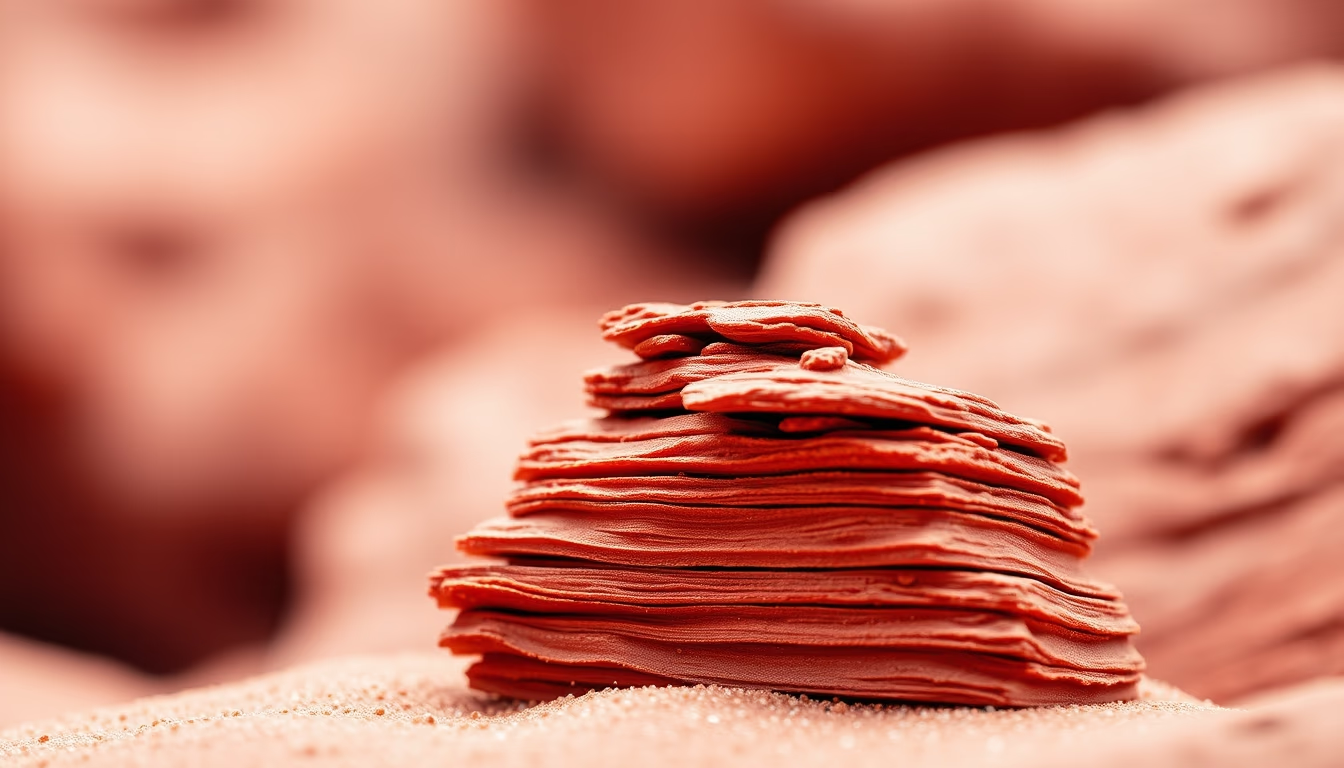
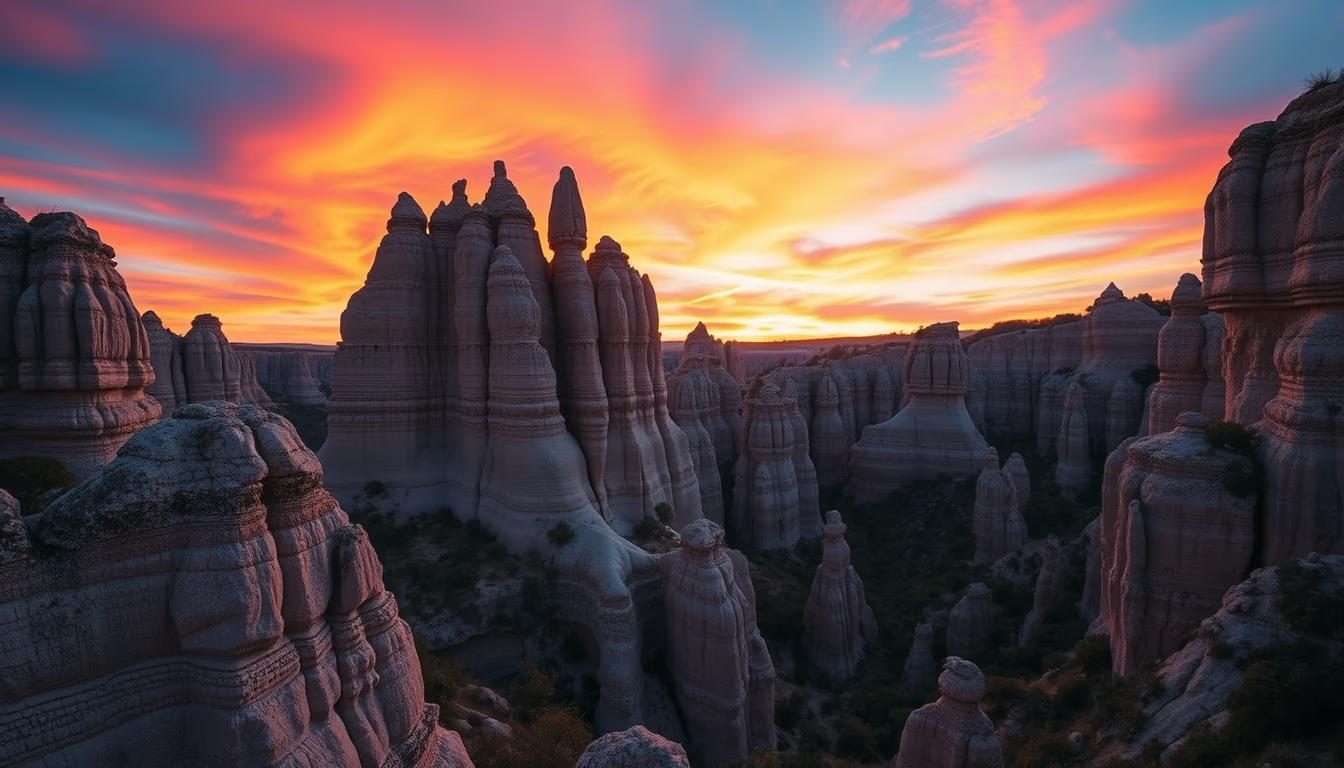
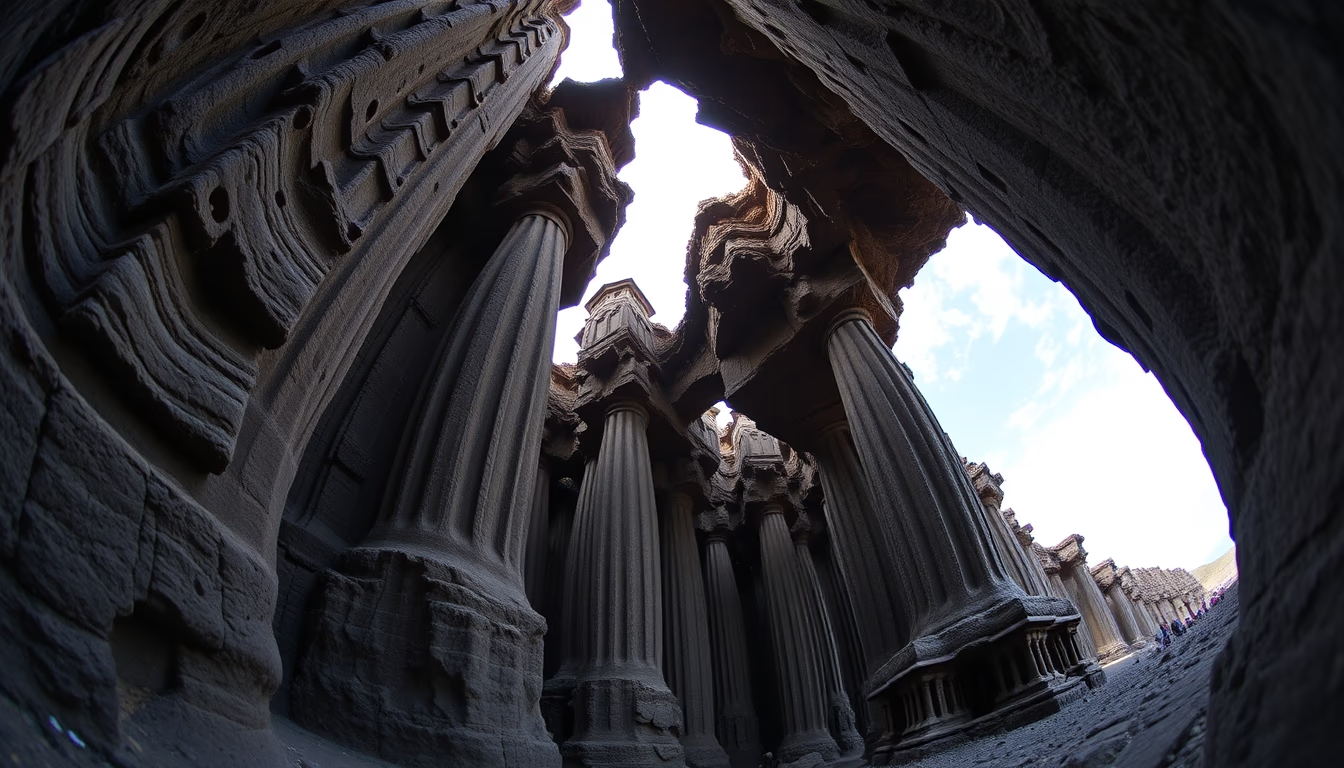
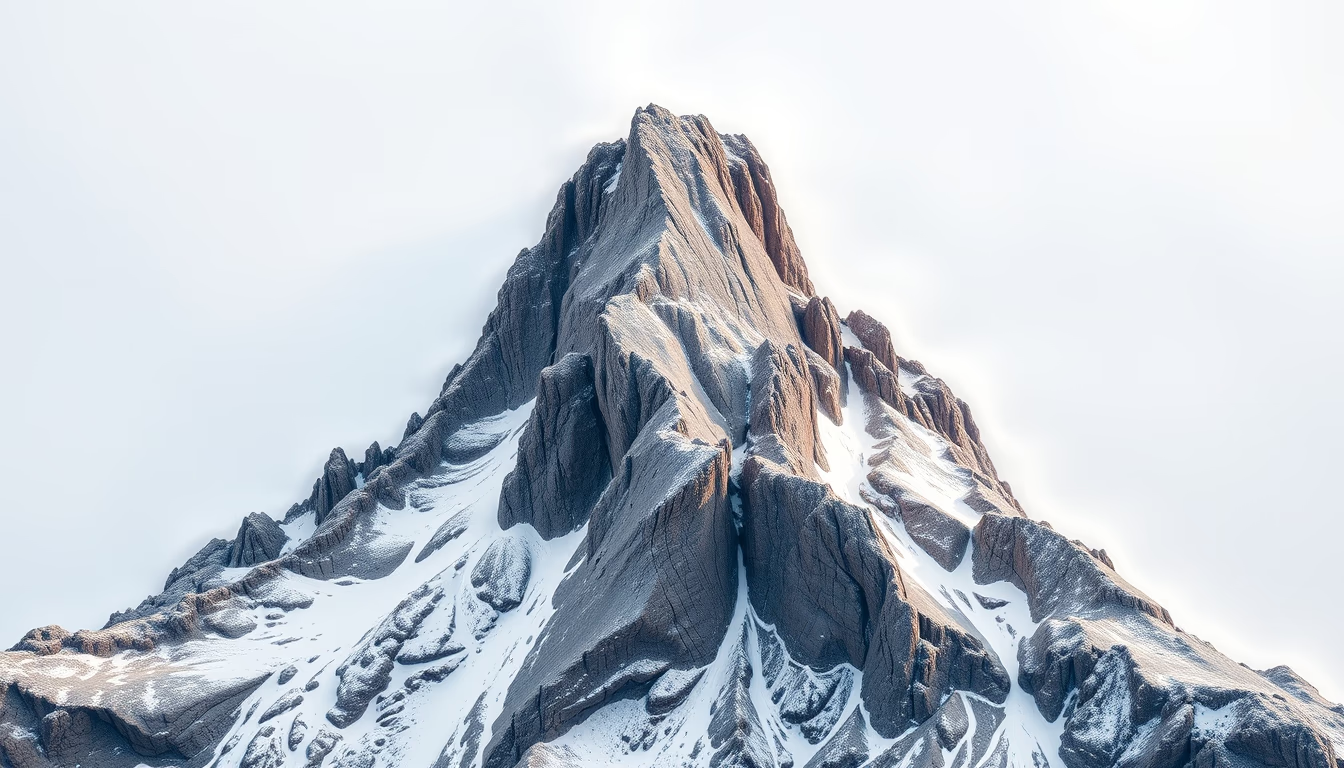
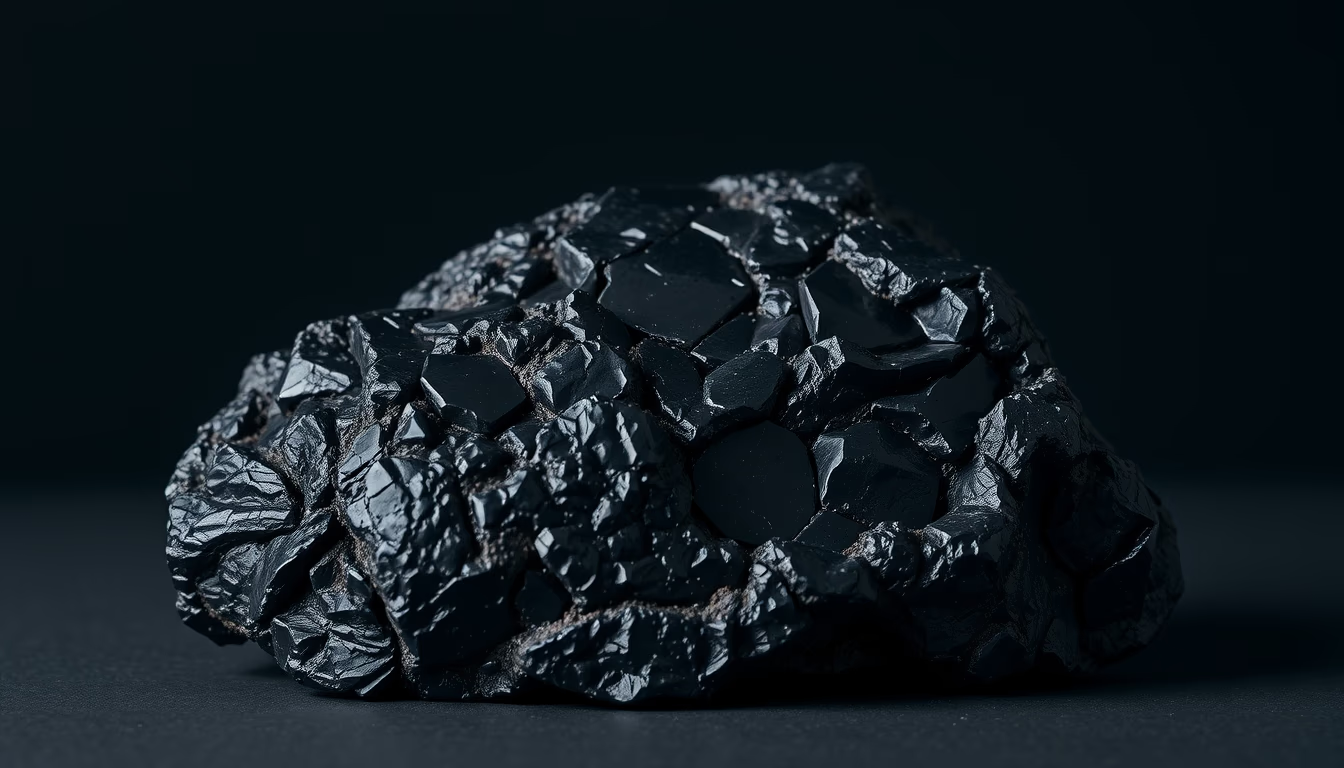
Volcanic rock obsidian
1344×768 · AVIF · CC BY 4.0

Obsidian is a natural volcanic glass formed by the rapid cooling of lava, known for its glassy texture and historical use in sharp cutting tools.
About this subject
Obsidian is an extrusive igneous rock classified as volcanic glass because it lacks a crystalline structure. It forms when silica-rich lava cools so rapidly that atoms cannot arrange into crystals. This often occurs during explosive volcanic eruptions or when lava contacts water or cold air. Its chemical composition is similar to granite, but its texture is glassy and homogeneous.
Due to its conchoidal fracture, obsidian can be flaked to produce extremely sharp edges, even sharper than surgical steel. Thus, ancient civilizations widely used it for knives, arrowheads, and spear points. In Mesoamerica, the Aztecs and Mayas valued it for both tools and ritual objects, such as mirrors and masks. Today, obsidian surgical blades are used in high-precision procedures, as they can achieve edge thicknesses of only 3 nanometers.
Obsidian occurs in various colors, with black being the most common. Varieties like rainbow, gold, or silver obsidian display iridescence due to microscopic inclusions of air bubbles or nanocrystals. Major deposits are found in Mexico, the United States (especially the West), Japan, Iceland, and Peru. In Brazil, it is found in regions like Chapada Diamantina and Ilha do Cardoso, though in smaller quantities.
Beyond its practical use, obsidian holds spiritual and esoteric significance in many cultures. It is believed to provide protection against negative energies and promote mental clarity. In lithotherapy, it is used to balance emotions and stimulate self-knowledge. However, it is important to distinguish scientific use from these popular beliefs.
Frequently Asked Questions
What is the difference between obsidian and common glass?
Obsidian is a natural glass formed from volcanic lava, while common glass is man-made from sand, sodium carbonate, and limestone. Obsidian is harder and may contain mineral inclusions that give it color and iridescence.
Is obsidian considered a mineral?
No. Because it is amorphous (lacking crystalline structure), obsidian is classified as volcanic glass or a mineraloid, not a true mineral.
Where can obsidian be found in Brazil?
In Brazil, obsidian occurs in ancient volcanic formations such as Chapada Diamantina (Bahia) and Ilha do Cardoso (São Paulo), but in smaller quantities compared to countries like Mexico or the United States.
Direct URL
https://pub-c7d6a6ea828543ac903a74a341ccb2e1.r2.dev/imagens/volcanic-rock-obsidian-film-grain-authentic-fresh16.avifHow to credit
Include a visible link back to UtilizAí. Copy one of the snippets below:
<a href="https://xn--utiliza-eza.com/en/midia/imagens/volcanic-rock-obsidian-film-grain-authentic-fresh16">Volcanic rock obsidian</a> by <a href="https://xn--utiliza-eza.com">UtilizAí</a>, licensed under <a href="https://creativecommons.org/licenses/by/4.0/">CC BY 4.0</a>.
[Volcanic rock obsidian](https://xn--utiliza-eza.com/en/midia/imagens/volcanic-rock-obsidian-film-grain-authentic-fresh16) by [UtilizAí](https://xn--utiliza-eza.com), CC BY 4.0
License: CC-BY-4.0