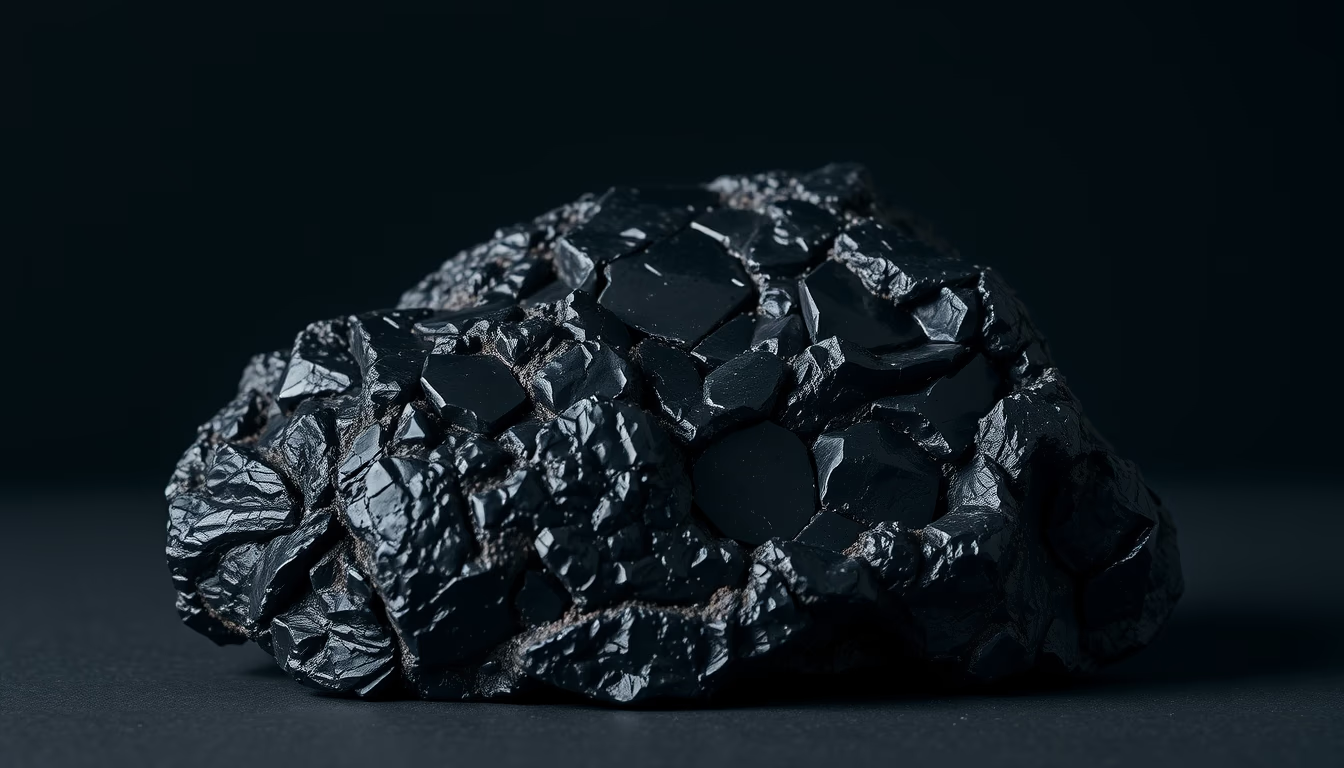
Volcanic rock obsidian
1344×768 · AVIF · CC BY 4.0
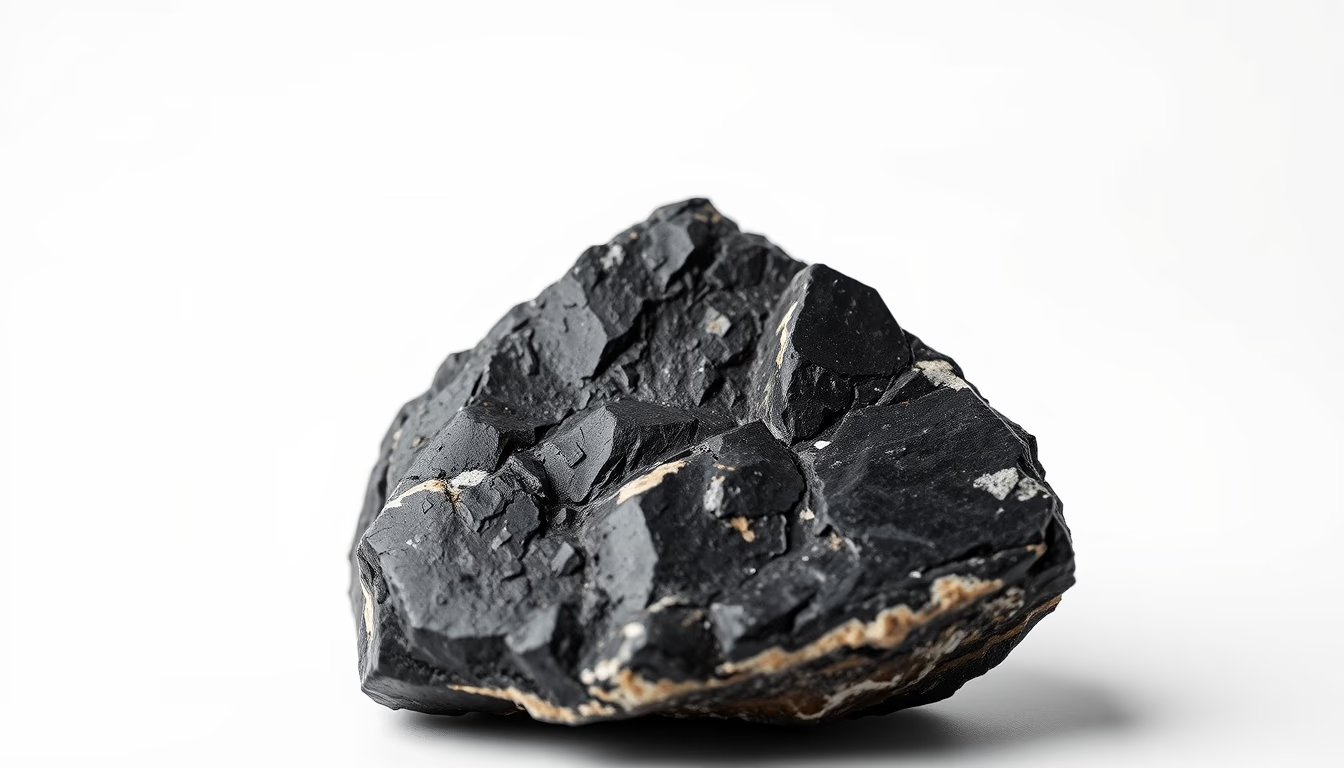
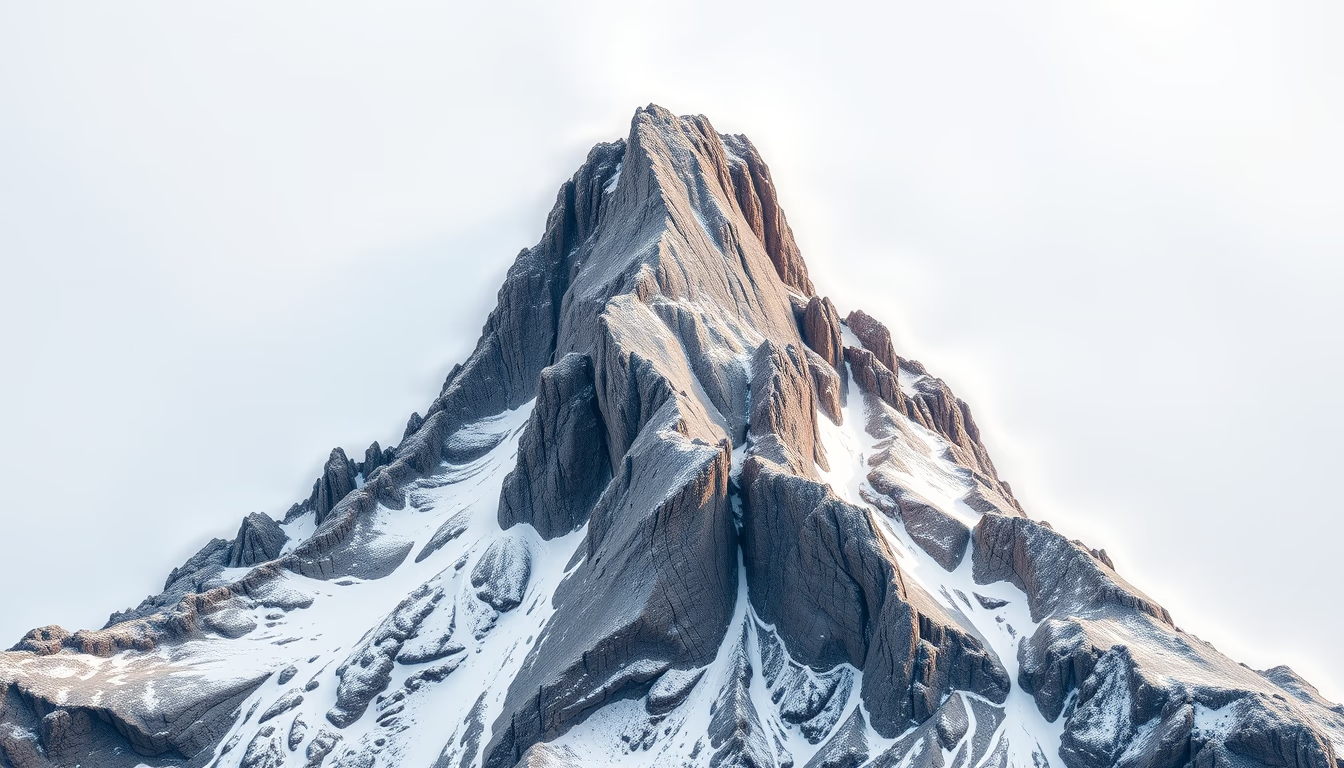
Obsidian is a natural volcanic glass formed by the rapid cooling of silica-rich lava, without crystallization.
About this subject
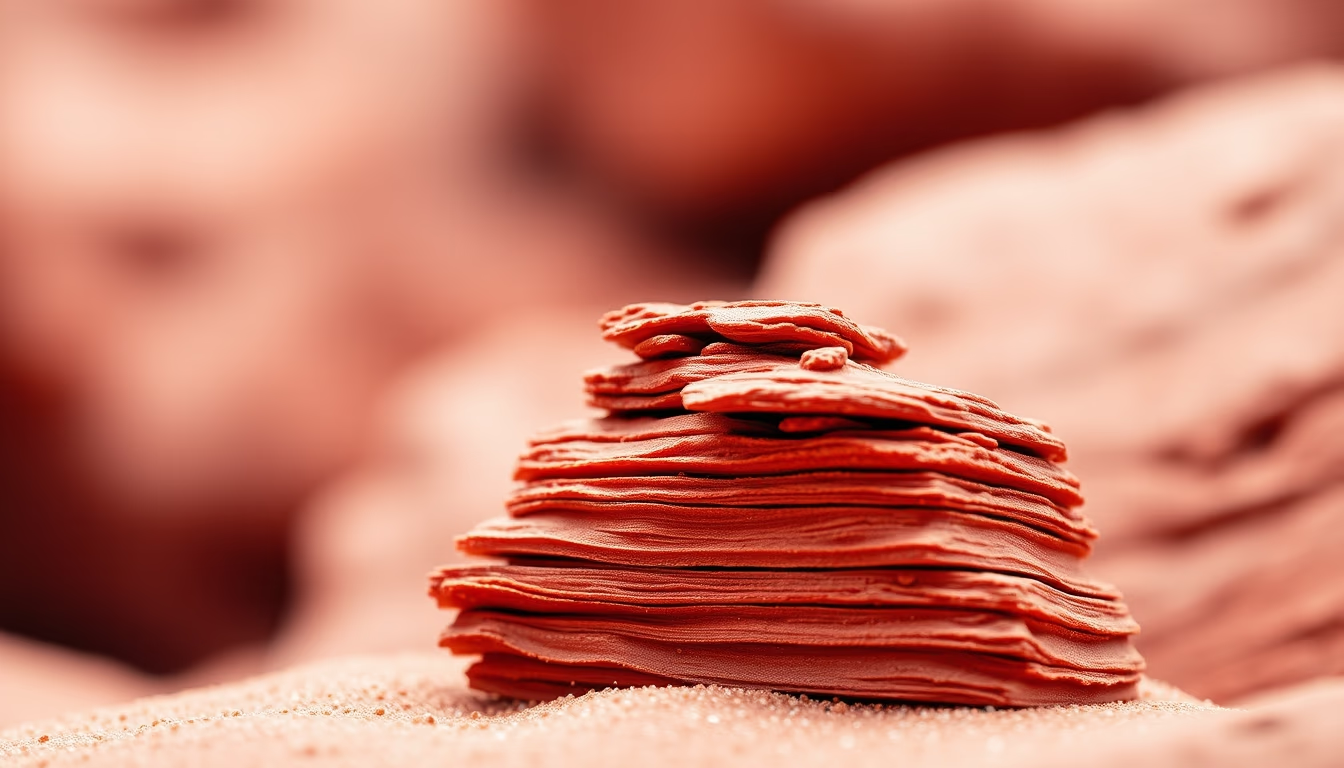
Obsidian is an extrusive igneous rock that forms when felsic magma, rich in silica, is extruded from a volcano and cools rapidly, preventing crystal growth. This process creates a natural glass that is typically black, though impurities can cause color variations: hematite inclusions yield reddish or brown hues, while microscopic bubbles may produce a silvery or golden sheen.
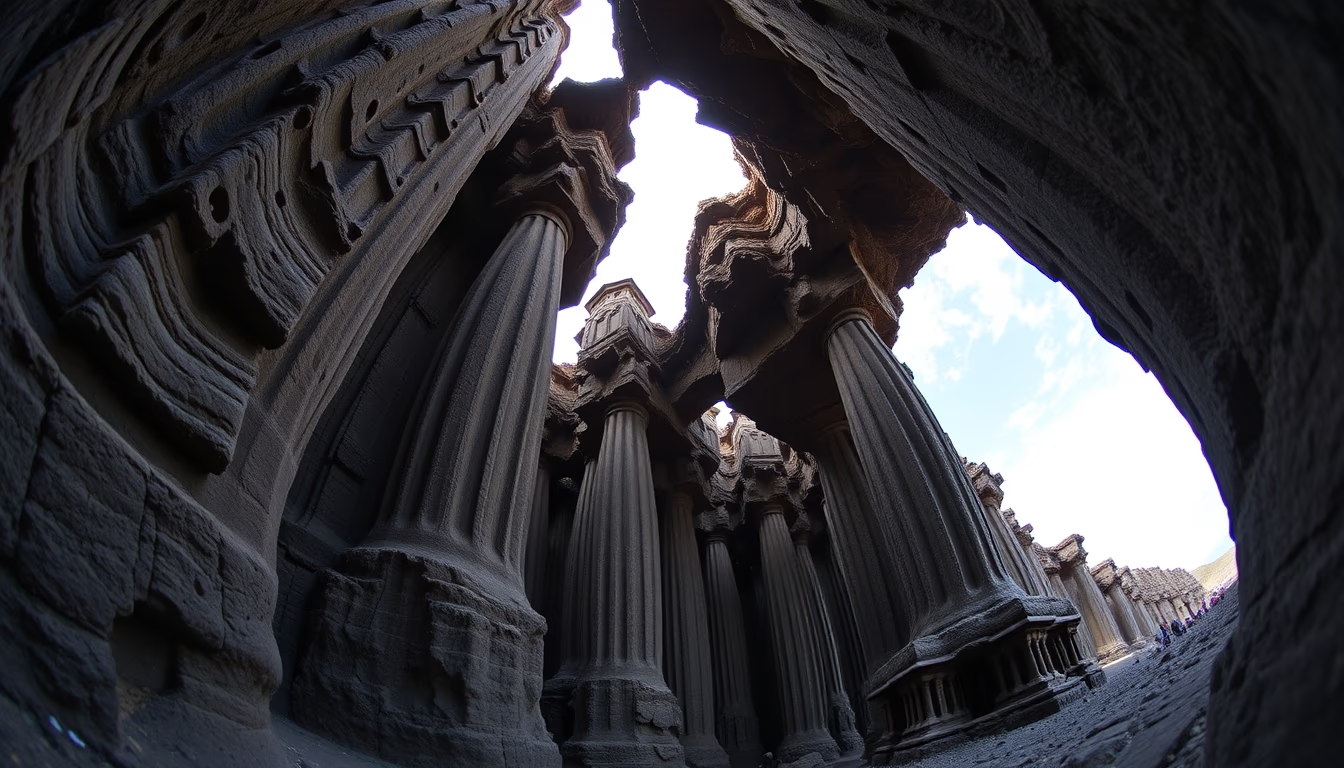
Throughout human history, obsidian has been crucial as a material for cutting tools, spear points, and knives, especially in pre-Columbian civilizations of Mesoamerica. The Aztecs and Maya used it for weapons and ceremonial objects, and obsidian trade networks spanned thousands of kilometers. In Brazil, archaeological sites in the Amazon record the use of obsidian, though its occurrence is less common than in the Andean region.
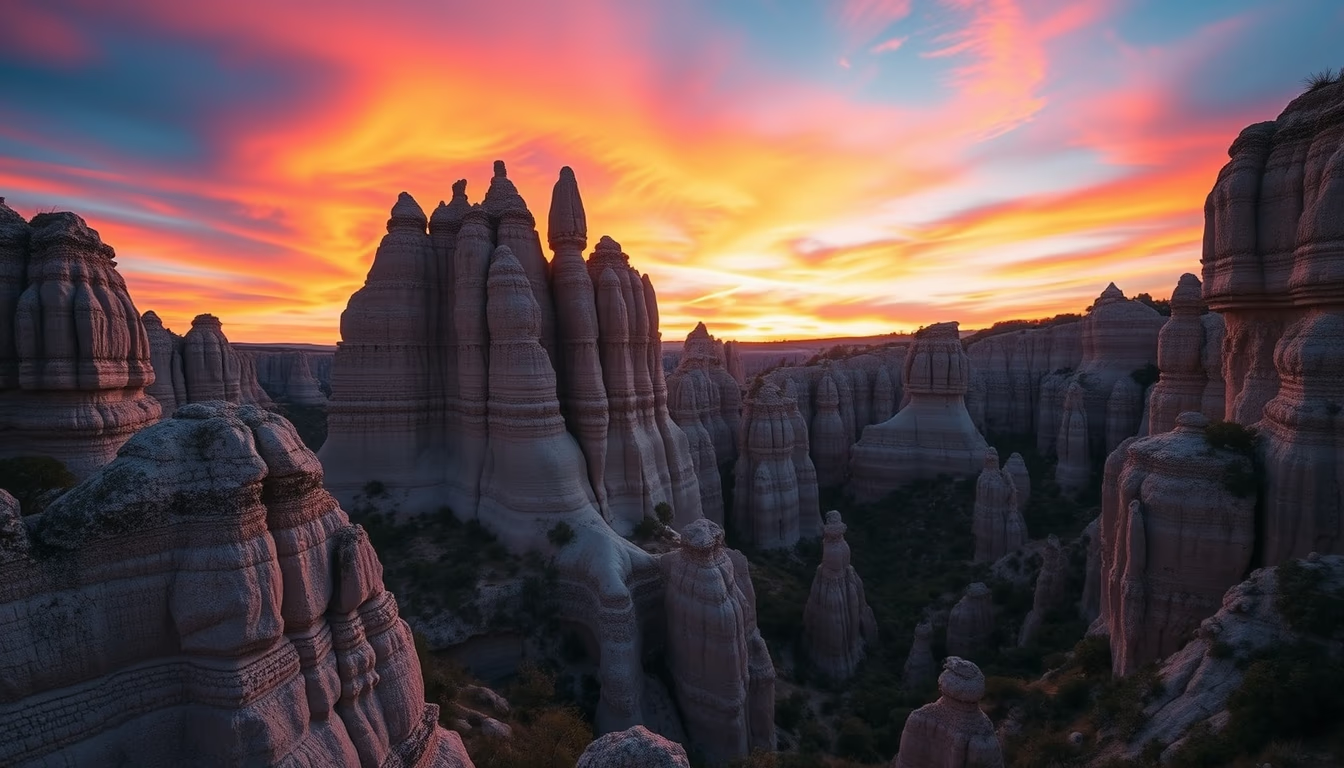
Notable locations include Yellowstone National Park (USA), the Lipari Islands (Italy), and the Hidalgo region in Mexico, home to the famous Cerro de las Navajas. Obsidian is also valued in lithotherapy and jewelry, often polished into spheres and cabochons. Geologically, obsidian is metastable and can transform into perlite or devitrify over millions of years, losing its glassy luster.
Frequently Asked Questions
What is the difference between obsidian and pumice?
Both are volcanic rocks, but obsidian is a dense, glassy rock, whereas pumice is extremely porous and light, formed by the expansion of gases during cooling.
Can obsidian be found in Brazil?
Yes, obsidian occurs in Brazil, mainly in the Amazon region and areas of ancient volcanic activity such as the Paraná Basin, though it is less abundant than in Mexico or the Andes.
Is obsidian considered a mineral?
No, obsidian is a natural amorphous glass (non-crystalline) without an ordered crystal structure, so it does not meet the definition of a mineral. It is classified as a vitreous igneous rock.
Direct URL
https://pub-c7d6a6ea828543ac903a74a341ccb2e1.r2.dev/imagens/volcanic-rock-obsidian-commercial-product-photography-fresh12.avifHow to credit
Include a visible link back to UtilizAí. Copy one of the snippets below:
<a href="https://xn--utiliza-eza.com/en/midia/imagens/volcanic-rock-obsidian-commercial-product-photography-fresh12">Volcanic rock obsidian</a> by <a href="https://xn--utiliza-eza.com">UtilizAí</a>, licensed under <a href="https://creativecommons.org/licenses/by/4.0/">CC BY 4.0</a>.
[Volcanic rock obsidian](https://xn--utiliza-eza.com/en/midia/imagens/volcanic-rock-obsidian-commercial-product-photography-fresh12) by [UtilizAí](https://xn--utiliza-eza.com), CC BY 4.0
License: CC-BY-4.0