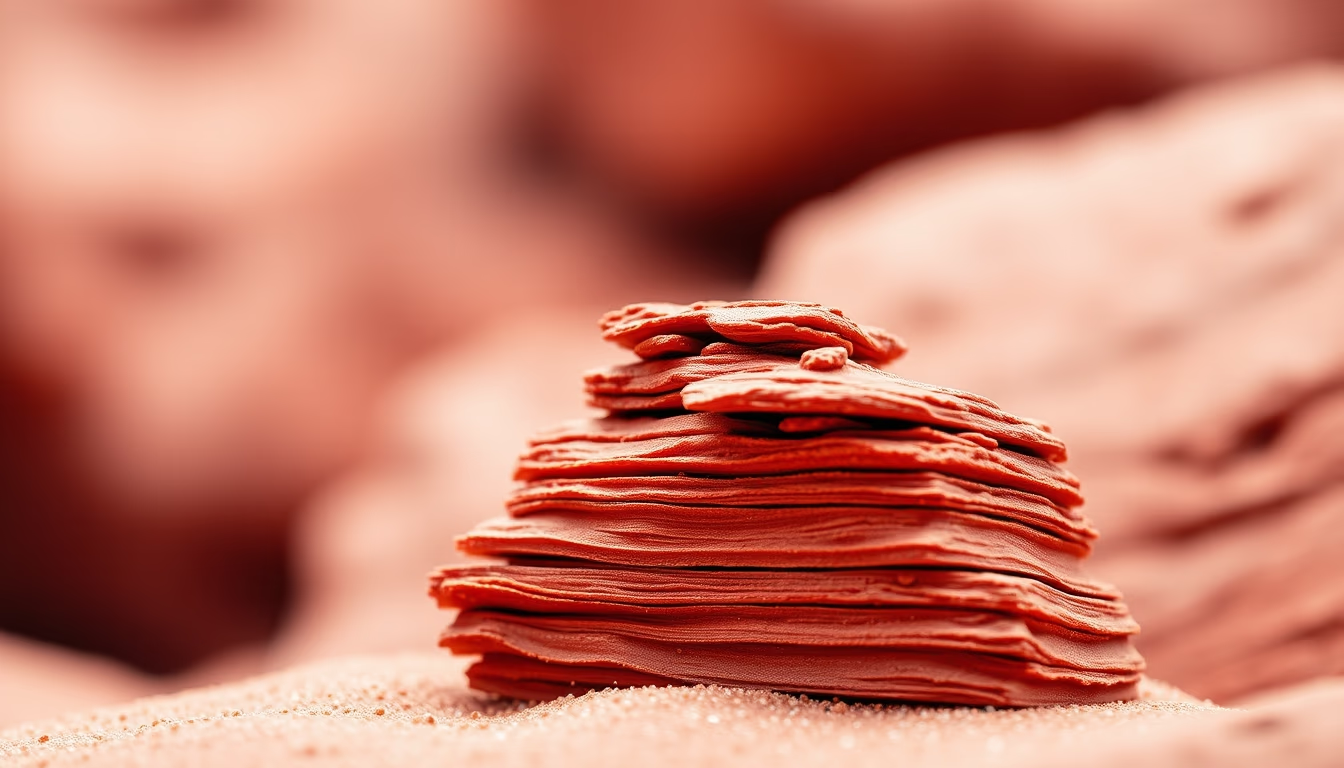
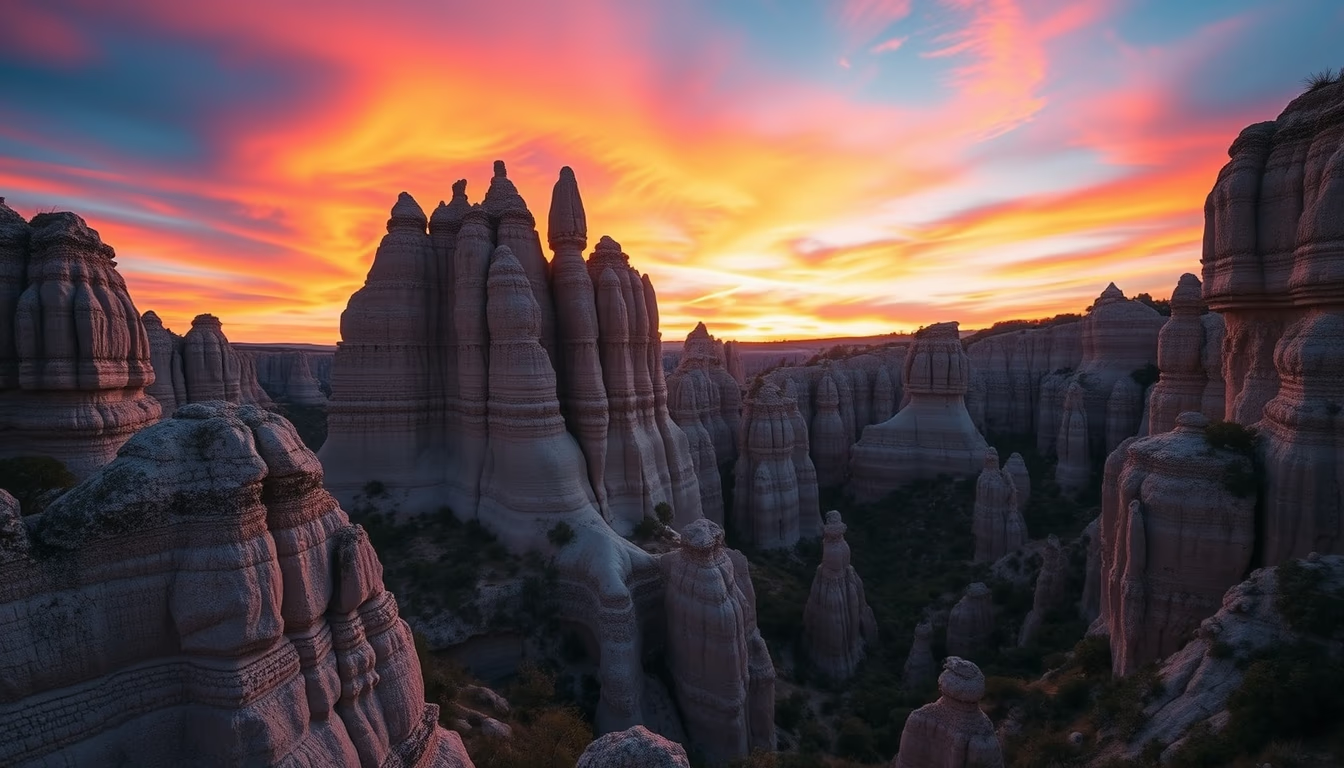
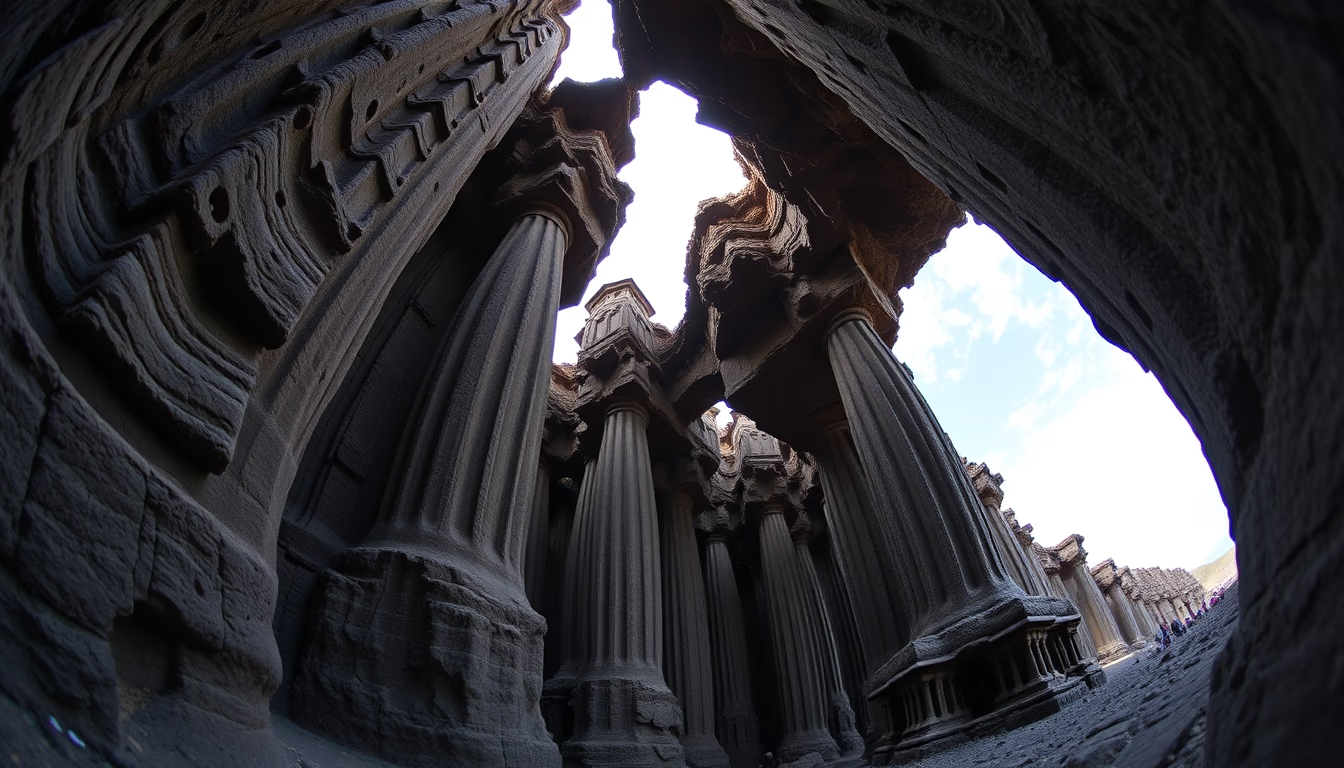
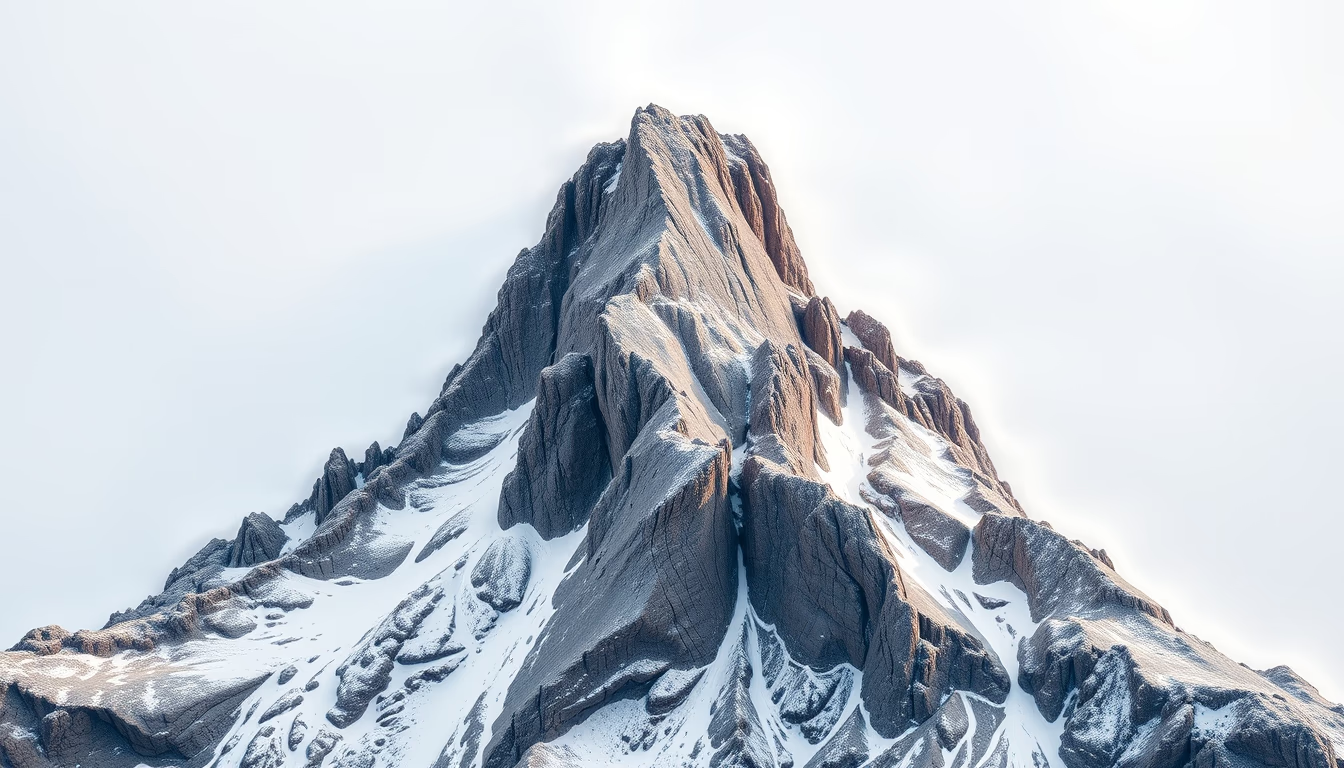
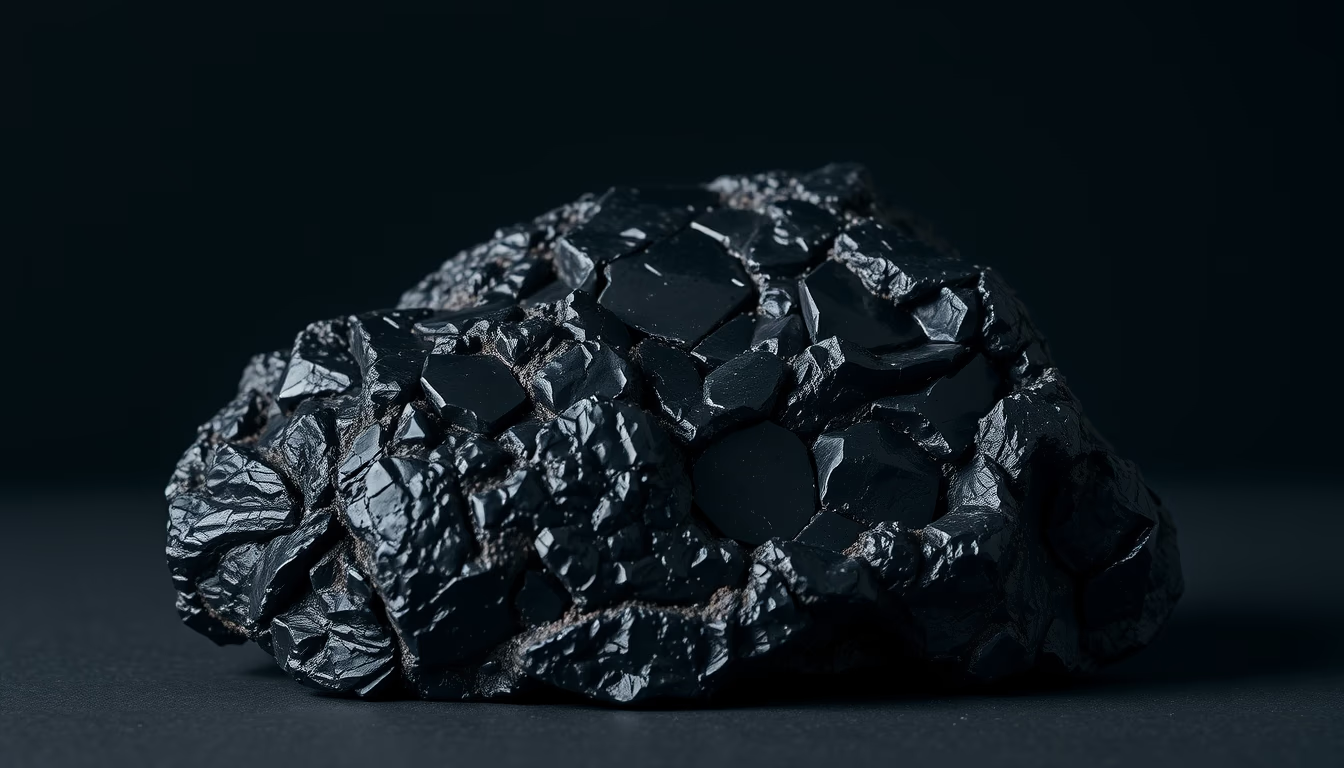
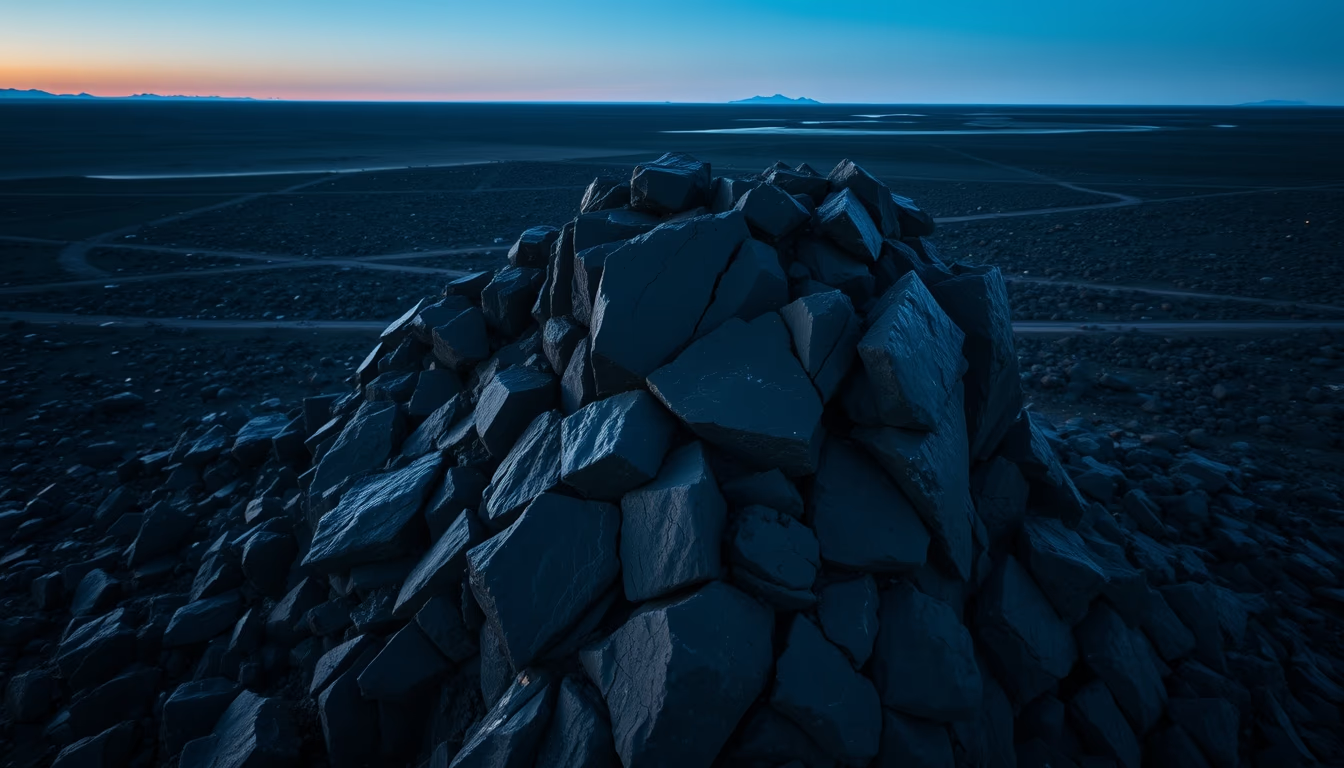
Volcanic rock obsidian
1344×768 · AVIF · CC BY 4.0
Obsidian is a natural volcanic glass formed by the rapid cooling of silica-rich lava, widely used by ancient civilizations and in modern medicine.
About this subject
Obsidian is an extrusive igneous rock classified as a natural glass due to its lack of crystalline structure. It forms when felsic lava rich in silica cools rapidly upon contact with air or water, preventing mineral crystallization. Its chemical composition is similar to granite and rhyolite, but its glassy texture makes it unique. Not being a mineral, obsidian exhibits conchoidal fracture, producing extremely sharp edges, a property that made it valuable for tool and weapon production in prehistoric cultures.
Throughout history, obsidian was used by various civilizations, including the Aztecs, Maya, Egyptians, and Native American peoples. In the Neolithic period, obsidian blades were employed for knives, arrowheads, and surgical instruments. The Aztecs carved mirrors and ritual masks from this material. Today, obsidian continues to be used in medicine: obsidian blades are utilized in precision surgeries, as they can be up to 100 times thinner than steel, reducing scarring and speeding recovery.
Significant obsidian deposits occur in volcanic regions worldwide. In Brazil, occurrences exist in Paraná and Minas Gerais, but the largest deposits are in Iceland, Mexico, the United States, and Japan. Obsidian can display various colors, such as black, brown, green, red, and even blue, depending on impurities and inclusions. Obsidian with golden or rainbow reflections, known as gold sheen or rainbow obsidian, is especially prized as a gemstone.
Beyond practical use, obsidian carries spiritual symbolism in many cultures. It is believed to protect against negative energies and promote mental clarity. In gem therapy, it is associated with the root chakra. Its geological formation, involving lava and sudden cooling, inspires fascination among scientists and collectors alike. Obsidian extraction is done through open-pit mining, and larger pieces are cut and polished for jewelry or decorative objects.
Frequently Asked Questions
How is obsidian formed?
Obsidian forms when silica-rich lava cools rapidly upon contact with air or water, preventing crystal formation. This process creates a natural volcanic glass.
What are the main uses of obsidian?
Historically, it was used for cutting tools, weapons, and ritual artifacts. Today, it is employed in precision surgery, as well as jewelry and decorative objects.
Is obsidian considered a mineral?
No. Obsidian is an amorphous natural glass without a crystalline structure, so it is not classified as a mineral. Its composition is similar to granite, but its texture is glassy.
Direct URL
https://pub-c7d6a6ea828543ac903a74a341ccb2e1.r2.dev/imagens/volcanic-rock-obsidian-aerial-drone-shot-fresh7.avifHow to credit
Include a visible link back to UtilizAí. Copy one of the snippets below:
<a href="https://xn--utiliza-eza.com/en/midia/imagens/volcanic-rock-obsidian-aerial-drone-shot-fresh7">Volcanic rock obsidian</a> by <a href="https://xn--utiliza-eza.com">UtilizAí</a>, licensed under <a href="https://creativecommons.org/licenses/by/4.0/">CC BY 4.0</a>.
[Volcanic rock obsidian](https://xn--utiliza-eza.com/en/midia/imagens/volcanic-rock-obsidian-aerial-drone-shot-fresh7) by [UtilizAí](https://xn--utiliza-eza.com), CC BY 4.0
License: CC-BY-4.0