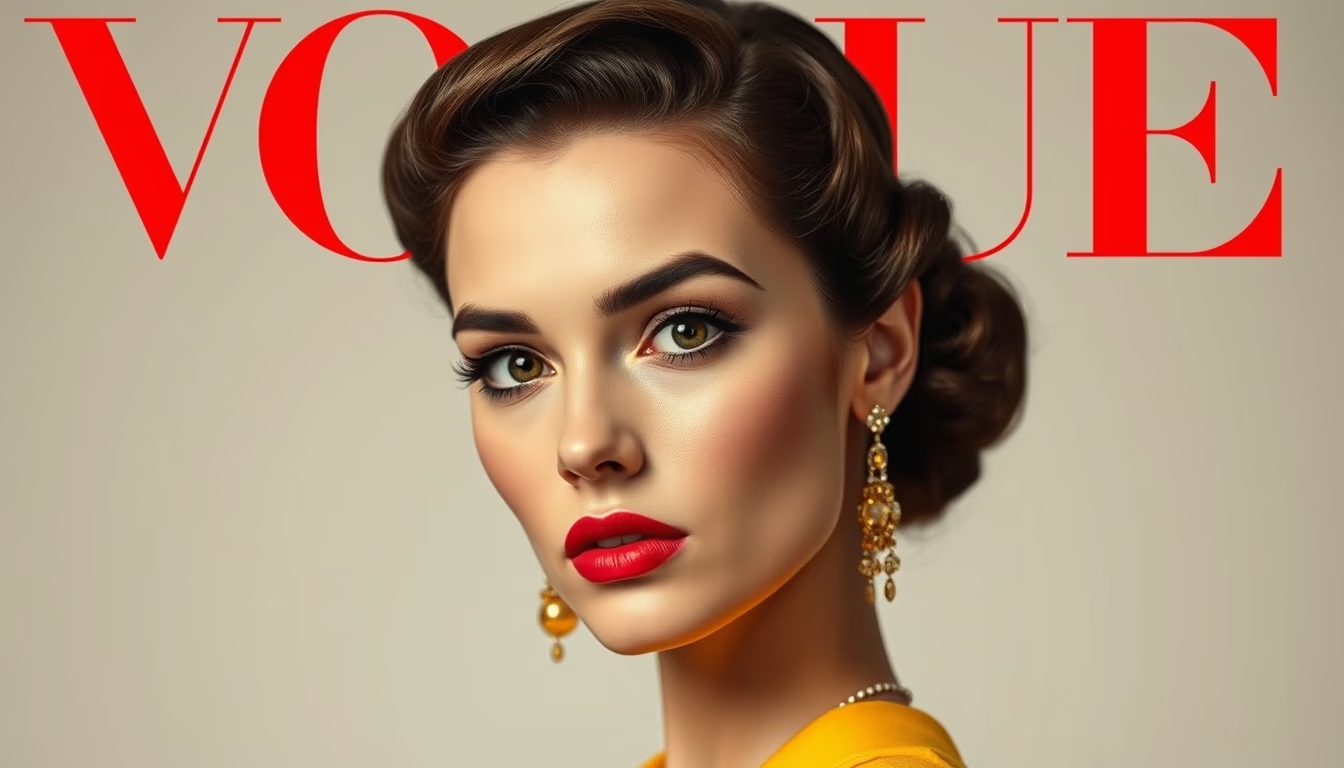
Vogue 1950s cover
1344×768 · AVIF · CC BY 4.0
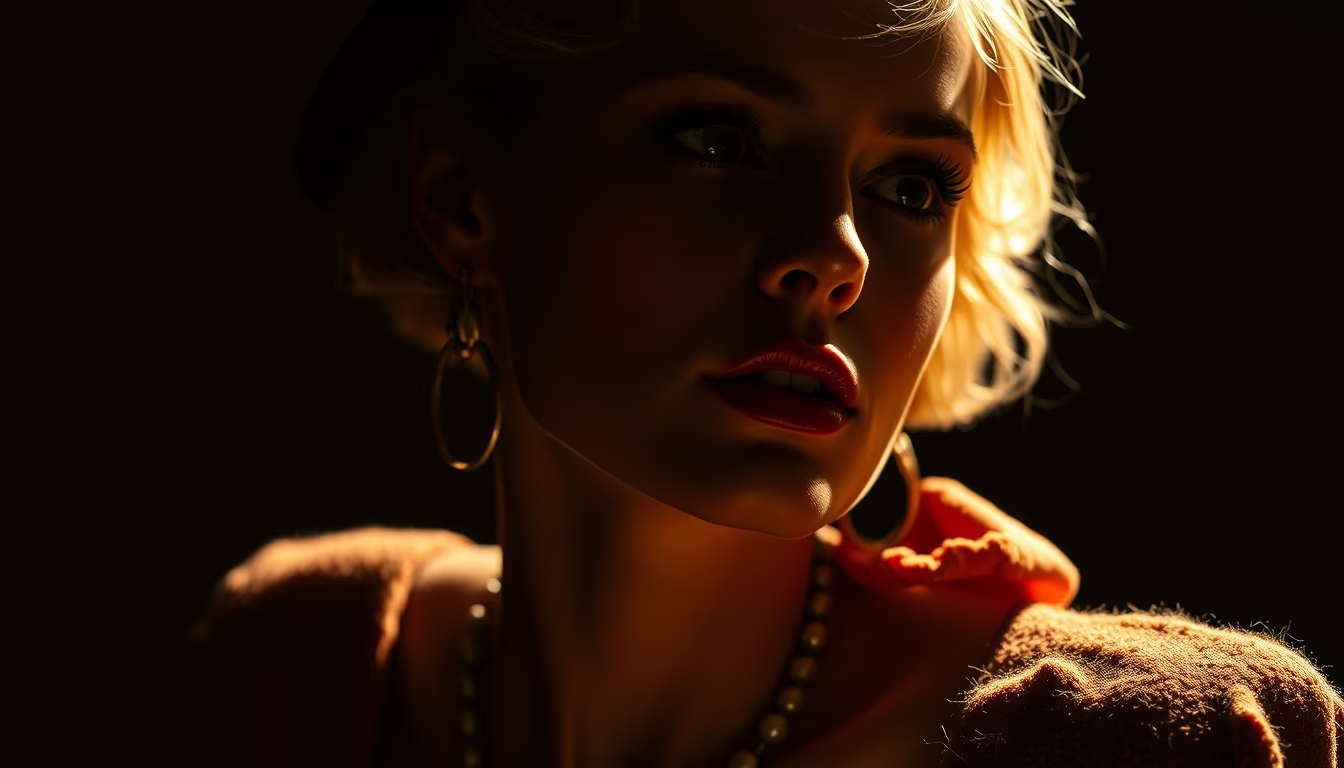
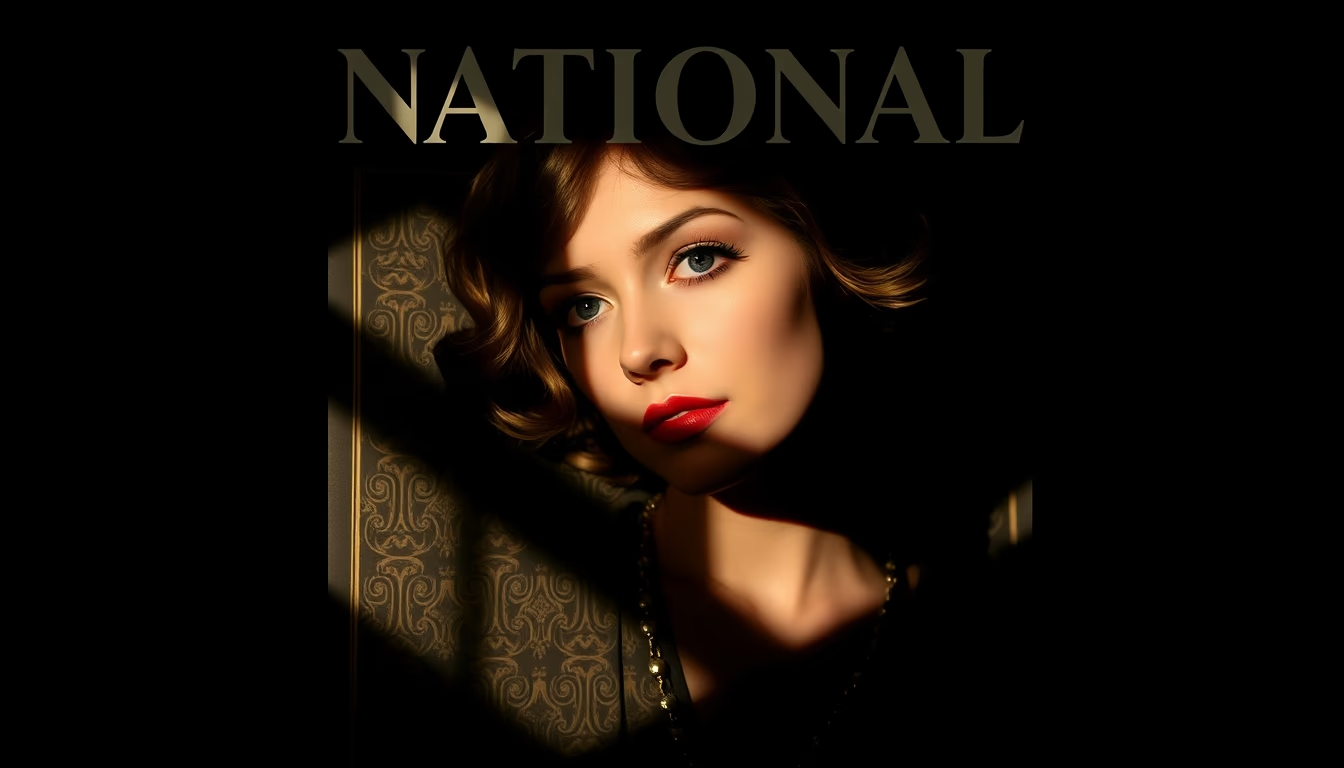
The 1950s Vogue cover combines haute couture with Rembrandt lighting, creating a dramatic and sophisticated contrast that defined editorial photography of the era.
About this subject
Vogue magazine, founded in 1892, established itself as the world's fashion bible. In the 1950s, its covers transcended mere trend reporting to become visual artworks. Photographers like Irving Penn and Richard Avedon collaborated to define the period's aesthetic, using techniques such as Rembrandt lighting. Named after the Dutch painter, this lighting pattern features a triangle of light on the cheek opposite the main source, creating deep shadows that add volume and drama to the face. On 1950s Vogue covers, the technique was often employed to highlight models' elegance and fabric texture.
The 1950s were marked by the post-war era and the rise of ready-to-wear, but haute couture still reigned. Vogue covers reflected this glamour: models with nipped waists, full skirts, and sophisticated accessories posed in minimalist settings with theatrical lighting. The influence of film noir is also perceptible in the dramatic shadows. The choice of light angle was not merely aesthetic but conveyed a narrative of sophistication and mystery.
Interestingly, Rembrandt lighting did not originate in fashion photography; it dates back to the 17th century. Its adoption by Vogue helped popularize dramatic portraiture in editorial. The use of deep shadows also required high-sensitivity film and fast lenses, showcasing the technical advancement of the era. Today, this aesthetic is revisited by contemporary photographers seeking a vintage feel.
The 1950s Vogue also pioneered diverse editorials, though still limited by racial standards. The legacy of these covers endures as a reference of timeless elegance and mastery of light.
Frequently Asked Questions
What is Rembrandt lighting in photography?
It is a portrait lighting technique where a triangle of light appears on the cheek opposite the main light source, while the rest of the face is shadowed. It creates a dramatic, three-dimensional effect, widely used in fashion photography and cinema.
Who were the main photographers for Vogue in the 1950s?
Key figures include Irving Penn, Richard Avedon, and in Europe, Henry Clarke. They revolutionized fashion photography with innovative compositions and expressive use of light.
How did 1950s Vogue influence today's fashion?
The covers set a standard of elegance that still inspires editorials and campaigns. The use of dramatic lighting and classic poses is frequently replicated in vintage-inspired shoots and haute couture.
Direct URL
https://pub-c7d6a6ea828543ac903a74a341ccb2e1.r2.dev/imagens/vogue-1950s-cover-rembrandt-lighting-dramatic-shadows-fresh15.avifHow to credit
Include a visible link back to UtilizAí. Copy one of the snippets below:
<a href="https://xn--utiliza-eza.com/en/midia/imagens/vogue-1950s-cover-rembrandt-lighting-dramatic-shadows-fresh15">Vogue 1950s cover</a> by <a href="https://xn--utiliza-eza.com">UtilizAí</a>, licensed under <a href="https://creativecommons.org/licenses/by/4.0/">CC BY 4.0</a>.
[Vogue 1950s cover](https://xn--utiliza-eza.com/en/midia/imagens/vogue-1950s-cover-rembrandt-lighting-dramatic-shadows-fresh15) by [UtilizAí](https://xn--utiliza-eza.com), CC BY 4.0
License: CC-BY-4.0