Vesuvius pompeii view
1344×768 · AVIF · CC BY 4.0
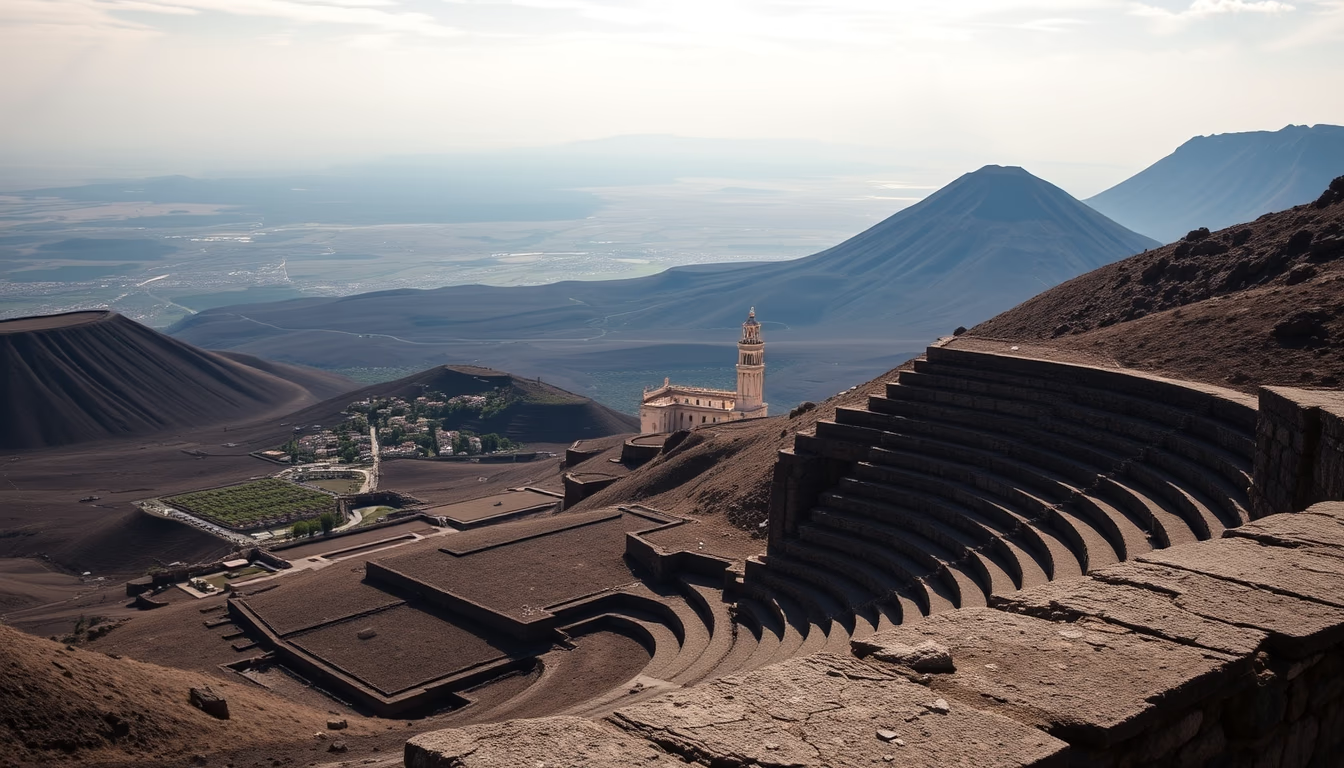
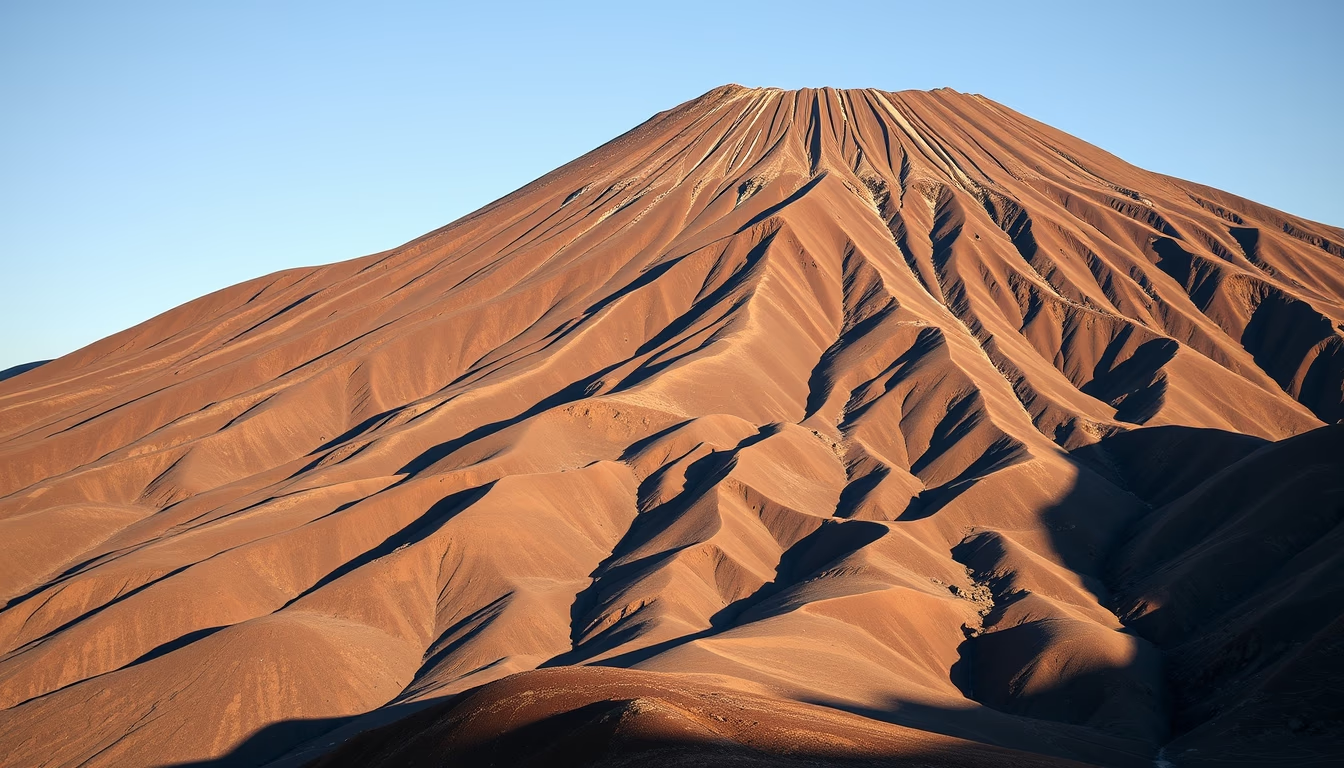
View of Mount Vesuvius from Pompeii, with the volcano in the background and Roman ruins in the foreground, capturing the relationship between the city and its destroyer.
About this subject
Mount Vesuvius, located on the coast of the Gulf of Naples in Italy, is one of the most dangerous volcanoes in the world due to its proximity to densely populated areas. Its most famous eruption occurred in 79 AD, when a massive cloud of ash, pumice, and superheated gases buried the Roman cities of Pompeii and Herculaneum. The layers of debris preserved buildings, objects, and even the bodies of victims, offering a unique glimpse into life in the Roman Empire.
Pompeii, situated about 9 km southeast of Vesuvius, was a prosperous port and agricultural city before the eruption. Today, it is a UNESCO World Heritage archaeological site, attracting millions of visitors annually. The volcano, with an elevation of 1,281 meters, remains active and is constantly monitored by the Vesuvius Observatory. Its last significant eruption was in 1944, during World War II.
The view of Vesuvius from Pompeii is iconic: the ruins of temples, baths, and forums contrast with the profile of the volcano in the background. This landscape symbolizes both destruction and resilience, reminding us of nature's power over civilizations. Tourism in the region combines archaeological exploration with trails on Vesuvius' crater, offering stunning panoramas of the gulf.
Interestingly, the 79 AD eruption was neither the first nor the last. Accounts by Pliny the Younger provided precious details, coining the term "Plinian eruption." Vesuvius is a stratovolcano, characterized by explosive eruptions and pyroclastic flows. Its geological history dates back about 25,000 years, with cycles of activity and dormancy.
Frequently Asked Questions
Is Mount Vesuvius still active?
Yes, Mount Vesuvius is an active volcano. It is constantly monitored by the Vesuvius Observatory, which studies its seismic activity and gas emissions. The last major eruption was in 1944.
Can I visit the Vesuvius crater?
Yes, the Vesuvius crater is open to the public via guided trails. It is advisable to check weather conditions and park permission before visiting.
What caused the destruction of Pompeii?
The eruption of Mount Vesuvius in 79 AD covered Pompeii with ash and pumice, followed by pyroclastic flows that carbonized and buried the city. The combination of tephra fall and toxic gases caused the death of the inhabitants.
Direct URL
https://pub-c7d6a6ea828543ac903a74a341ccb2e1.r2.dev/imagens/vesuvius-pompeii-view-magazine-editorial-fresh17.avifHow to credit
Include a visible link back to UtilizAí. Copy one of the snippets below:
<a href="https://xn--utiliza-eza.com/en/midia/imagens/vesuvius-pompeii-view-magazine-editorial-fresh17">Vesuvius pompeii view</a> by <a href="https://xn--utiliza-eza.com">UtilizAí</a>, licensed under <a href="https://creativecommons.org/licenses/by/4.0/">CC BY 4.0</a>.
[Vesuvius pompeii view](https://xn--utiliza-eza.com/en/midia/imagens/vesuvius-pompeii-view-magazine-editorial-fresh17) by [UtilizAí](https://xn--utiliza-eza.com), CC BY 4.0
License: CC-BY-4.0