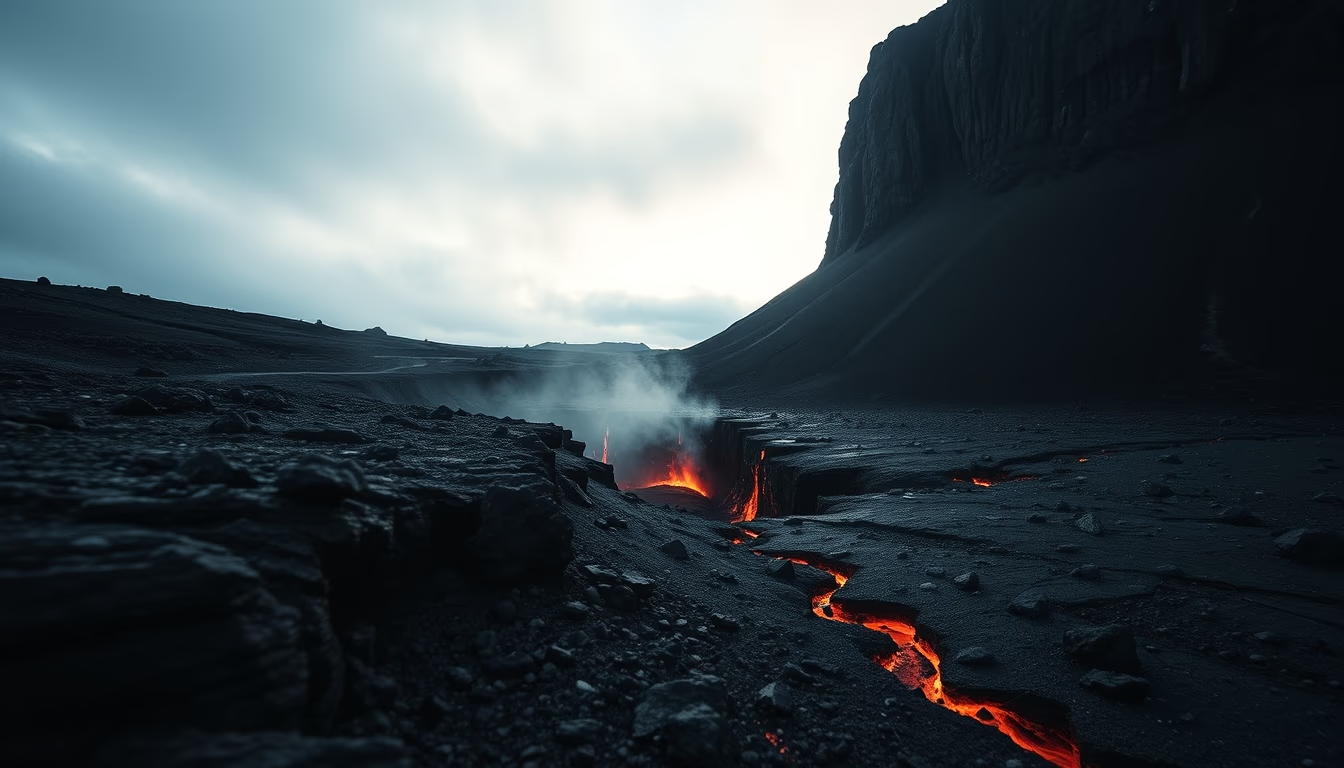
Vesuvius pompeii view
1344×768 · AVIF · CC BY 4.0

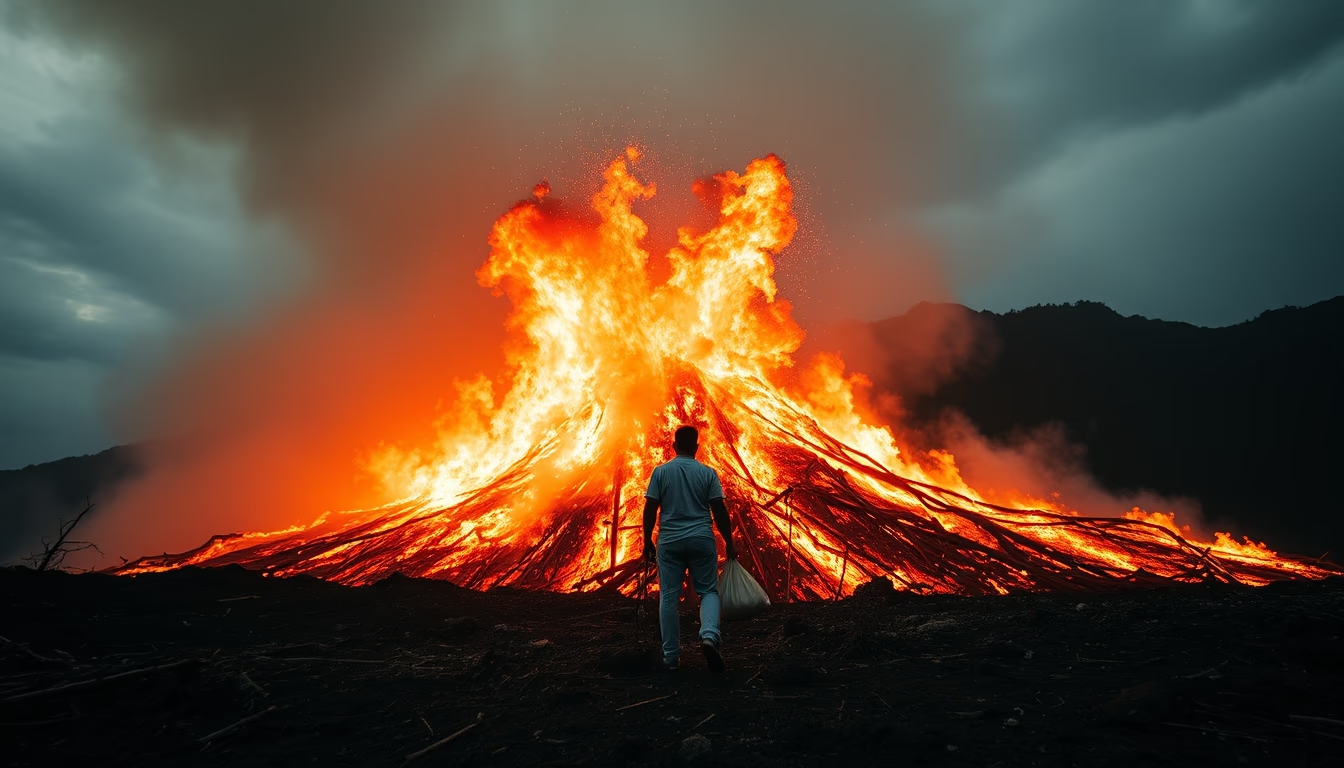
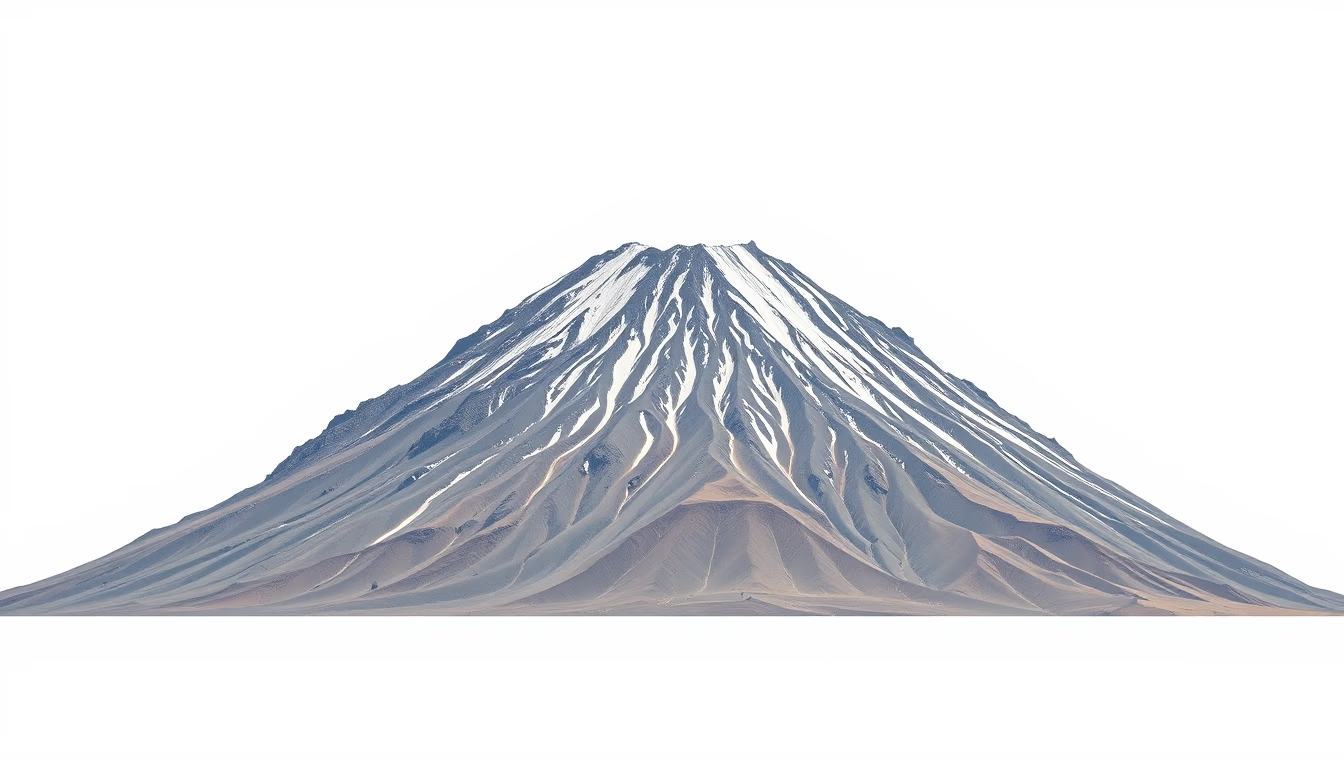
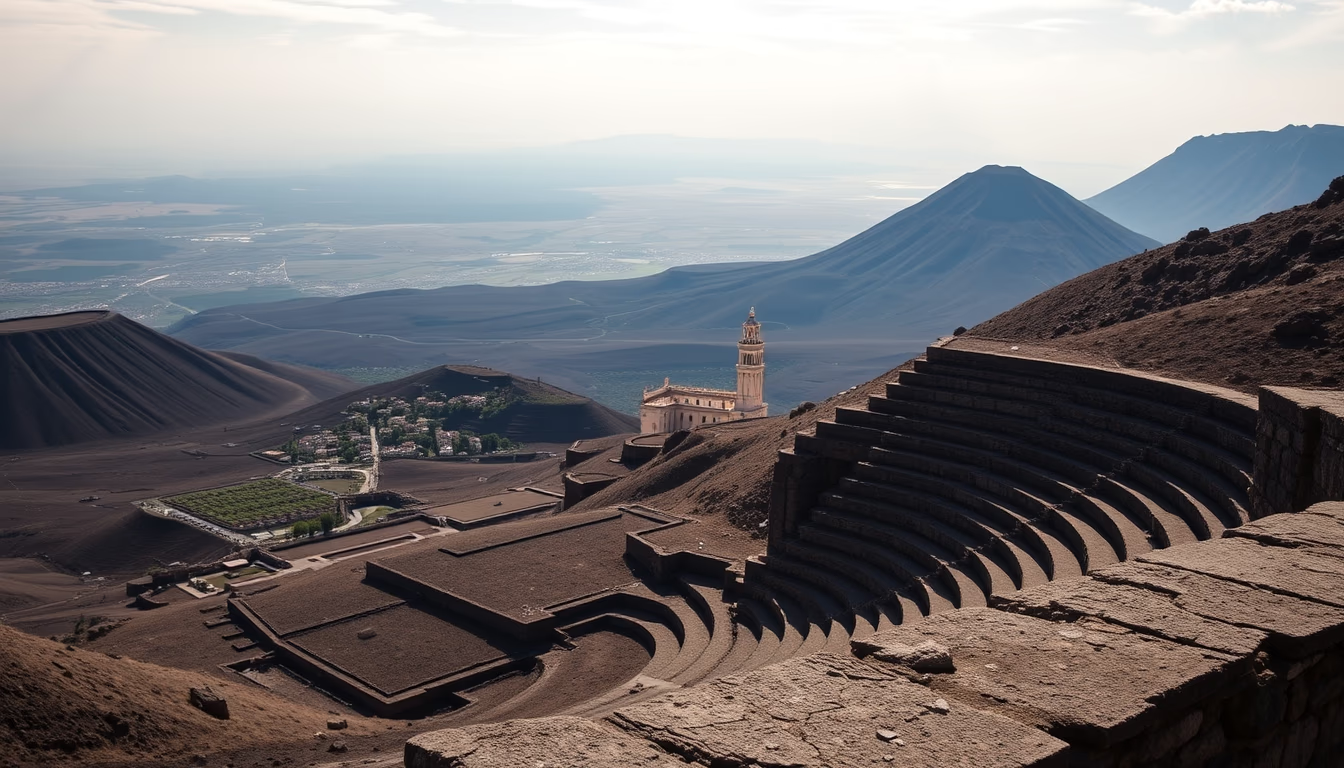
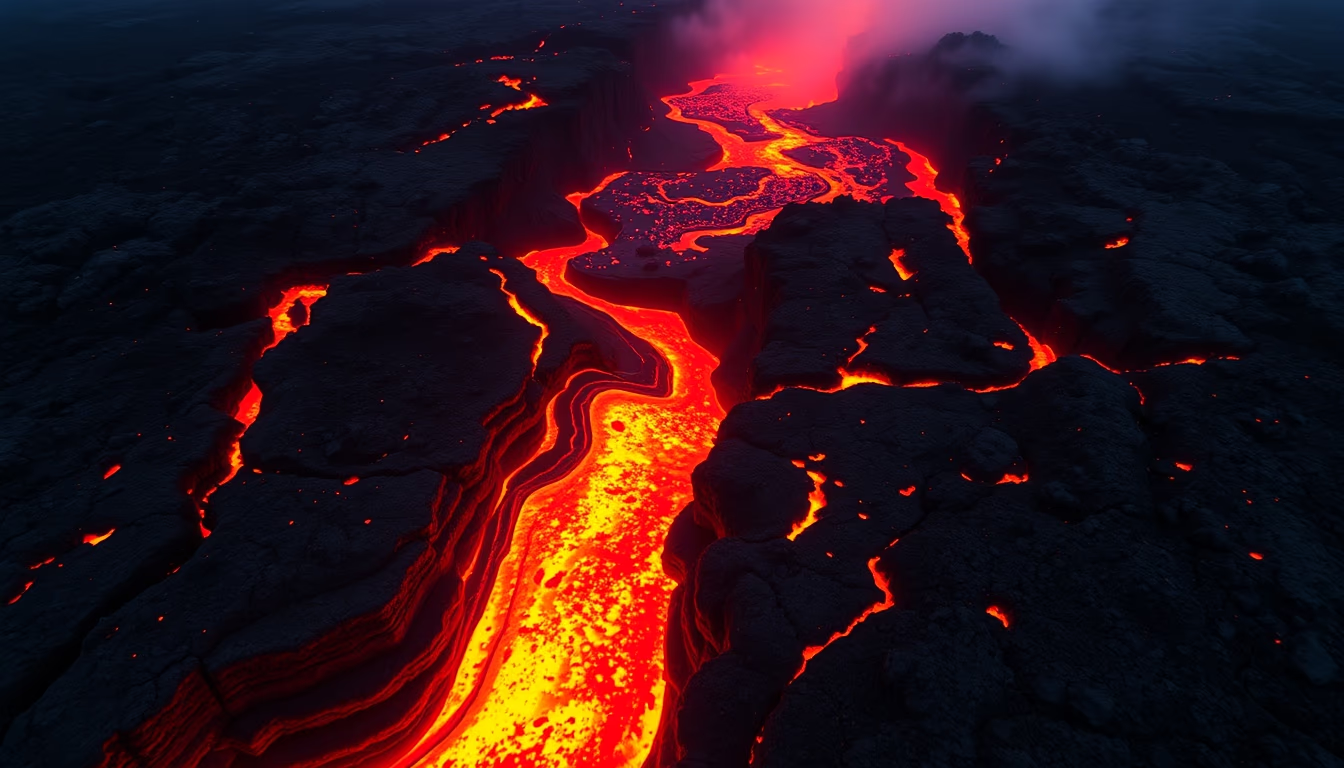
View of Mount Vesuvius from the ruins of Pompeii, one of the world's most dangerous volcanoes, which destroyed the Roman city in AD 79.
About this subject
Mount Vesuvius is a stratovolcano located on the Gulf of Naples in Italy. Its most famous eruption occurred on August 24, AD 79, burying the Roman cities of Pompeii and Herculaneum under ash and pumice. The event was described in letters by Pliny the Younger, who observed the phenomenon from a distance. The eruptive column is estimated to have reached 33 km in height, releasing massive amounts of pyroclastic material. Pompeii was buried under about 6 meters of ash, which paradoxically preserved buildings, frescoes, and human remains in their final moments. The city was rediscovered in the 18th century, becoming one of the most important archaeological sites in the world.
Vesuvius is one of the most closely monitored volcanoes on Earth due to its high risk. It is situated in a densely populated area, with about 3 million people living nearby. The last eruption occurred in 1944 during World War II, destroying neighboring villages. Since then, the volcano has remained dormant, but experts warn of the potential for another large eruption. Vesuvius National Park was established in 1995 to protect the ecosystem and allow safe tourist visits.
From the summit of Vesuvius, one can see the Bay of Naples and the ruins of Pompeii to the south. The crater is about 300 meters in diameter and constantly emits fumaroles. For ancient Romans, Vesuvius was a sacred site associated with the god Vulcan. Today, it is a popular tourist destination, where visitors can hike to the crater's edge and observe the volcanic geology up close. The view of the volcano from Pompeii serves as a dramatic reminder of nature's power and the fragility of civilization.
Frequently Asked Questions
Is Vesuvius still active?
Yes, Vesuvius is considered an active volcano, although it has been dormant since 1944. Scientists constantly monitor its seismic activity and gas emissions to forecast potential eruptions.
How did the AD 79 eruption preserve Pompeii?
The eruption covered the city with a layer of ash and lapilli that protected the structures from erosion. The lack of oxygen and high temperature carbonized organic materials, preserving bodies and objects in remarkable detail.
Is it safe to visit Mount Vesuvius and Pompeii?
Yes, the volcano is monitored and access is controlled. In case of increased risk, authorities close the area. The ruins of Pompeii are safe and receive millions of tourists every year.
Direct URL
https://pub-c7d6a6ea828543ac903a74a341ccb2e1.r2.dev/imagens/vesuvius-pompeii-view-high-fashion-editorial-fresh0.avifHow to credit
Include a visible link back to UtilizAí. Copy one of the snippets below:
<a href="https://xn--utiliza-eza.com/en/midia/imagens/vesuvius-pompeii-view-high-fashion-editorial-fresh0">Vesuvius pompeii view</a> by <a href="https://xn--utiliza-eza.com">UtilizAí</a>, licensed under <a href="https://creativecommons.org/licenses/by/4.0/">CC BY 4.0</a>.
[Vesuvius pompeii view](https://xn--utiliza-eza.com/en/midia/imagens/vesuvius-pompeii-view-high-fashion-editorial-fresh0) by [UtilizAí](https://xn--utiliza-eza.com), CC BY 4.0
License: CC-BY-4.0