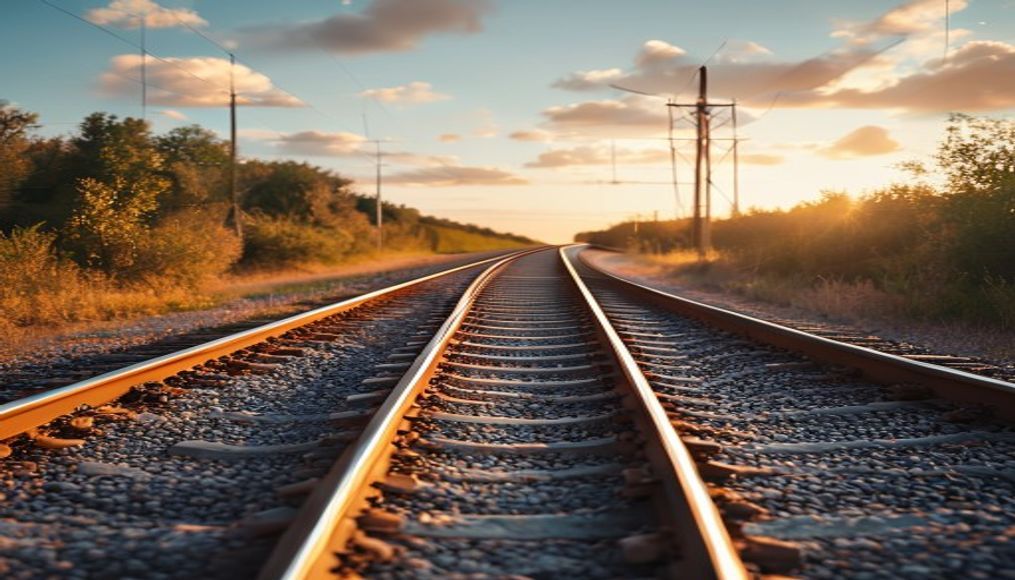
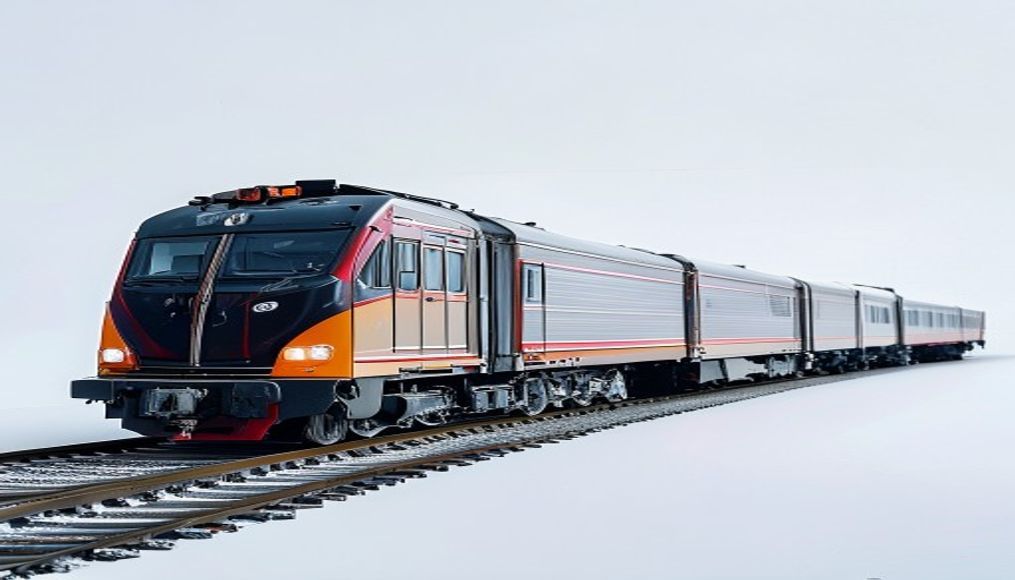
Train signal semaphore
1344×768 · AVIF · CC BY 4.0
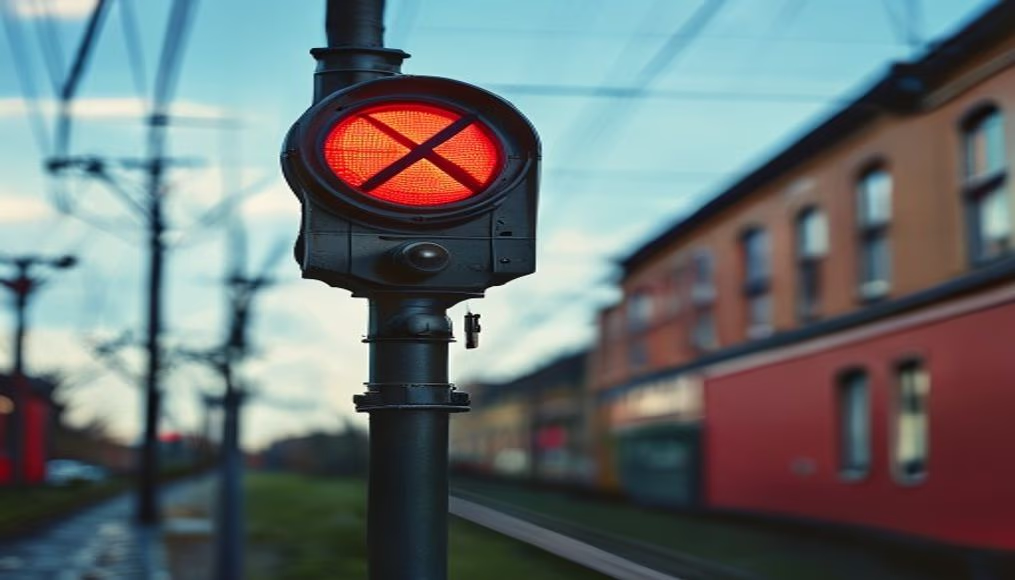
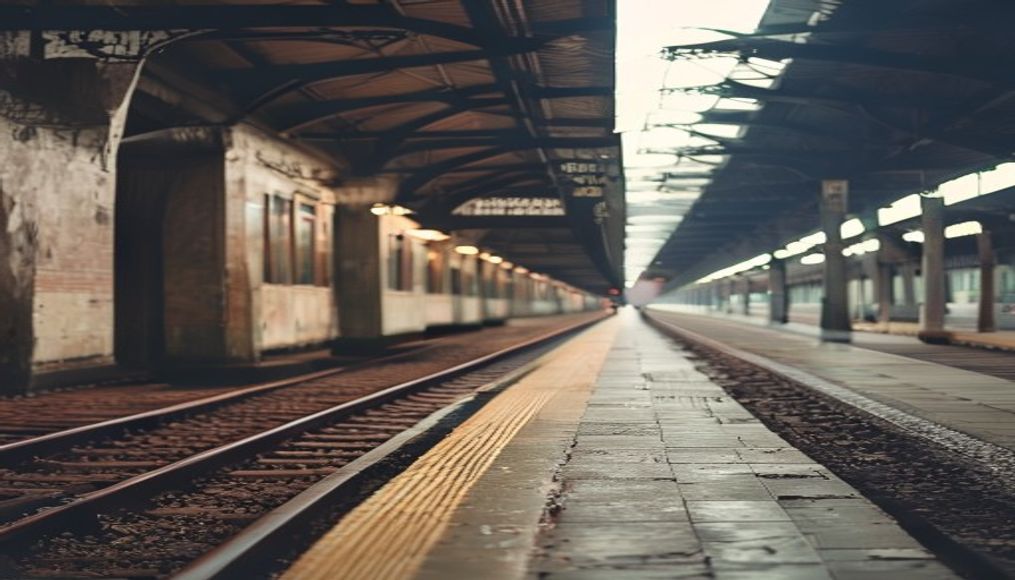
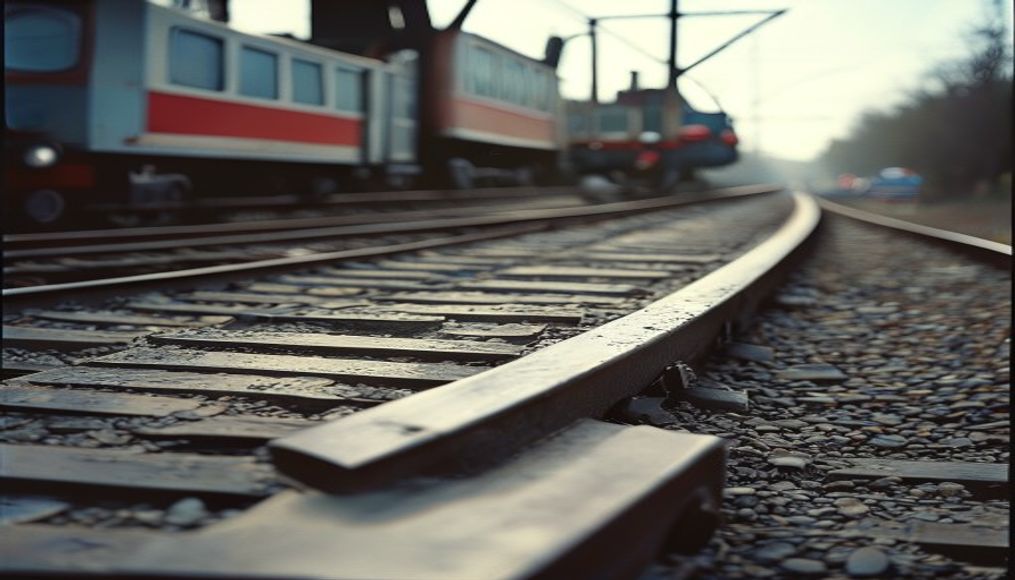
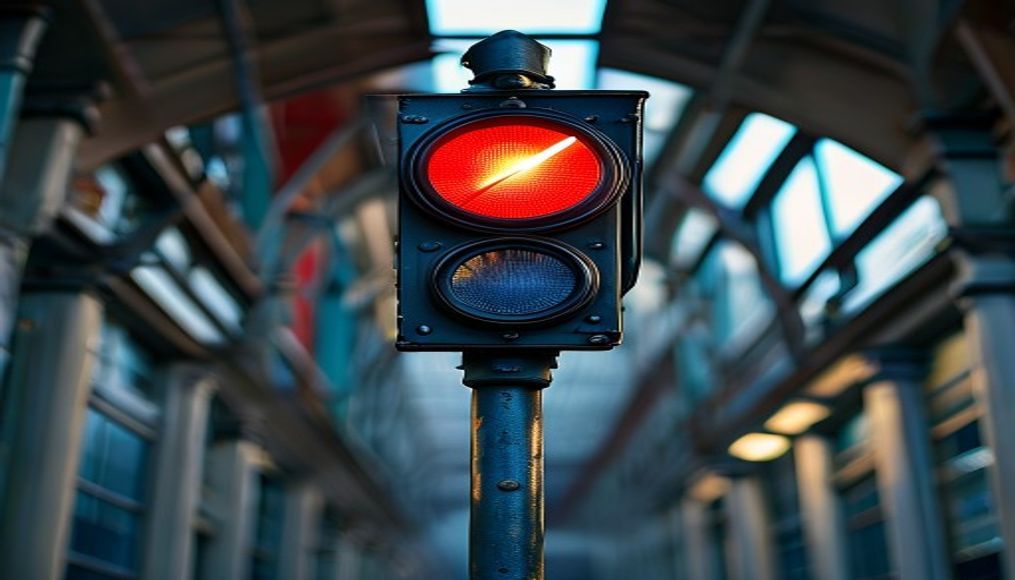
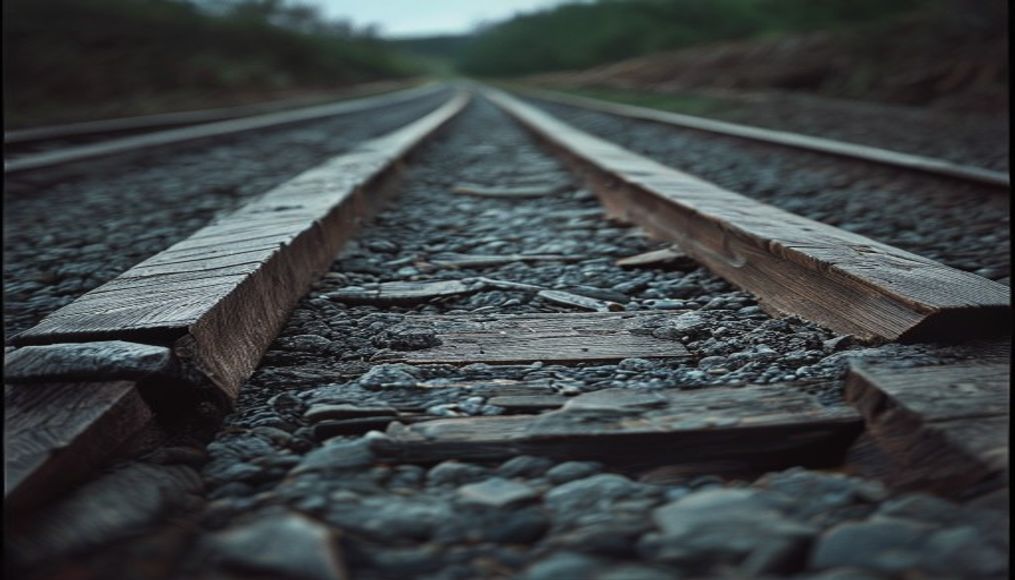
Railway semaphore signal: a mechanical device that controlled train traffic with movable arms and colored lights, a symbol of the pre-electric era.
About this subject
The railway semaphore signal was one of the earliest types of signaling systems used on railroads. Invented in the 19th century, it used movable arms (wings) to indicate whether the track ahead was clear or occupied. At night, oil or kerosene lamps were used, and the colored lenses were manually replaced. This mechanical system required an operator or a counterweight mechanism to move the arms, usually via cables connected to a signal box.
Adoption of the semaphore was crucial to prevent head-on and rear-end collisions, especially on single-track lines. The arm positions followed a universal code: horizontal arm meant stop; 45-degree angle meant caution (reduced speed); vertical arm meant clear. These signals were mounted on tall masts to be visible from long distances, and drivers had to memorize signal locations along the route.
With the advent of electricity, semaphores were gradually replaced by electric signals and later by modern electronic systems. However, many historical examples have been preserved in railway museums worldwide, such as the São Paulo Railway Museum in Brazil and the National Railway Museum in England. The semaphore is an icon of Victorian engineering and even inspired the visual language of road traffic lights.
Interestingly, the term 'semaphore' is now more commonly associated with road traffic lights, but its origin lies in railways. The word comes from the Greek 'sema' (signal) and 'phoros' (bearer), and the first railway semaphores were indeed physical bearers of orders for trains.
Frequently Asked Questions
How did the changing of lights work on railway semaphores at night?
At night, semaphores used oil or kerosene lamps. The operator manually replaced the colored lenses (red, yellow, green) to match the semaphore arm position. This process was known as 'lens changing'.
Are railway semaphores still used today?
Rarely. Most have been replaced by electric or electronic signals. However, some heritage or tourist railways keep semaphores operational for preservation.
What is the difference between a railway semaphore and a traffic light?
The traditional railway semaphore used mechanical arms and separate lights, while a traffic light uses only electric lights. Also, arm positions had specific meanings for trains, whereas traffic lights use sequential colors.
Direct URL
https://pub-c7d6a6ea828543ac903a74a341ccb2e1.r2.dev/imagens/train-signal-semaphore-high-fashion-editorial-p3.avifHow to credit
Include a visible link back to UtilizAí. Copy one of the snippets below:
<a href="https://xn--utiliza-eza.com/en/midia/imagens/train-signal-semaphore-high-fashion-editorial-p3">Train signal semaphore</a> by <a href="https://xn--utiliza-eza.com">UtilizAí</a>, licensed under <a href="https://creativecommons.org/licenses/by/4.0/">CC BY 4.0</a>.
[Train signal semaphore](https://xn--utiliza-eza.com/en/midia/imagens/train-signal-semaphore-high-fashion-editorial-p3) by [UtilizAí](https://xn--utiliza-eza.com), CC BY 4.0
License: CC-BY-4.0