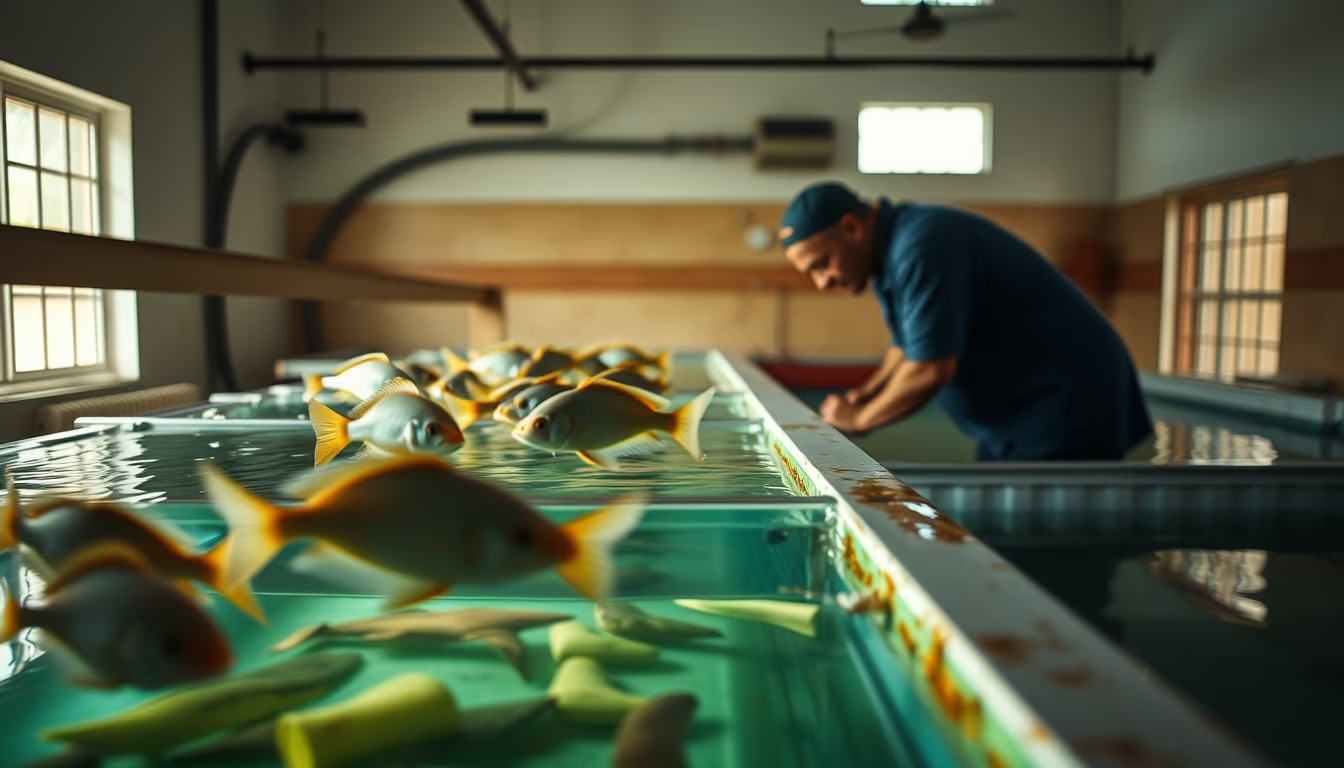
Tilapia tanks indoor
1344×768 · AVIF · CC BY 4.0
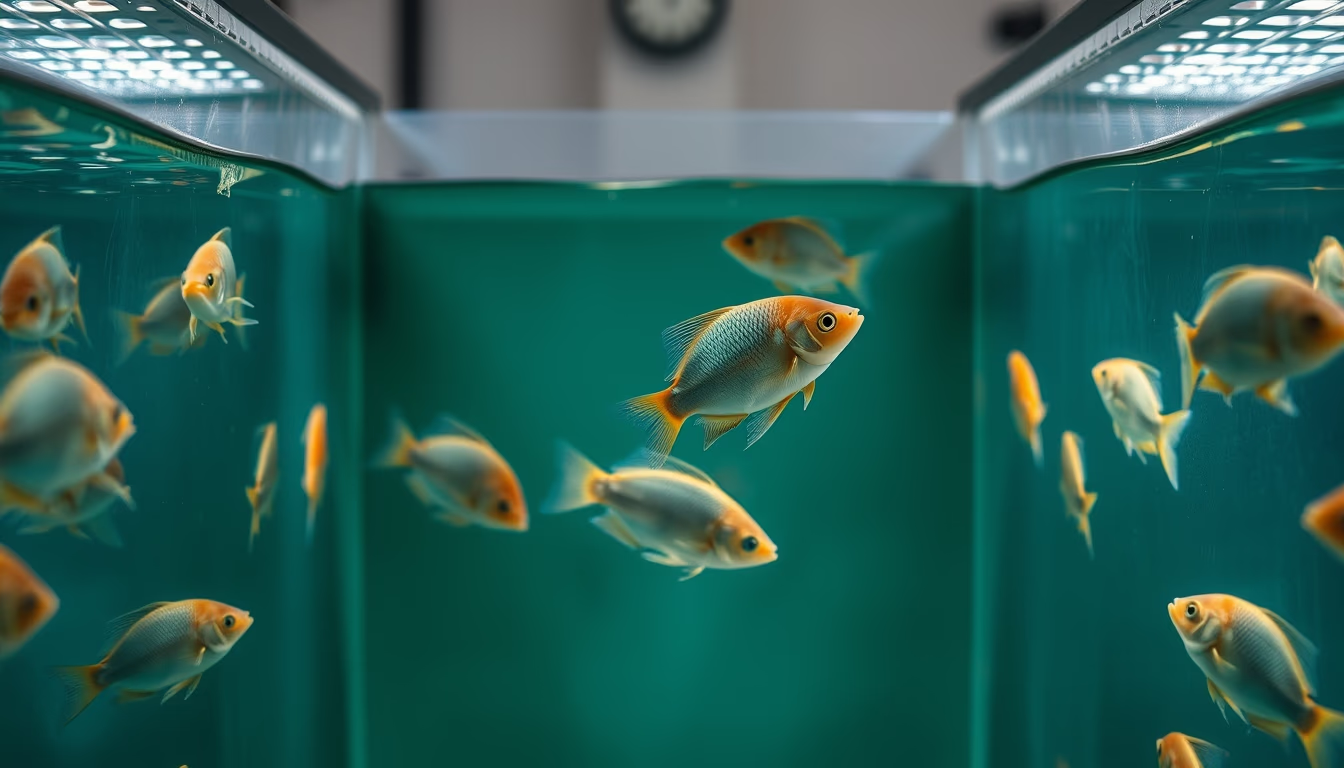
Indoor tilapia tanks enable sustainable, high-density aquaculture with full control over environmental conditions.
About this subject
Tilapia (Oreochromis niloticus) is the most widely farmed fish globally, with annual production exceeding 6 million metric tons. Indoor tank systems emerged as a response to challenges such as water scarcity, disease control, and year-round demand for quality protein. Unlike outdoor ponds, closed tanks enable recirculating aquaculture systems (RAS), reducing water consumption by up to 90% and preventing contamination from external pollutants.
In Brazil, indoor tilapia farming is growing especially in the South and Southeast regions, where producers seek stable output even during droughts or extreme temperatures. Common tanks are circular, made of fiberglass or concrete, with volumes between 10 and 50 m³. Stocking densities can reach 80 kg/m³, far above the 5-10 kg/m³ in traditional ponds, thanks to continuous oxygenation and waste removal. Biosecurity is another advantage: the closed environment drastically reduces the incidence of diseases like streptococcosis and parasitic infections.
Feeding is automated with extruded pellets containing 28-32% protein. The production cycle to harvest (around 800 g) takes 6 to 8 months, depending on water temperature (28-30°C is optimal). Electricity for pumps and aeration is the main operational cost, but modern systems use heat exchangers and solar energy to offset expenses. Despite high initial investment, the productivity per area and consistent supply make indoor systems an irreversible trend in aquaculture.
Interestingly, tilapia is a freshwater fish well suited to indoor systems due to its hardiness and fast growth. China, Egypt, and Thailand lead global production, while Brazil ranks fourth, with São Paulo state as a major hub. Consumers value the white, boneless fillet (Y-shaped pin bones are easily removed), and sustainability certifications like the Aquaculture Stewardship Council (ASC) add value to the final product.
Frequently Asked Questions
What is the advantage of indoor tanks over traditional ponds?
Indoor tanks provide complete control over temperature, oxygen, and water quality, while reducing water consumption by up to 90% and preventing predators and external diseases. Stocking density per cubic meter is much higher, boosting productivity.
How long does it take to raise tilapia in an indoor system?
The production cycle for tilapia in indoor tanks ranges from 6 to 8 months, depending on water temperature (28-30°C) and feed quality. Fish reach about 800 g, the ideal weight for the fillet market.
Is indoor tilapia farming sustainable?
Yes, when properly designed with recirculating systems (RAS) that reuse water and treat waste. Water consumption and ecological footprint are lower than pond farming, and ASC certification ensures responsible practices.
Direct URL
https://pub-c7d6a6ea828543ac903a74a341ccb2e1.r2.dev/imagens/tilapia-tanks-indoor-magazine-editorial-fresh5.avifHow to credit
Include a visible link back to UtilizAí. Copy one of the snippets below:
<a href="https://xn--utiliza-eza.com/en/midia/imagens/tilapia-tanks-indoor-magazine-editorial-fresh5">Tilapia tanks indoor</a> by <a href="https://xn--utiliza-eza.com">UtilizAí</a>, licensed under <a href="https://creativecommons.org/licenses/by/4.0/">CC BY 4.0</a>.
[Tilapia tanks indoor](https://xn--utiliza-eza.com/en/midia/imagens/tilapia-tanks-indoor-magazine-editorial-fresh5) by [UtilizAí](https://xn--utiliza-eza.com), CC BY 4.0
License: CC-BY-4.0