Tilapia tanks indoor
1344×768 · AVIF · CC BY 4.0
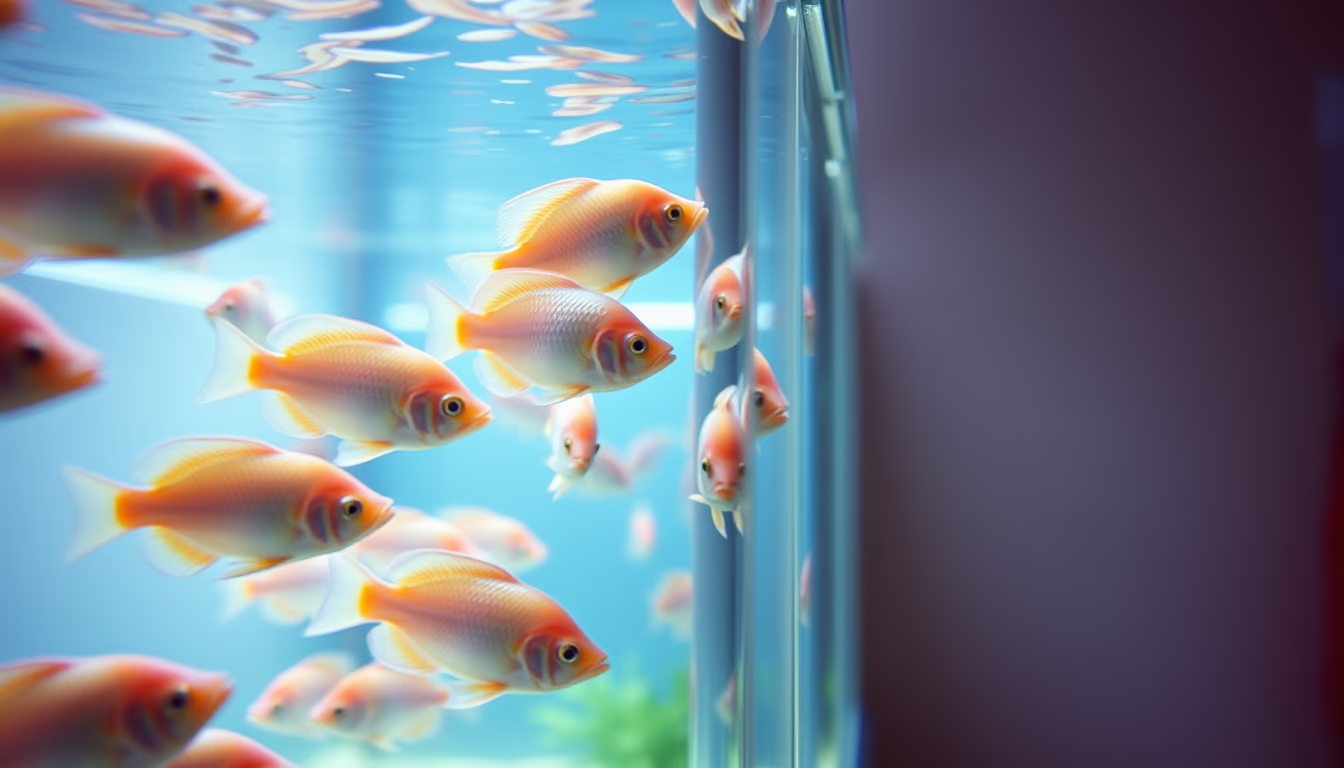
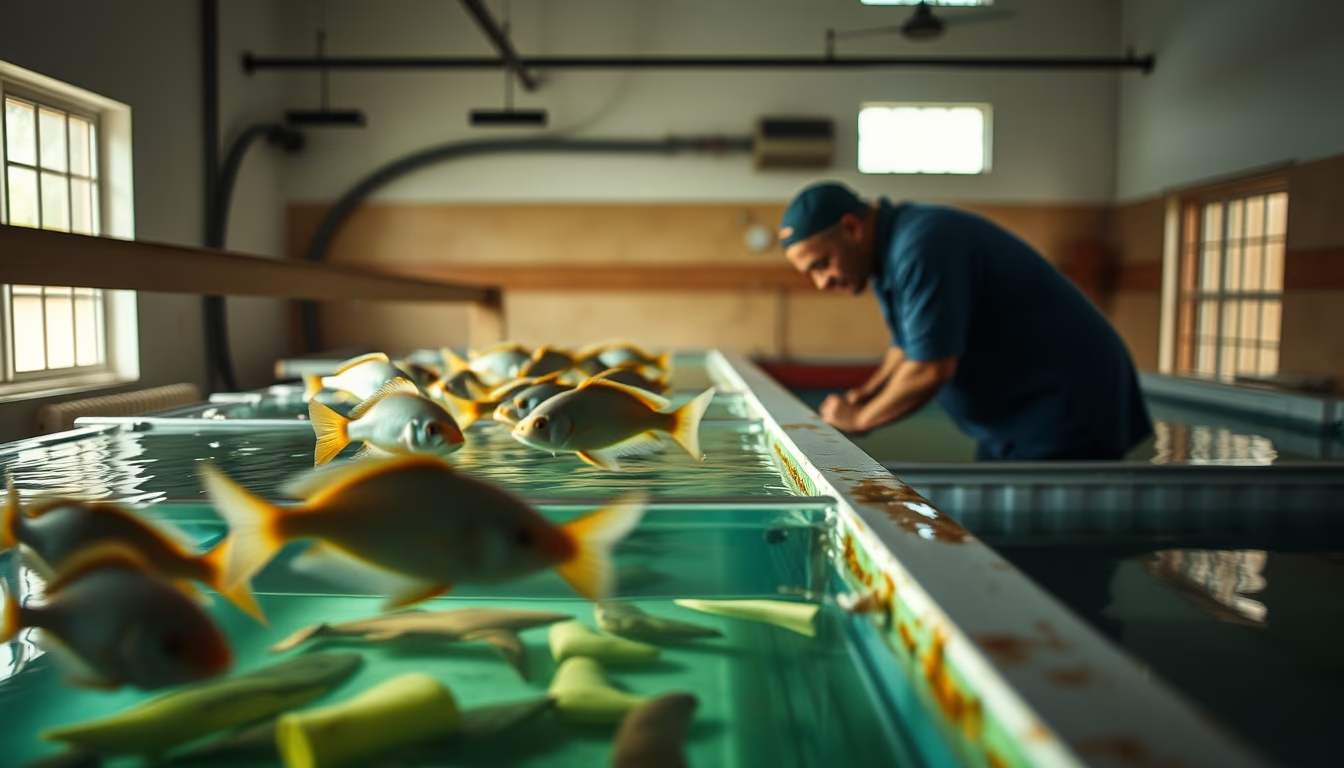
Indoor tilapia tanks: a controlled aquaculture system enabling intensive production with reduced environmental impacts.
About this subject
Indoor tilapia farming using recirculating aquaculture systems (RAS) has revolutionized fish production worldwide. Tilapia (Oreochromis niloticus) is one of the most farmed fish globally, with annual production exceeding 6 million tons. Indoor tanks allow precise control over water temperature, pH, ammonia levels, and oxygen, enabling stocking densities of up to 100 kg/m³ compared to 20 kg/m³ in traditional ponds. This method is particularly valuable in regions with cold climates or limited land.
Brazil is a major player, producing over 500,000 tons of tilapia in 2022. Indoor systems are increasingly used for hatcheries and grow-out phases, reducing mortality rates and improving feed conversion ratios. Water recirculation cuts water usage by up to 90%, and effluent treatment prevents nutrient pollution. The biological filter, often using nitrifying bacteria, converts toxic ammonia into nitrate, maintaining water quality.
Tilapia thrive at 26, 30°C. Indoor systems often employ heat pumps or geothermal energy to maintain optimal temperatures year-round. Biosecurity is enhanced: closed tanks minimize exposure to pathogens, reducing the need for antibiotics. However, energy costs for pumps, aeration, and filtration can account for 30% of operating expenses. Advances in solar power and IoT sensors are helping lower these costs.
A notable trend is the integration of aquaponics, where nutrient-rich water from tilapia tanks fertilizes hydroponic plants. This circular approach produces both fish and vegetables, increasing profitability. While indoor tilapia farming requires higher initial investment, its sustainability and consistency are driving adoption, especially in urban areas and countries with water scarcity.
Frequently Asked Questions
What are the advantages of indoor tilapia tanks?
Indoor tanks allow precise control of water parameters, high stocking densities (up to 100 kg/m³), reduced mortality, up to 90% water savings, and enhanced biosecurity, minimizing antibiotic use.
Is indoor tilapia farming more expensive?
Yes, initial capital and operating costs are higher, mainly due to energy for pumps and aeration. However, higher productivity and lower losses can offset the investment over time.
What is the ideal water temperature for tilapia in indoor tanks?
Tilapia are tropical fish; the optimal temperature range is 26°C to 30°C. Indoor systems use heaters or heat exchangers to maintain this range year-round.
Direct URL
https://pub-c7d6a6ea828543ac903a74a341ccb2e1.r2.dev/imagens/tilapia-tanks-indoor-lo-fi-disposable-camera-fresh11.avifHow to credit
Include a visible link back to UtilizAí. Copy one of the snippets below:
<a href="https://xn--utiliza-eza.com/en/midia/imagens/tilapia-tanks-indoor-lo-fi-disposable-camera-fresh11">Tilapia tanks indoor</a> by <a href="https://xn--utiliza-eza.com">UtilizAí</a>, licensed under <a href="https://creativecommons.org/licenses/by/4.0/">CC BY 4.0</a>.
[Tilapia tanks indoor](https://xn--utiliza-eza.com/en/midia/imagens/tilapia-tanks-indoor-lo-fi-disposable-camera-fresh11) by [UtilizAí](https://xn--utiliza-eza.com), CC BY 4.0
License: CC-BY-4.0